May 2026
Exploring the shipwrecks of Agulhas
On our first full day after we arrived at Arniston Hotel & Spa in Arniston, we had quite a few places we wanted to visit. The first stop was at the Shipwreck Museum in Bredasdorp, which is just 24km/15 miles from Arniston.
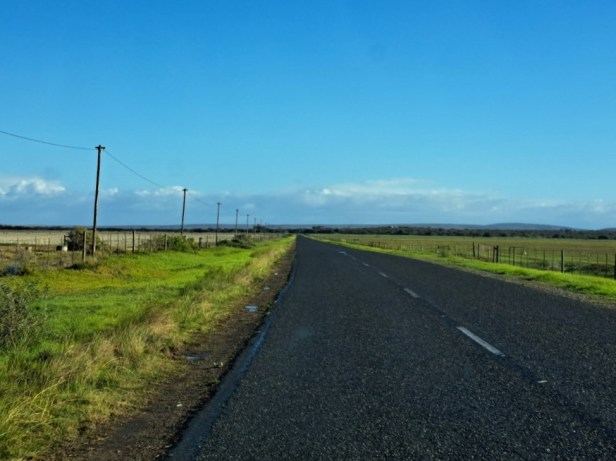
The road between Arniston and Bredasdorp
The southernmost coastline is known as a graveyard for ships. A few centuries ago, before modern navigation systems and the lighthouses at Cape Agulhas, ships were especially vulnerable to conditions such as strong winds, unpredictable weather systems, powerful waves, and the confluence of cold and warm ocean currents.
The Shipwreck Museum is a very good place to visit if you want to know how Arniston got its name. Apparently, over 230 shipwrecks are scattered around the South African coast, of which about 23 of these shipwrecks are to be found on the Agulhas coast (the southernmost point of Africa). One of the most notable shipwrecks along the Agulhas coastline is the Arniston, a British transport ship that wrecked on 30 May 1815 north of the village Arniston (named after the ship).
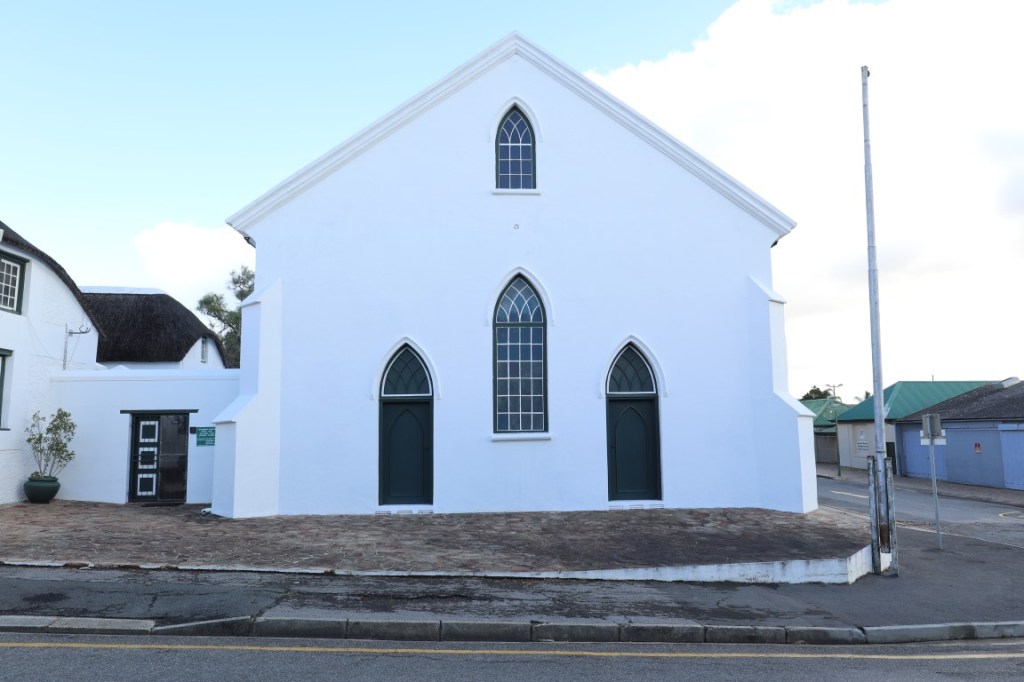
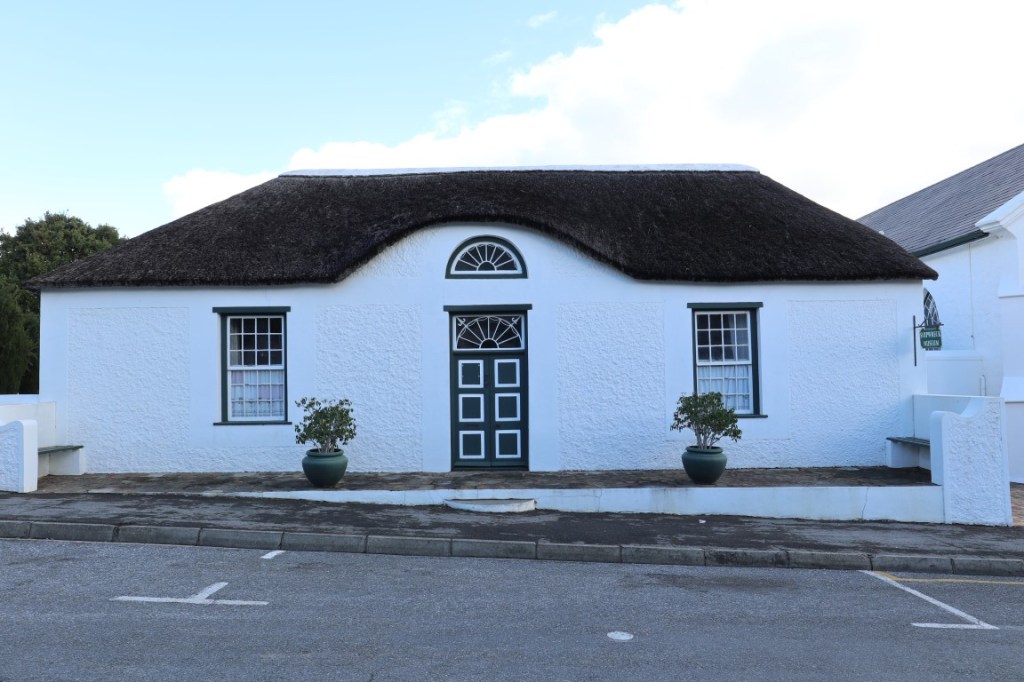
Shipwreck Museum in Bredasdorp
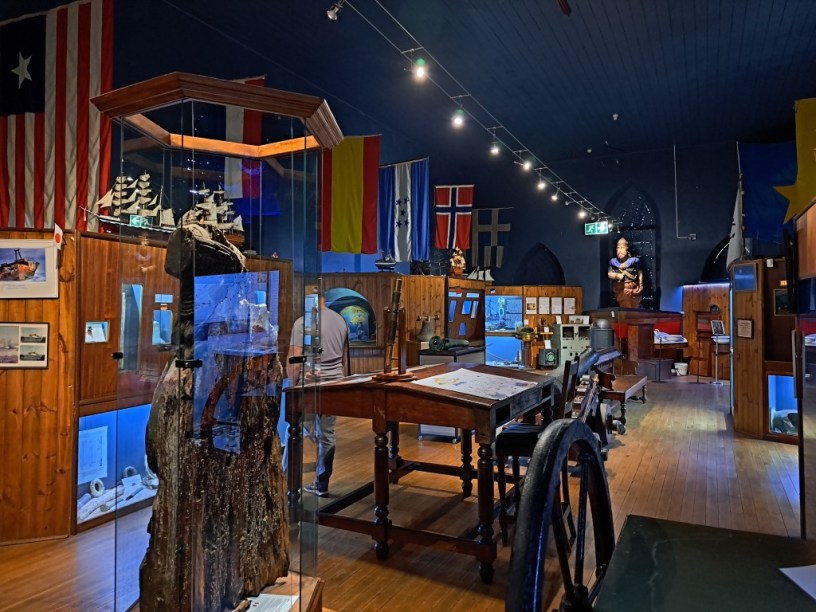
Here in the museum, visitors can read more about some of the more well-known shipwrecks on the Agulhas coast. The displays are well laid out, and we spent about an hour just in one room to watch a video and read about the shipwrecks and human stories connected to the wrecks. There is also an interesting display about the earlier navigation systems.
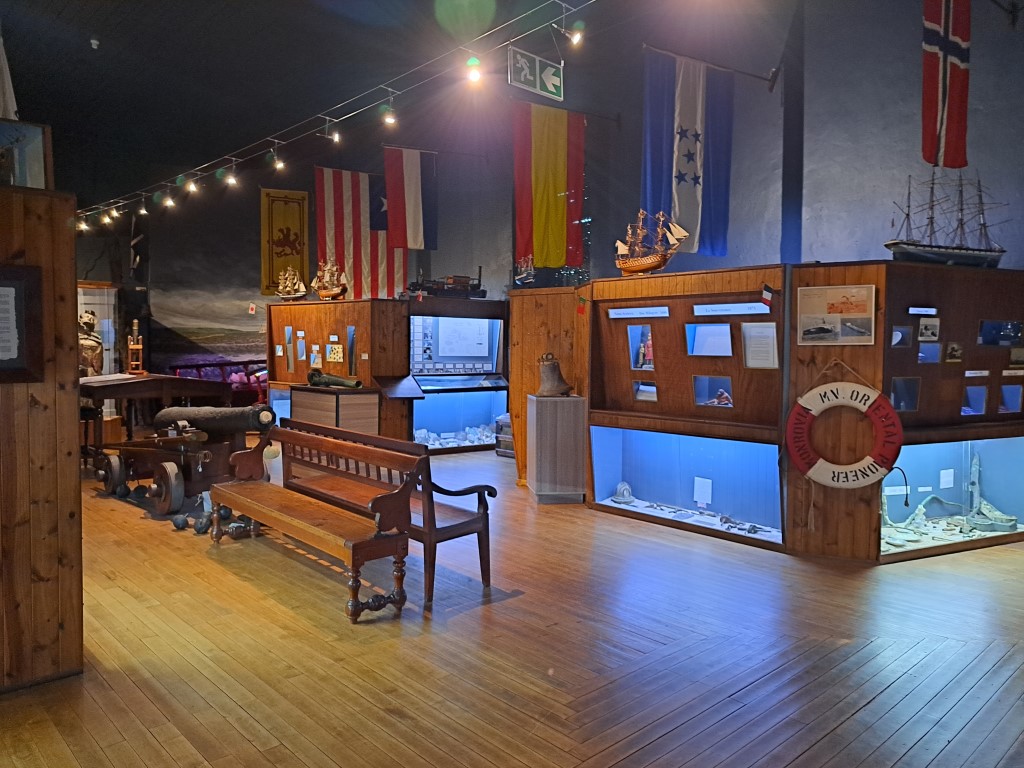
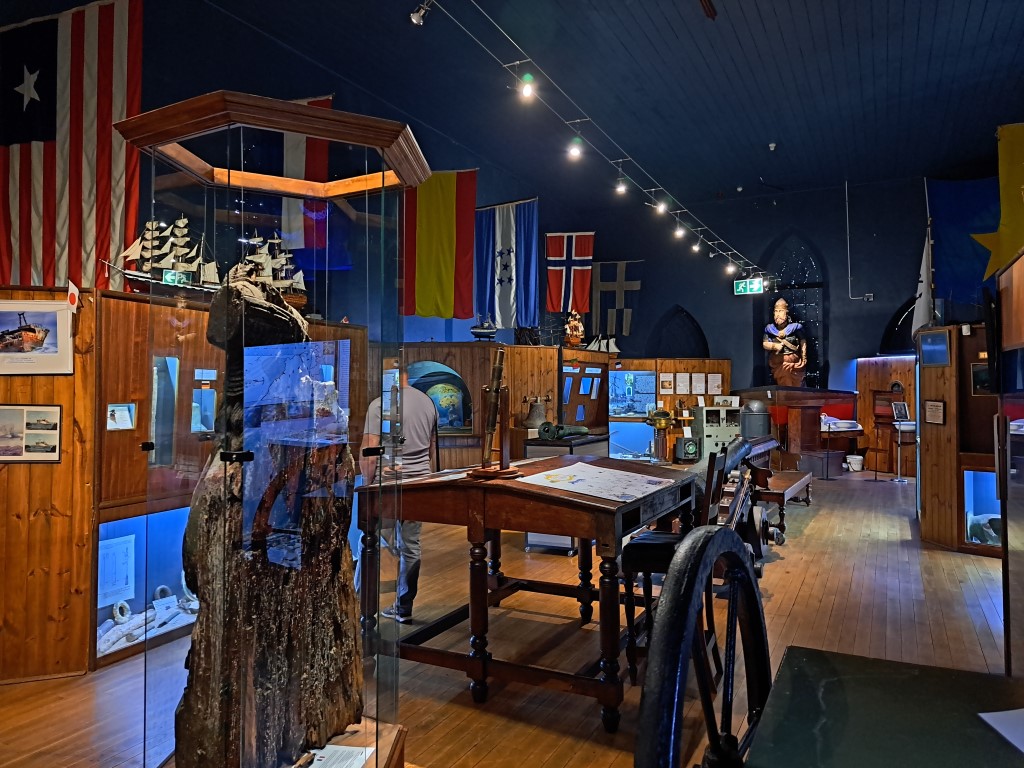
Exhibition hall in the Shipwreck Museum
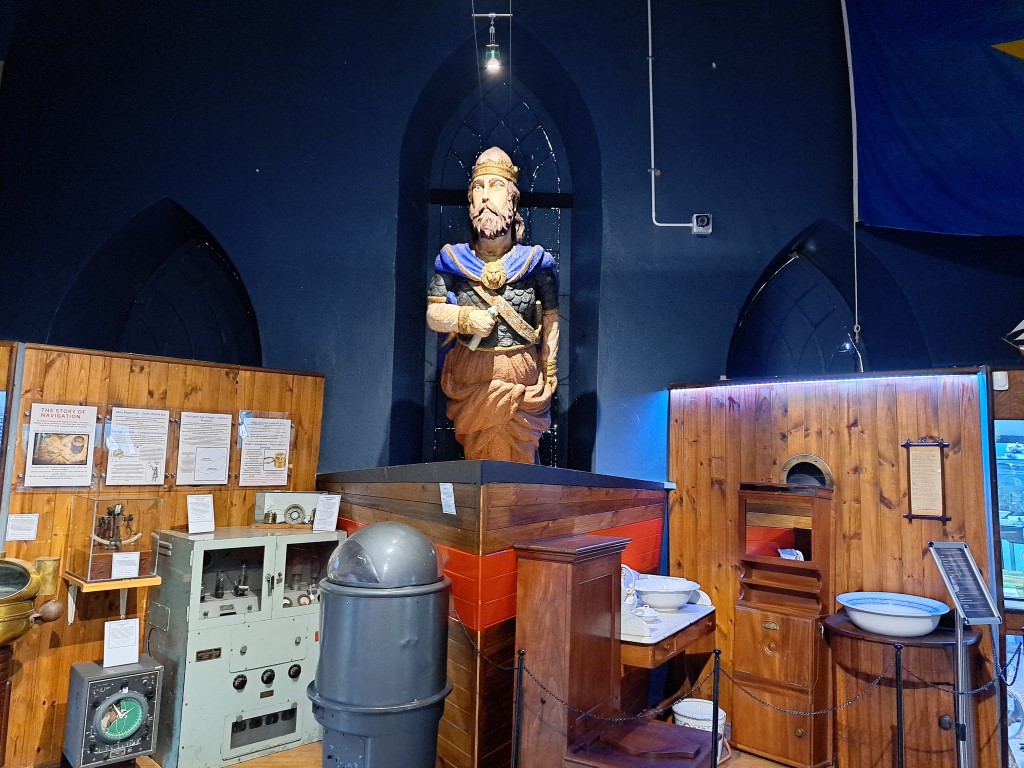
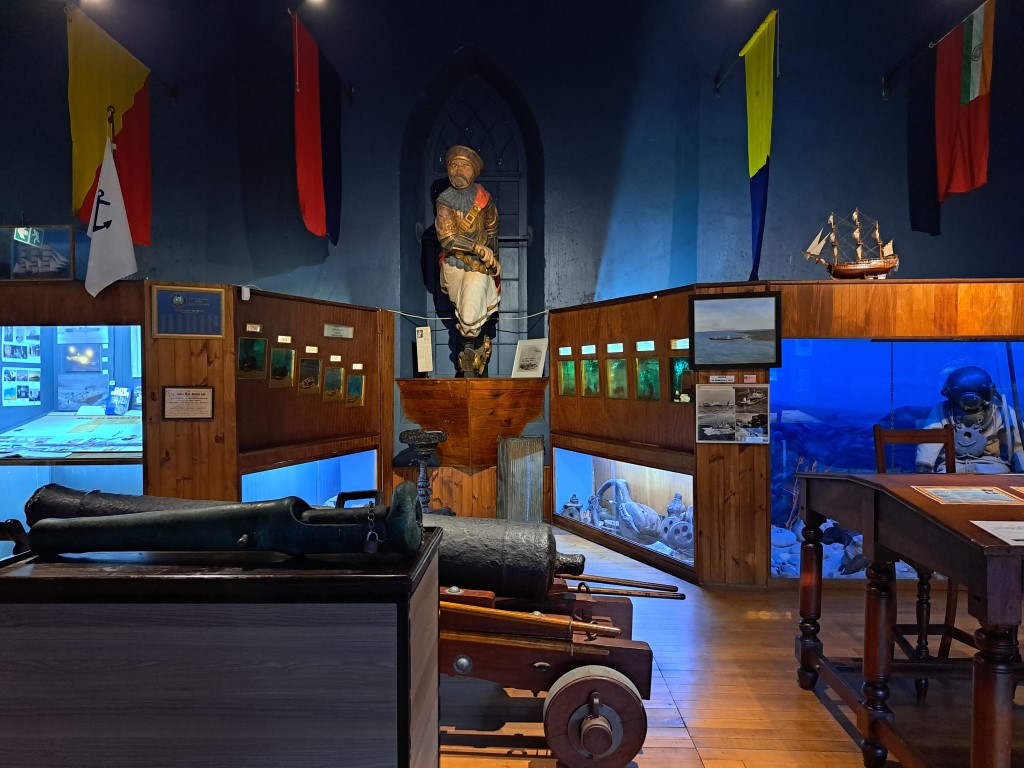
Exhibition hall in the Shipwreck Museum
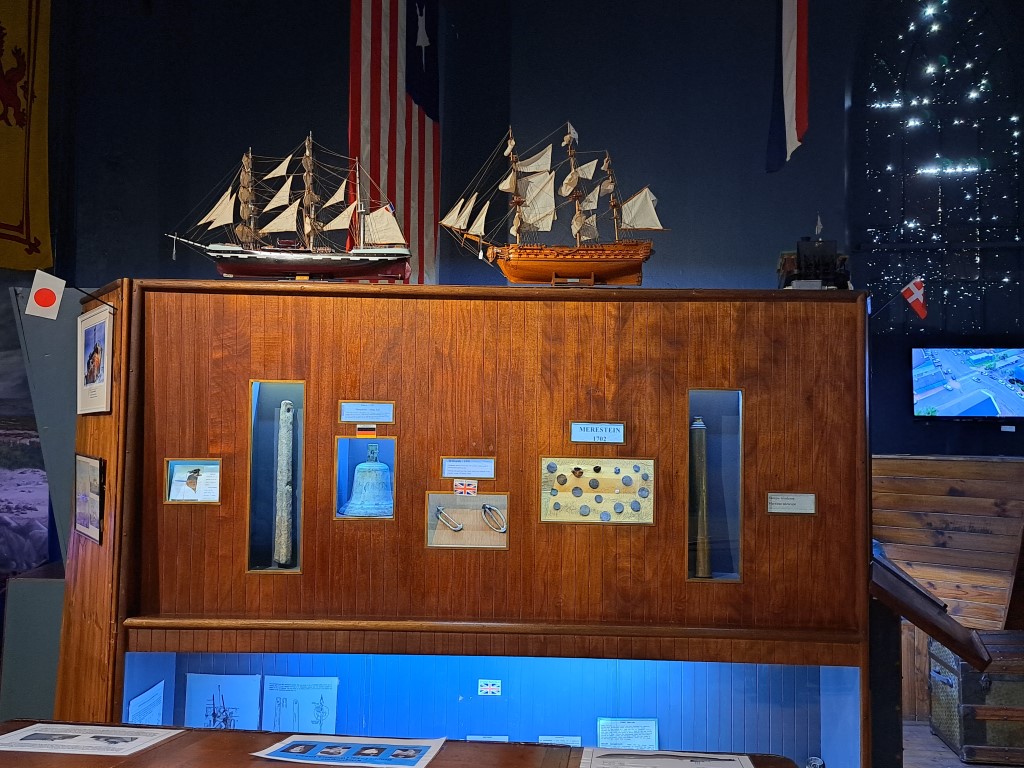
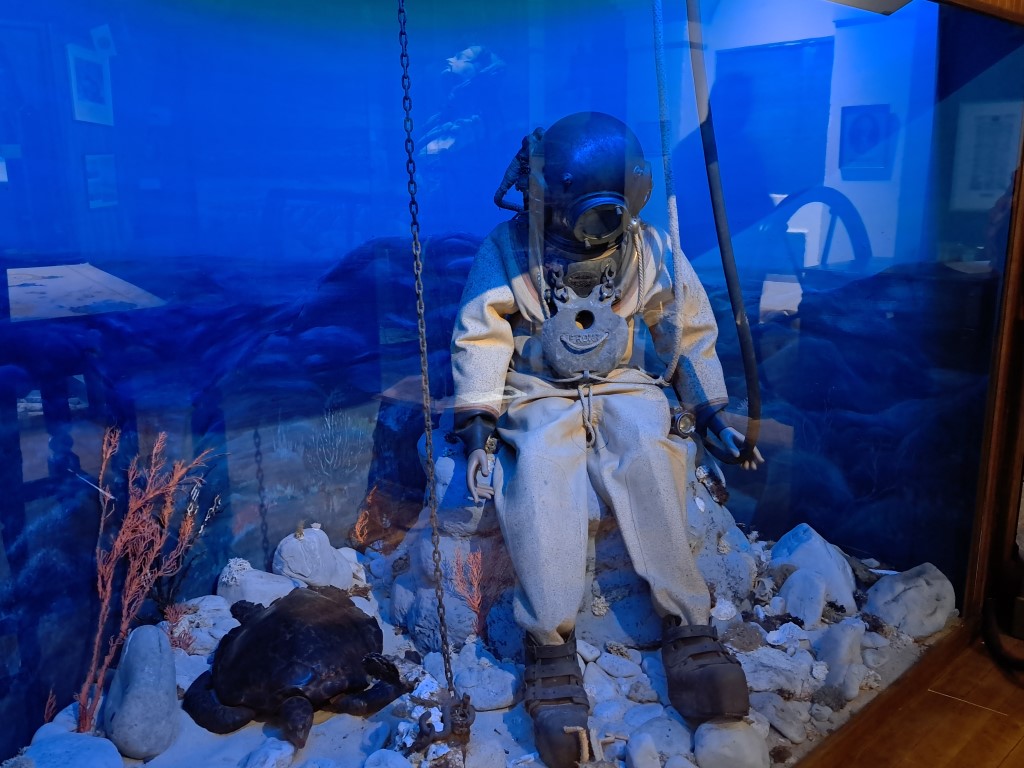
Exhibitions
There are quite a few exhibitions of shipwrecks, such as the:
- ‘Birkenhead’ (British iron-hulled steamship/frigate that sank in 1852),
- ‘Queen of the Thames’ (Australian iron screw vessel/sailing ship that sank in 1871),
- And the more recent ‘Meisho Maru 38’ (fishing vessel/trawler that sank in 1982).
- However, we wanted to read more about the shipwreck, the ‘Arniston’ – which is a very sad story – although, aren’t most shipwrecks infused with sadness?
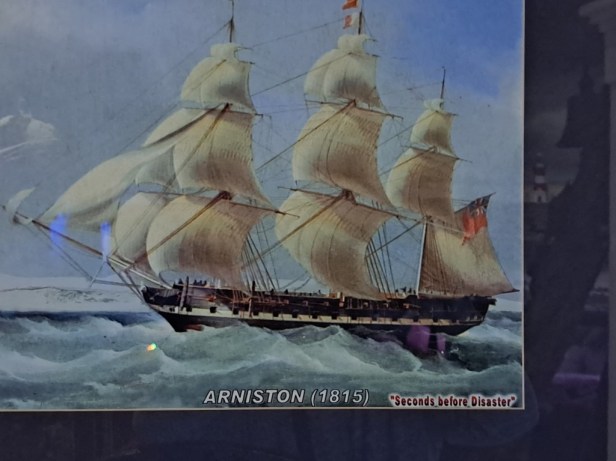
Arniston
The Arniston was a British East Indiaman that made eight voyages for the East India Company (EIC). She was underway from Ceylon to England on a journey to repatriate wounded soldiers from the Kandyan Wars. However, during a storm on 30 May 1815 at Waenhuiskrans (as Arniston was known then), she sank with the loss of 372 lives – only six on board survived.
The six men who survived (the ship’s carpenter and five sailors) reached the shore with great difficulty through the high surf. They buried the bodies that had washed up on the beach and for six days they survived on a cask of oatmeal, before being discovered by a farmer’s son and taken to Cape Town.
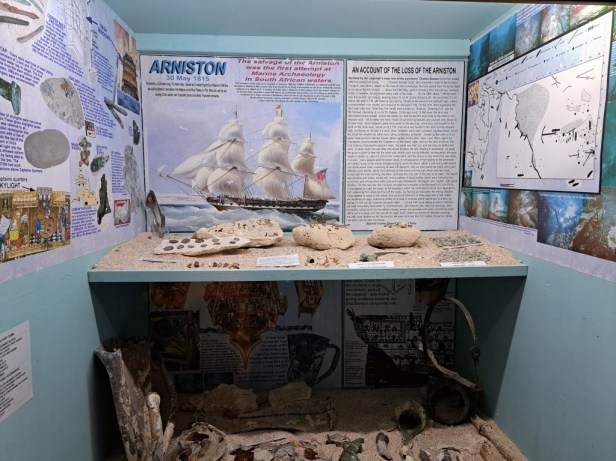
The Arniston story (and some of the artefacts found)
It was sad to read about the four young brothers who lost their lives during this tragedy. The boys, who were 13, 10, 8, and 7 respectively, had visited their father, Colonel Andrew Geils, in Ceylon and were on their way back to England under the supervision of Lord and Lady Molesworth. A memorial was erected by the wife of Colonel Andrew Geils (and the mother of the four boys) on the beach near the place where the Arniston sank.
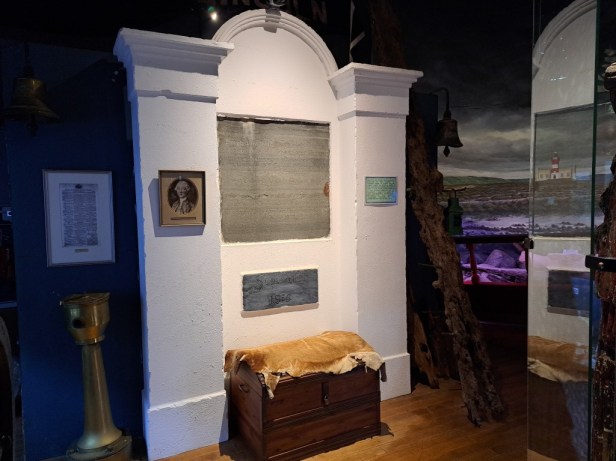
Memorial for the four brothers who lost their lives when the Arniston sank
Across from the Arniston Hotel & Spa and near the rocks, we found a replica of this memorial where it has been erected.
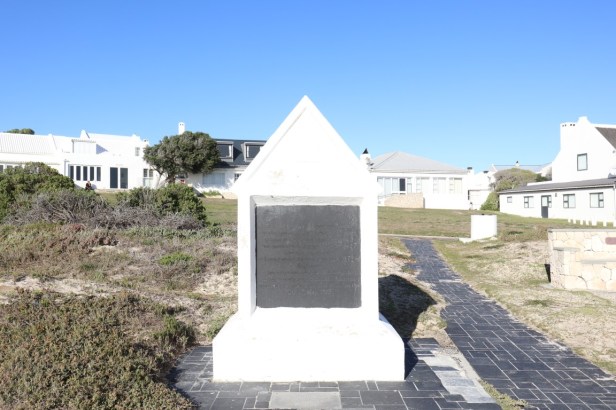
Replica of the memorial in Arniston
The navigation display was very interesting. When one looks at these instruments used in previous centuries, it is almost understandable why so many ships sank (and probably more surprising that not more ships were lost).
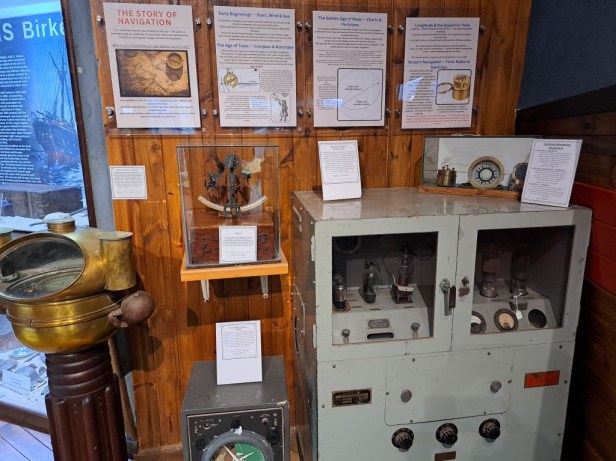
Navigation display
There is a huge collection of artifacts that were salvaged from all these ships – cannons, figureheads, coins, photos, furniture, and even an entire dining room set.
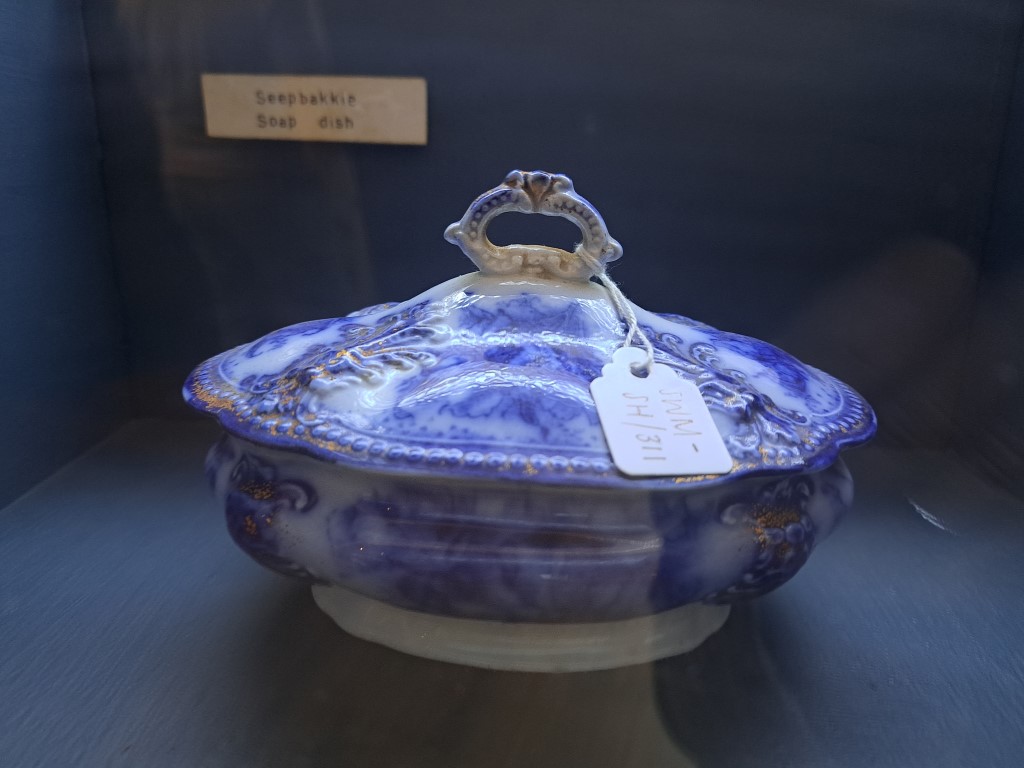
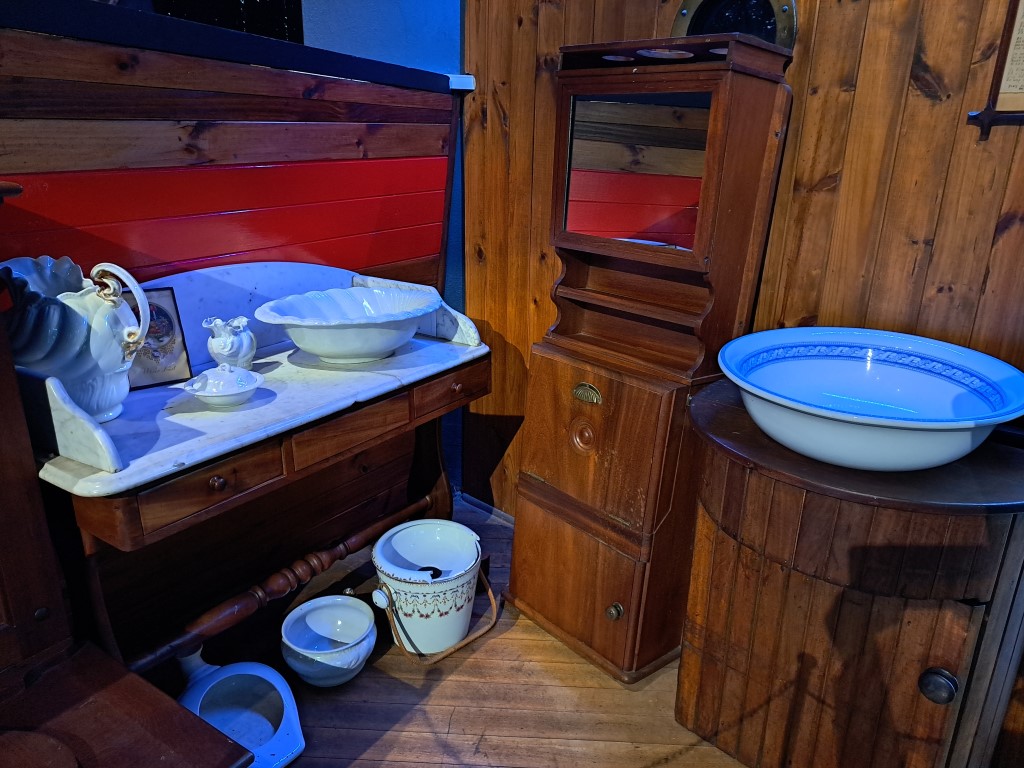
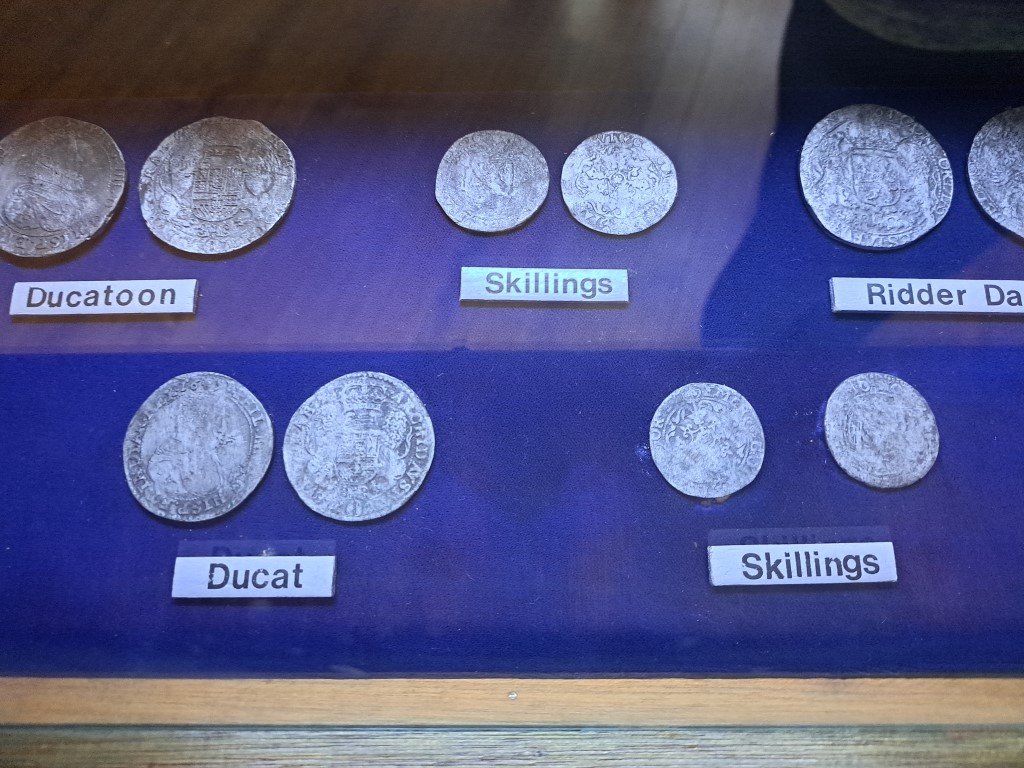
Salvaged artifacts
Just before we left this hall, we saw a beautiful painting of the Lighthouse at Agulhas. This lighthouse was built in 1848 and is the second oldest working lighthouse in South Africa. But wait, I’m getting ahead of myself now, because we’re going to pay a visit to this lighthouse in our next post.
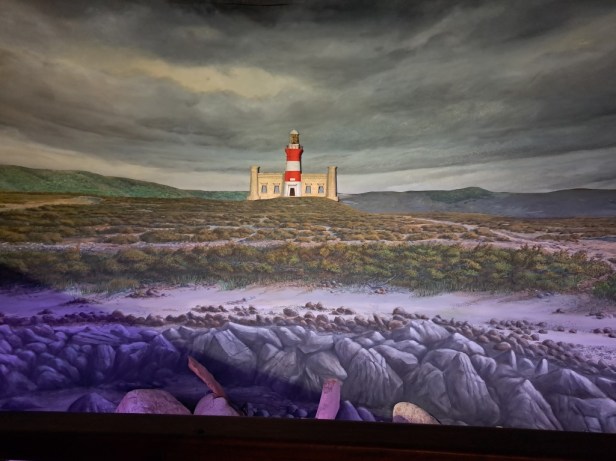
Painting of the Lighthouse at Agulhas
The museum is housed in a beautifully restored building that was originally an Anglican rectory, built in 1838. One of the adjoining buildings has been transformed into a house, providing a glimpse into the lives of those who lived through these historical events.
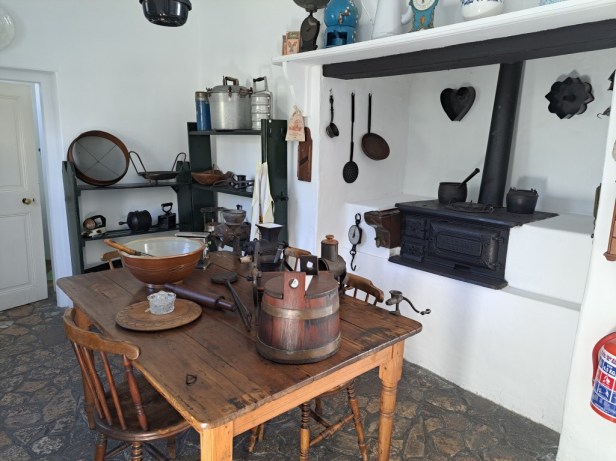
Old kitchen
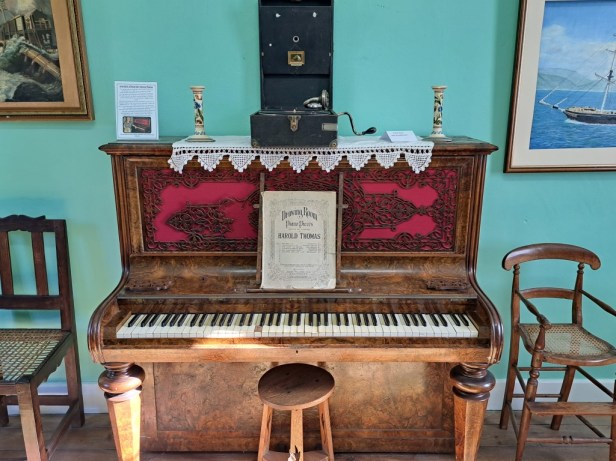
Music room
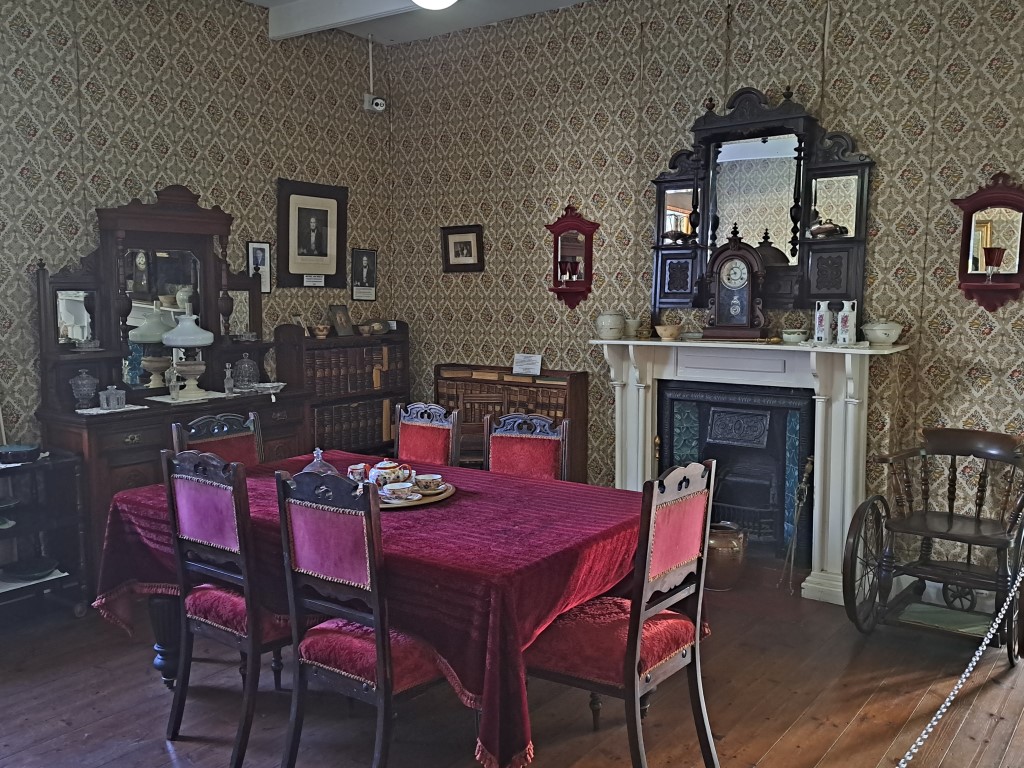
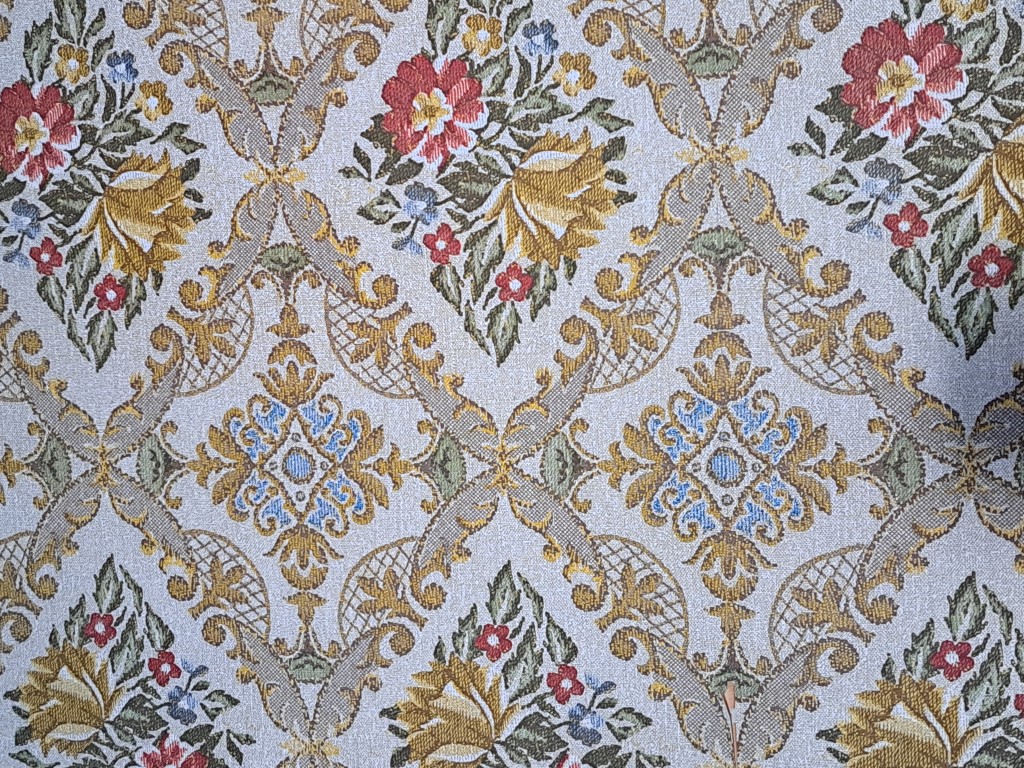
Dining room with beautiful wallpaper
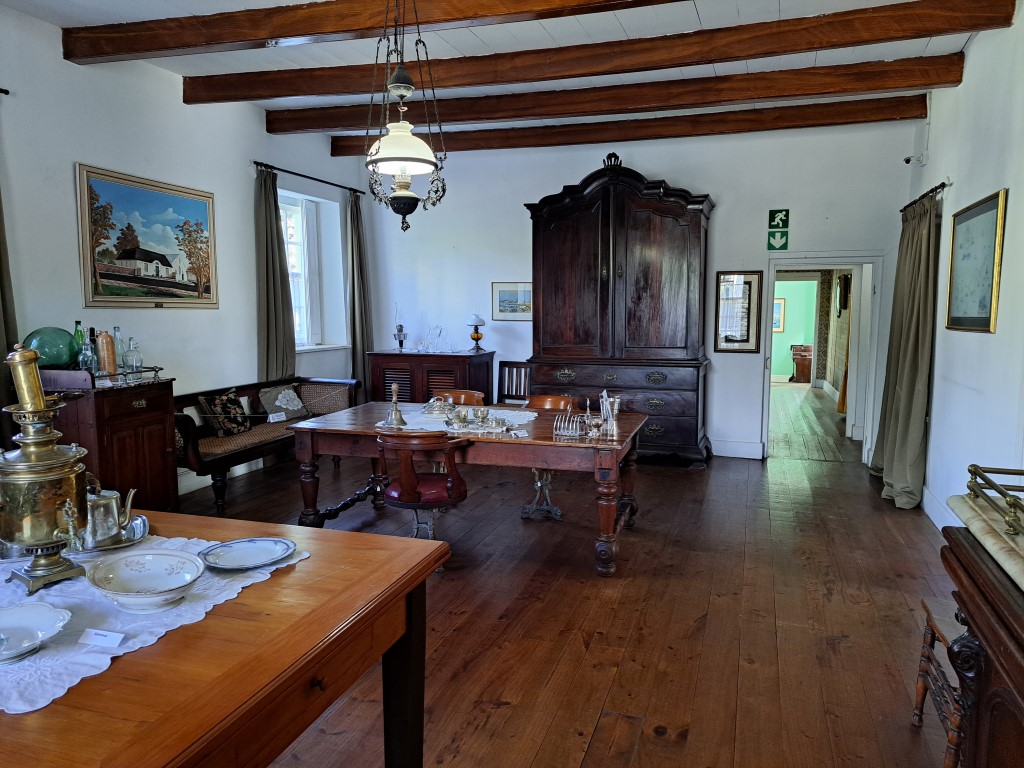
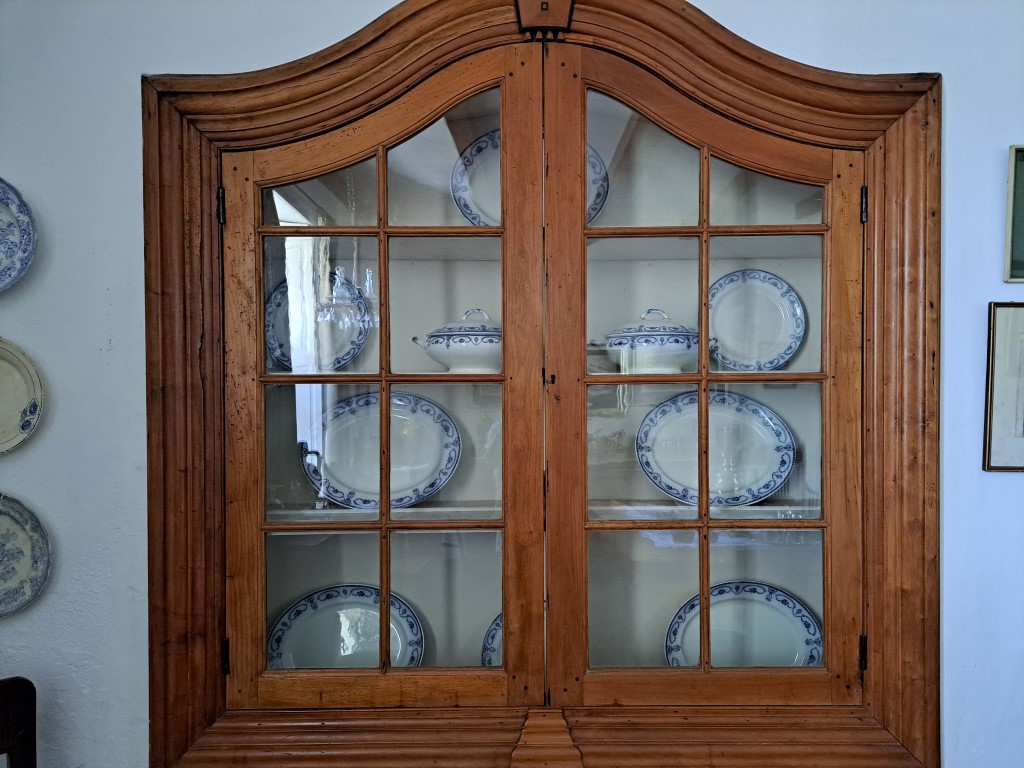
Another dining room and lovely sideboard with dining room set
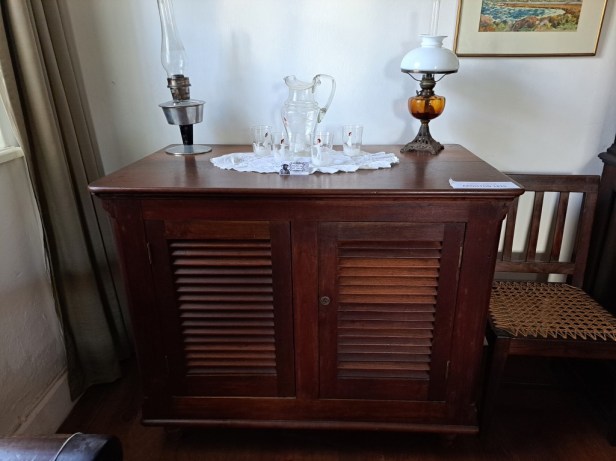
This cabinet was on the Arniston that sank in 1815
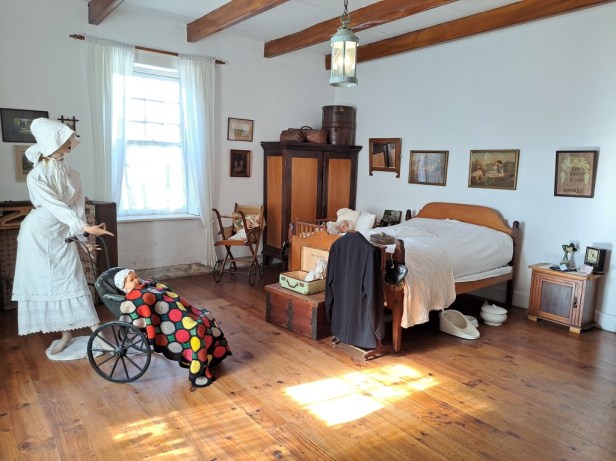
Bedroom
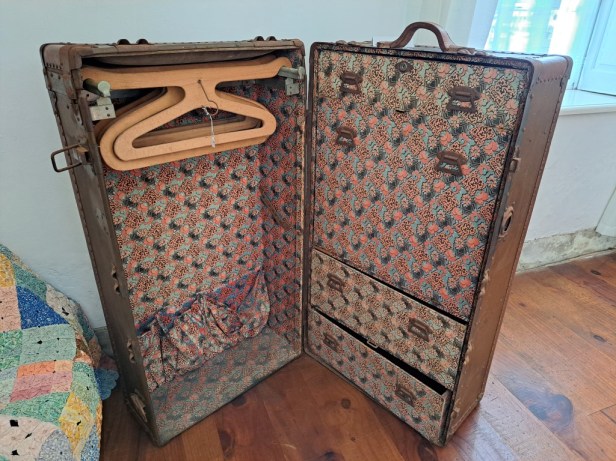
Suitcase (very practical, but maybe a bit too big to travel with nowadays)
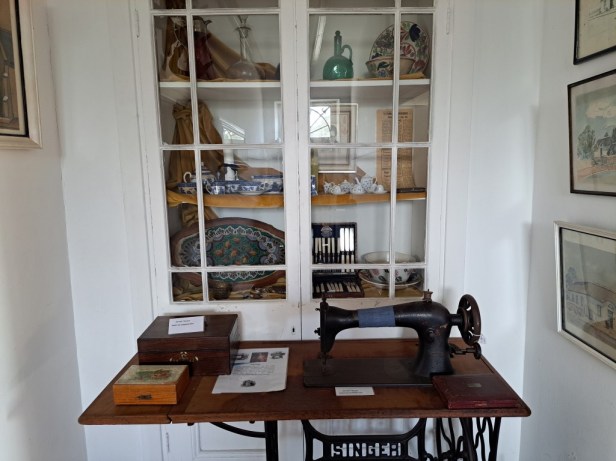
Old sewing machine
From here, we walked through the museum’s garden to two more buildings. In one, items from bygone years are on display, and in the other were a couple of historic vehicles.
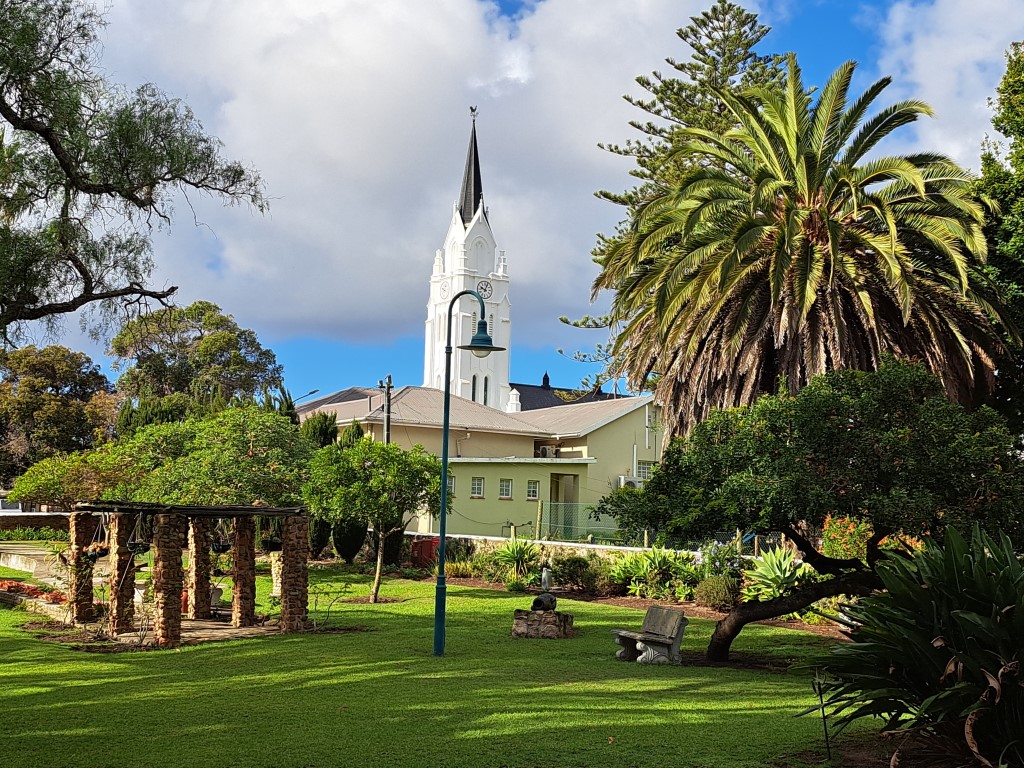
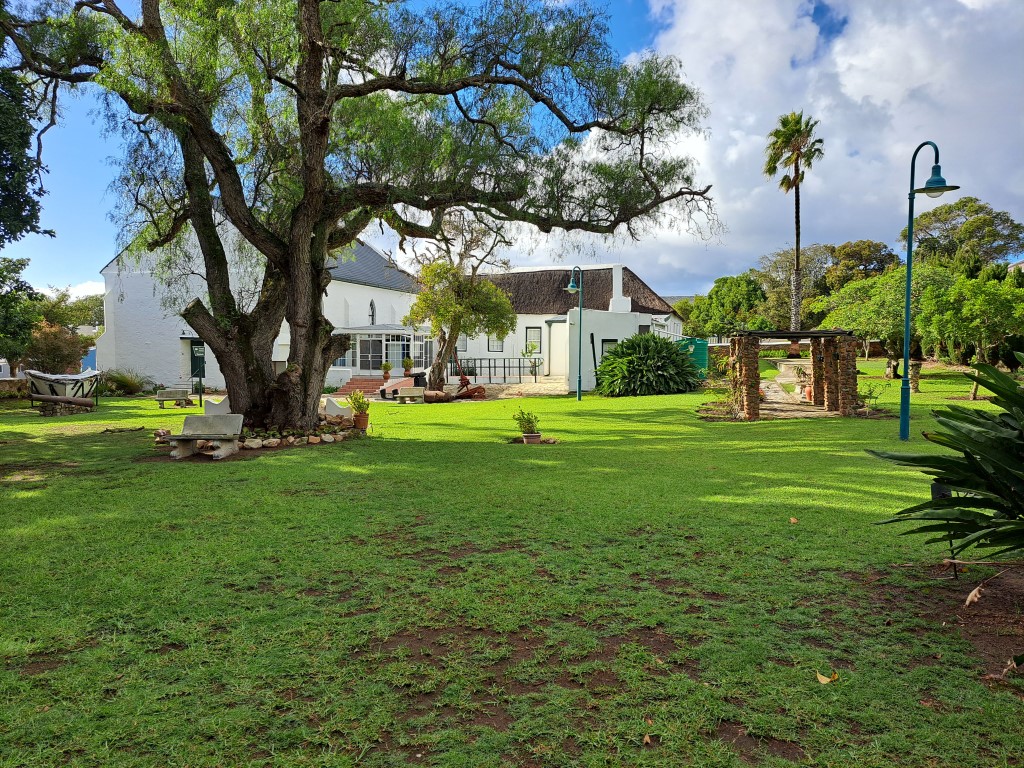
Garden at the Shipwreck Museum
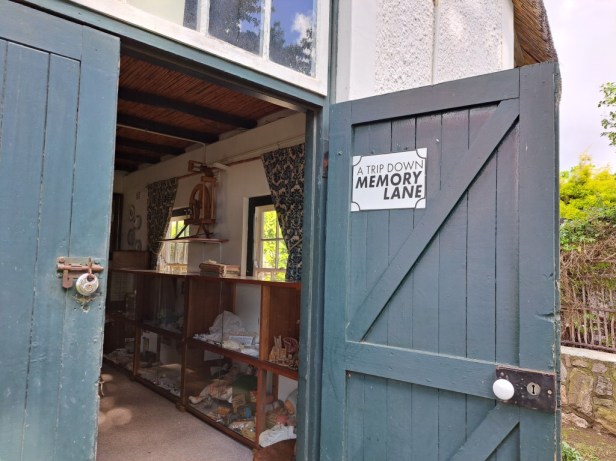
Vintage room
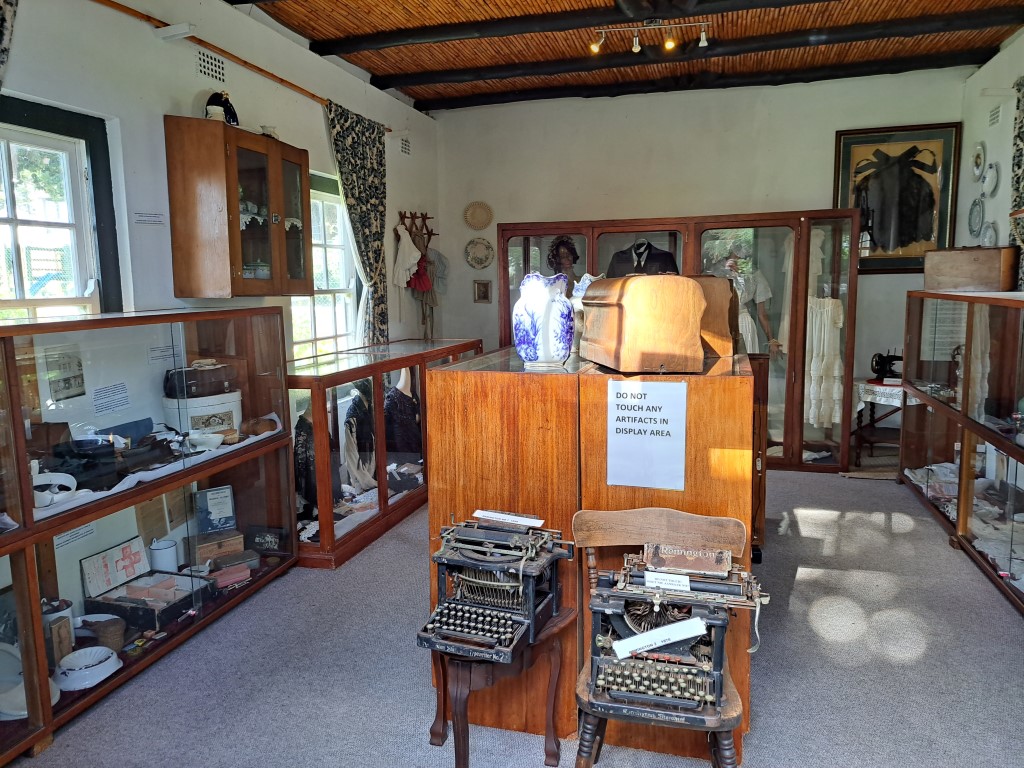
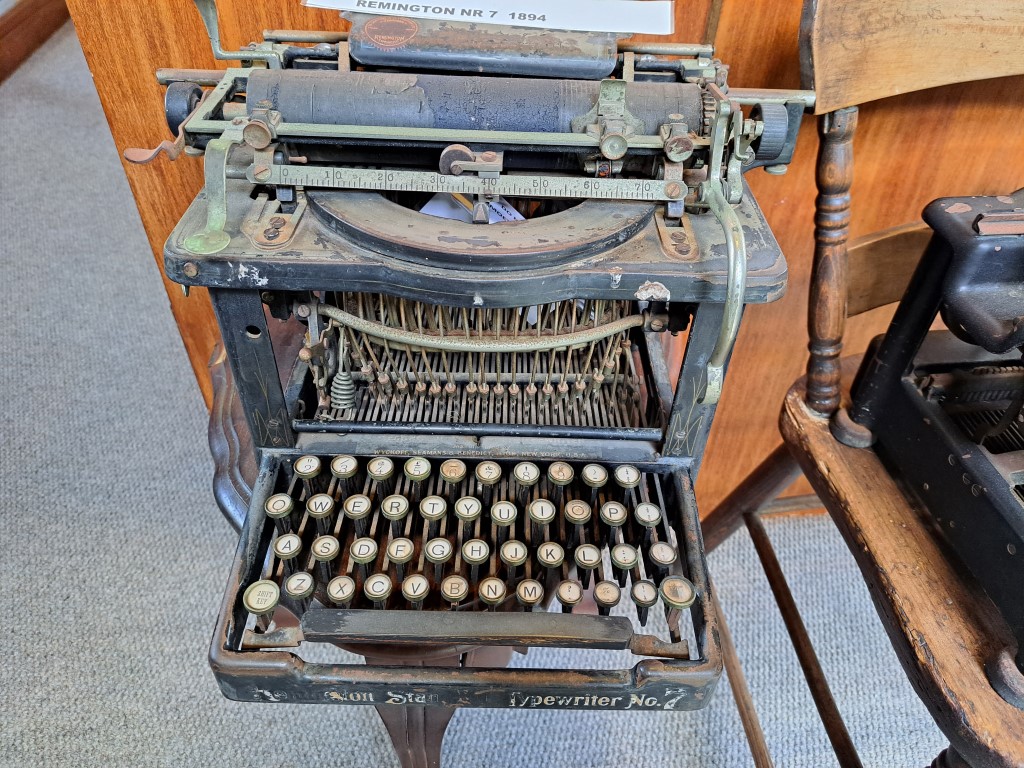
Imagine typing a blog post on one of these typewriters
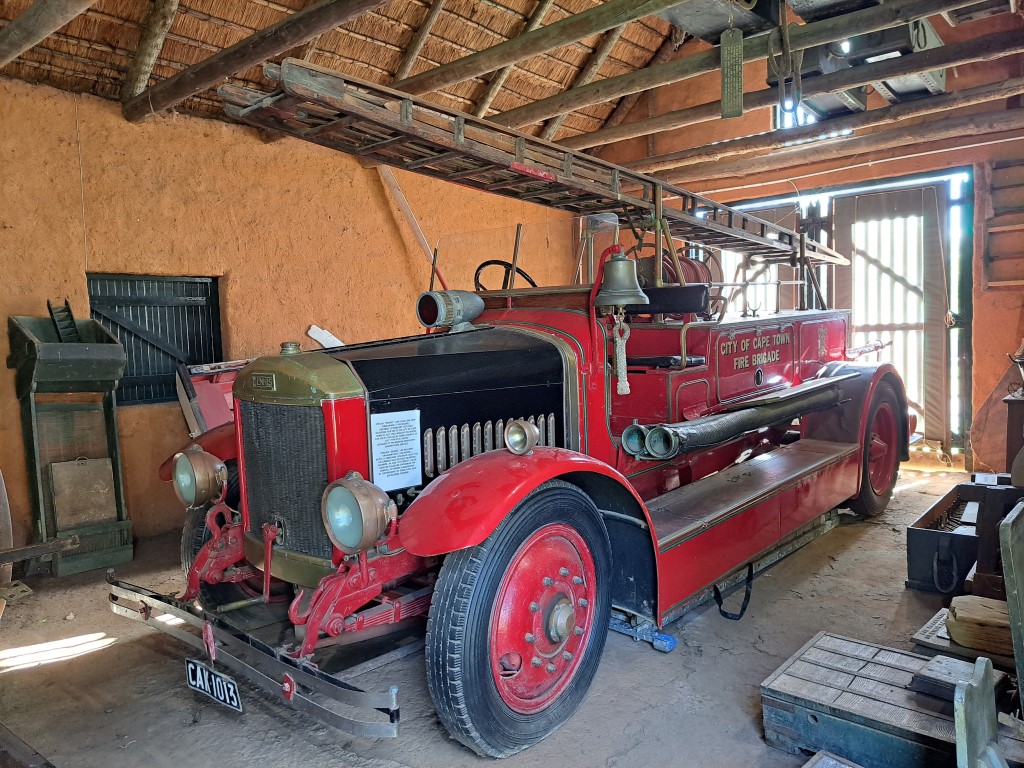
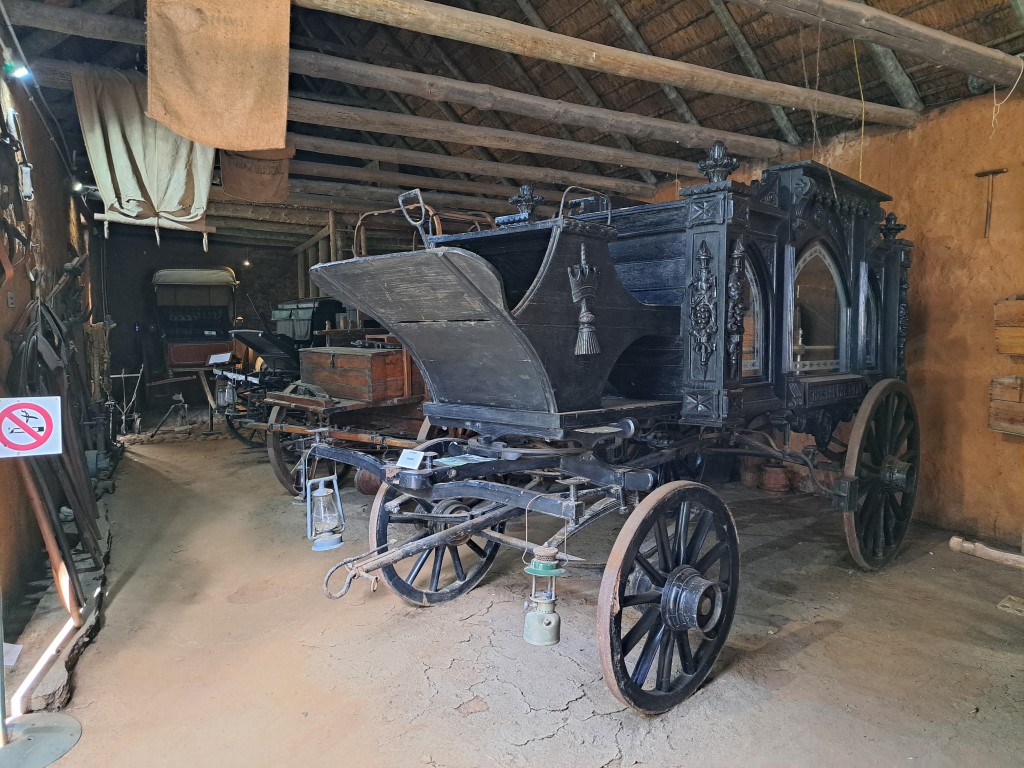
Fire truck and hearse
There is a wonderful tranquillity in the museum’s garden, and it’s also here that we found a prominent tree, surrounded by a collection of old anchors from various ships. This was a good place to just stand quietly for a moment and remember all the old sailors for their bravery in venturing to explore new worlds while having to face the mighty oceans.
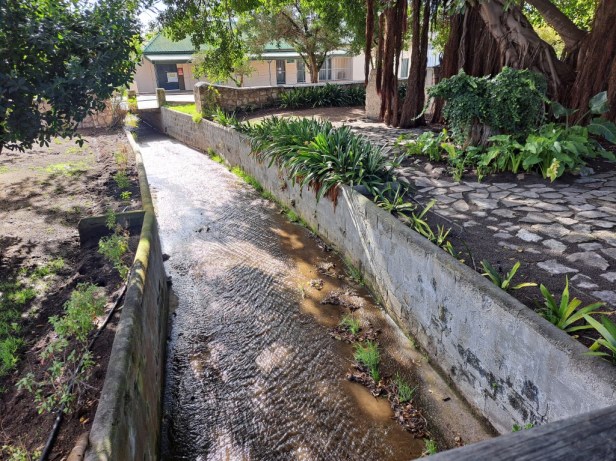
Calm stream and bridge in the museum’s garden
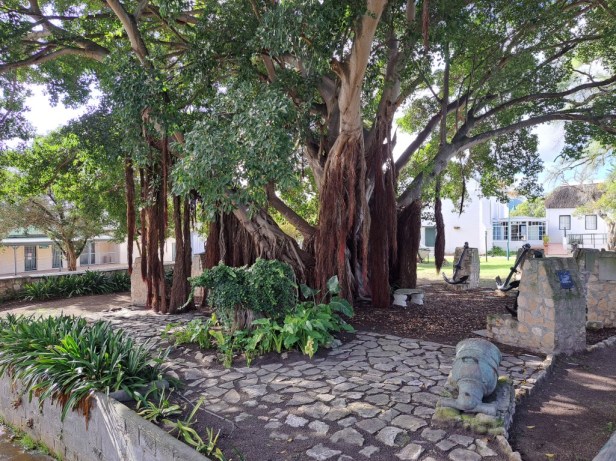
Big tree in the museum’s garden
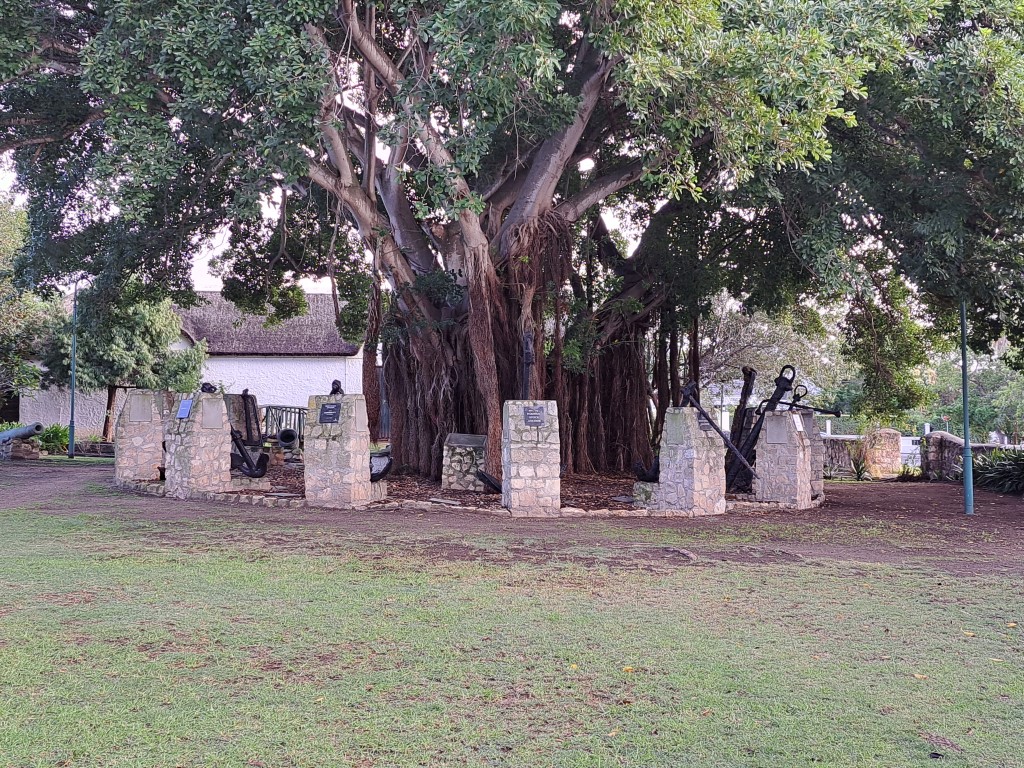
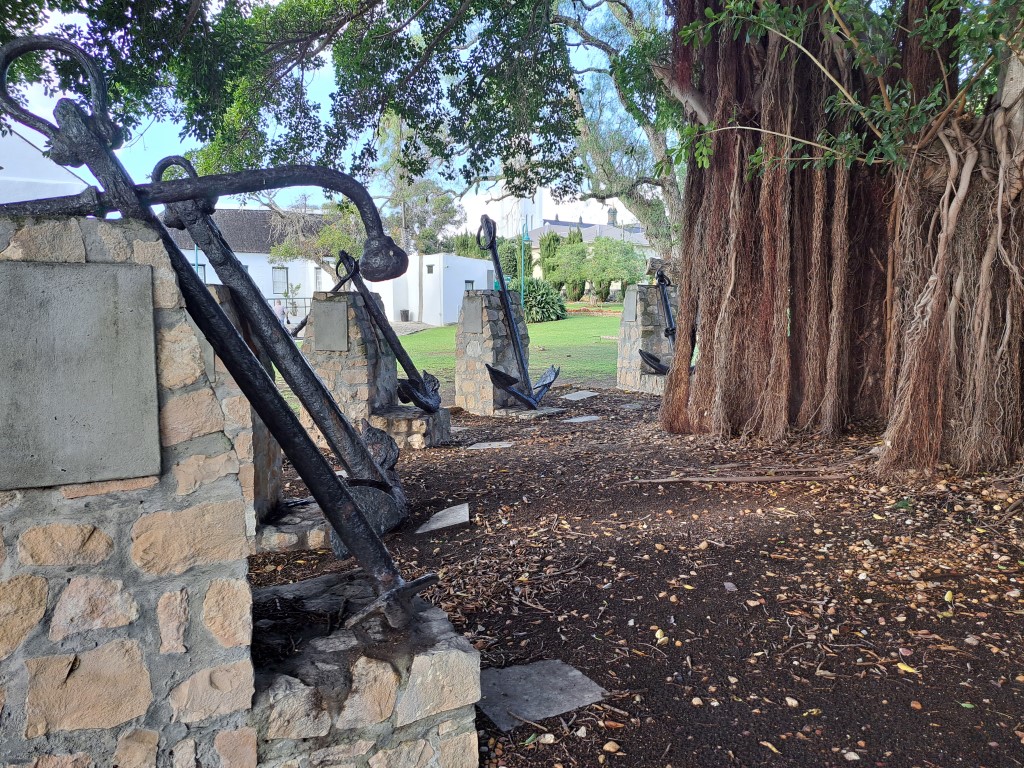
Old ship anchors
Just before we left the garden, we saw a small sign on the ground with the wording: ‘Bredasdorp, the southernmost station in Africa’ (I don’t think trains still run to Bredasdorp – that’s probably why the sign is in the museum).
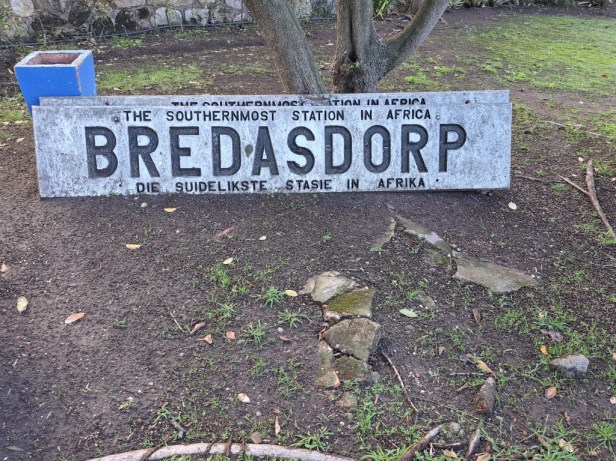
Whether the trains are running or not – it’s still the southernmost station in Africa
Bredasdorp may be a small town in the Overberg area, but it’s a place you definitely should not miss – especially if you want to see a very interesting shipwreck museum.


The Shipwreck Museum sounds fascinating and it’s interesting to hear that the village of Arniston was named after one of the ships, even if it was a sad story. Love that old suitcase! You’re right, it’s probably waaay to big and bulky to travel with.
LikeLiked by 1 person
There is so much information about all the shipwrecks off the coast of Agulhas – I was very impressed with this museum which isn’t even really that well known. I think the reason why Arniston got the name of the lost ship is probably a way of the locals to pay tribute to all the people who perished with the Arniston. Just think how much you can fit in that big suitcase – I’m sure all of little M’s clothes and toys will fit in here 😁.
LikeLiked by 1 person
What a wonderful museum. I agree about shipwrecks – it is very sad to see a ship sink and particularly poignant when several family members are lost. It is unimaginable what that poor mother must have felt. Sailing the high seas was indeed perilous. Those ships were beautiful, though, unlike the monstrous modern cruise ships! You did well walking so much while still suffering with your spine. I enjoyed seeing your excellent photographs.
LikeLiked by 1 person
I don’t really like being at sea (but I remember you and your mum were on a couple of voyages to various destinations, right?). I agree, the ships from those years were beautiful – today’s cruise ships look more like a big shopping mall 😉. Shame, I think that mother’s heart was in pieces over her four young sons.
On our visit at the museum my back was sore, but not too bad … it was when we visited the southernmost point of Africa afterwards that I hurt it again. And like they say: ‘That was the final nail in the coffin’.
Thank you Carolyn, I’m glad you enjoyed the photos!
LikeLike
The museum sounds fascinating, if rather sad, but what I think I would enjoy even more is the house! And that building with items from bygone years would be fun to poke around in – although it can be a little disconcerting to see things you remember from your childhood today labelled as ‘history’ 😆
LikeLiked by 1 person
Absolutely, the house was very interesting. Many of the items here come from shipwrecks – it just makes it all the more fascinating. Haha 😁, you’re right Sarah, I also recognised quite a few items in the shed and wondered why they are labeled as ‘coming from bygone years’ … I don’t realise I’m getting older until I step into places like this!
LikeLiked by 1 person
The museum looks very interesting. Tragically, there have been, and probably always will be, shipwrecks in the treacherous waters around the globe. How tragic for the parents of those four boy; I can’t fathom the extreme grief they must of experienced. Thanks for sharing, Corna, and I hope you’re feeling better!
LikeLiked by 1 person
We really enjoyed visiting the museum. All the detail about the shipwrecks was so interesting (and also to see the furniture and the complete dining room sets recovered from the shipwrecks). Yes, it’s a sad story about the four young boys – I can’t imagine how terribly hard it must have been for the parents. You know, it has been very difficult over the past few weeks not to be active, but I can finally say that I feel much better (patience has paid off 😊). Thank you Tricia.
LikeLiked by 1 person
I’m glad to hear you’re feeling better; it’s so hard to be in pain. Interestingly, we took a speed boat tour this morning in Montenegro and saw several sunken ships on the tour.
LikeLiked by 1 person
Dit is ‘n besonderse museum en goed onderhou. Jou foto van die pad tussen Bredasdorp en Waenhuiskrans vul my met heimwee.
LikeLiked by 1 person
‘Goed onderhou’ – ek dink dis wat die meeste Suid-Afrikaners sal opval (en ek’s so bly daaroor). Ek het soveel foto’s van daardie pad geneem – na die reen was alles so mooi skoon gewas. Daar is maar net sekere paaie wat ietsie aan ons hart en siel doen, of hoe?
LikeLiked by 1 person
Toortsie en Seegogga het my in daardie geweste onthaal:
LikeLiked by 1 person
Ag Tannie Frannie, dis nou ‘n mooi storie om so vroeg in die oggend te lees! Die wonderlikheid van goeie vriendinne! En hoe ironies – toe ons die mees suidelike punt van Afrika besoek het, het die son ook nog een oomblik geskyn en toe, sommer so uit die niet, verskyn daar ‘n sagte reënbui. Ek skryf op die oomblik aan hiedie storie om Vrydag op ons blog te verskyn … dit gaan dalk nog heimwee bring🌷🌷.
LikeLiked by 1 person
Sien uit daarna!
LikeLiked by 1 person
I would enjoy a visit to this museum, I find sea travel fascinating – it is crazy to us today how long and dangerous voyages were back then. How sad about the 4 brothers who lost their lives, how scared they must have been. That poor mother and father!!
LikeLiked by 1 person
I would have been a very bad seafarer if I’ve lived in the earlier centuries – I get seasick so easily that no voyage would have been a pleasure for me. Yes, the story of those 4 young brothers really touched me – how incredibly sad it must have been for their parents.
LikeLike
Sounds like a good museum and the history is very interesting.
LikeLiked by 1 person
We really enjoyed the museum. There are so many shipwrecks on the Agulhas coast that it needs to be told somewhere, and we were very happy to find this in the Shipwreck Museum in Bredasdorp. Thanks for taking the time to read and comment our last couple of post – it’s much appreciated.
LikeLiked by 1 person
What an interesting musuem. Sad stories, but good that they’re being told. Hope you’re feeling better. Maggie
LikeLiked by 1 person
I really enjoyed this museum. The story of the 4 young brothers who perished with the Arniston was moving, but it was also amazing to see some of the stuff on display in the house that came from the shipwrecks. I feel much better, thank you Maggie (that physio worked wonders … and maybe my patience too 😊).
LikeLiked by 1 person
This museum sounds so interesting! Every time I see an old ship (or replica of one), I’m amazed that any of them every managed to get anywhere without sinking. In addition to their lack of technology, they all seem so small and fragile.
LikeLiked by 1 person
It’s exactly for the reasons you mention here in your comment that I found the museum so fascinating, Diana! I would have been a very skeptical seafarer on these ships.
LikeLiked by 1 person
Fascinating. They were a hardy bunch back then. Mel
LikeLiked by 1 person
Indeed. I think I would have rather hiked than get on one of these ships … and when I reached the ocean, I would turn around and walk back 😁.
LikeLiked by 1 person
🙂 – fair enough! No high seas for you!
LikeLiked by 1 person
Lovely to read about my own neck of the woods. We used to take our two grandsons and their four friends to the maritime museum each time we brought them to Struisbaai for a holiday. (We now live in Struisbaai) The Meisha Maru also held great fascination for them.
LikeLiked by 1 person
When we left the museum, the first thing I said to Berto was that I’m sure kids will enjoy this museum a lot. You live in Struisbaai? My next post is about Struisbaai and Agulhas. You are lucky to live in such a beautiful (and clean) town.
LikeLike
Ek staan in verstomming oor al die mooi fotos, Corna. Wat ñ museum!! Die storie van die vier boeties en die skip is hartseer, en mens besef weereens hoe wos daardie waters is. Pragtige interessante blog, dankie daarvoor.
LikeLiked by 1 person
Baie dankie Una, ek’s so bly jy het ook die toer van die Skeepswrak Museum geniet – dit was regtig besonders om hier deur te stap. Ja, die oseaan is wild en net die idee dat skepe gebou uit hout en met bol seile hierdie waters ‘n paar honderd jaar gelede aangedurf het, laat my in verwondering staan oor hulle hoe braaf die seevaarders was. Die storie van die vier boeties het my regtig aangegryp – daardie arme ma en pa moes ‘n verskriklike hartseer beleef het.
LikeLiked by 1 person