Short road trips to neighbouring towns
While we think Langebaan is one of the most beautiful coastal towns on the West Coast (yes, we are biased), there are a few other neighbouring towns that are also worth a visit. And the good news is that they are all within a radius of 15 – 60 km/9 – 37 miles.
In this post, we will list a few places we have visited before. Some of these are not towns, but favourite camping spots, and there are a few towns that we do not mention here, as we are only focusing on the coastal towns. Well, except for two very interesting places, but there is a reason for that (which we will reveal at the end).
For example, we have not even mentioned Vredenburg (a lively town on the West Coast), as well as *Velddrif, *Laaiplek and *Port Owen (beautiful villages that are certainly worth a visit). Maybe we’ll do separate posts on these towns later.
*Update – July 2024: As promised, we have done a separate post on Velddrif, Laaiplek and Port Owen – if you want to read more about these places, click here.
Let us start with the farthest village north of Langebaan:
Paternoster – 38km/23 miles from Langebaan:
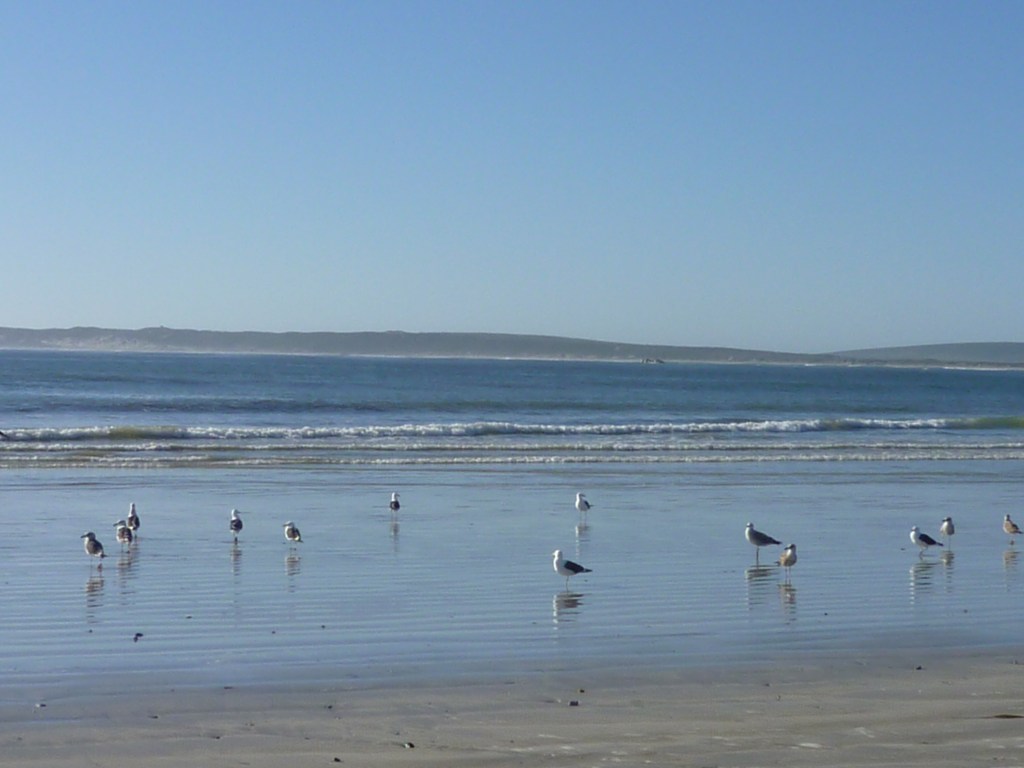
Paternoster is one of the oldest fishing villages on the West Coast of South Africa. The origin of the name remains unknown. Some people believe that the name, which mean “Our Father” in Latin, refers to prayers said by Catholic Portuguese seamen when they became shipwrecked.

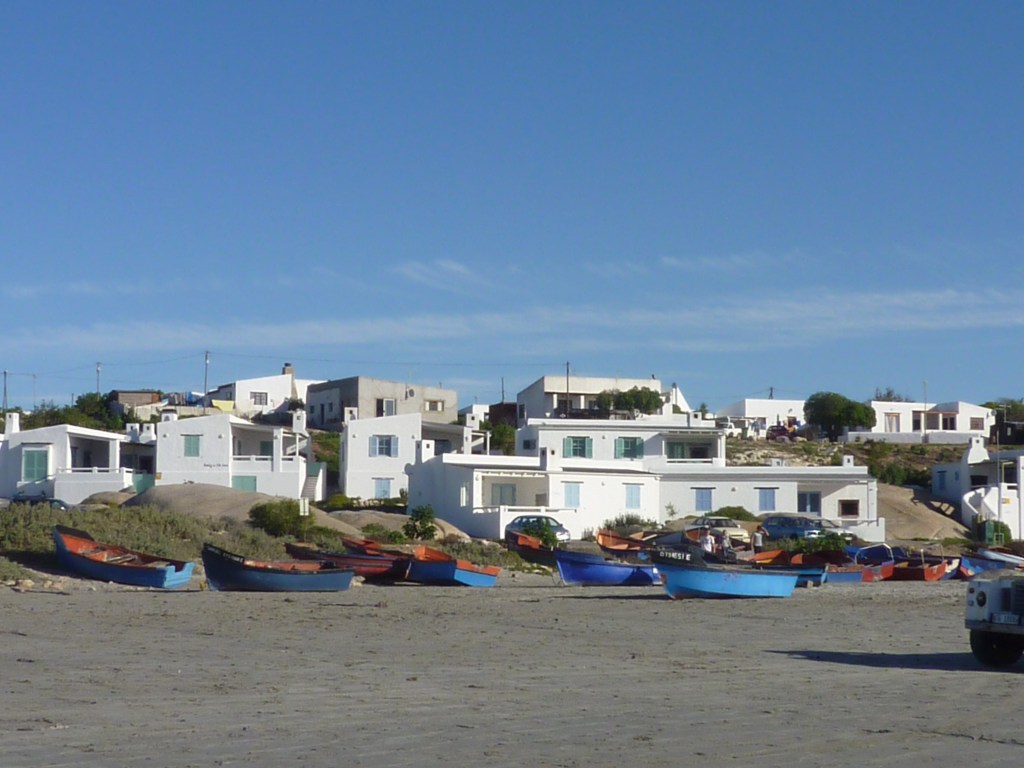
Although Paternoster is quite small (their population is around 2,500), it is a sought-after tourist destination – known for its crayfish and the white-washed fishermen’s cottages.
Tietiesbaai – 45km/28 miles from Langebaan:
When you mention the name Tietiesbaai in a polite conversation, some people may raise their eyebrows. It is said that the name (which has never been translated from Afrikaans to English) originally comes from two large rocks that slightly resemble a pair of breasts. However, there is also another version that states it is named after the Frenchman Jacques Titius, who was a colonial trader on the West Coast.
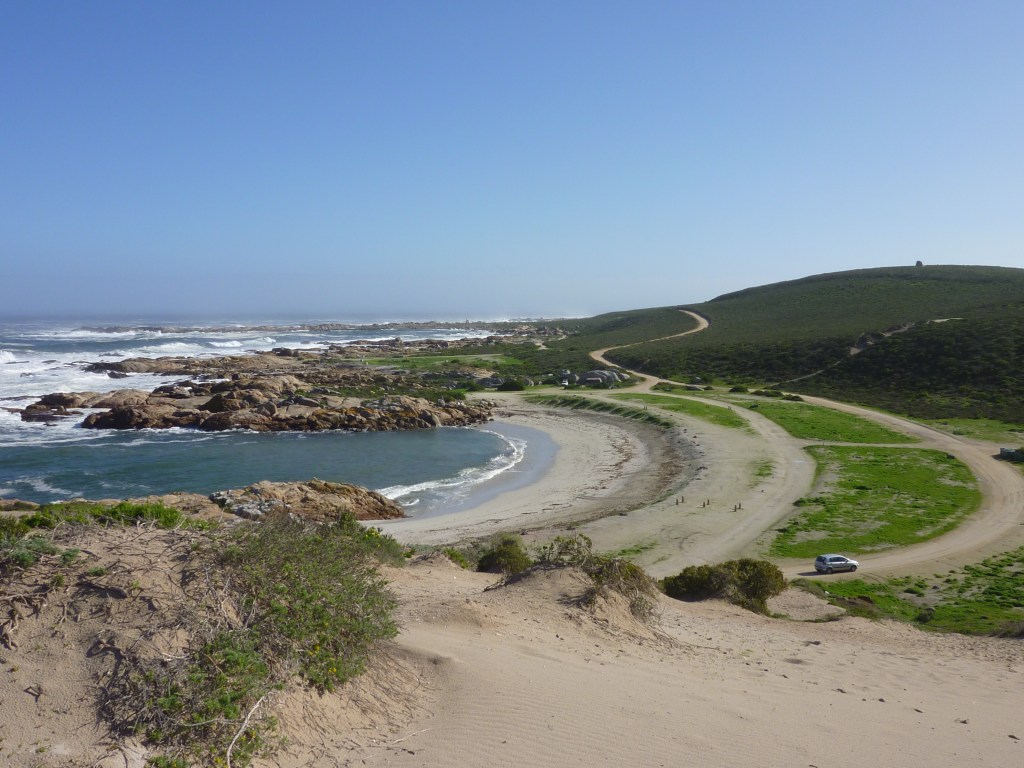
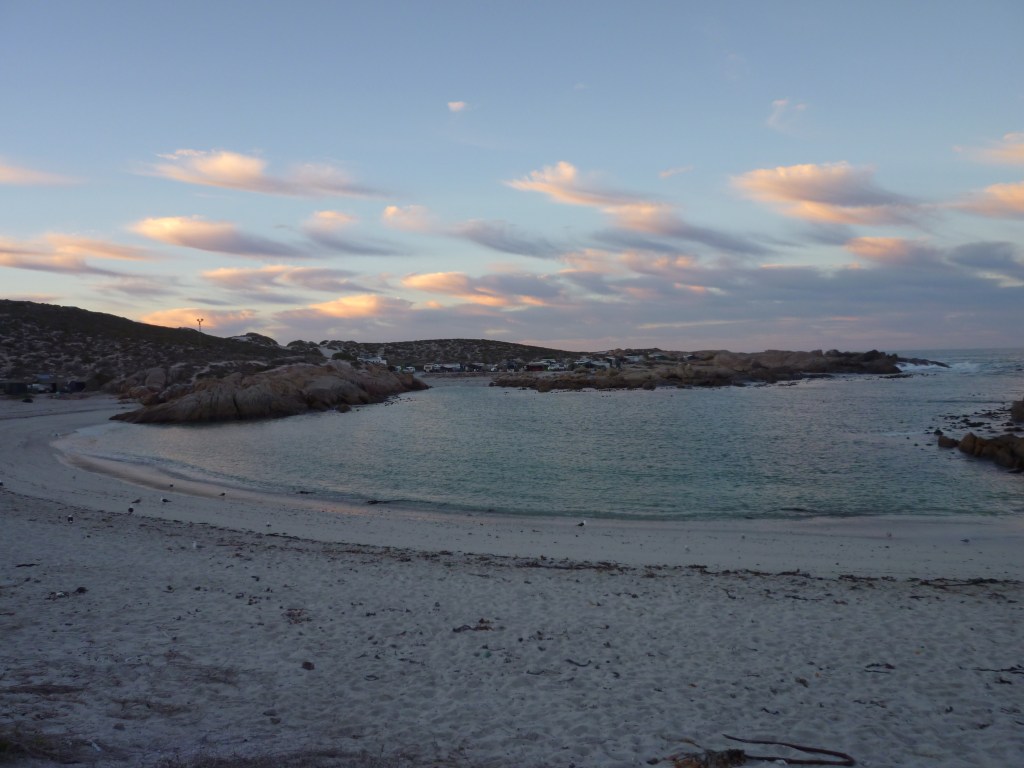
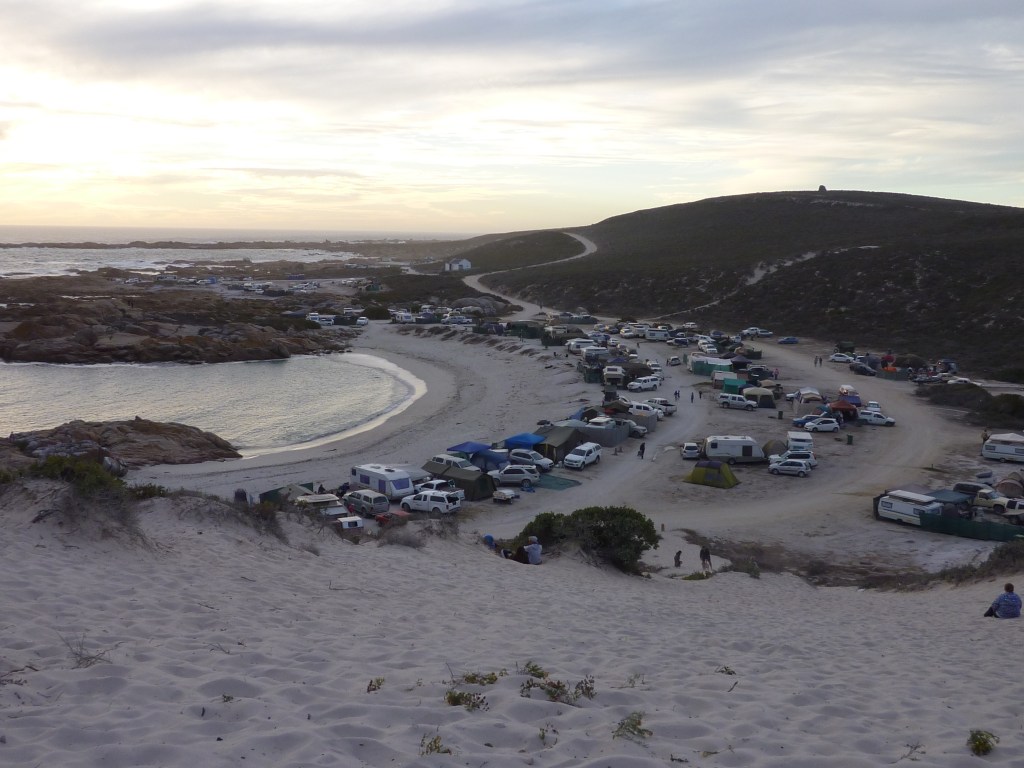
Back in the days, this was one of our favourite camping spots on the West Coast. Tietiesbaai has a beautiful and unspoiled beach and is located in the Cape Columbine Nature Reserve.
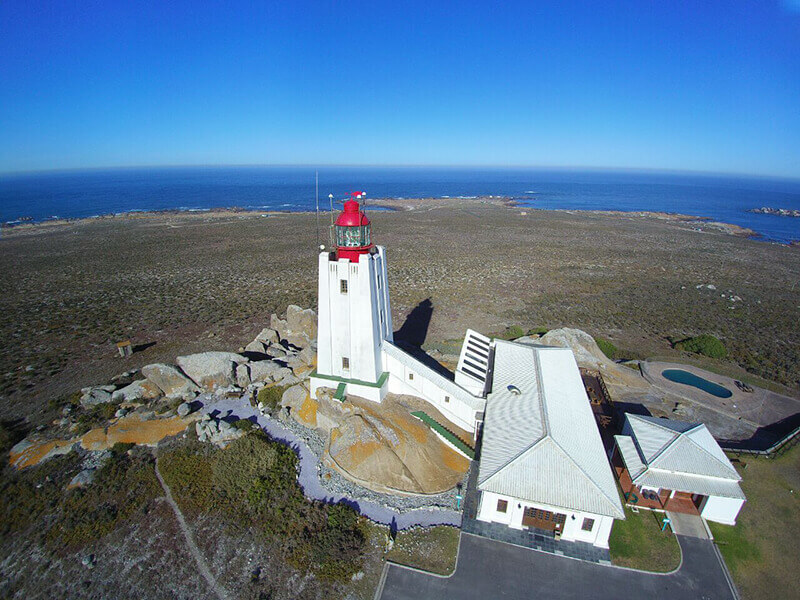
The last manually controlled and first lighthouse to be seen by ships coming from Europe, can be found here.
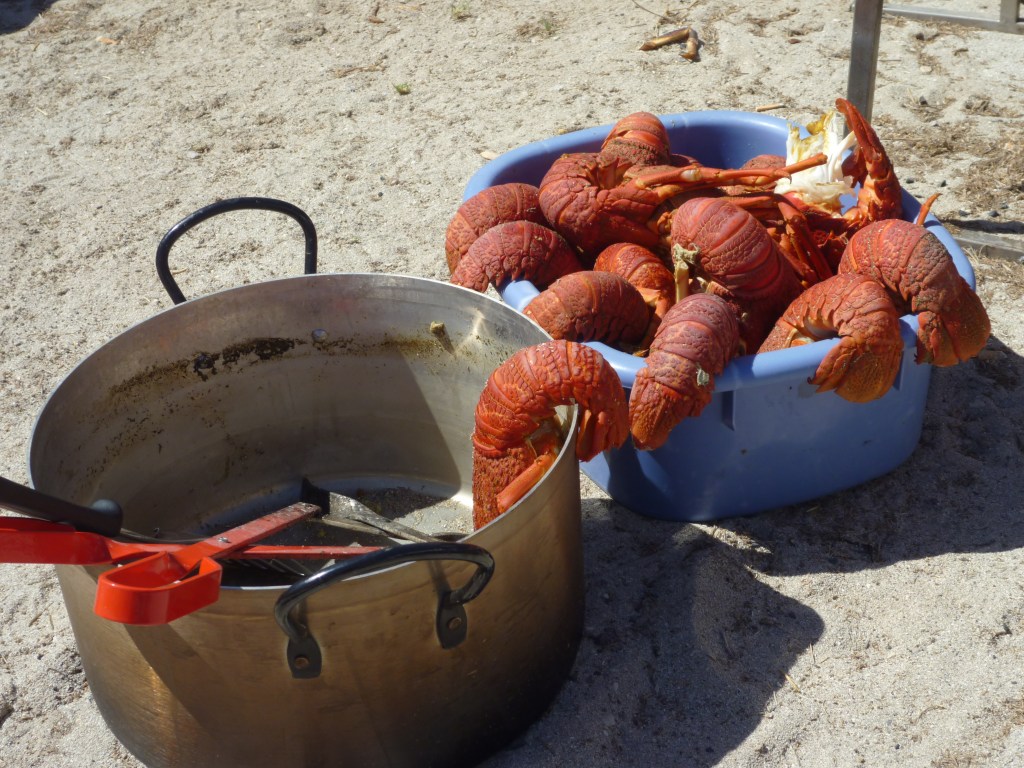
When we used to camp at Tietiesbaai, it was usually during the crayfish/lobster season. We would prepare the fresh crayfish right there on the beach and for seafood lovers, this is almost like a ‘5-star dining experience’.
If you want to read more about a camping weekend at Tietiesbaai (and our camp food), click here.
Sea Shack – 43km/26 miles from Langebaan:
Between Paternoster and Tietiesbaai, is a little gem called Sea Shack – ideal for all the glampers. It’s your ultimate luxury glamping spot.
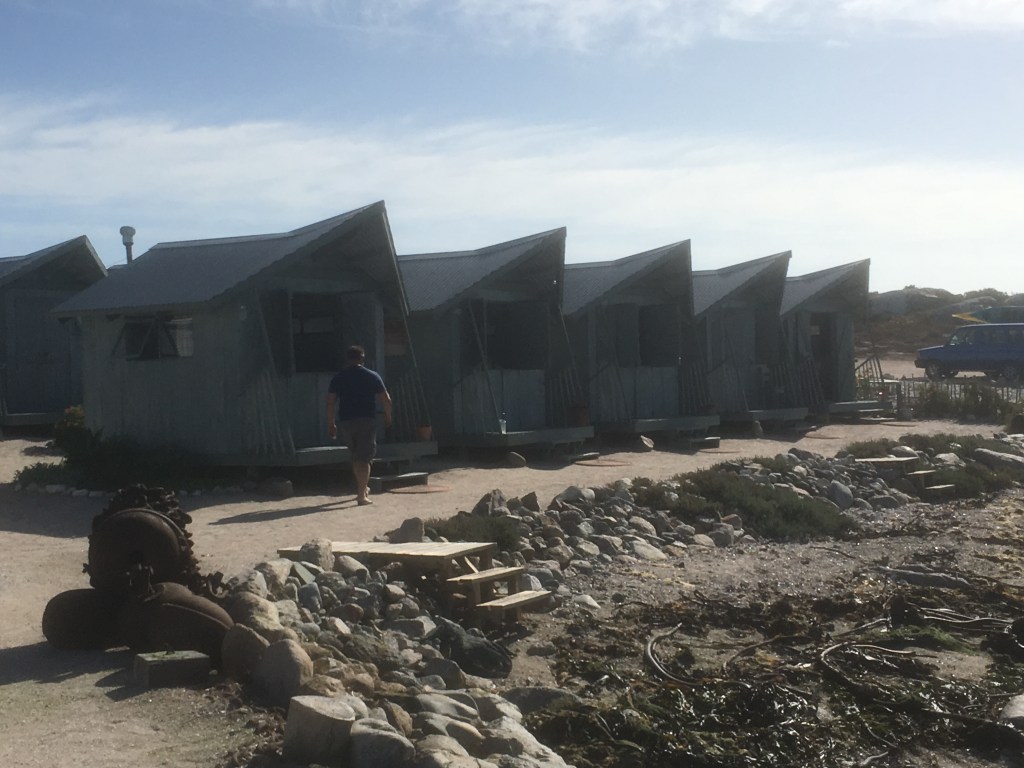
We’ve been here in 2019, and this is a true glamping experience on the beach. You only need to pack your clothes and food and voila – you are camping in style.
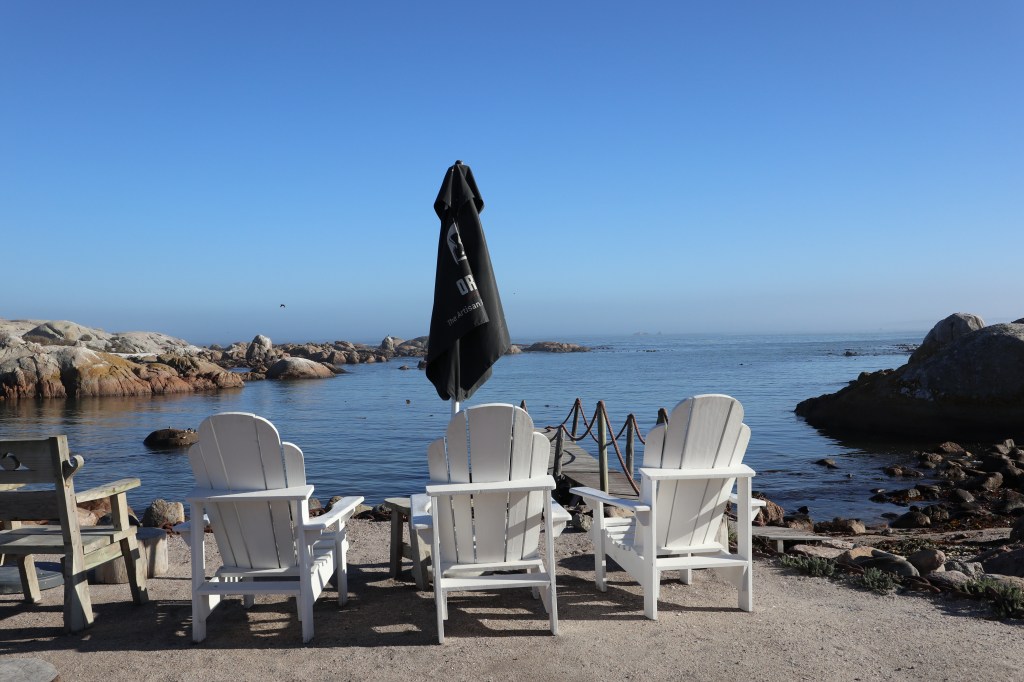
If you want to read more about our week-long glamping experience at Sea Shack, you can find it by clicking here.
Trekoskraal – 31km/19 miles from Langebaan:
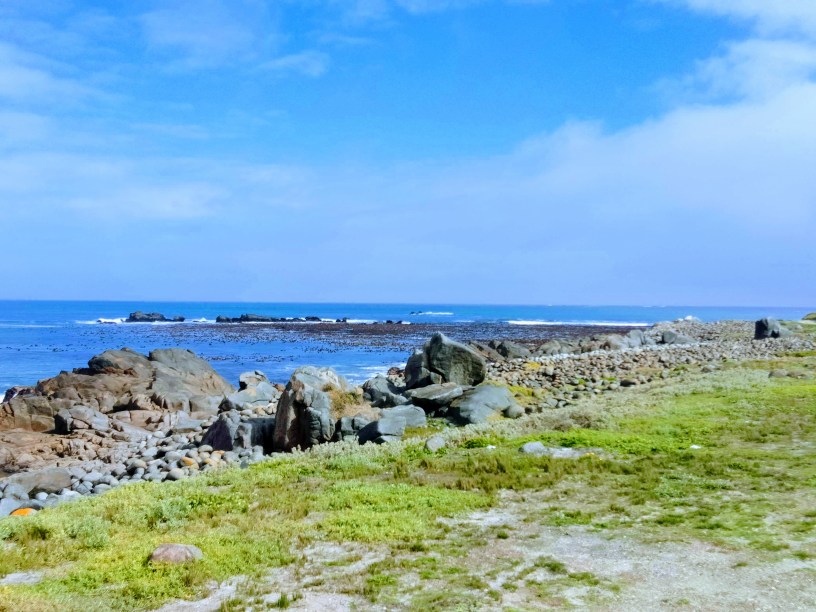
When you talk about wild camping, this is our absolute favourite spot close to home! There are no facilities here – you have to bring everything you need for camping (but leave the television and microwave behind).
(Update 2021: Wild camping is unfortunately no longer allowed at Trekoskraal. This area forms part of a farm and only day visits are now allowed.)
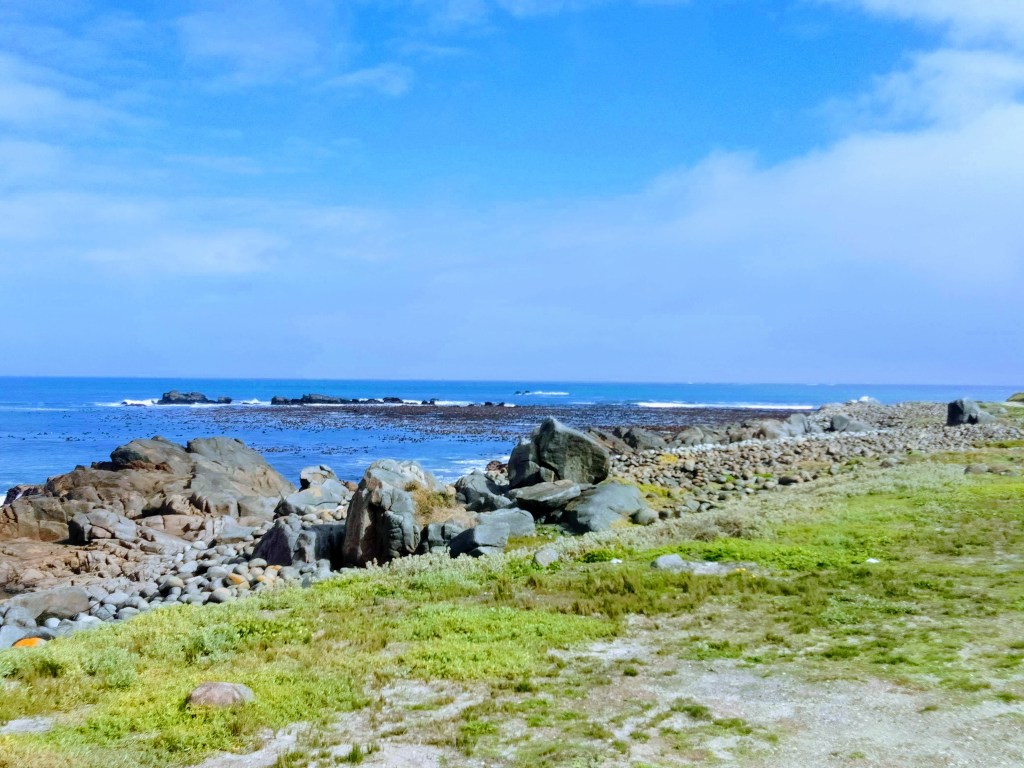
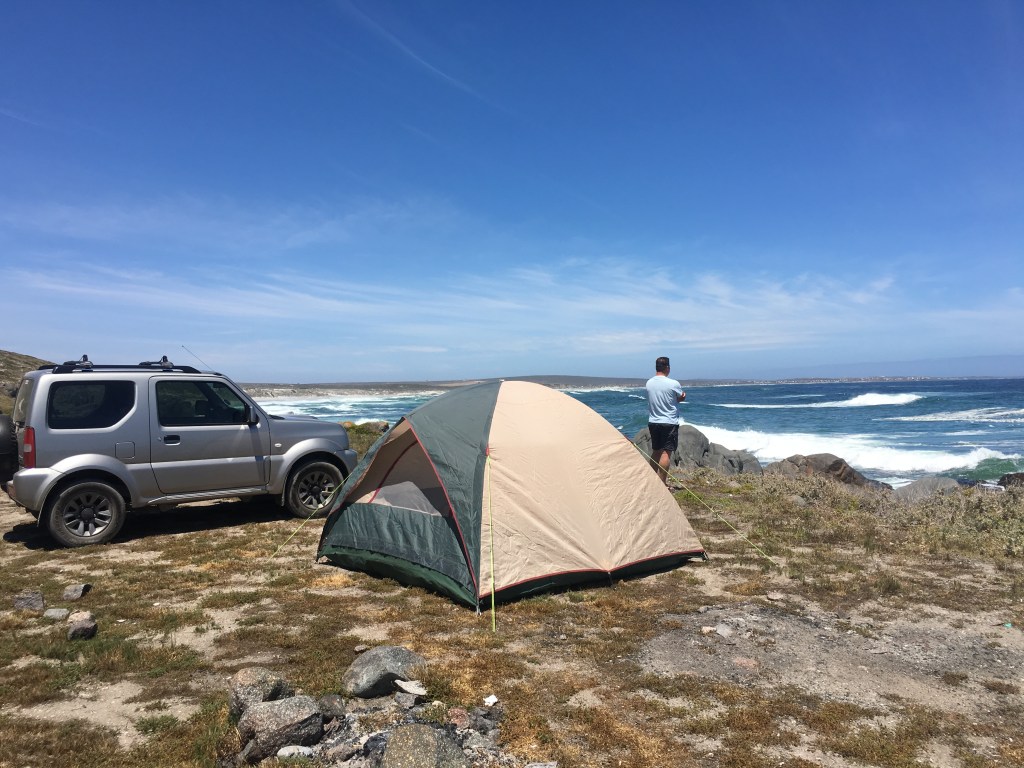
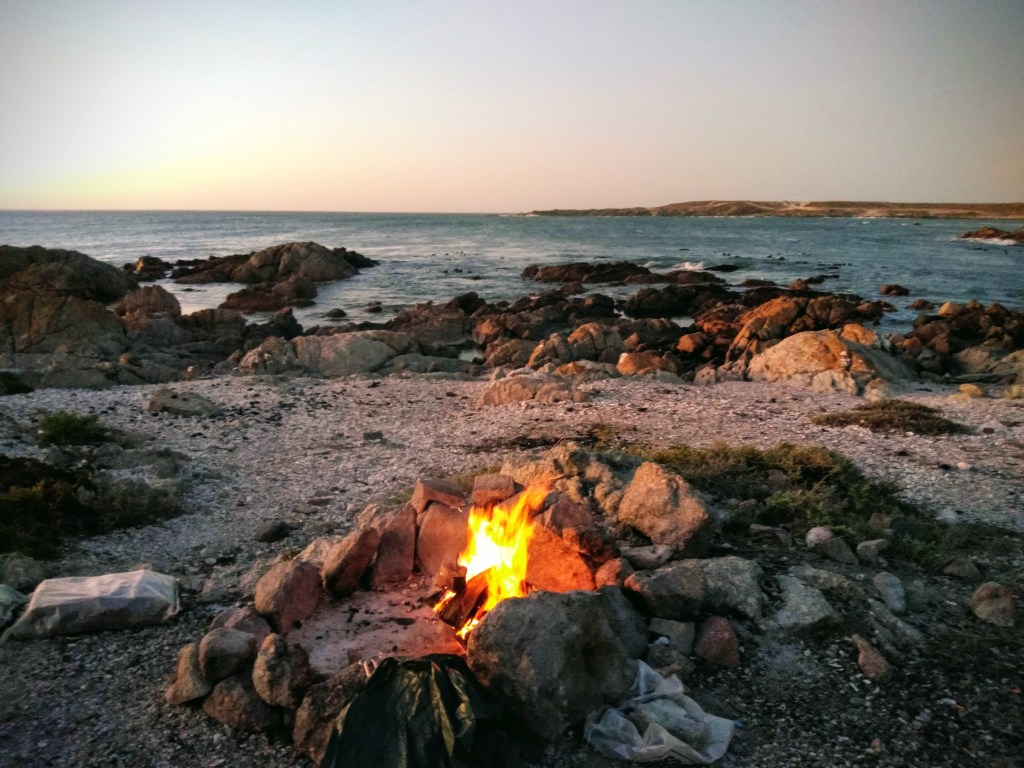
I have no idea where the name Trekoskraal originated from (a ‘kraal’ is an Afrikaans and Dutch word for an enclosure for cattle or other livestock) and since part of this area belongs to privately owned farms, I suspect the name derives from the farming activities.
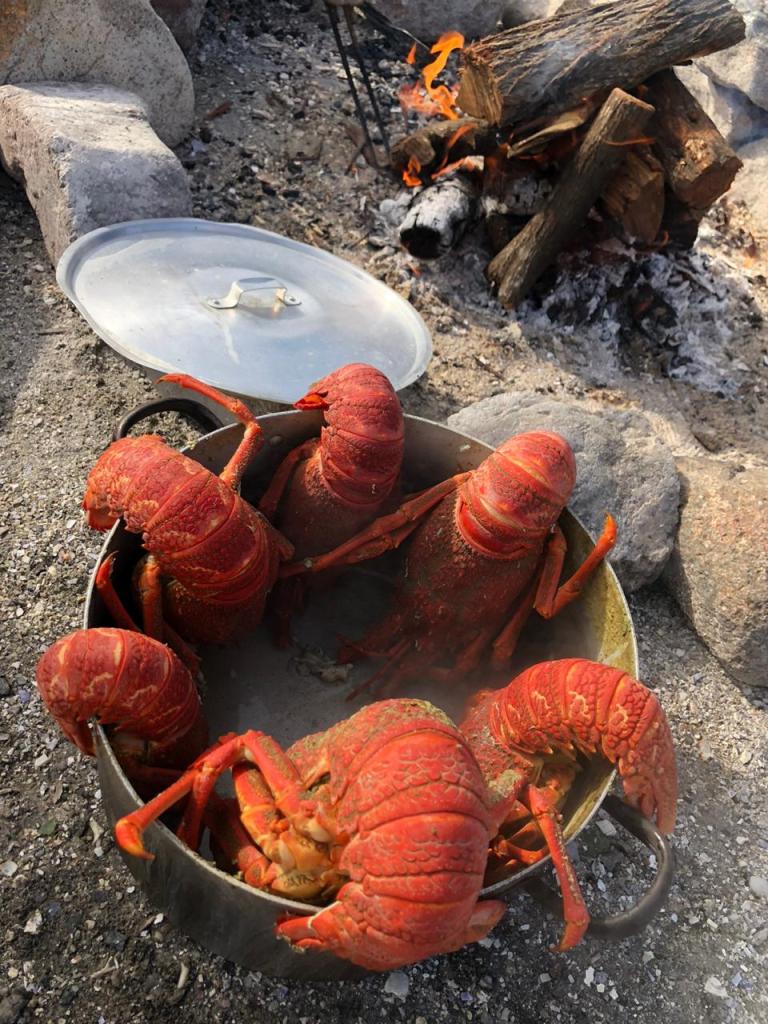
Once again, this is a popular spot for catching crayfish. We’ve camped here many times before when the crayfish season was open and over a fire, cooked the crayfish to enjoy at our camp site next to the roaring ocean.
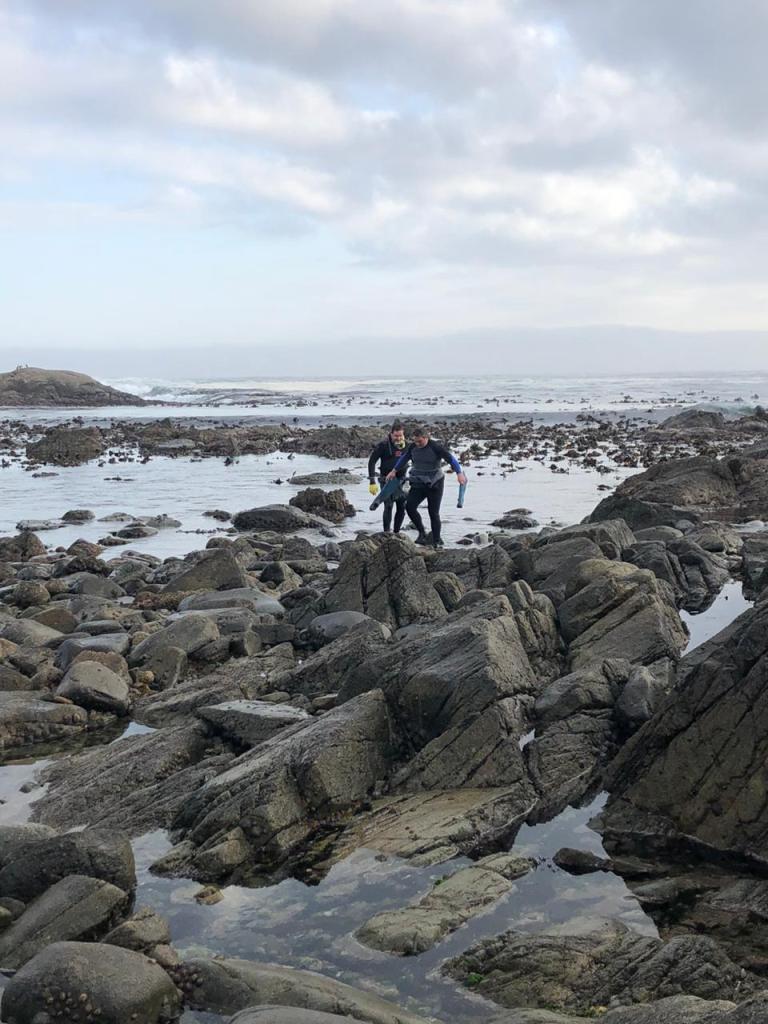
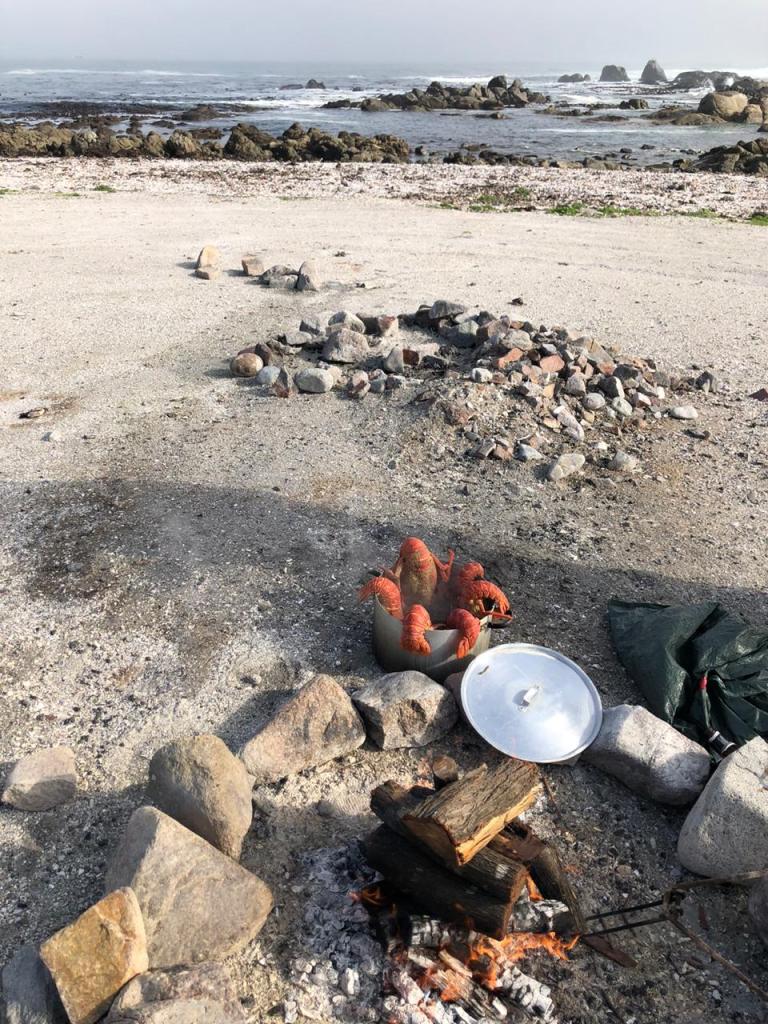
If you want to enjoy a drive through Trekoskraal, you can click here.
Jacobsbaai – 25km/15 miles from Langebaan:
Jacobsbaai was originally found as a small village on farmland and was registered as ‘109 Jacobsbaai’. The name is said to have originated from the Frenchman, Jacques Titius, who was a colonial trader on the West Coast (yes, this is the same man after whom Tietiesbaai is apparently also named).
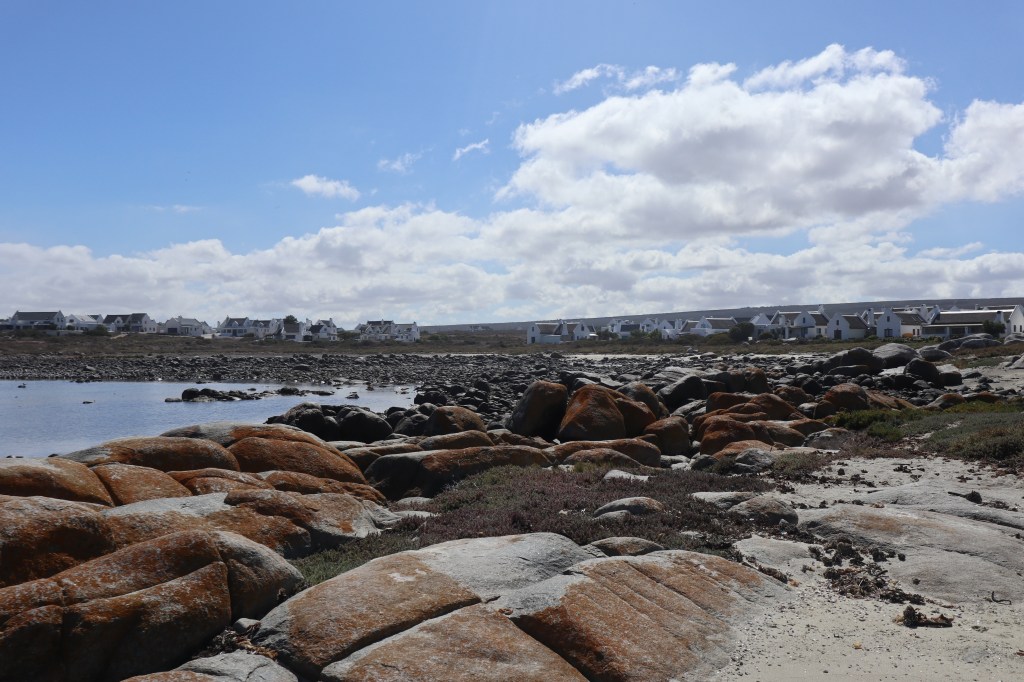
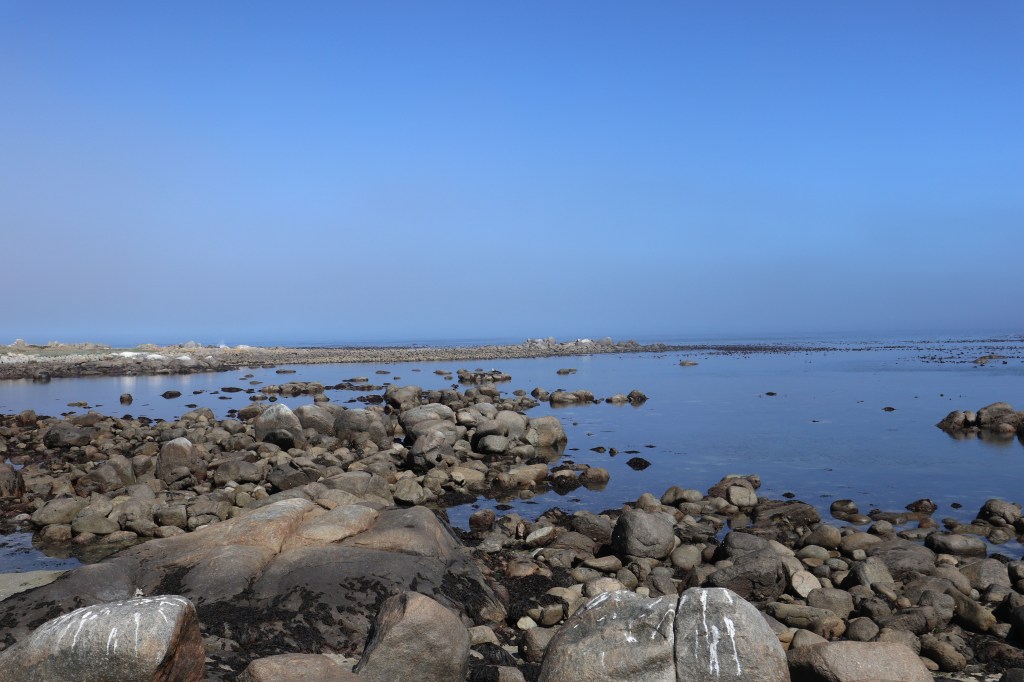
Most of the houses in Jacobsbaai are holiday homes and during the peak holiday season, this little town comes alive with families seeking after sun and sea.

Another popular attraction in Jacobsbaai is The Pixie and Fairy Village. This unique setting was created from “Pixie” Maritz’ imagination – she grew up amid the misty forests, rivers and mountains in Kwa-Zulu Natal (where the ‘river fairies’ inhabited the riverbanks).
You can read more about our visit to Pixie and Fairy Village, if you click here.
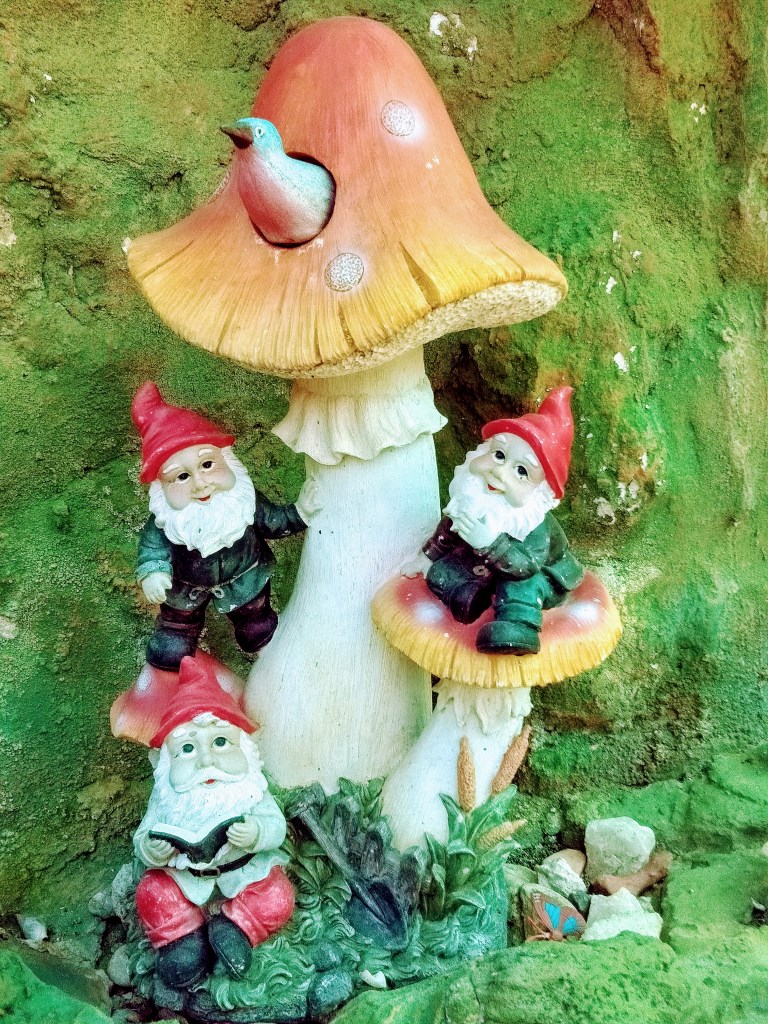
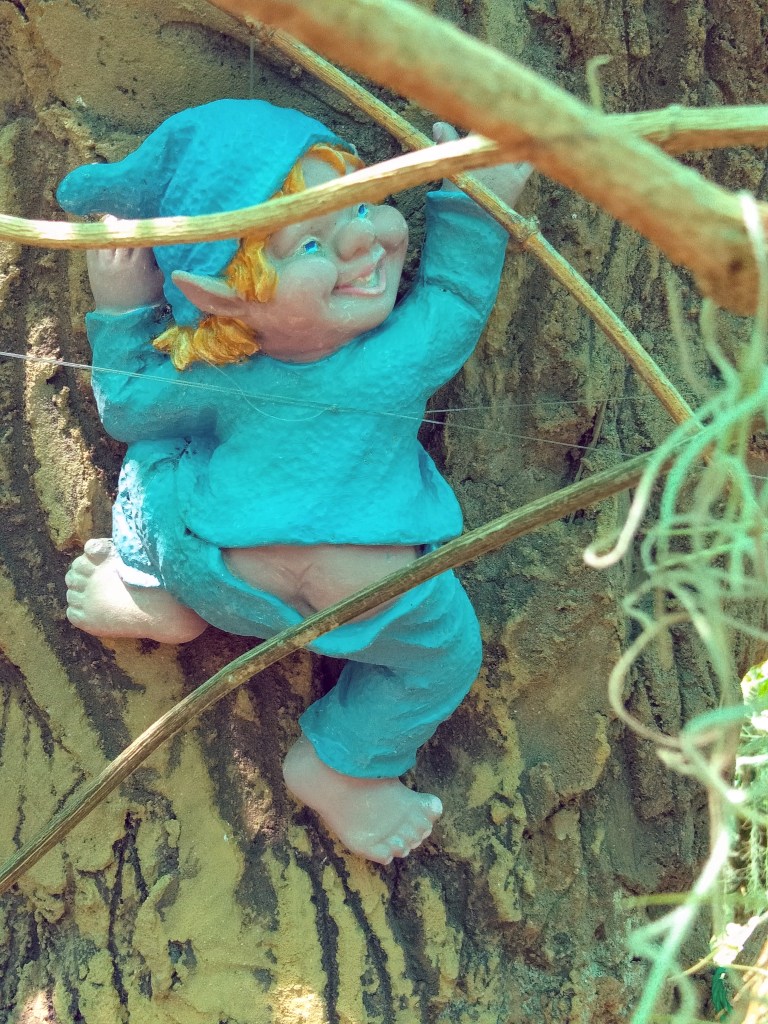
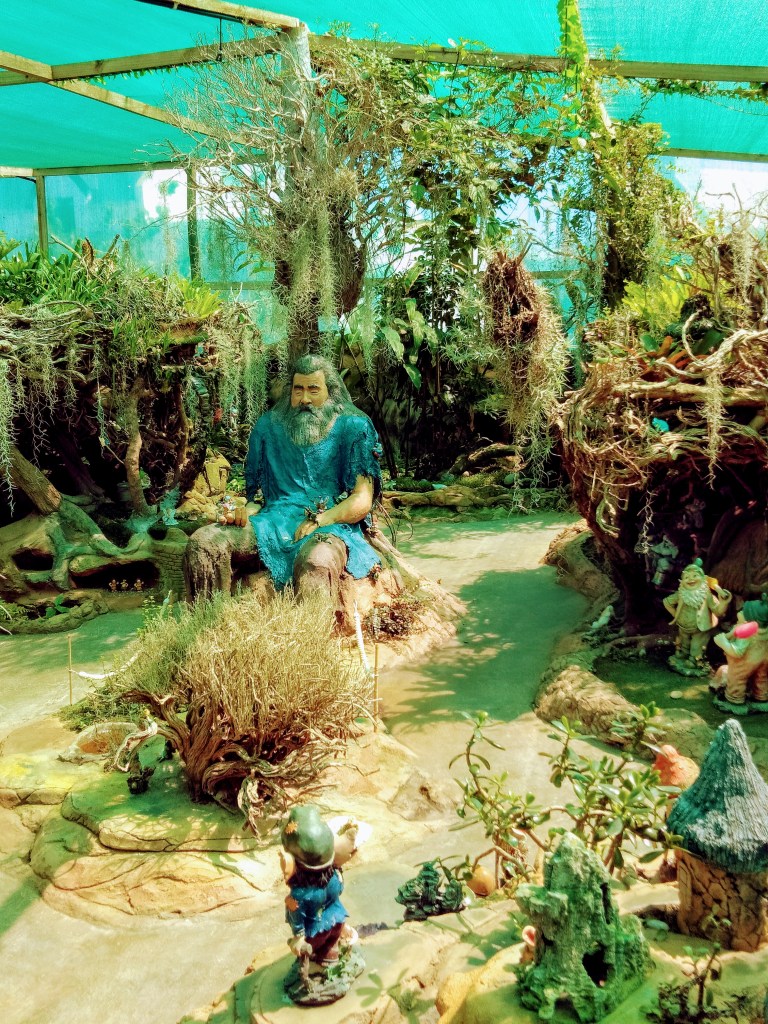
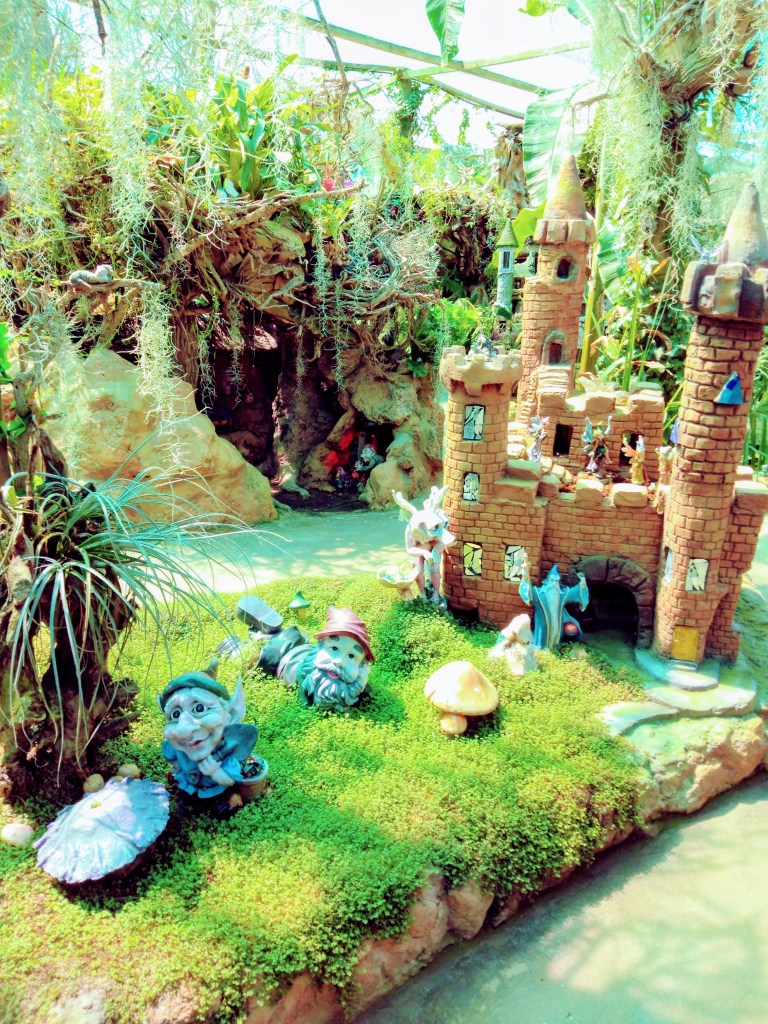
There is a small entrance fee to be paid to Mama Pixie herself. You will be amazed at all these beautiful creatures and won’t be sorry to get lost in this little village.
Saldanha Bay – 19km/11 miles from Langebaan:
Saldanha Bay’s history is strongly associated with early European exploration and the development of Table Bay (in Cape Town). It was named after Antonio de Saldanha, the Portuguese captain of a ship which visited the Cape in 1503.
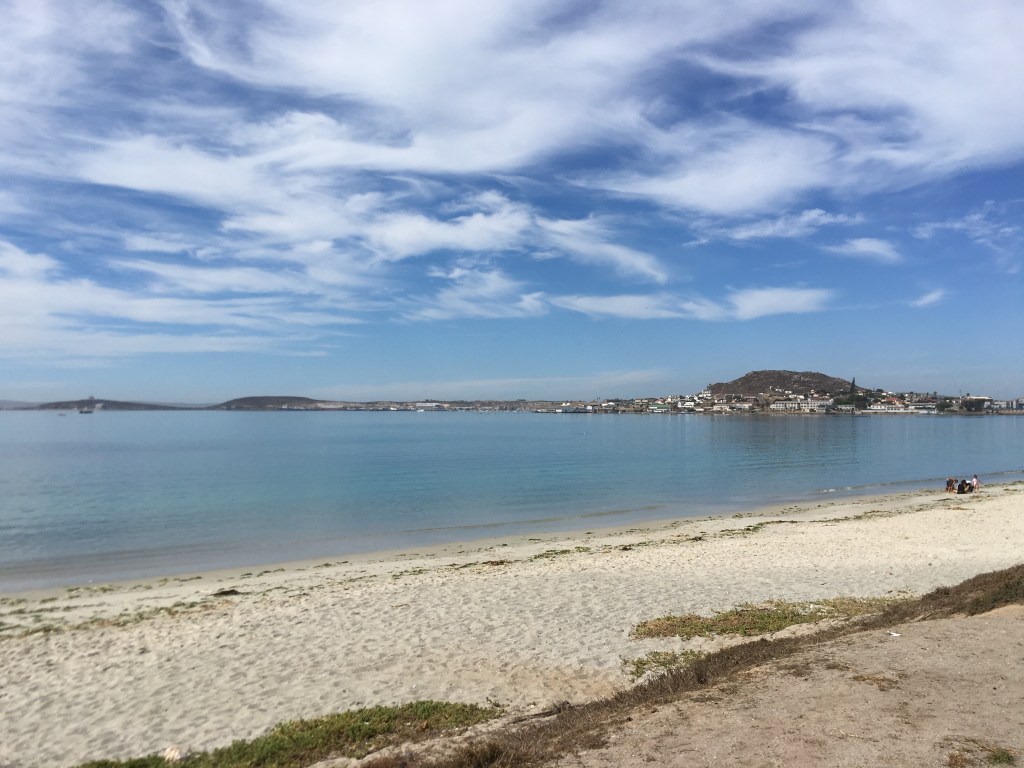
This seaside village has the largest and deepest natural bay in South Africa and is dominated by the Sishen-Saldanha iron-ore project. It is also home to a Naval training base, the South African Military Academy and a whole fleet of fishing vessels that add a particular character to the bay.
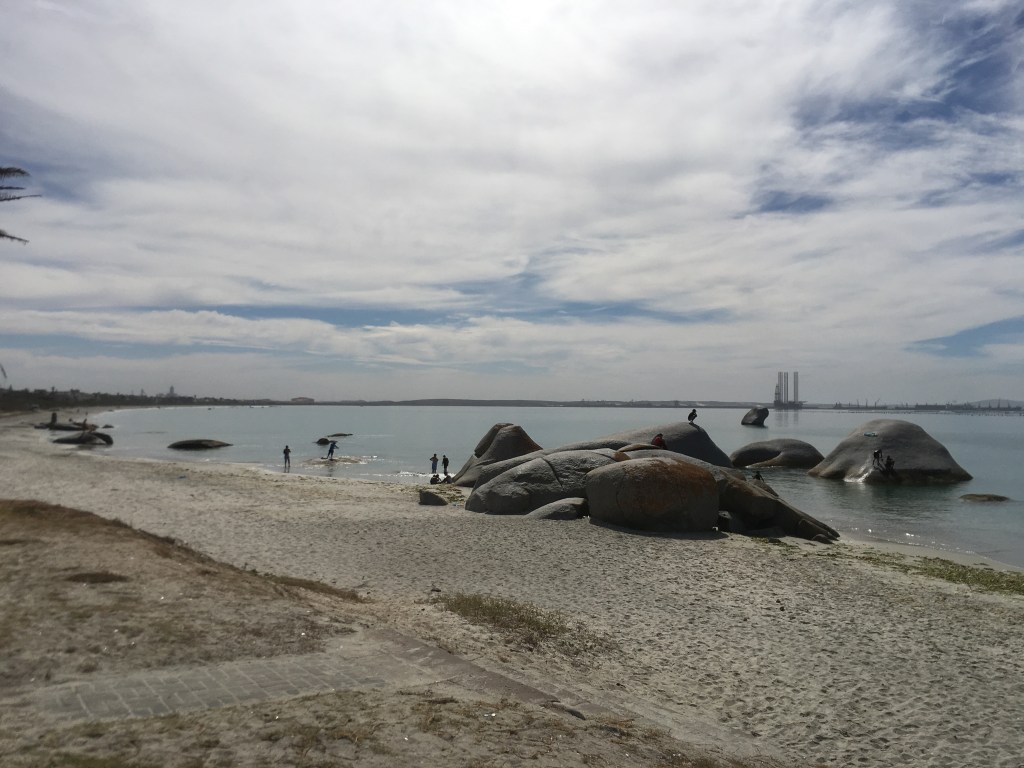
If you want to read more about Saldanha Bay, click here.
Yzerfontein – 54km/33 miles from Langebaan:
When you travel to Cape Town from Langebaan, the small harbour town of Yzerfontein will be on your way.

This little town was established in the 1930’s when the Katz family bought the Yzerfontein farm (meaning “Iron Fountain”). The farm developed into a small harbour town, known for its 16-mile beach.
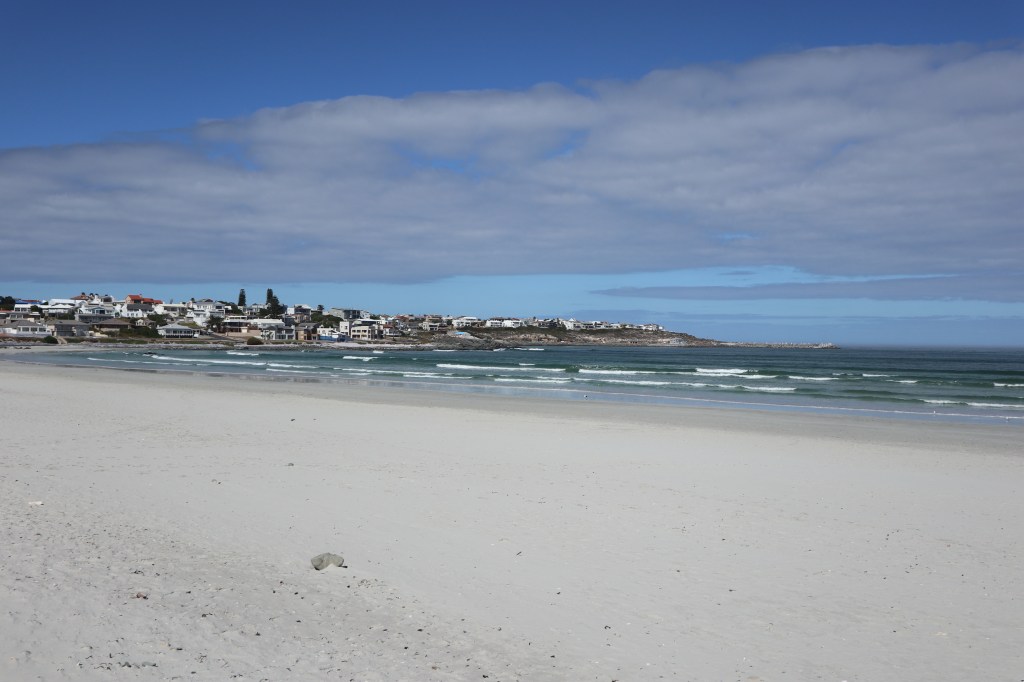
Dassen Island lies about 9km off Yzerfontein. It is South Africa’s second largest island, after Robben Island in Table Bay. The island was proclaimed a nature reserve in 1987 and is managed by Cape Nature Conservation.

Our last two places are different than those mentioned above. The one is not a town, nor a camping spot and the other one is not a seaside town, but both are absolutely worth a visit!
West Coast Farmstall – 46km/28 miles from Langebaan:
We love farmstalls, and the West Coast Farmstall is a very popular resting spot for travellers.

We love having a breakfast here on our way to Cape Town or even just a cup of coffee. They have a great gift shop and sell fresh bread, cookies, rusks and even wine. Oh, and they claim to have the best pies in South Africa (we’ve tasted them, and they are delicious).
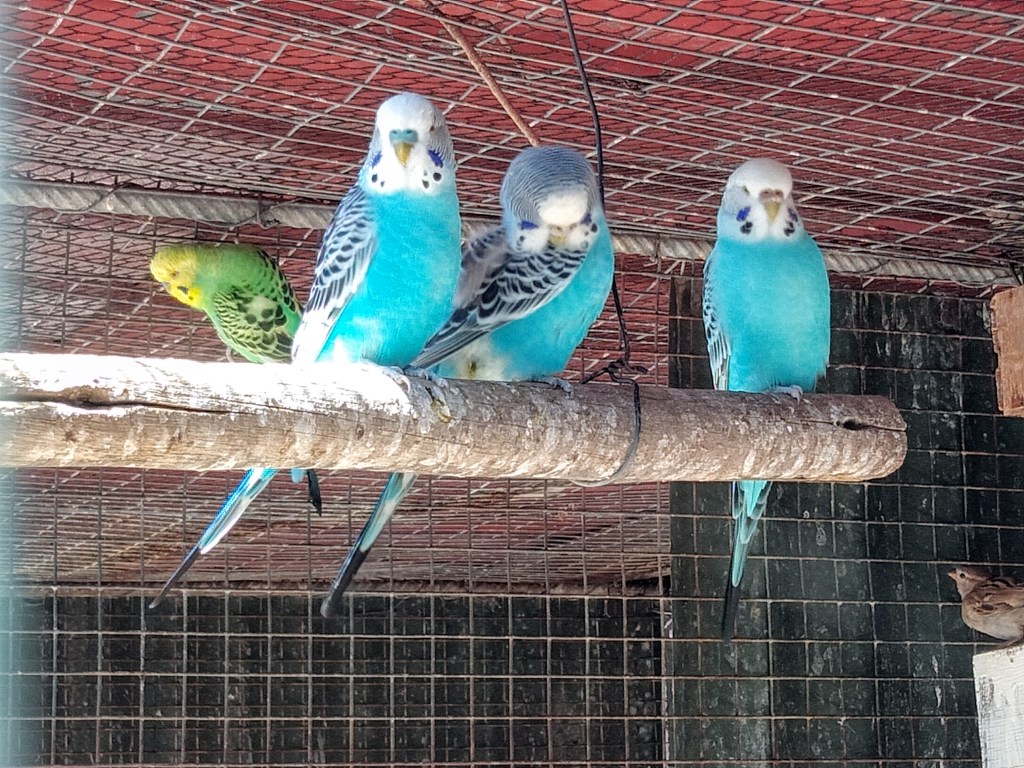
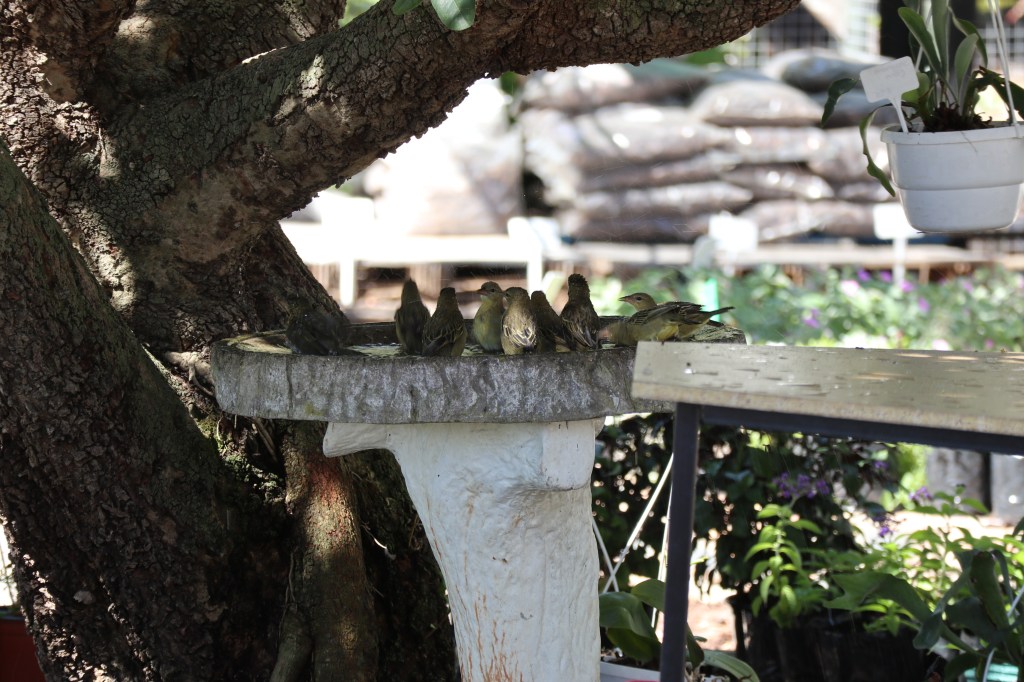
We have dedicated an entire post on our visit to the West Coast Farmstall, if you want to read more about that, click here.
Darling – 60km/37 miles from Langebaan:
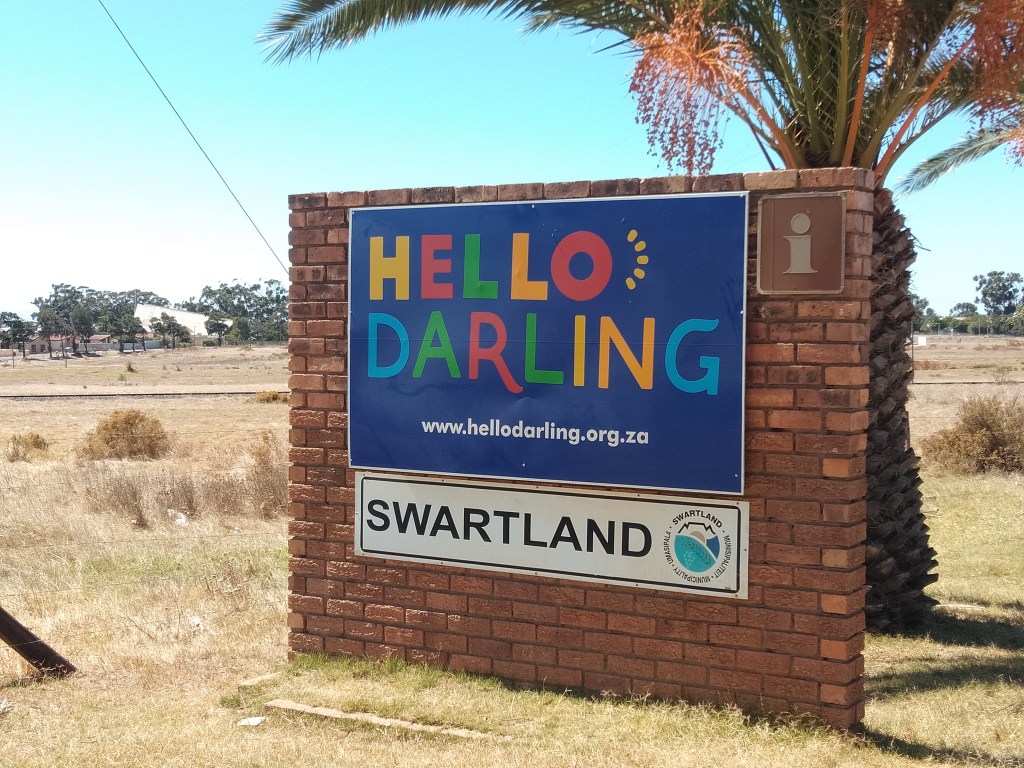
Darling is our only inland town that features in this post. It is such a darling little town (pun intended) and was named after Sir Charles Henry Darling who came in 1851 to the Cape as Lieutenant Governor.
There are so many places to see in Darling, like the Darling Museum, Darling Brew for their craft beer, “Evita se Perron” (a restaurant/function/deli) that was the brainchild of Pieter-Dirk Uys, well-known South African satirist, as well as all Darling’s wonderful little restaurants.
But to cover all these wonderful things, is a post worth dedicating to Darling only.
For this post, we will focus on Darling Olives, a family-run business located on Alexanderfontein Estate, just outside Darling.
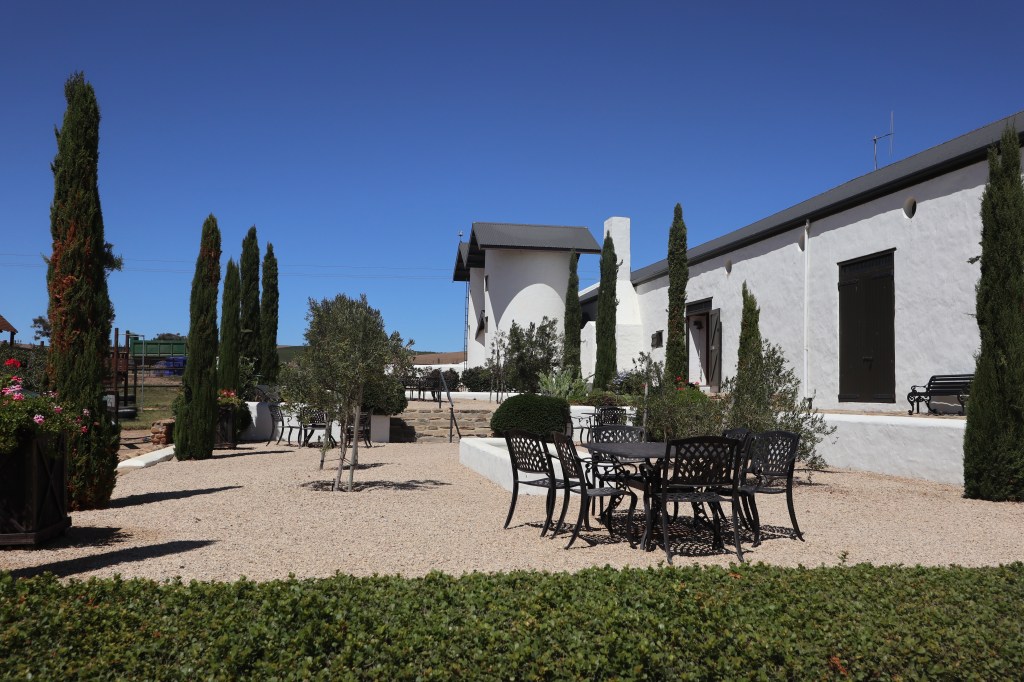
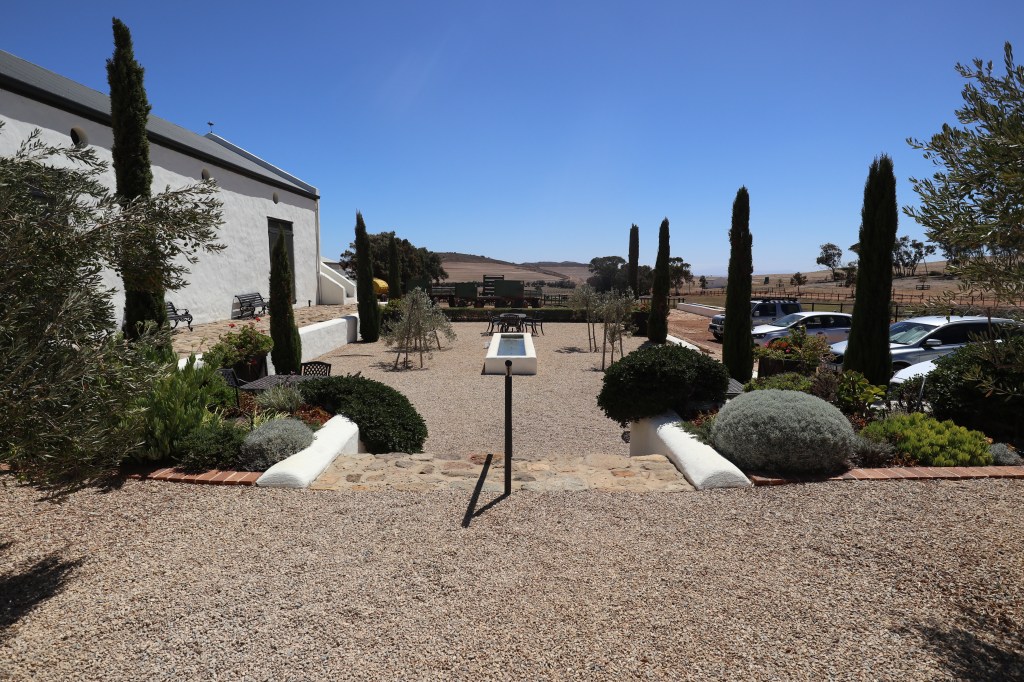
We LOVE olives and here at Darling Olives, you will find a lot of things with the word ‘olive’ in. Besides their delicious olives, there are pastes, pesto’s, rubs, chocolates, even lip balm and soap – oh, and wine too.
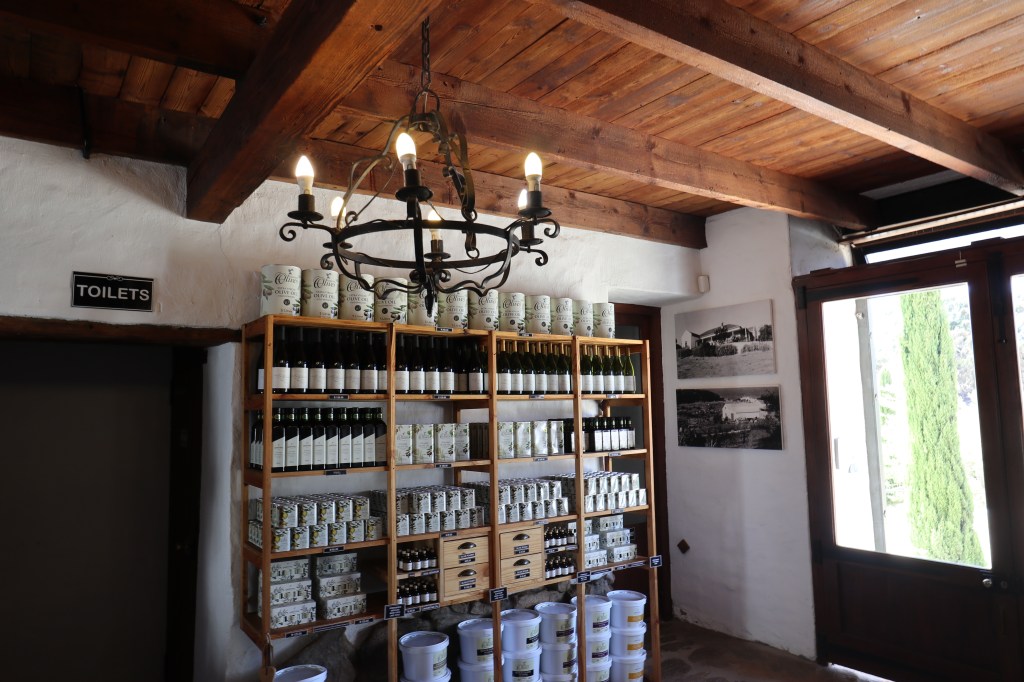
There is a lovely tasting room surrounded with old world charm where you can sit at a long table and taste their entire range of olive products – a real feast.

We can tell you so much more about all the other wonderful places near Langebaan. I’m sure you can see it would be difficult to be bored if you live here or come for a holiday.
Thanks for taking another road trip with us.


Wow, there are so many different things you got to do while exploring Langebaan! A little bit for every taste. Those empty white sanded beaches look dreamy, I would do anything to just lay there 🙂 And the Pixie and Fairy Village looks adorable – perfect to satisfy the inner child within every adult! the olive shop looks like something you could easily find in Portugal as well, but hands down to that packaging, it makes it look so posh 😎
LikeLiked by 2 people
We love the beach too … I’m sure you can see that’s why we never get bored 😁. Oh, the Pixie and Fairy Village was an absolute treat (your right about the inner child in us!).
And there’s just no ways that I can ever walk out empty handed at Darling Olives – I feel like a queen just by buying a tin of olive oil and that is all thanks to their packaging (as you’ve rightly mentioned) 😊. Thanks for reading.
LikeLiked by 1 person
Love love the fairy and pixies 🥰🥰🥰 how much I’d love to see that.
All the places you feature look amazing. I think that my next trip ho SA will have to include a trip up the west coast
LikeLiked by 2 people
The Fairy and Pixie Village was such a surprise to find! We’ve had a great time there and a lovely chat with Mama Pixie ☺️. Absolutely – no visit to SA is complete without a drive down the West Coast (and it is just “around the corner” from Cape Town)!
LikeLiked by 1 person
What lovely places, the bay at Tietiesbaai looks gorgeous and despite not being a camping sort of person I quite fancy the idea of glamping but haven’t experienced it yet. We’ve enjoyed crayfish in Finland in late July. Delicious but incredible messy, no wonder the restaurants there provide bibs!
LikeLiked by 2 people
Sea Shack is the perfect place to relax in style (without the hassle of camping) … and close enough to explore all the other beautiful towns 👍🏻.
You’re right about the messiness of eating crayfish – at least, on the beach there’s no reason why we can’t do it with our hands 😉 (but then you have to dip yourself in the sea water afterwards).
Thanks for reading and your comment Marion.
LikeLiked by 1 person
The beach at Tietiesbaai looks lovely! I’ve never wild camped – the thought of no facilities is just too much for me lol! But it’s looks beautiful 🙂
LikeLiked by 2 people
Yes, the beach at Tietiesbaai is probably one of the most unspoiled and truly beautiful beaches we’ve been to. At least, there is electricity and ablution facilities (though, only cold water) … so, it’s a bit in-between wild- and luxury camping 😉.
LikeLike
That’s a nice mess of crayfish!
LikeLiked by 1 person
Indeed 😊 … it seems we’re eating crayfish all the time, but the season is only open for about 20 days (or even less) a year, so this was my collection of crayfish photo’s for a year!
LikeLiked by 1 person
They are very good sized
LikeLiked by 1 person
Yes, we have some big ones here on the West Coast … I can literally just have one crayfish tail, then I had enough 😋.
LikeLiked by 1 person
I just love fishing villages and those crayfish are the size of lobsters!!! What amazing pictures. ❤️
LikeLiked by 2 people
I can just imagine what amazing dishes you can make with that crayfish! Thanks for reading Diane 🌸.
LikeLiked by 1 person
I’m curious, why are all the fishing boats blue and the houses all white? It even looks like most all of the cars and RV’s are all white on the beach…lol
LikeLiked by 1 person
I think it’s more like an unwritten rule that most of the houses in the beach towns must be white. As for the cars and RV’s – it is very interesting that percentage wise, most of these in South Africa are white … and that’s probably because of our hot summers (white or even lighter coloured cars don’t attract that much sunlight).
As for the boats … your guess as good as mine … I think the guy that painted these, only had blue paint … 😅.
LikeLike
Beautiful coastal scenery!
LikeLiked by 2 people
Thanks Sarah. We love taking a slow drive along this coast – it is indeed beautiful 😊.
LikeLike
beautiful beaches
LikeLiked by 2 people
Indeed, these are some of our most unspoiled beaches on the West Coast 👍🏻.
LikeLike
Ok, I have added South Africa to my list of must-visits! For some reason, I had imagined its coast lines to be similar to most of my country’s: overly developed and overrun with fast food places. I’m impressed! So beautiful and so much charm! Thanks for sharing, Corna. I’ll let you know when I’m coming! 😊🌞👌
LikeLiked by 1 person
Here on the West Coast you won’t see any overly developed places (and further up north, you will really struggle to find any fast food restaurants) … just kilometres and kilometres of unspoiled beaches.
No problem Lisa, whenever you’re on this side of the world (and close to Langebaan), I’ll stick you for a cocktail 🍹 to sit and enjoy at the beach!
LikeLiked by 1 person
Sounds perfect! 🌞
LikeLiked by 1 person
I’m afraid at my age it would have to be the “Glamping” for me…..I am going to look these places up because I have no idea where they are! We were supposed to go to Africa last year for a month cruising and “Glamping” for a week in Africa prior to the cruise…….now that is all going to be re-scheduled when the cruise lines add them again…….I have to live to be 100 to get everything in! We have also thought about a six month “Around the World” cruise just to get to the places we haven’t been (and would like to) in one fell swoop! We’ll see how all that shakes out! Cady
LikeLiked by 1 person
😲 Cady, 100 you say 👀👀 … well, then I wish you a prosperous life and good health!
All these places we’ve mentioned, are very close to Cape Town (160km or 99 miles). That cruise around the world sound like a super idea to visit places you would not normally get to see … whenever that will be possible … crossing fingers 🤞
LikeLike
I think you make a good advertisement for the area 👍I have been to Yzerfontein, Tittiesbaai, Saldanha, Darling and Parternoster but I should visit the other areas. Have you been to Arora? If so how far is that from you?
LikeLiked by 1 person
Thanks Morag 😊 … we love the West Coast and often travel between the little towns – great that you’ve also had the opportunity to visit them!
Yes, we’ve been to Aurora a couple of times – sometimes we take a day trip on the gravel roads to see more of the inland towns (like Aurora and Redelinghuys). Aurora is about 75km from Langebaan – not a big town, but they have a beautiful church (and we’ve enjoyed a nice cup of coffee there and a wonderful chat to the locals) … maybe we’ll do a post someday on these little towns as well ..
LikeLike
We have friends who have a holiday cottage there. Your posts are very interesting. I enjoy reading them.
LikeLiked by 1 person
Ahh, thanks for your kind words Morag 🌸.
LikeLiked by 1 person
Lovely beaches and scenery. Those Crayfish look fantastic!
LikeLiked by 1 person
You’re right about that crayfish … and beaches, and scenery 😁.
LikeLiked by 1 person
I’ve learned so much on this trip, and to think I almost missed it, thank you Corna 🌸💕 I’ve visited a few of the neighbouring towns that you mentioned and I must remember all the other great places you shared as there’s so much more to see and do. St Helena Bay is also close to Saldana Bay, if my memory serves me right?
LikeLiked by 1 person
Thank you for visiting this post Henrietta – I almost forgot about this one ☺️. It’s wonderful that you also had the opportunity to visit some of these places (then you know exactly what I’m talking about). You’re absolutely right about St Helena Bay being close to Saldanha Bay (it’s a mere 30km). Hopefully we can camp there during this year (it’s very popular and one struggles to get a booking) … it’s a beautiful place (thank you for the reminder)! 🌞⛺️
LikeLiked by 1 person
I must admit it was more passing by and admiring places and sometimes a bit of popping in, nothing in detail like you did. I’m happy that I could help and remind you about St Helena Bay, hopefully you’ll get a booking as I’m waiting in anticipation to join you and enjoy through reading about your trip😊
LikeLiked by 1 person