
September 2020
Day 3
Alexander Bay → Ai-Ais/Richtersveld Transfrontier Park (‘De Hoop’ campsite)
We were looking forward visiting the Richtersveld National Park again. Though we often talk about ‘Richtersveld National Park’, I should mention that this park was combined in 2003 with the Namibian Ai-Ais Hot Springs Game Park and is now known as the Ai-Ais/Richtersveld Transfrontier Park.
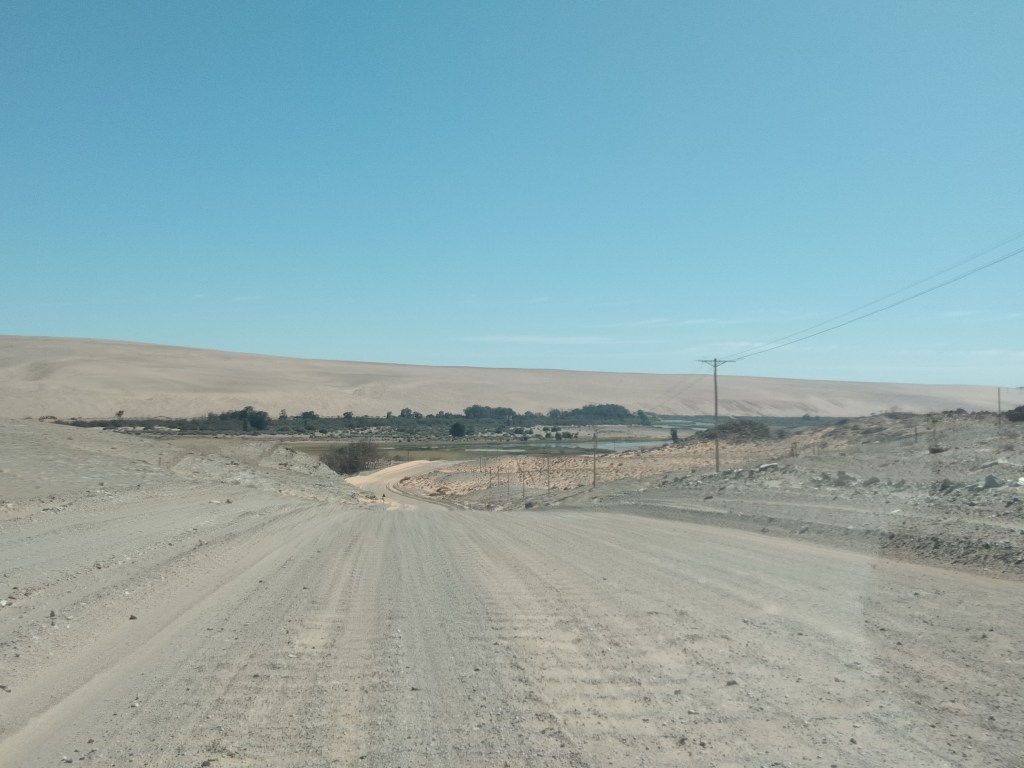
We will enter the park at Sendelingsdrift, which is about 90km from Alexander Bay. This is a dirt road which is very corrugated in some places – probably due to all the heavy mining vehicles that also use this road.
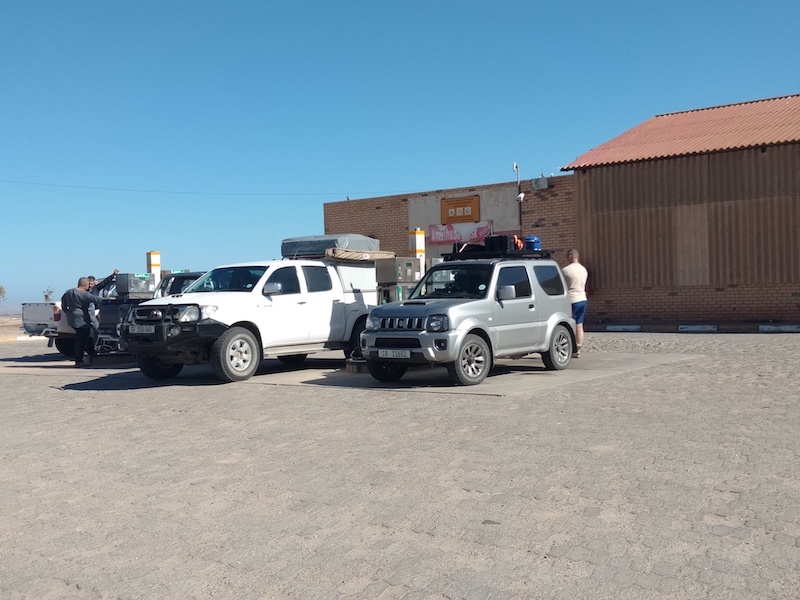
Before leaving Alexander Bay, we made one last stop at the petrol station. We were now 3 vehicles together. It’s always a good idea to travel with friends when you plan to go off-roading in extreme places.
The first 30km of the road was pretty bad – mostly corrugated with big potholes. In some places, loose sand covered the road surface and we had to drive this stretch quite slowly and carefully.
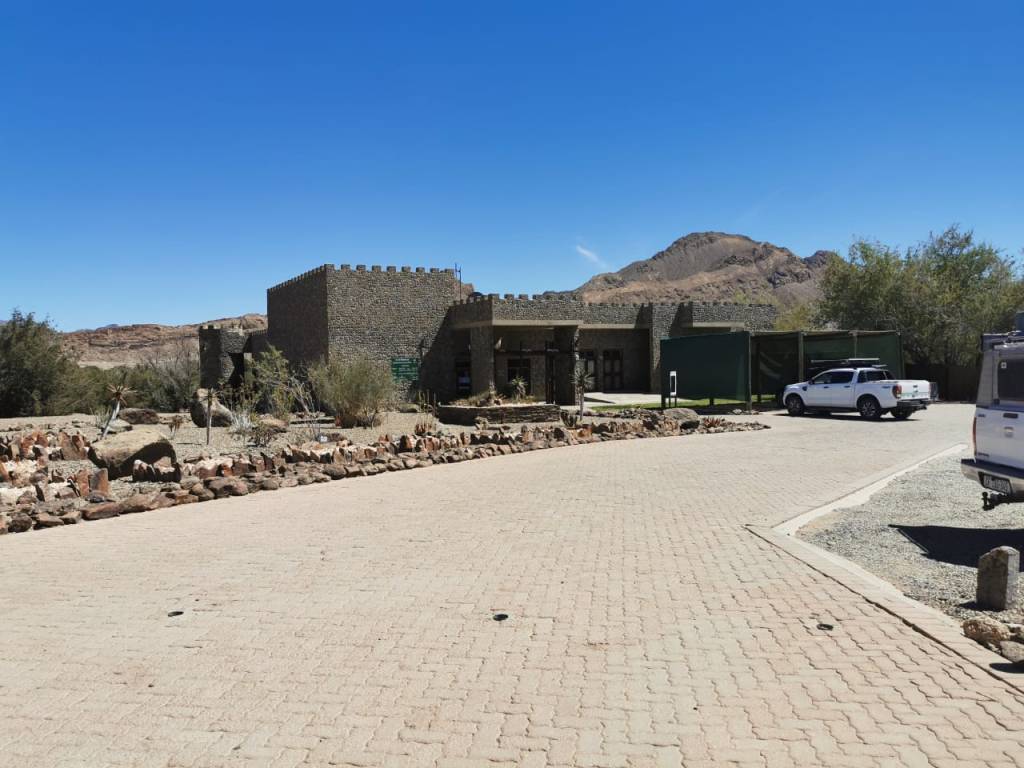
At the main gate of the park, everyone had to get out of their vehicles for the officials to take our temperatures (Covid-19 regulations) and to fill in some paperwork. They informed us that the park is filled with tourists – it is evident the outdoor lovers took fully advantage of the new Covid-19 levels that now allows leisure travel.
The last 20km to Sendelingsdrift was again on a corrugated road and unexpected potholes. We were quite relieved when we arrived at Sendelingsdrift.

The climate here is harsh and dry, and although the average daily temperatures are pretty mild, it often gets extremely hot. In the peak summer time (December/January), temperatures may rise over 40ºC in the afternoon.
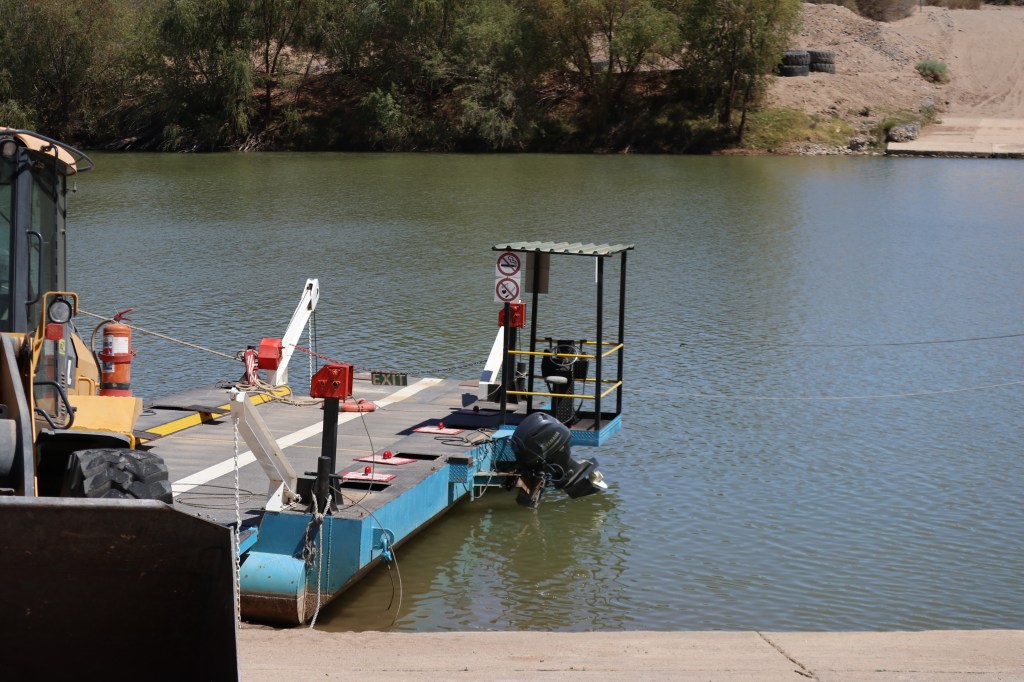
At Sendelingsdrift the old pont/ferry has been restored to transport people and their vehicles across the Orange River to the Namibian side of the park.
* Unfortunately due to Covid-19 regulations, we are currently not allowed to travel across national borders and therefore could not make use of the ferry. We hope to get an opportunity on a next visit.

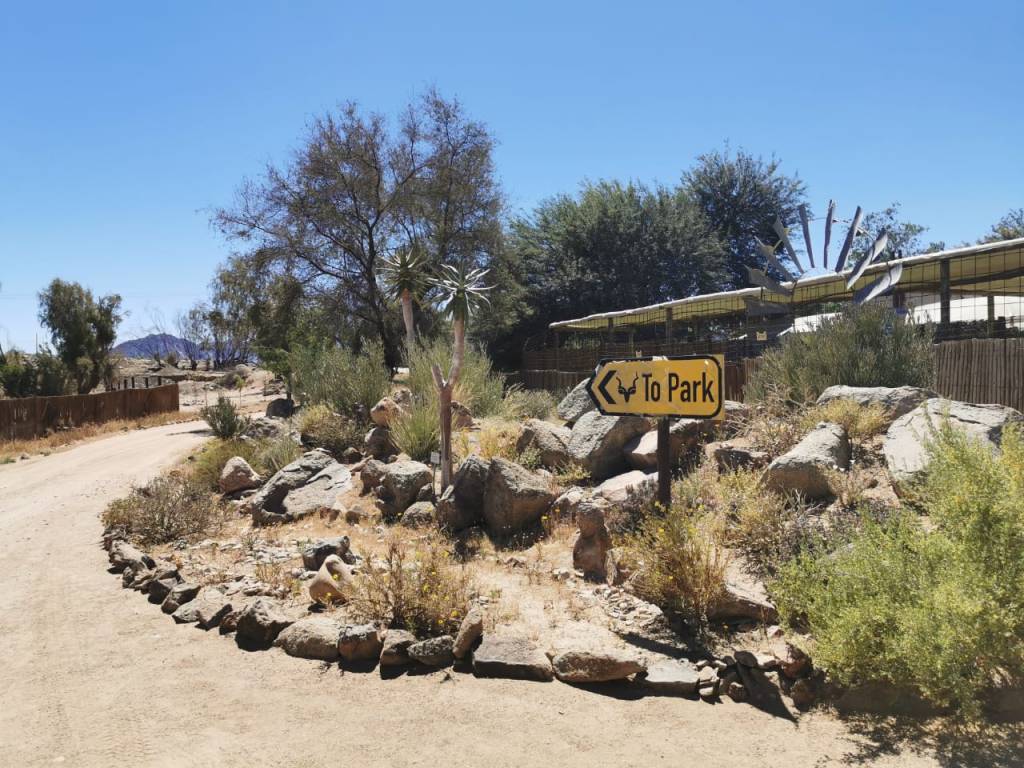
We visited the park’s small garden centre to see an exhibition of the plants that we will find inside the park. It was beautifully displayed and great to walk through.
But I was particularly saddened to see a couple of “halfmense” (it’s a tree-like plant, translated as “Half Human” in English) standing at one side. You could see that these plants were taken out of the ground.

One of the workers told us that these “halfmense” were illegally removed by visitors inside the park and found inside their vehicles at a roadblock held by authorities.
History on the “halfmens”:
Besides, that no plants are allowed to be picked/removed, the “halfmens” are internationally protected and classified as highly endangered. This strange plant is one of the few tall plants able to survive through the seasons in this desert climate. It grows extremely slow, is rather rare and not easily seen in its environment.
It is extremely upsetting to see that people are removing these plants from their natural habitat for whatever use. They are basically wiping out the “halfmens” in nature – what a sad, sad thought. I hope that these people will be brought to justice.
We entered the park just before lunch and drove slowly through this harsh land. This area consists of rugged kloofs and high mountains. And then suddenly, as you go over a hill or through a mountainous area, the vast desert flat landscape appears in front of your eyes – such dramatic landscapes in just a few kilometers.
It’s difficult to describe the beauty of this place. Although it is dry and not particularly green, there are elements of nature that you won’t see anywhere else. An information leaflet indicated that in one square kilometer there are more than 360 different plant species that can be found here – in a place where there is hardly any rainfall!
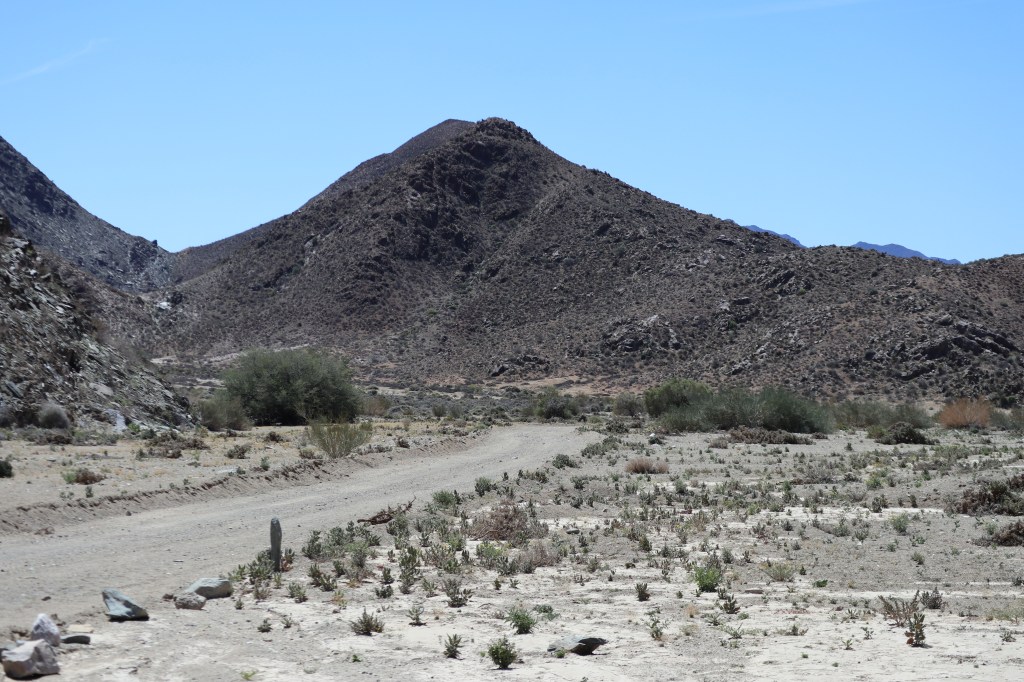
From our photos, you will see how this landscape keeps on changing and showing its true beauty.
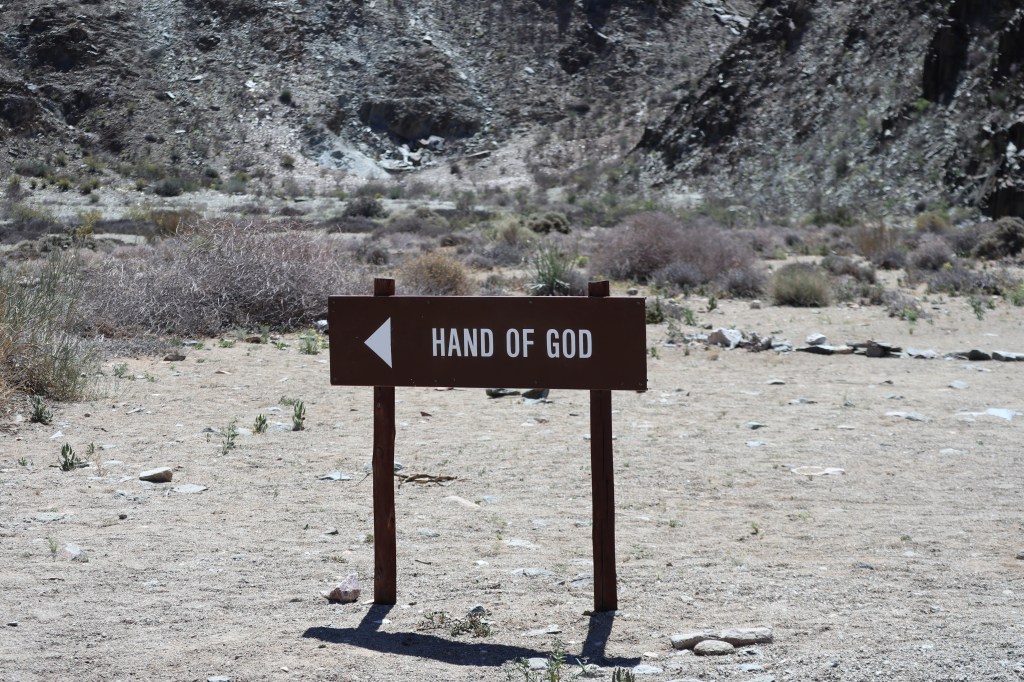
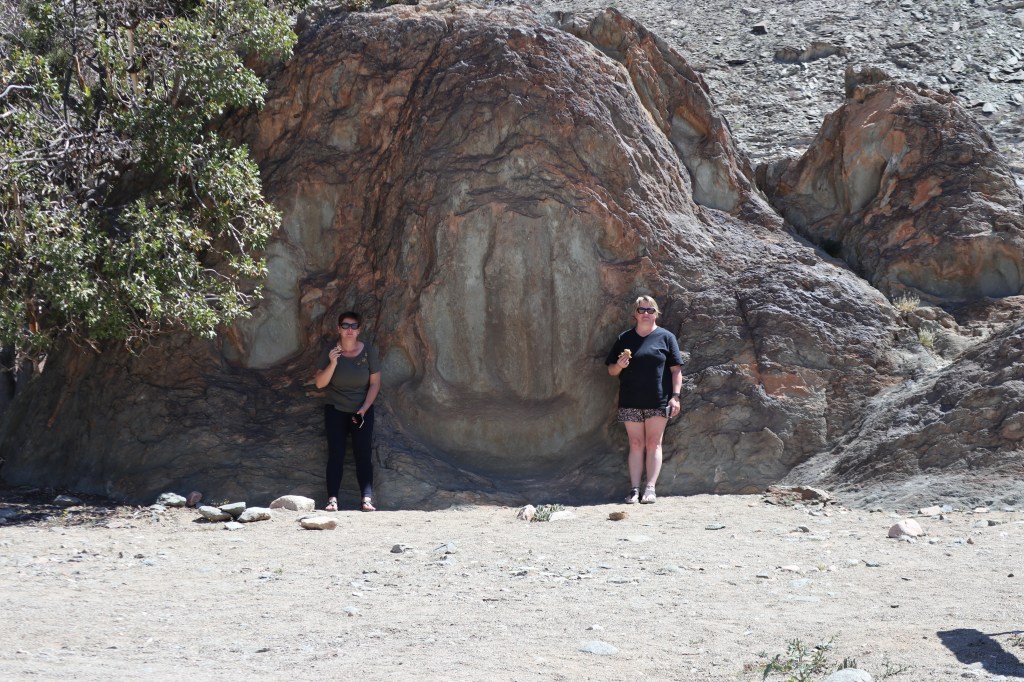
Our first stop was about 14km from the main entrance at the “Hand of God”. This is a rock formation supposedly created when God pressed a mighty hand into the rock.

Estelle prepared lunch for us back home – jaffles filled with curry mince (almost like a toastie, but prepared in a sandwich press with patterns). It was yummy and just what we needed to fill that empty spot in our stomachs!
Shortly after we left here, we came to the first pass we had to cross – the “Akkedis Pass” (means Lizard Pass in English). It is probably not a difficult pass to drive, but it may be tricky at some points.
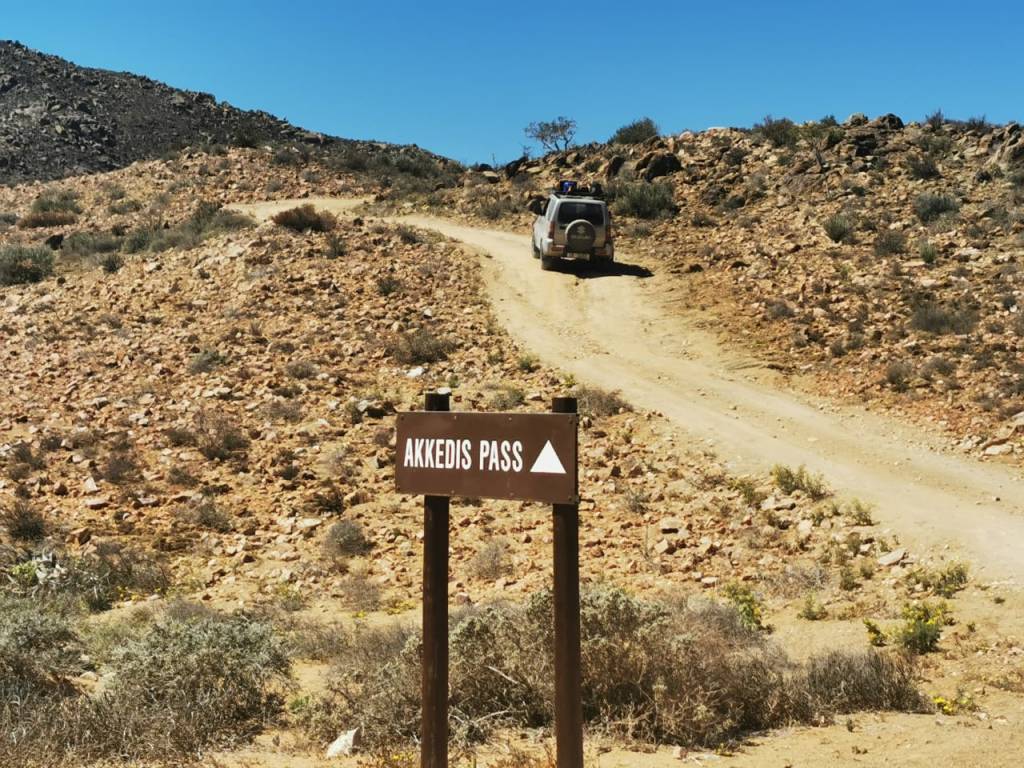
Apparently, some of the locals are driving this pass with their normal 2×4 bakkies, but I suppose you want to make sure your vehicle has a high ground clearance for those rocky patches.

We had time to stop on the pass to appreciate the views and also the different species of plants next to the road … and those ever-present tiny flowers!
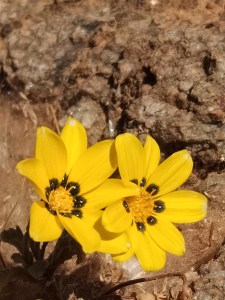
The pass is about 6km long with magnificent scenery along the entire pass. The mountains and rock formations are unbelievably beautiful!
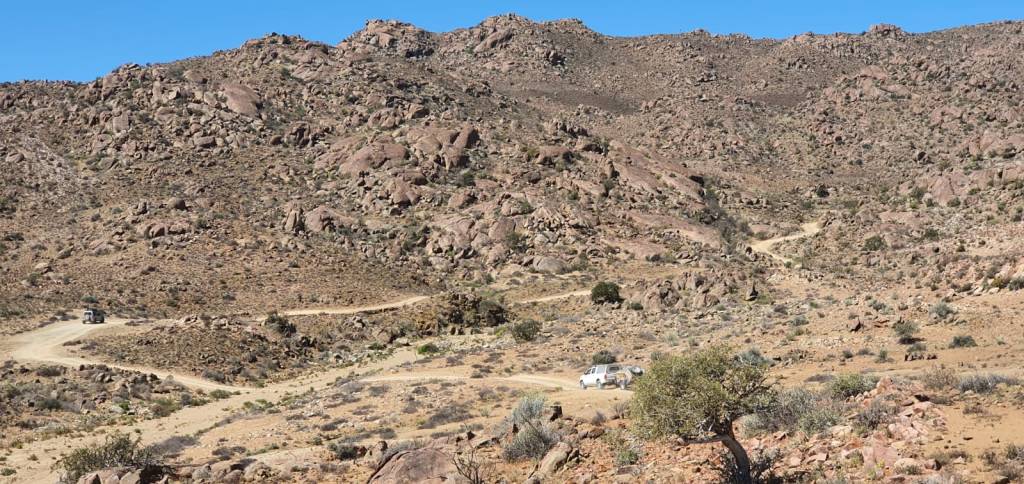
And then, as we came to the end of the pass, the flat openness of the desert lies in front of us. We could see big blue mountains in the distance, which we will have to cross in two days’ time.
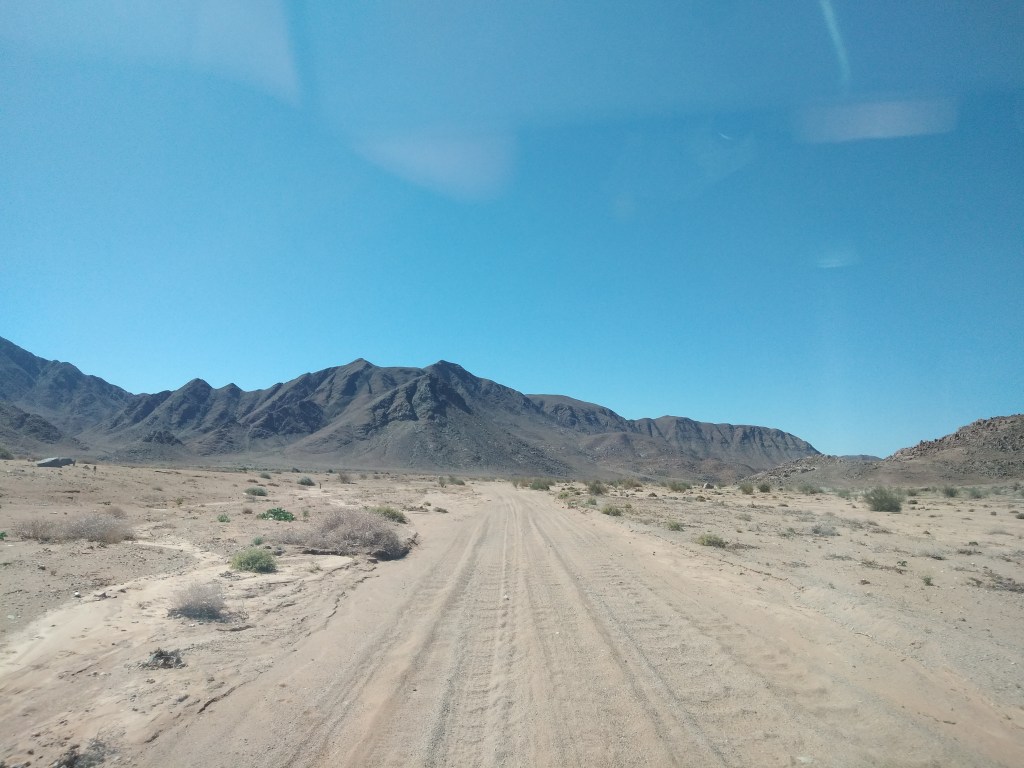
We were now turning our vehicles towards our camp spot for the next two nights, namely De Hoop. This is one of the most popular camping sites in the park and is next to the Orange River.
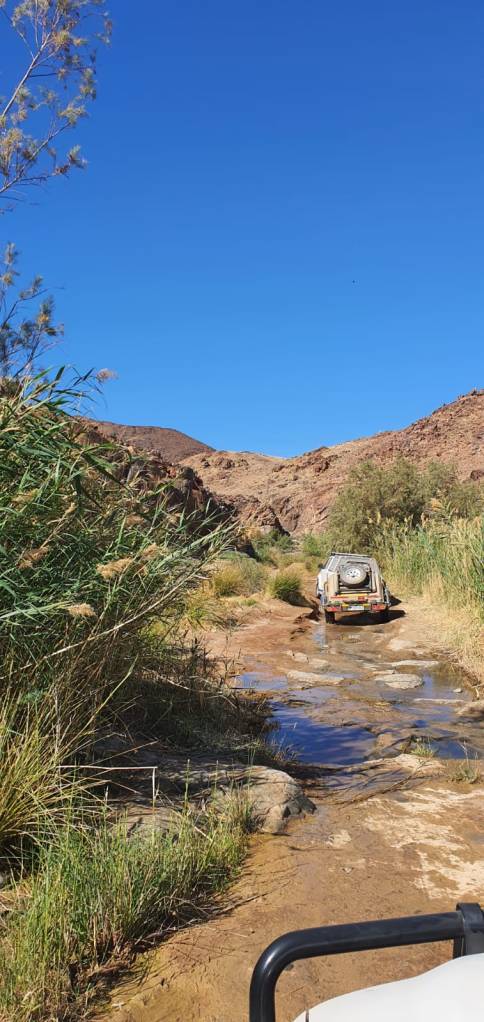
There were many campers at De Hoop, fortunately we managed to find a great spot on the edge of the Orange River.
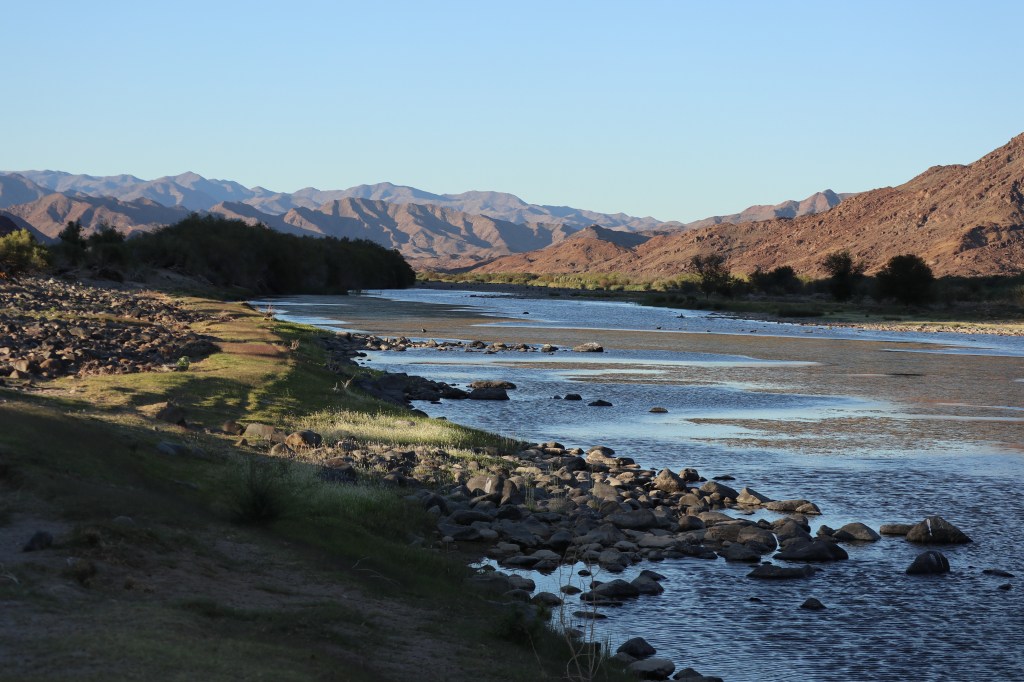
Our tents were soon set up and we got our chairs out to appreciate the wonderful views around us. There are well-maintained ablution facilities at the camp sites in the park (though only cold-water showers), but we were a bit further away which mean we had to drive to get there.

It was a wonderful day driving through this beautiful park. The silence and beauty of this place is an experience I will never forget – I do understand why people keep coming back here.

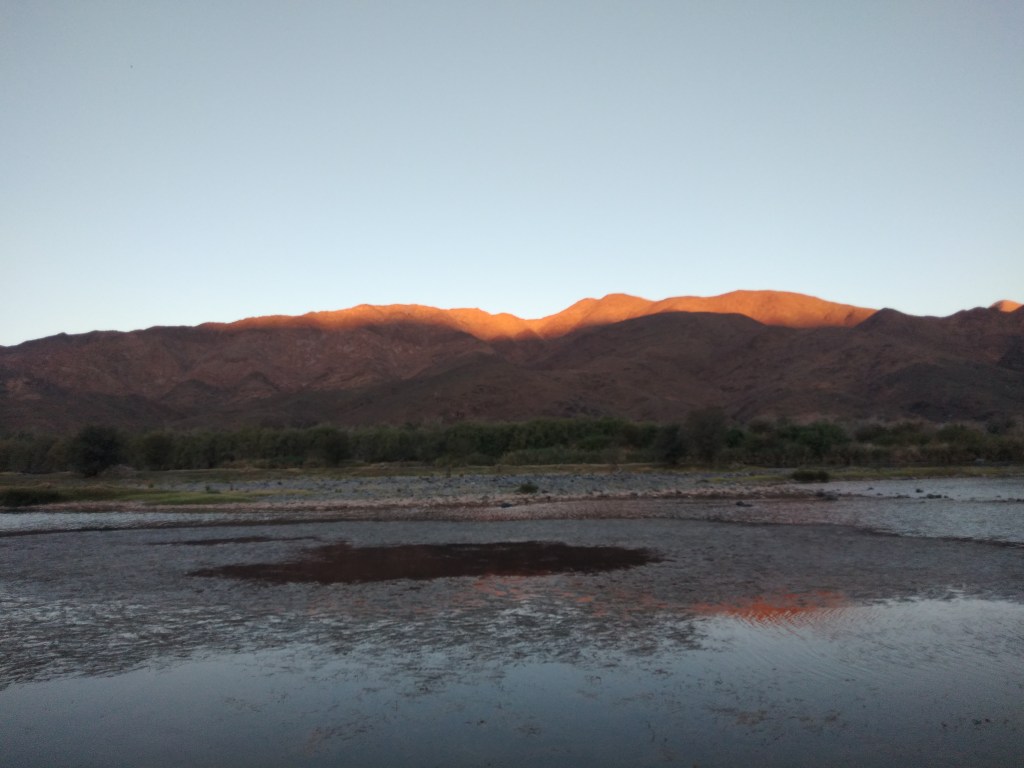
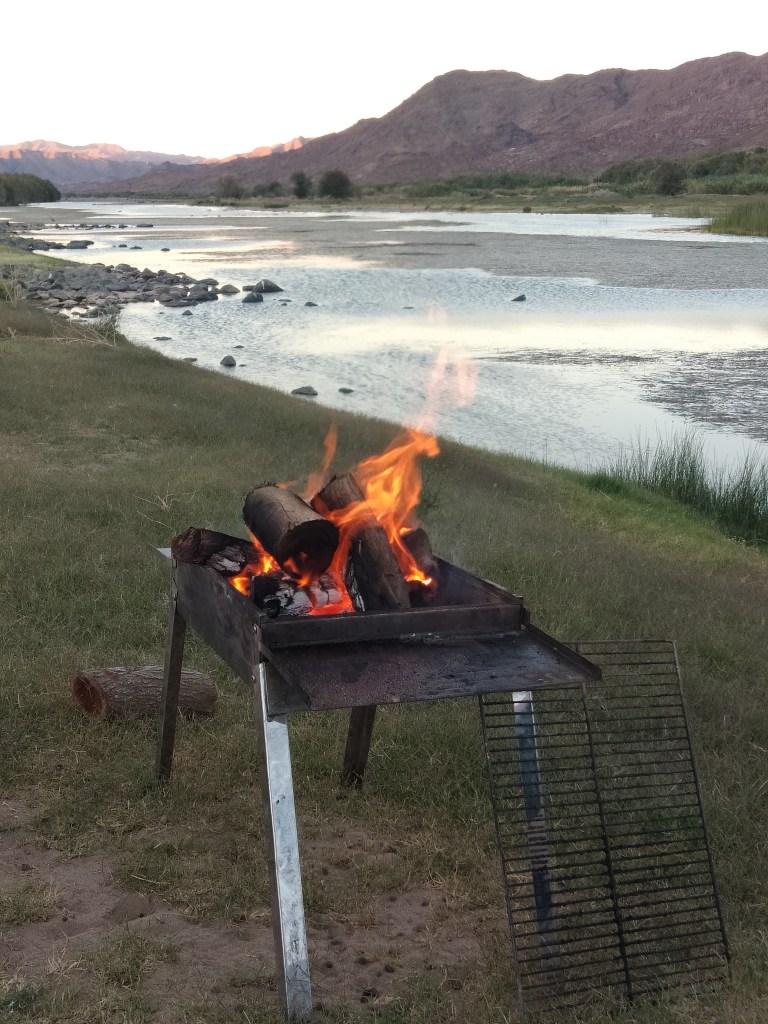
We once again prepared dinner on the fire. Tonight we eat curry pork chops, with onions and sweet potatoes that are wrapped in foil and then cooked in the coals. All of this will be served with curry pasta salad that Berto prepared the night before in Alexander Bay. Sounds like a meal fit for any king (or queen).
To read about Day 4, click here …
 Wet and Dusty Roads
Wow the changing landscape is fantastic, I have never done 4 x 4 traveling but reading this really makes me want to try it. I loved the history about the halfmens.. I never knew about them. Such awesome plants.
LikeLiked by 1 person
We love 4×4 trips (as you can tell) and because we are going slowly and stop often, we see so much more of nature.
LikeLiked by 1 person
Yes that is the best way of doing it.
LikeLiked by 1 person
Ps my husband is absolutely astounded that people would want to take these plants 😢😢
LikeLiked by 1 person
Yes, that really made me sad 😢.
LikeLiked by 1 person
I am not sure what happened to my first comment 🤔🤔
LikeLike