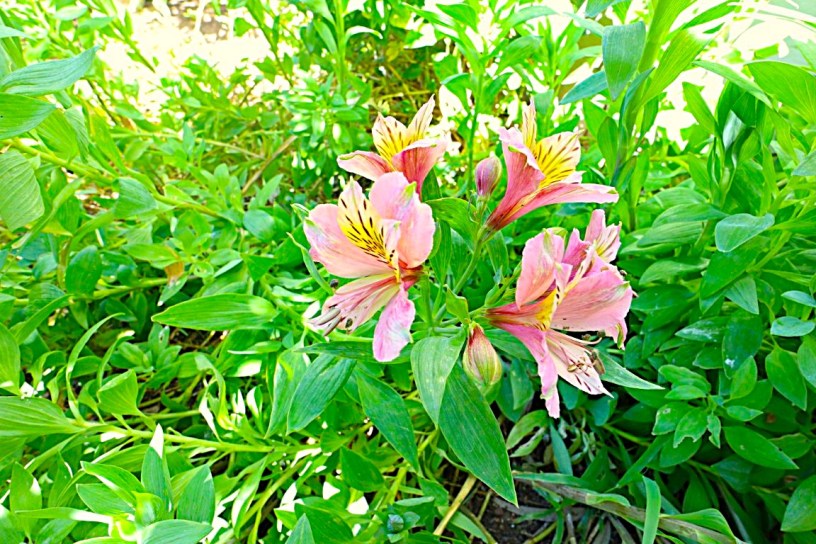
October 2026
Spring? Not so much this year
We are already in the month of October, and I haven’t put out my usual spring post yet. The reason is simple; we had a lot of rain at the start of winter, but from then onwards, it was just very cold (but dry) for the rest of the season.
There was a sprinkle of wildflowers at the beginning of August, but it wasn’t nearly as colourful and bright as what we’re used to. Still, I can’t let a year go by without doing a flower post. So, recently I grabbed the camera and walked through the gardens here on the farm where we live, and was surprised to see a few brave flowers poking their little heads out.
Enjoy a stroll through the gardens with me – I must admit, I was quite surprised to come across quite a few spring flowers.
There are always those flowers that never disappoint (even during a dry winter), like hibiscus, bougainvillea, and gazanias. They have bloomed bravely and brought bright colours to the gardens.
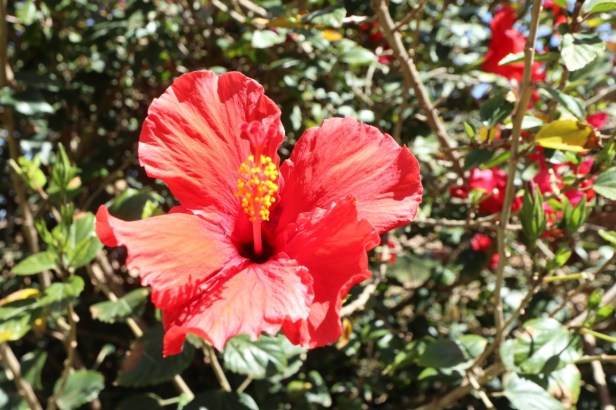
Hibiscus
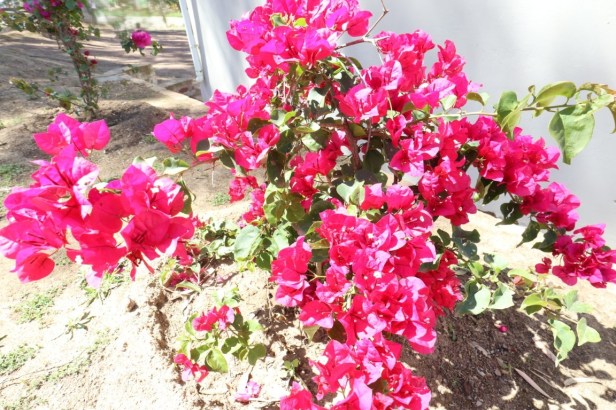
Bougainvillea
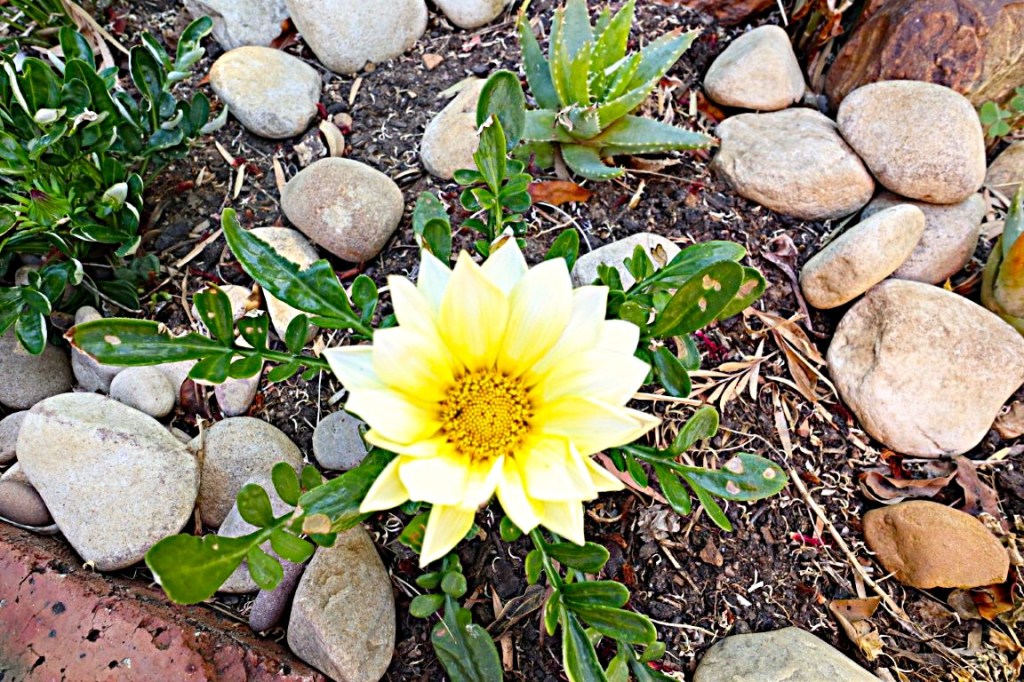
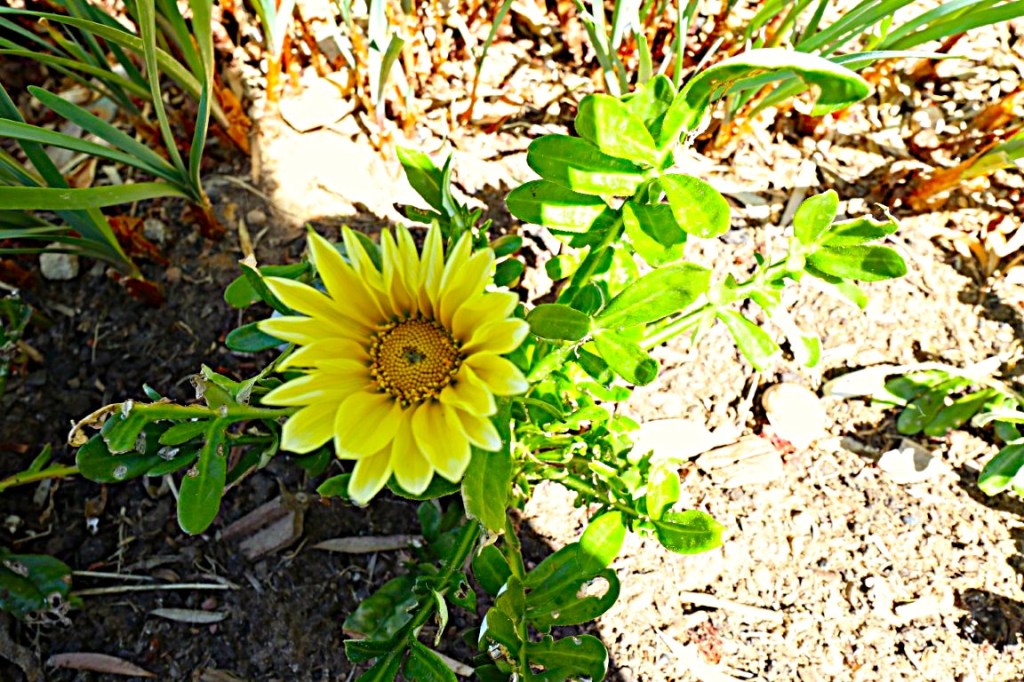
Gazania
The geranium (‘malva’ in Afrikaans) is part of the Pelargonium species. It is indigenous to South Africa, and I love the sweet smell of this little flower.
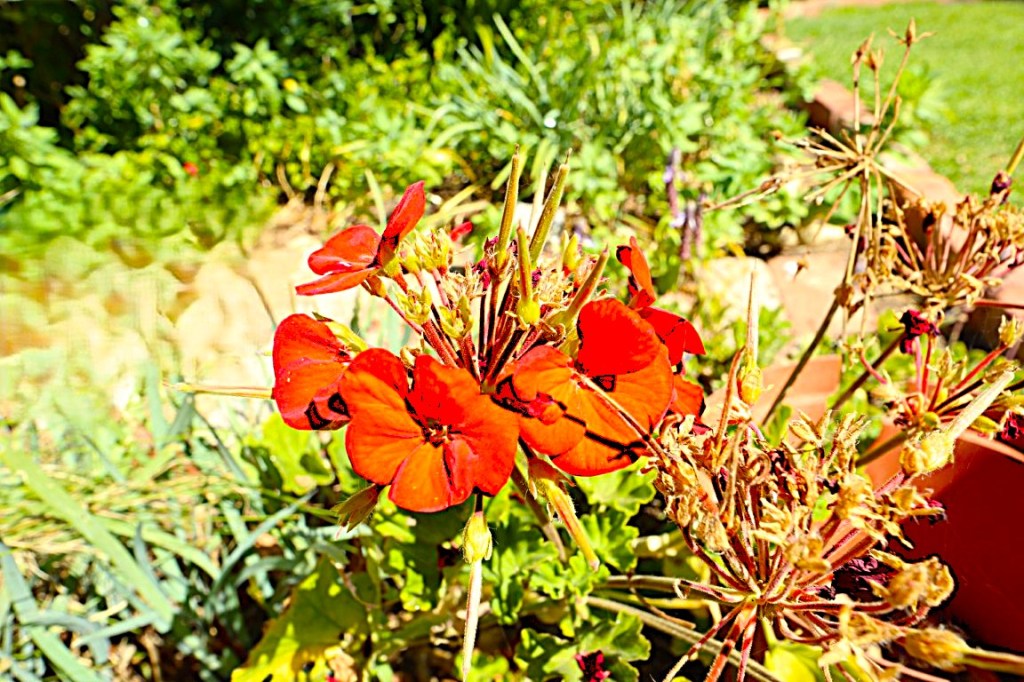
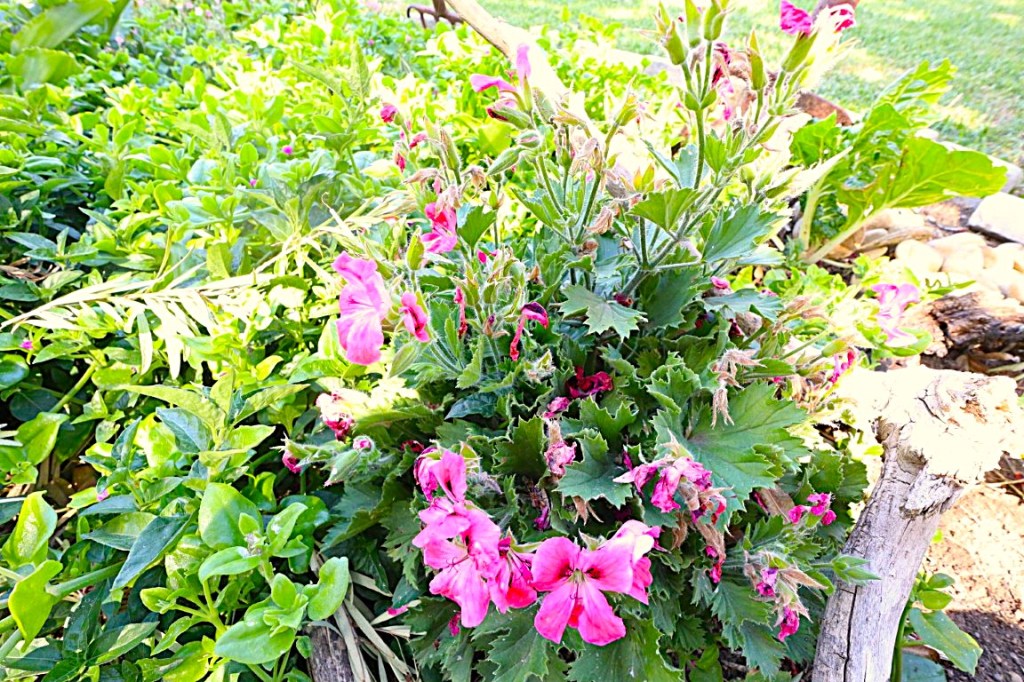
Geranium (pelargonium)
And then there’s the beautiful yellow daylily. It’s said that this plant can thrive in places where other plants can’t — maybe that’s why the dry winter didn’t stop this flower from blooming.
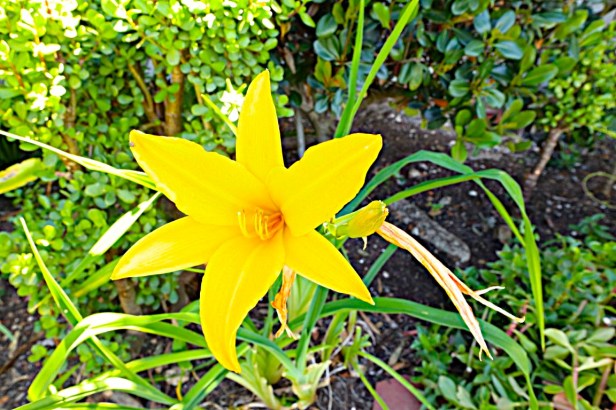
Daylily
The canna lily has been declared as an alien invader plant and as noxious weed in South Africa. But thankfully the hybrid canna cultivars are not considered invasive. Their florets tend to be short-lived, lasting only a day or two, so I was really happy to come across them in my flower hunt while there were still beautiful blooms on the stem.
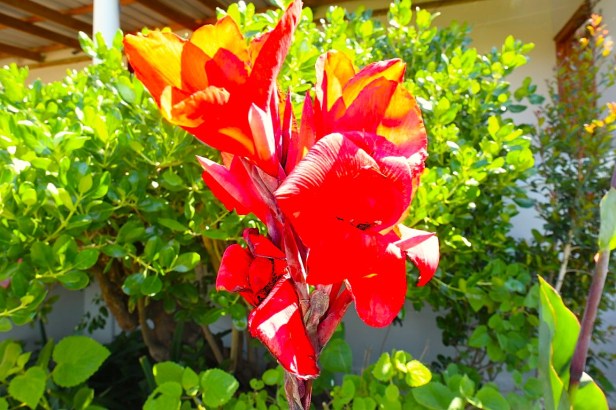
Canna lily
The vinca flower grows in shady spots under trees. Its common name is ‘periwinkle’ and whenever I hear the word ‘periwinkle,’ I always think of the edible sea snail (which by the way, I don’t eat). I rather prefer to admire the ‘periwinkle’ flower (it’s definitely much prettier than its sea namesake).
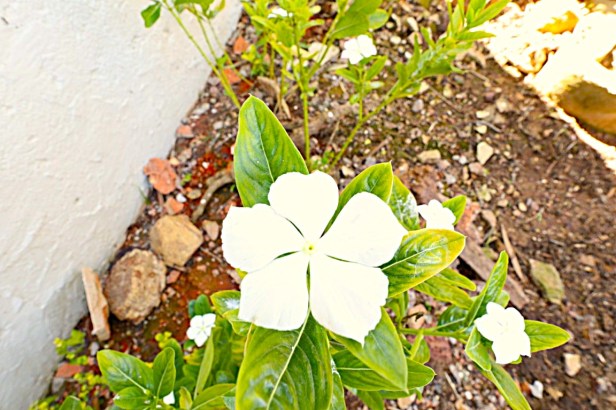
Vinca (‘periwinkle’)
The veltheimia (its common name is ‘forest lily’) flowers during late winter to spring and the flowerhead can lasts about a month. This flower was mentioned in Van der Stel’s journal back in 1685 during his Namaqualand trip in South Africa – isn’t it amazing that we can still find this flower more than 300 years later in the gardens?
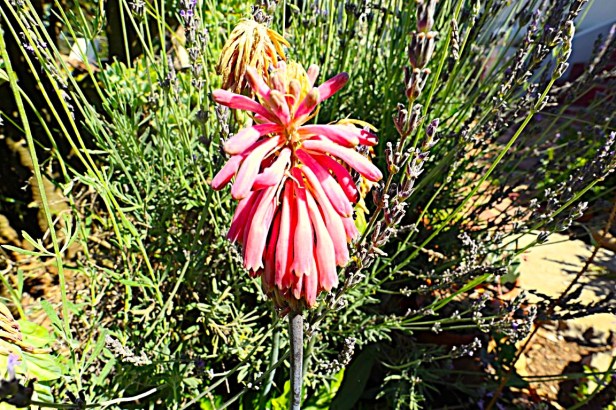
Veltheimia (‘forest lily’)
Another fragrant flower is the fly bush – a succulent plant native to Southern Africa. Besides keeping pests away, its aromatic scent helps to purify the air in both garden and indoor spaces.
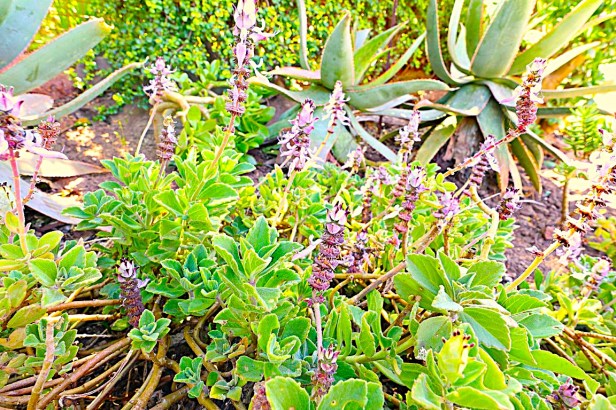
Fly bush
If there is one flower I often see when walking around the farm, it’s the beautiful Inca lily. They have a long flowering period and are very popular cut flowers that can last 2–3 weeks in a vase – although I much rather prefer to admire them in the garden.
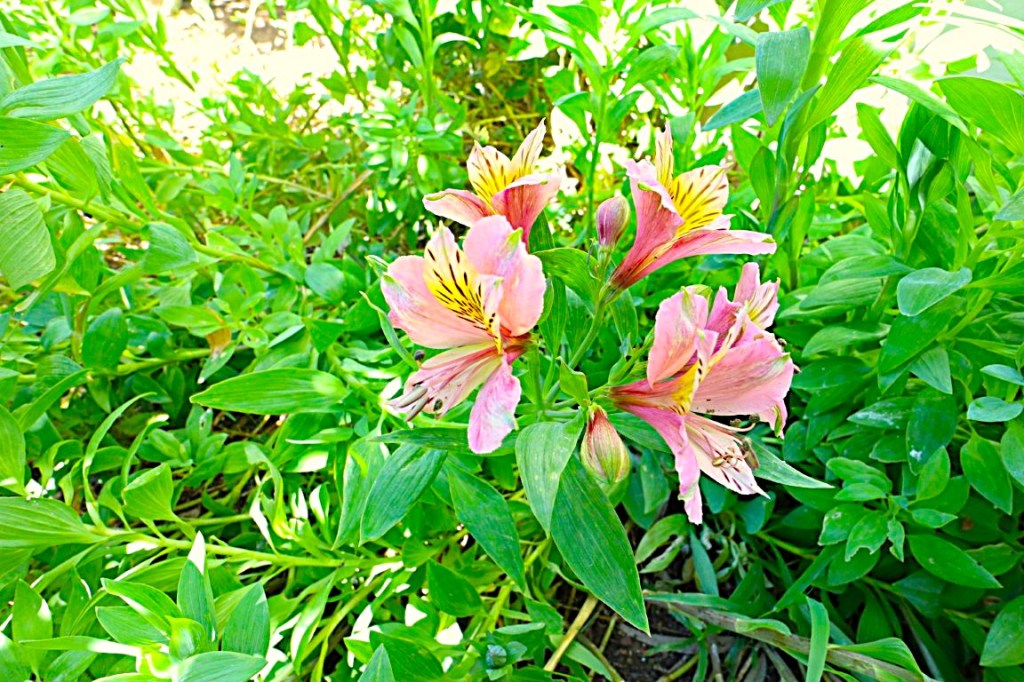
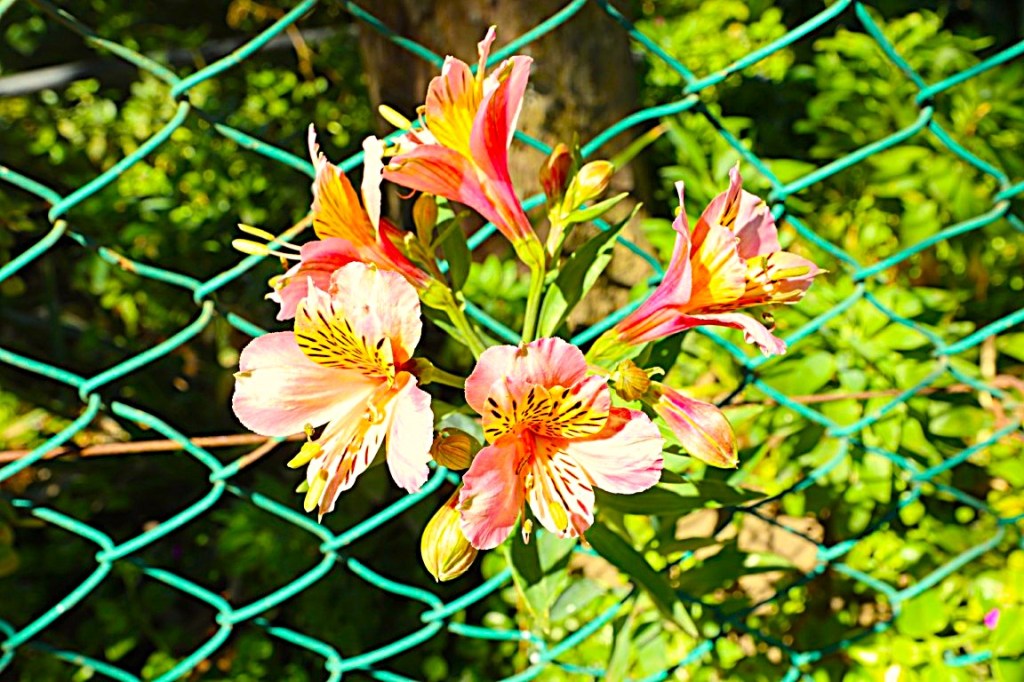
Inca lilies
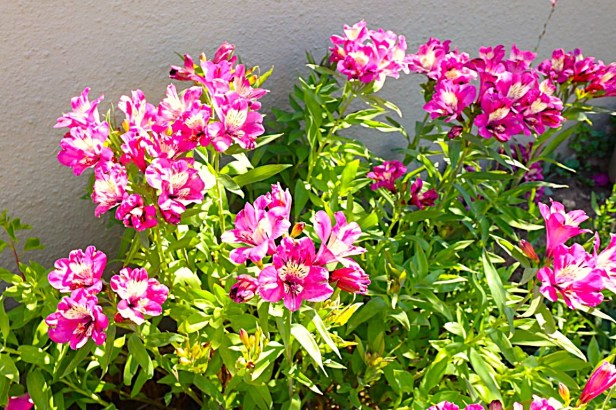
Inca lilies
I have a soft spot for nasturtiums. These were one of the first flowers that Berto and I planted in our garden just after we got married 30 years ago. This little, brightly coloured flower is not only beautiful in the garden but can also be used in salads.
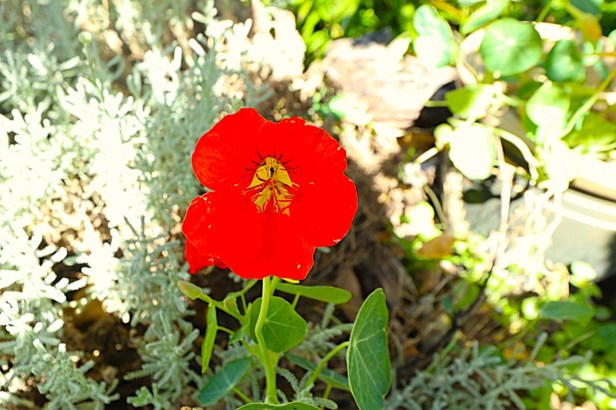
Nasturtium
The coppery mesemb (‘vygie’ in Afrikaans) is a vibrant succulent plant belonging to the Aizoaceae family and is native to the Western Cape Province of South Africa. It thrives in harsh and arid conditions; no wonder these tiny flowers are blooming this spring after a very dry winter.
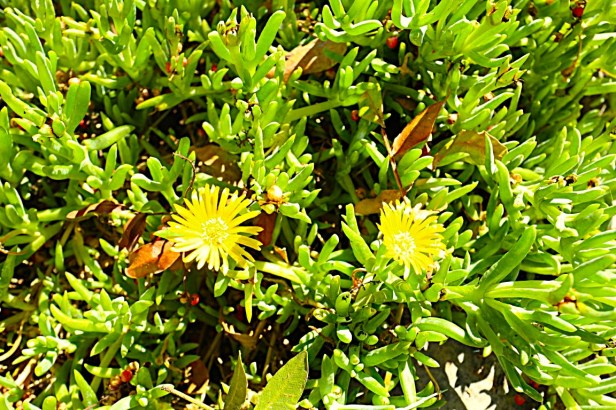
Coppery mesemb
A little flower that I have shown many times before on our blog is the delicate oxalis (its common name is sorrel). It comes in various colours, but mostly pink and purple. I smiled when I consulted the internet about the characteristics of this little flower and it mentioned that the flower display sleep movements, drooping or folding at night – sounds very much like me after 8 o’clock in the evening.
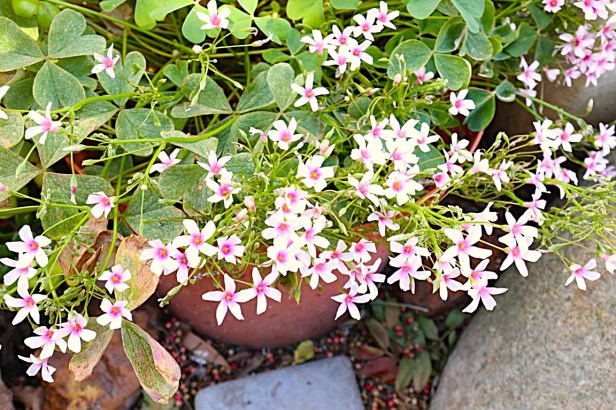
Oxalis (‘sorrel’)
Our last flower is the beautiful clivia. It blooms in winter and spring, and I love these trumpet-shaped, fragrant flowers. In African tradition, people believe that if a clivia grows near your house, it brings wealth in children, livestock, crops, and good health. It’s definitely the perfect flower to have here on the farm.
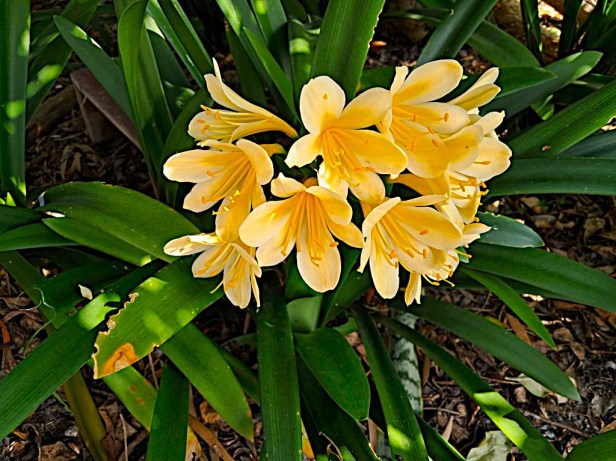
Clivia
- Many thanks to the three women on the farm (Angelique, Sarah, and Nauline) for helping me identify all the flower names.
I’d like to end this post with three photos that have nothing to do with flowers, but do relate to the changing of seasons.
The first wheat in South Africa was planted in the winter of 1652 by Jan van Riebeeck, and by 1684 wheat production was well established in the Cape Province. Centuries later, wheat is still farmed in this area. And even though the canola fields have just been harvested, it was a beautiful sight in September (even though we haven’t had much rain). The canola plants are an important part of South Africa’s agricultural landscape and contribute to the production of canola oil, animal feed, and biofuels.
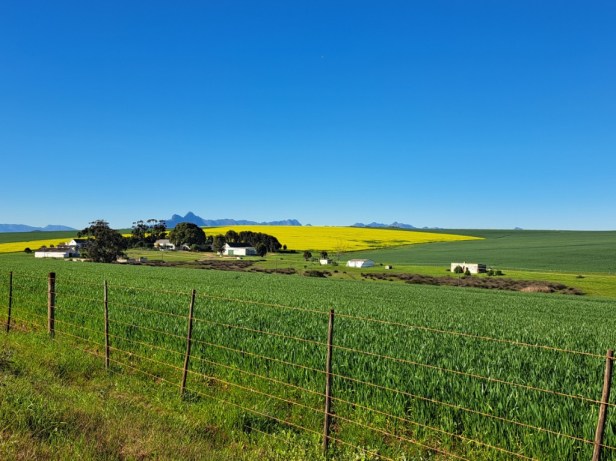
Wheat and canola fields
I like standing by our bedroom window and watching the weavers while they build their nests in the tree. To attract females, male weaver birds go to great lengths. Since the ultimate choice of a mate usually belongs to the female, the male weavers leave nothing to chance in their construction of the delicate and skillfully woven little nests.
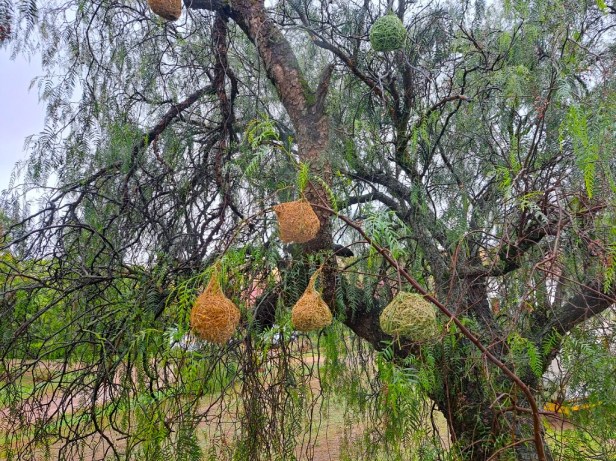
Weavers’ nests outside our bedroom window
And then there’s that one photo that I shared with you last year too – the early morning spring sun shining through our bedroom window and casting a beautiful light on the wall. This time I took a ‘self-portrait’ … how wonderful is nature?
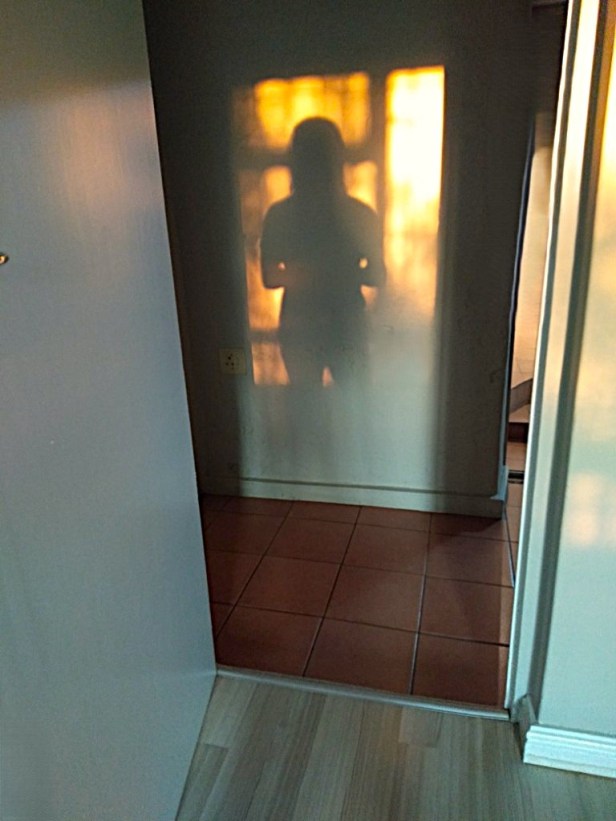
Self-portrait thanks to the morning spring sun
I hope you all enjoyed our peculiar spring post. I once read a quote that says: ‘The earth laughs in flowers’ (Ralph Waldo Emerson). That might just be true, because even through my hay fever, I laugh along.

