August 2026
Take a stroll through a historic village
We’ve driven past Matjiesfontein quite a few times in the past. This historic village in the Karoo is located along the N1 highway between Laingsburg and Touws River. Every time we saw Matjiesfontein, we told each other that we should make time one day to visit this small town and maybe even stay at the famous Lord Milner Hotel (where ghosts supposedly roam). Well, we finally managed to do that and enjoyed every minute of our stay there – yes, even while we had quite an interesting night in the hotel. If you want to see more of Matjiesfontein, come along with us!
As always, lets quickly show you what a beautiful morning we had while driving to Matjiesfontein. We hit the road early morning to cover about 257km/160 miles to reach the charming Victorian village of Matjiesfontein with enough time to explore the town.
On our list were visits to the two museums, a street with Victorian architecture buildings, the old railway station, cake at the Coffee House, a typical English pub lunch at Laird’s Arms, and finally to see what the Lord Milner Hotel looks like. That was a lot to do in just one day, but we did it and had so much fun.
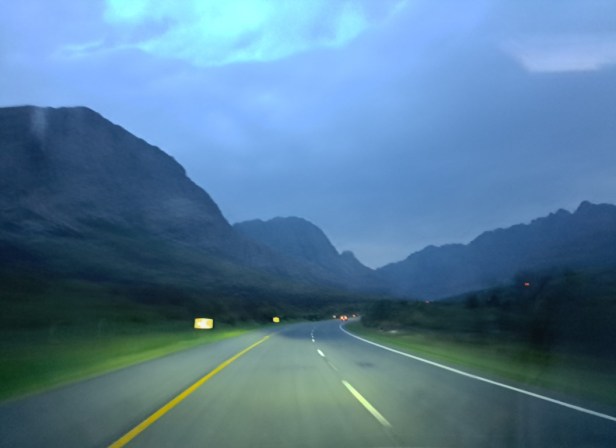
Early morning on the N1 highway
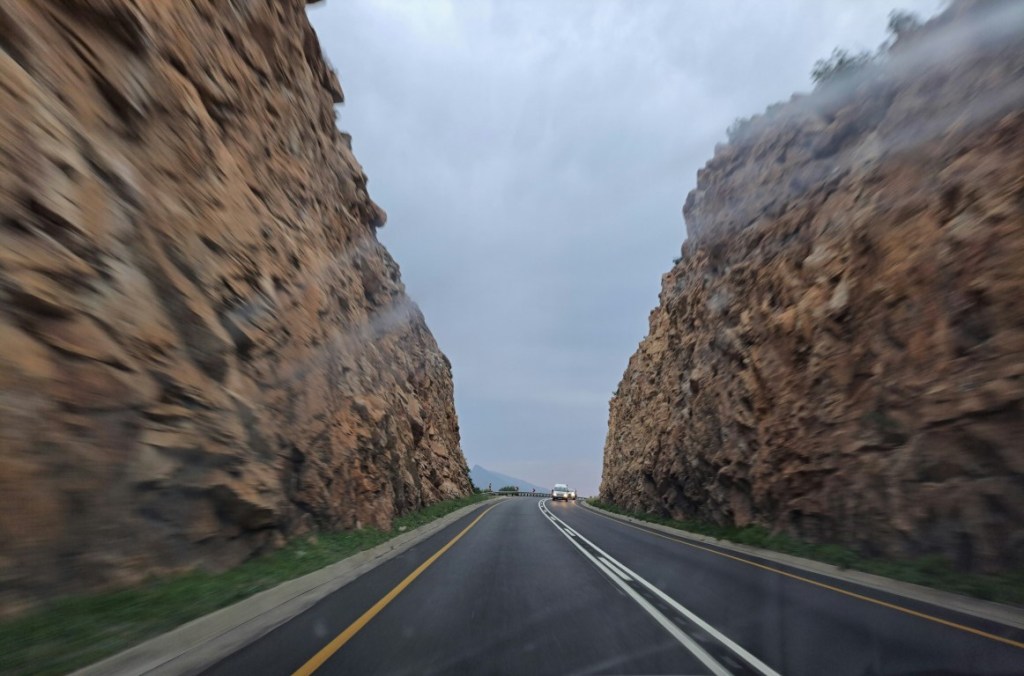
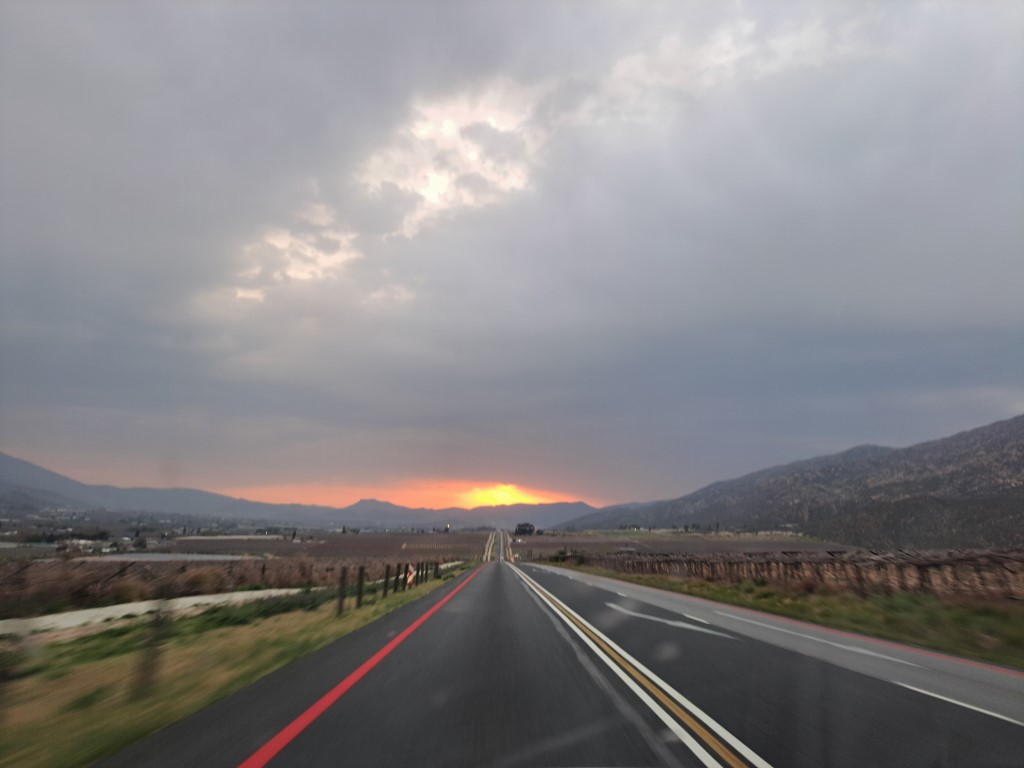
Driving through the Hex River Valley
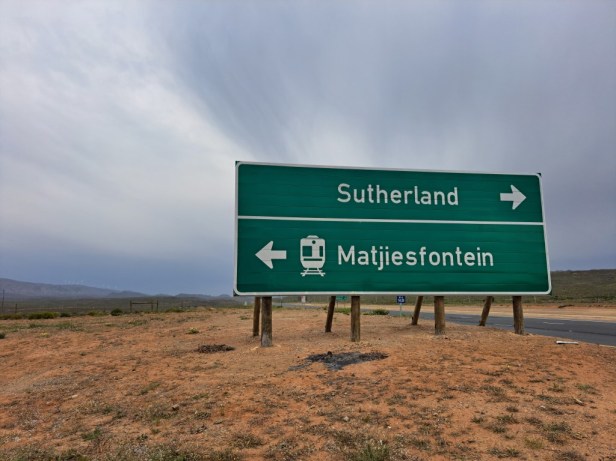
At the turn off to Matjiesfontein
Matjiesfontein (‘Fountain of little reeds’) dates back more than 300 years when a small Khoikhoi settlement made this area their home. However, it was a Scot named James Logan who put Matjiesfontein on the map in 1884.
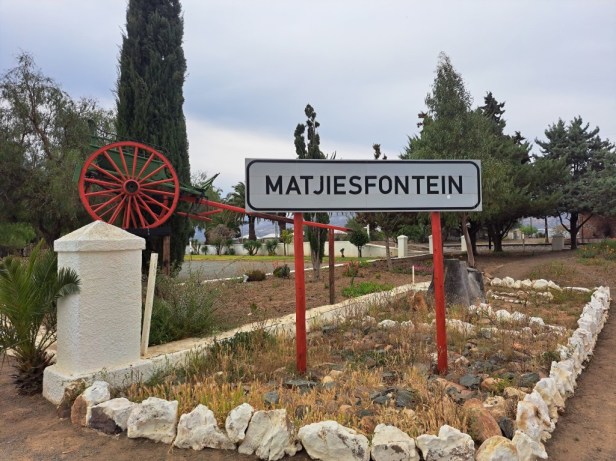
At the entrance of Matjiesfontein
In short, James Logan was the son of a minor Scottish railway official, and when he was just 19 years old, he arrived by ship in Simon’s Town. With only £5 in his pocket, he walked to Cape Town and started working for the Cape Colonial Railways. He married Emma Haylett from Cape Town and eventually became the District Superintendent of the railway line between Hex River and Prince Albert, stationed in Touws River (55km/34 miles from Matjiesfontein). There, he was cured of a chest ailment thanks to the dry, clear Karoo air.
James then decided to move with his family (wife and two children) to Matjiesfontein. At that time, trains didn’t have dining cars, so contracts were arranged with railway stations to serve refreshments to travellers. James gained the refreshment room concession in Matjiesfontein in 1884 which moved him steadily towards his goal of wealth.
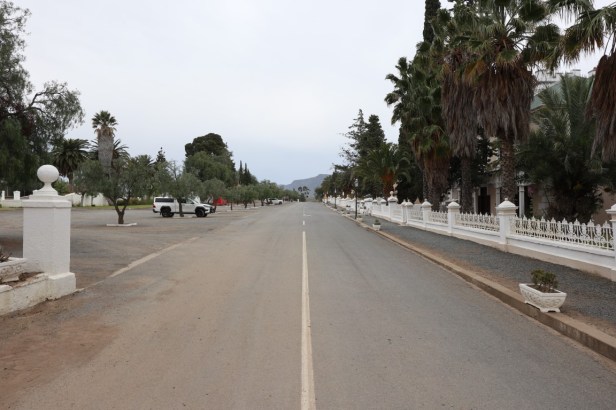
Logan Street in Matjiesfontein (named after James Logan)
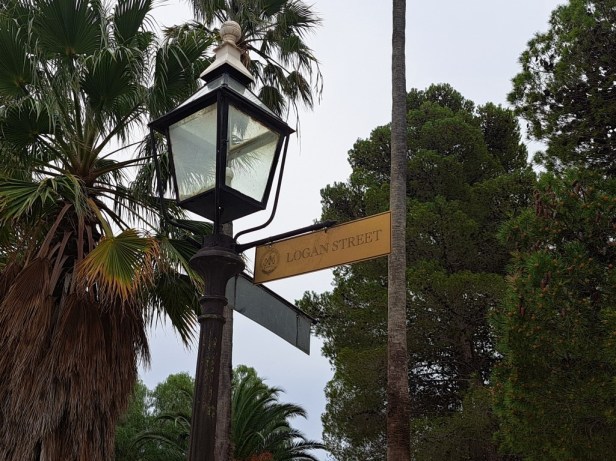
Old London streetlamps
Between 1884 and the outbreak of the Anglo-Boer War (1899 – 1902), Logan developed Matjiesfontein into a beautiful Victorian health and holiday resort that was often visited by the rich and famous. Governors, premiers, and leading political figures of the Cape were among the visitors. During the Anglo-Boer War, a large British remount camp with 10,000 troops and 20,000 horses was set up on the edge of Matjiesfontein.
During this time, the Lord Milner Hotel served as a hospital for British officers, with the central tower being used as an armed look-out post.
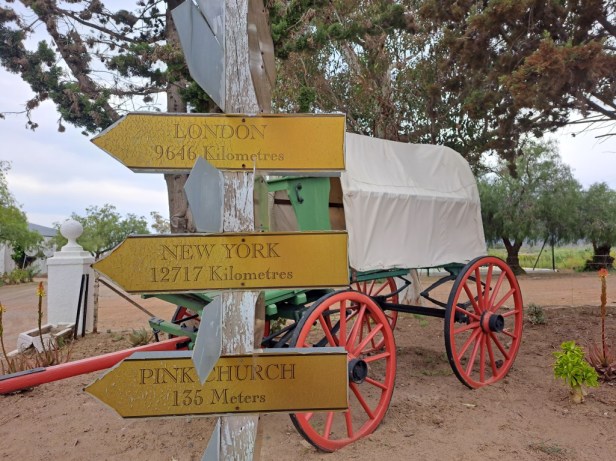
Old ox-wagon in Logan Street
When James Logan died in 1920, his beloved Matjiesfontein was no longer the fashionable resort it once was. By the end of World War II, it had gone into decline and fallen into obscurity. But then, in 1968, David Rawdon bought the whole town, and just two years later reopened the doors of the Lord Milner Hotel. He basically brought Matjiesfontein back to life by restoring the old buildings, the hotel and opening up the two museums.
This is quite a long summary of the history of Matjiesfontein, but you need to know this in order to understand where the village comes from. Let’s show you how beautiful Matjiesfontein looks these days and how Rawdon left no stone unturned to restore the town to its former glory.
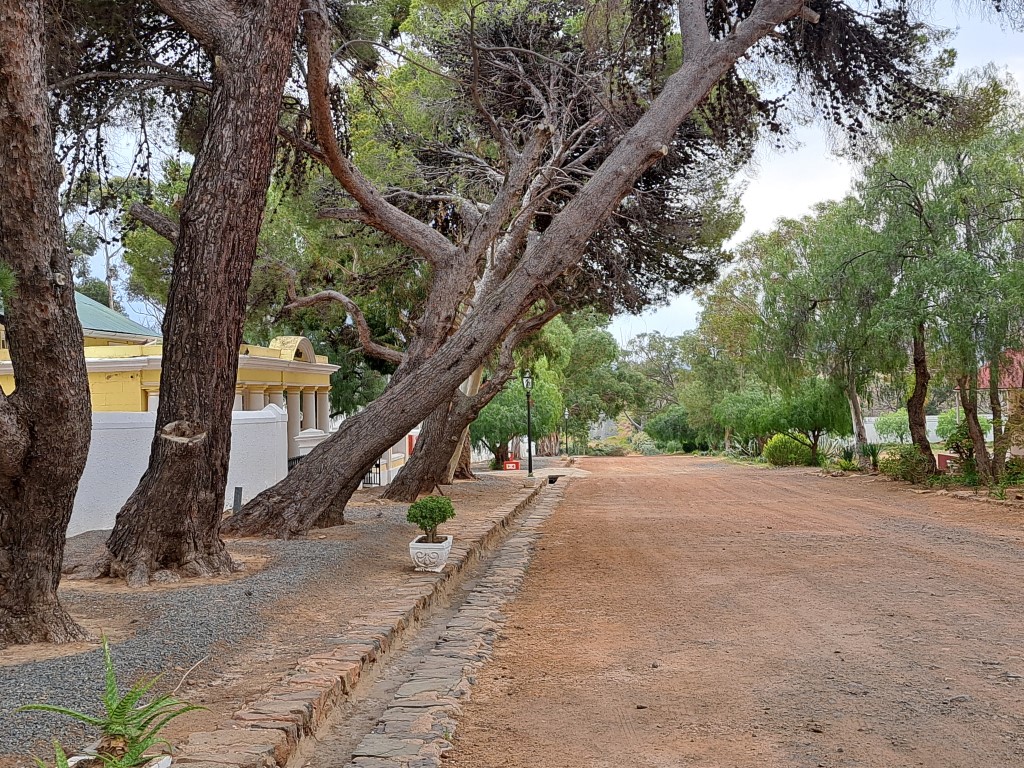
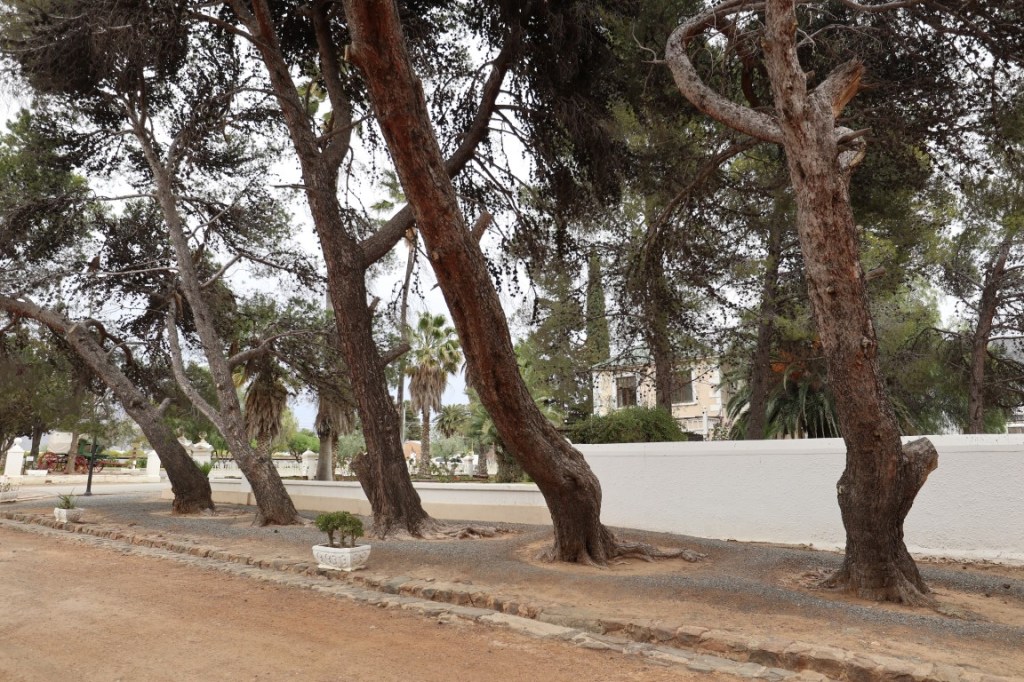
Old trees on both sides of a dirt street
The first notable building we saw was the old Court House, built in 1897. This is where the trial of the Boer hero Commandant Gideon Scheepers (*) took place. He was eventually executed for ‘alleged’ war crimes.
(*) In 2025 we stopped at the Gideon Scheepers monument at Graaff-Reinet when we visited the Valley of Desolation (read here).
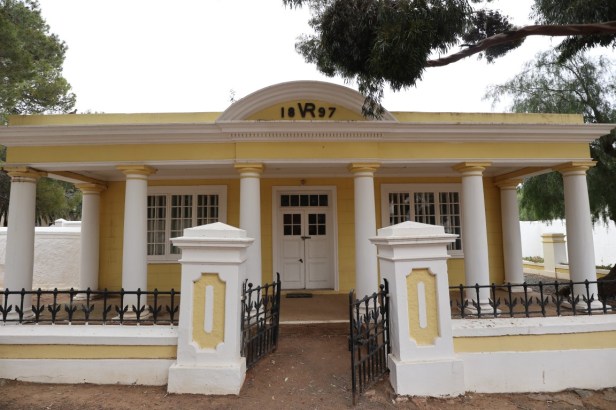
Old Court House (embellished with the Royal cypher ‘VR’)
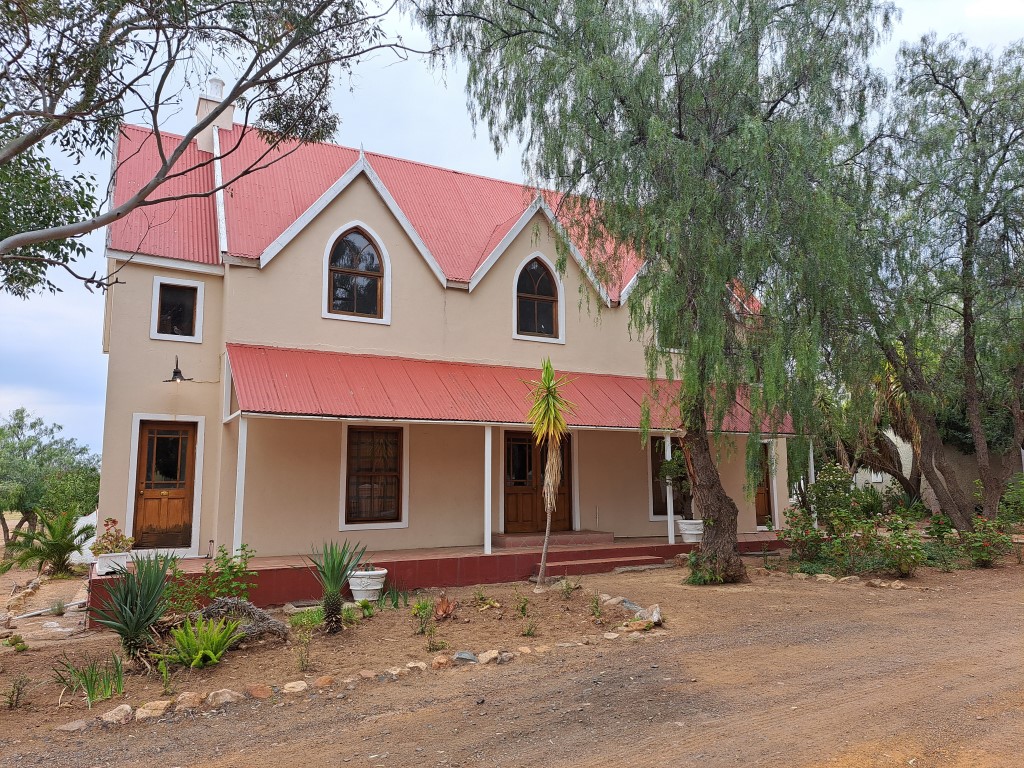
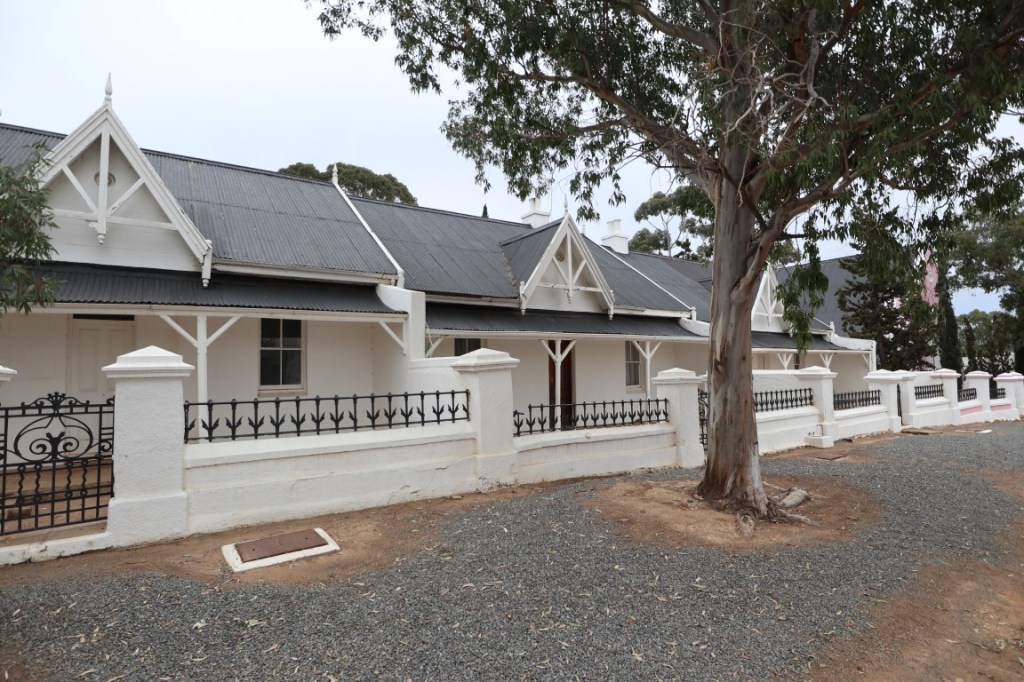
Restored houses
At the end of this dirt road is the pink church. This building was originally the school and concert hall. With the Lord Milner Hotel often hosting weddings, the pink church is now the perfect place to get married.
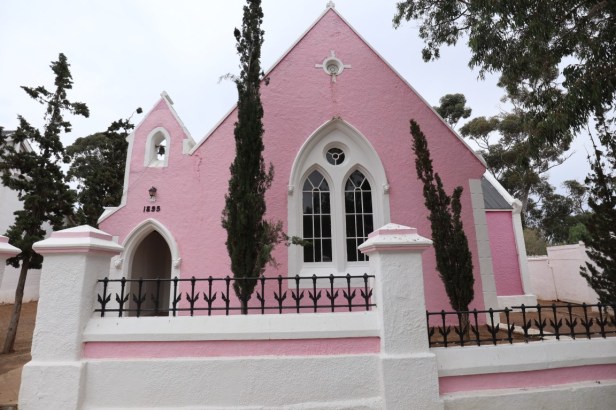
The pink church
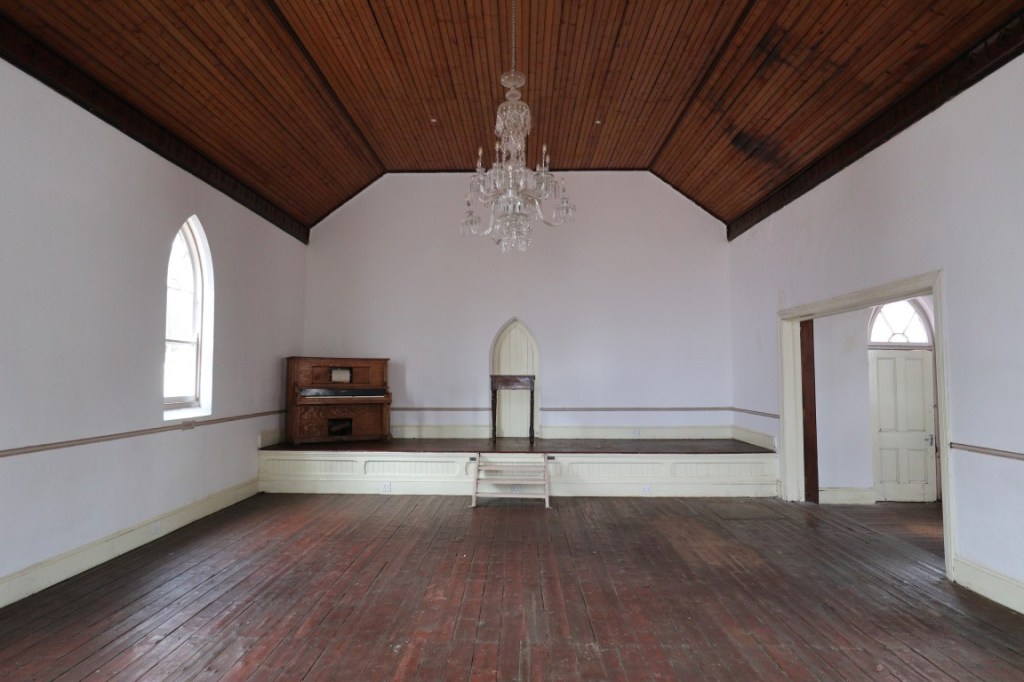
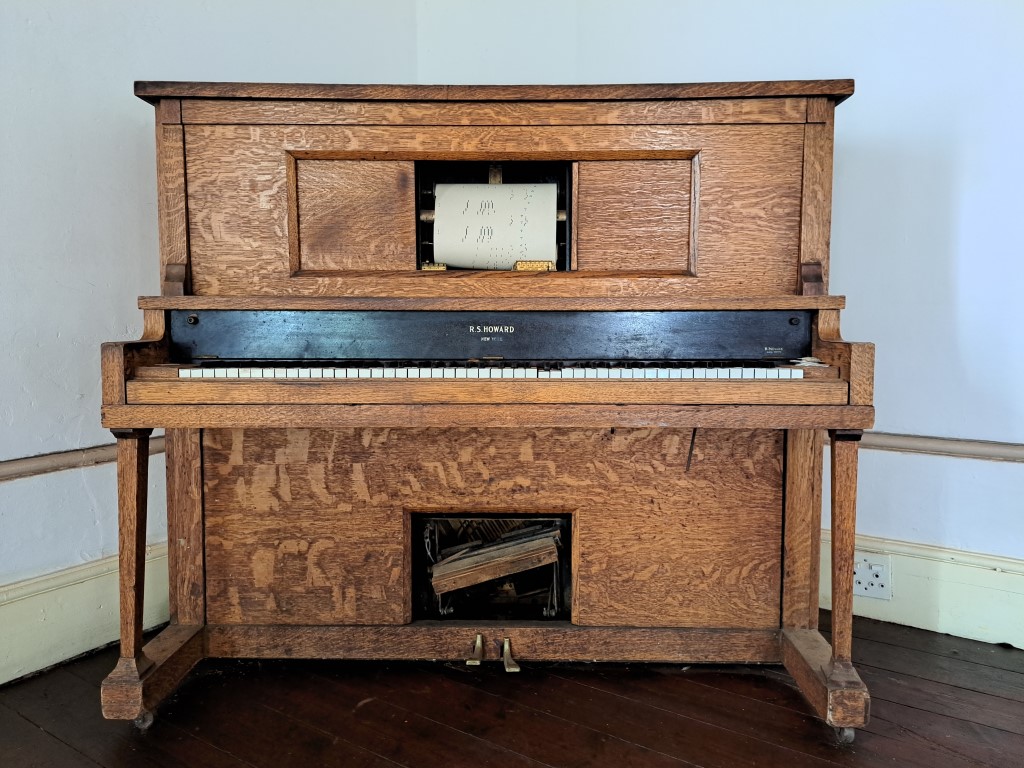
Inside the pink church
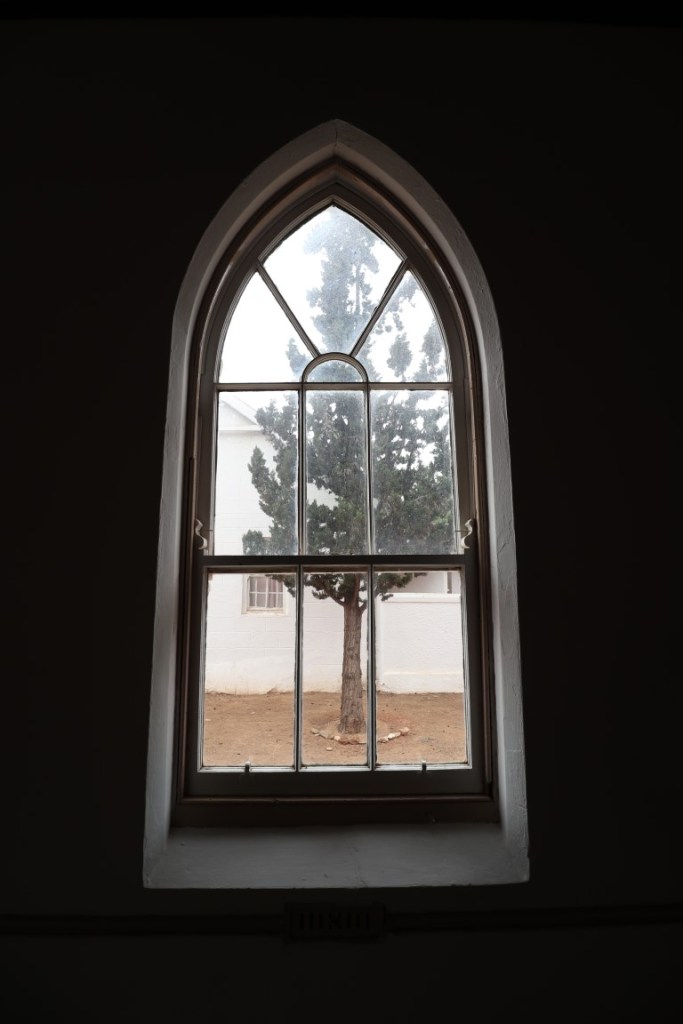
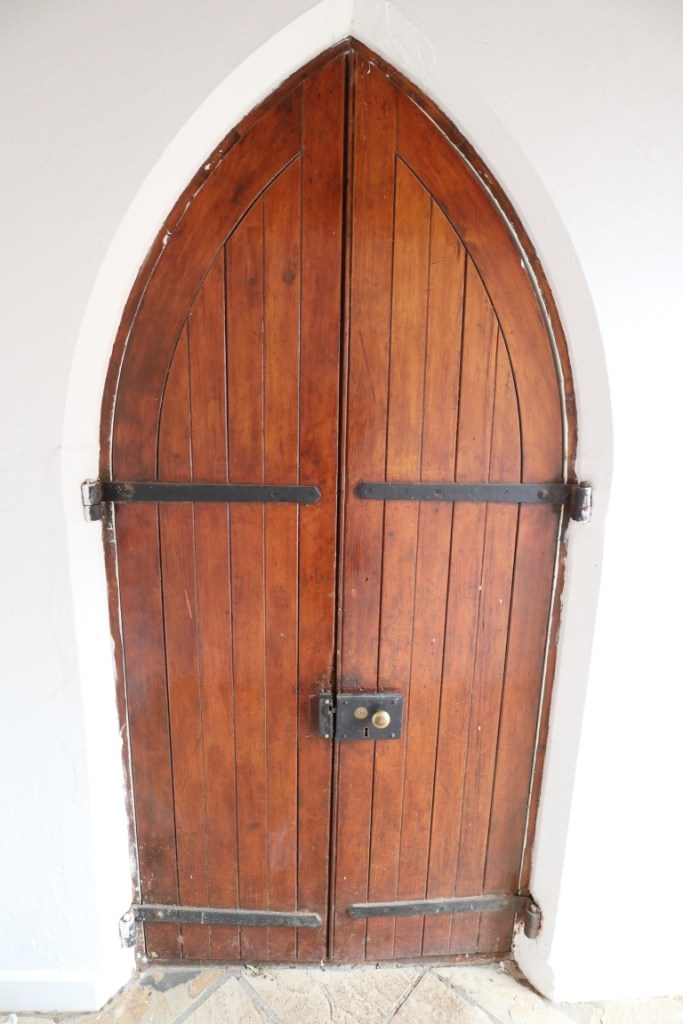
Window and door of the pink church
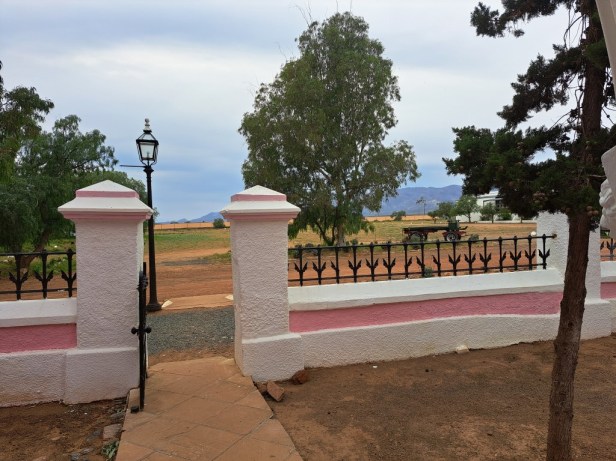
Leaving the pink church through the front door
When we left the church, we could see the historic cricket field across the road, established in 1889. James Logan was an avid supporter of the game, and during the 1890s, he hosted English and South African cricket players at this unlikely venue.
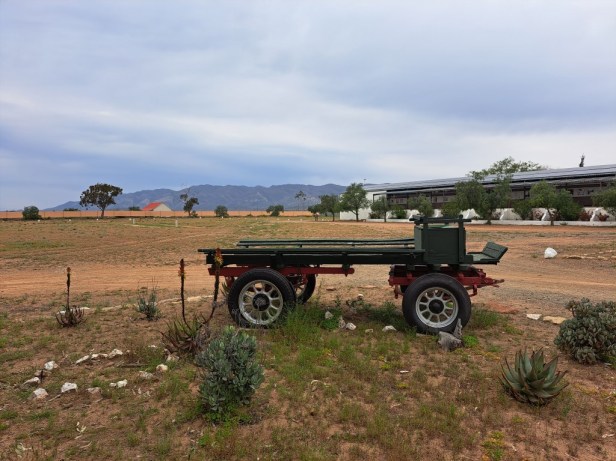
Cricket field behind an old cart
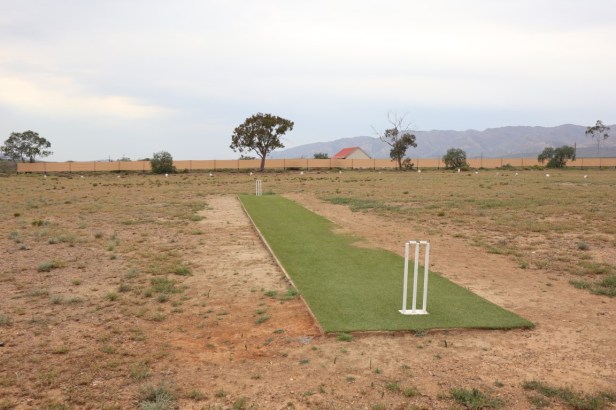
Historic cricket pitch
We were quite surprised to see an old red double-decker London bus. This bus takes visitors through Matjiesfontein where you’ll pass by small landmarks. The bus leaves every day around 5:30 PM from the Laird’s Arms Pub and within 10 minutes you’re back where you started – it’s described as ‘the shortest bus tour known to man’.
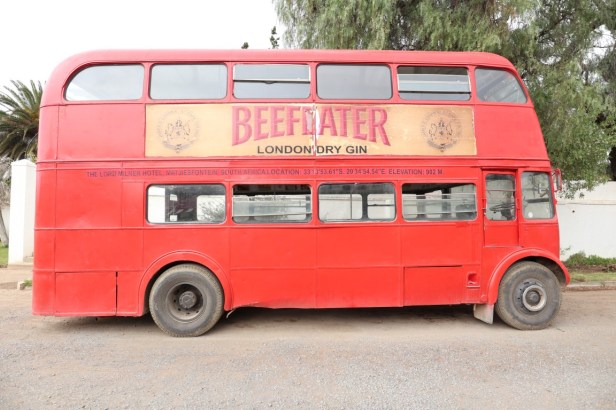
Red double-decker London bus
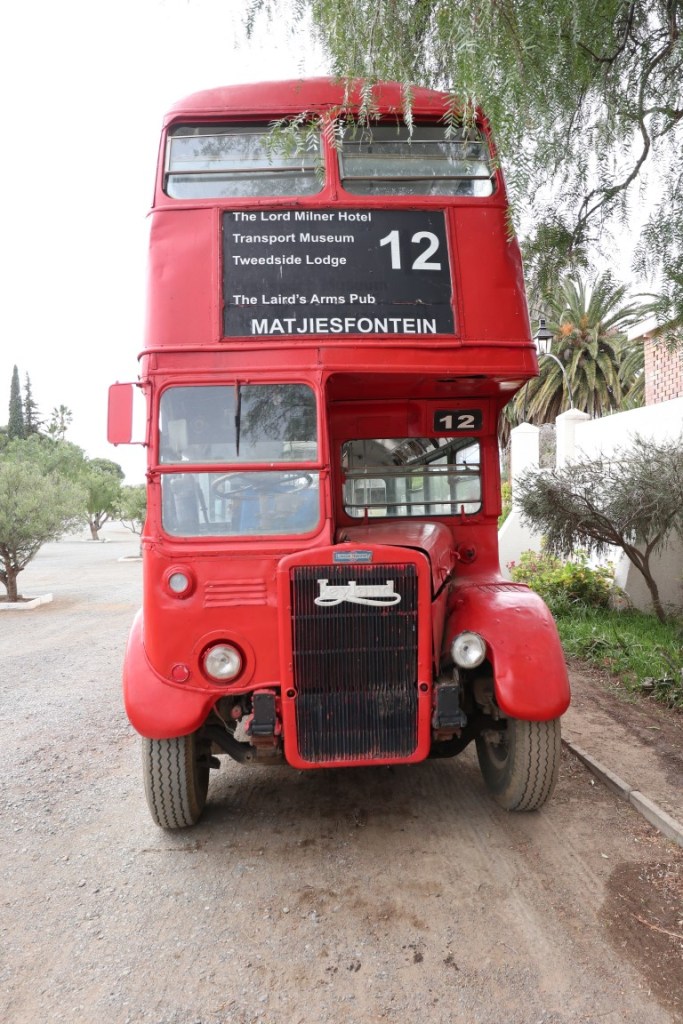
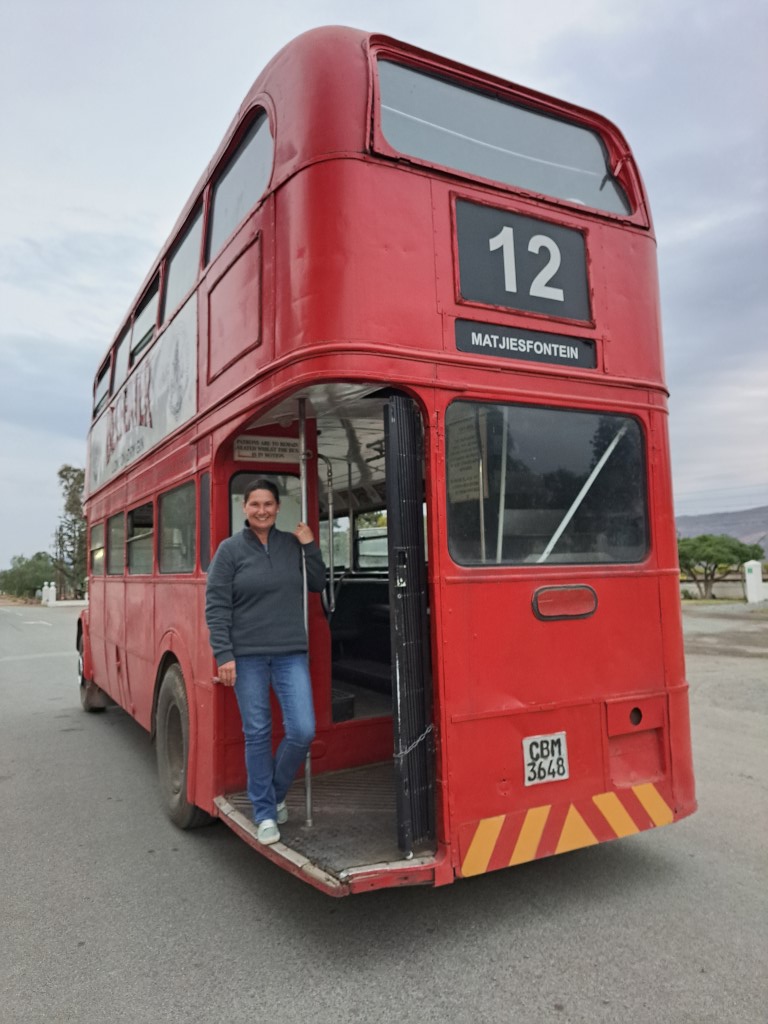
Enjoy the shortest ever bus tour in Matjiesfontein
It was now time to head to the railway station, which is right across the road from the Lord Milner Hotel. The original station opened on this site in 1878, and the present elegant Victorian building opened in December 1890. This is where the Marie Rawdon Museum is housed, with some of the most incredible collections of Boer War relics and other artifacts we’ve ever seen (we’ll show you more of this museum in a future post).
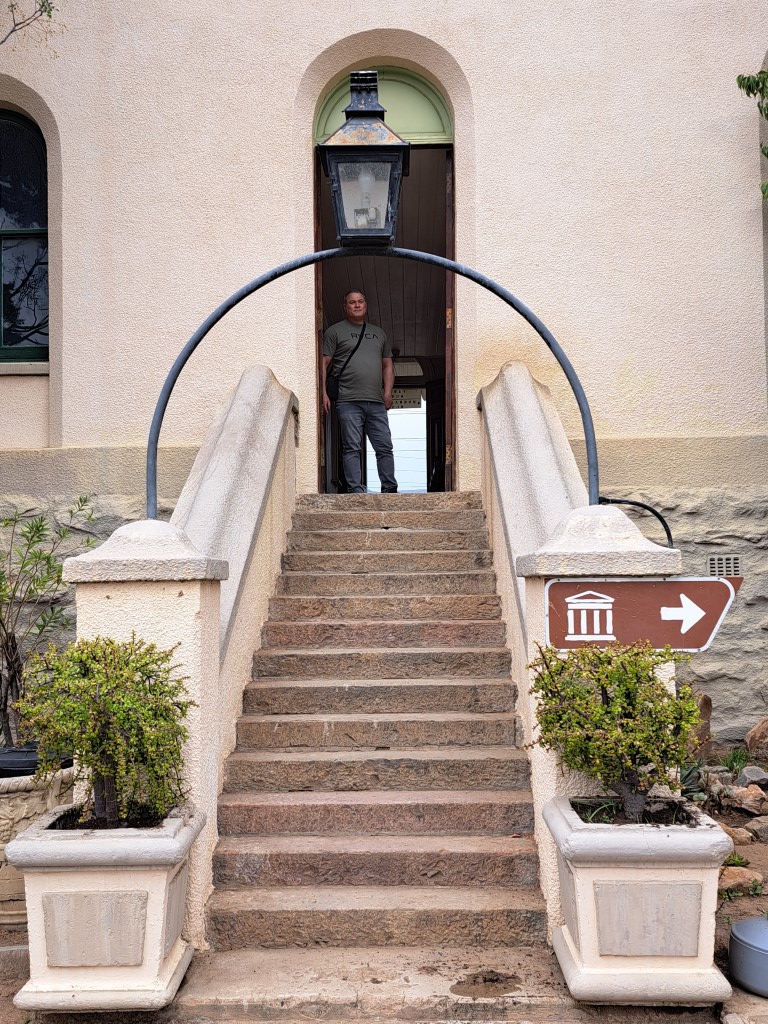
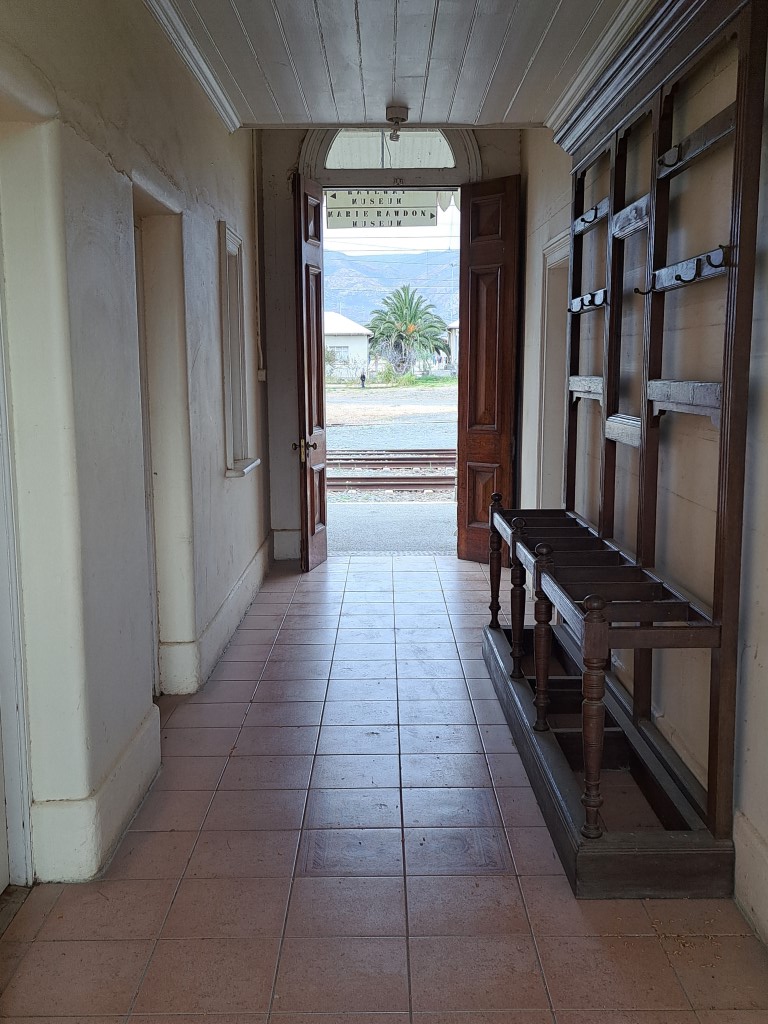
Taking the stairs to the railway station at Matjiesfontein
For years, the train ride from Cape Town to Matjiesfontein was on almost everybody’s bucket list. Unfortunately, after the Covid-19 pandemic, the passenger train stopped running the route. But it seems things are hopefully slowly getting back on track (pun intended), because in July this year, after a five-year absence, the train ran to Matjiesfontein again. We’ll keep our eyes on the calendar because that would be such a joy ride.
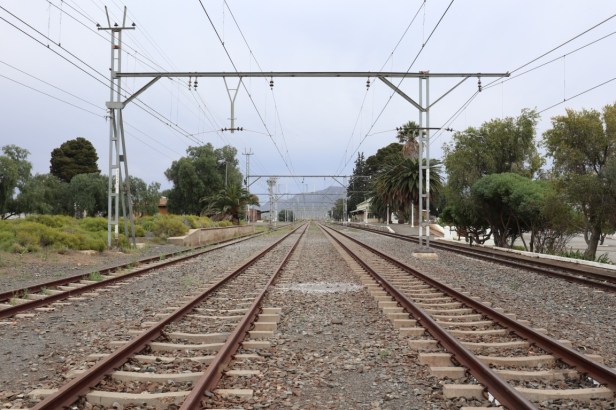
The railway station at Matjiesfontein
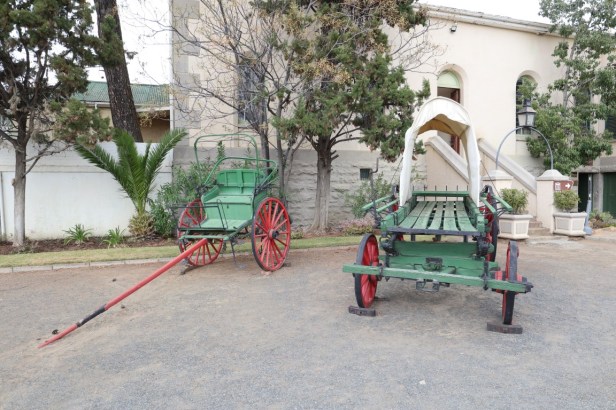
Old cart and ox-wagon in front of the train station
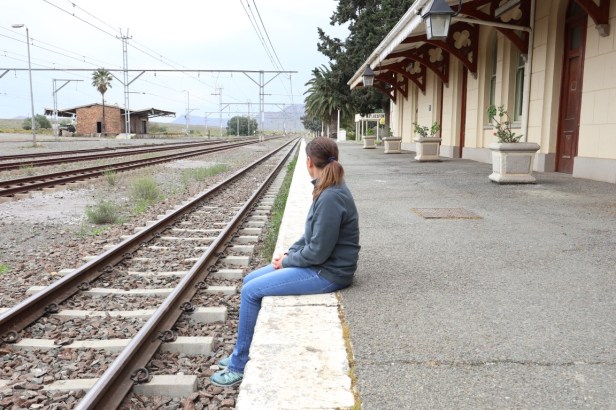
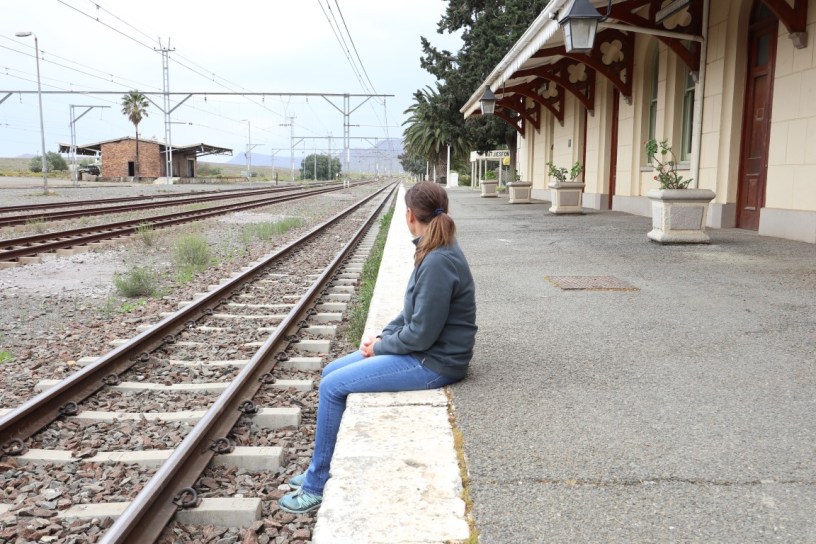
Waiting for the train
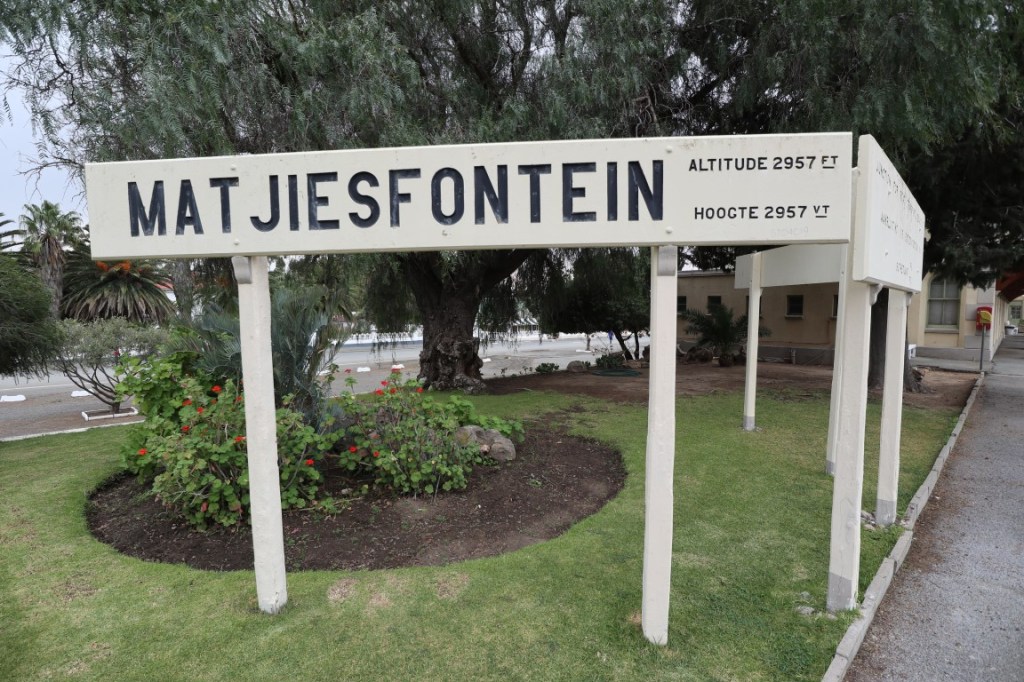
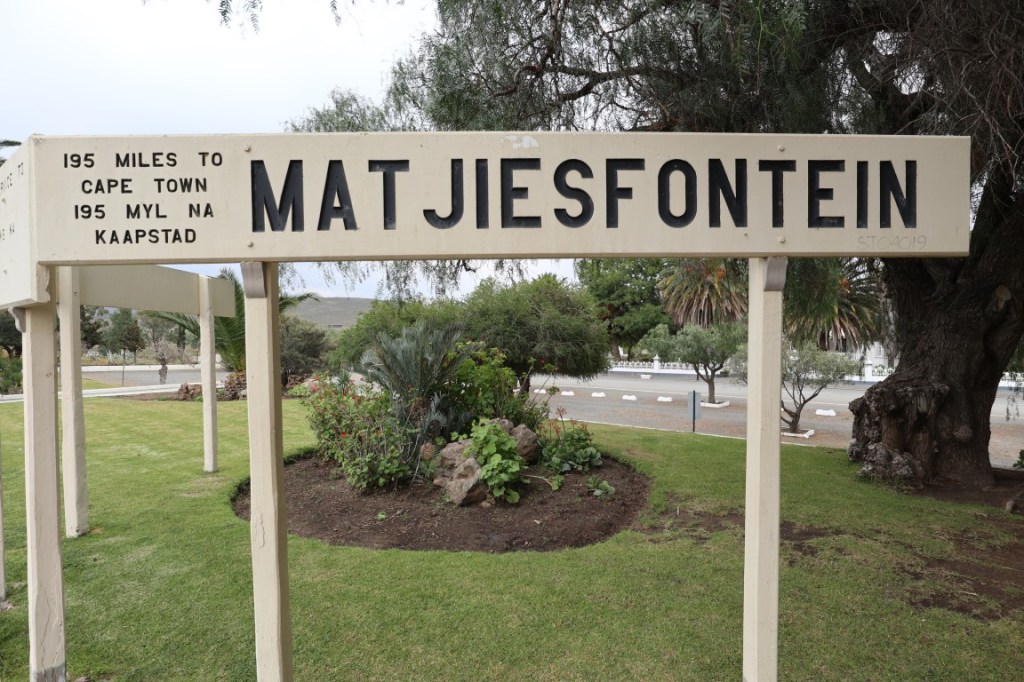
Matjiesfontein Railway Station
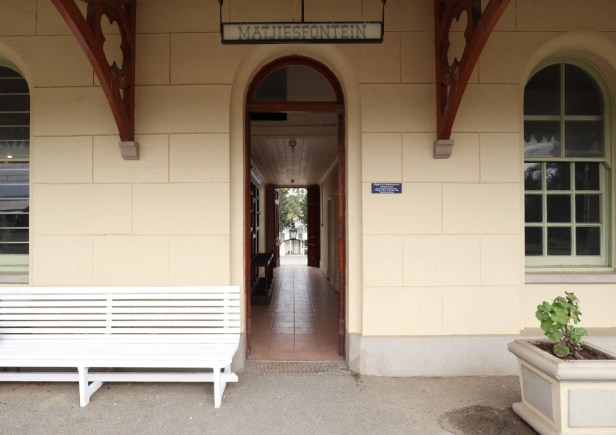
Through this door on the station platform travellers can walk to the hotel
Adjacent to the museum is the now superseded manual signal room and Station Masters office.
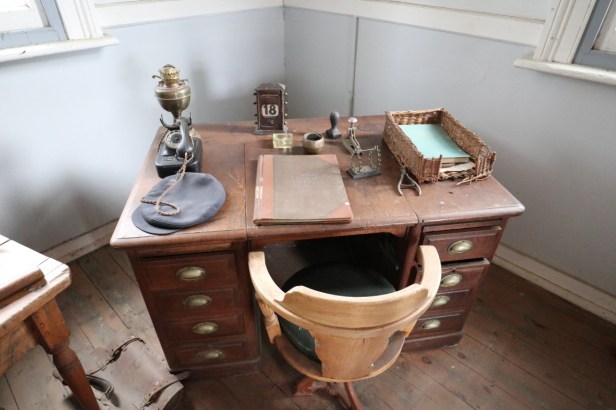
Station Masters office
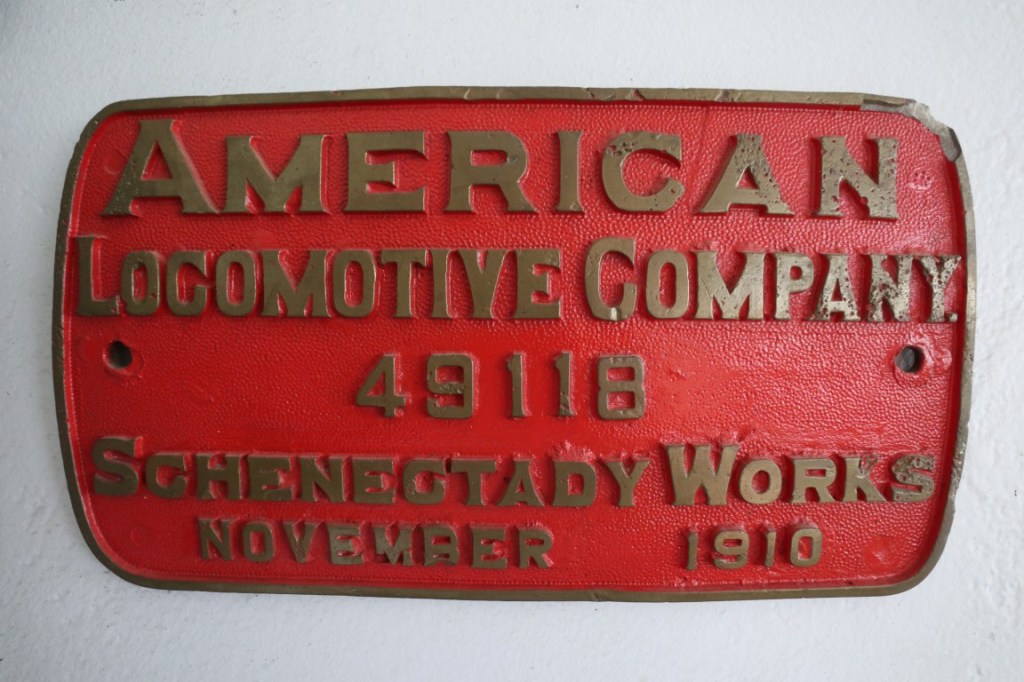
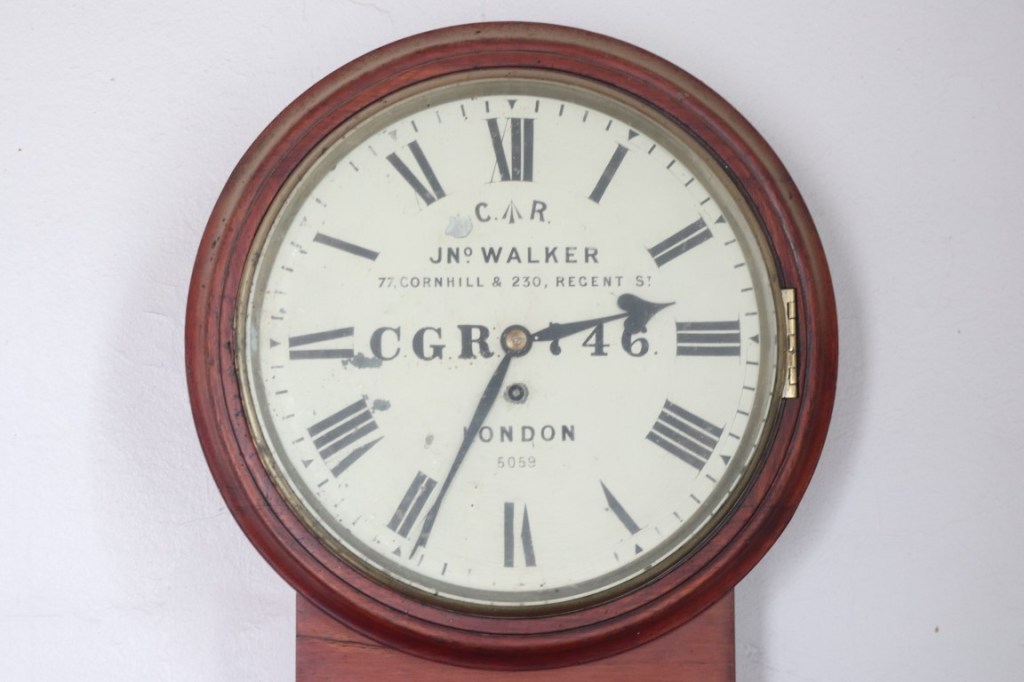
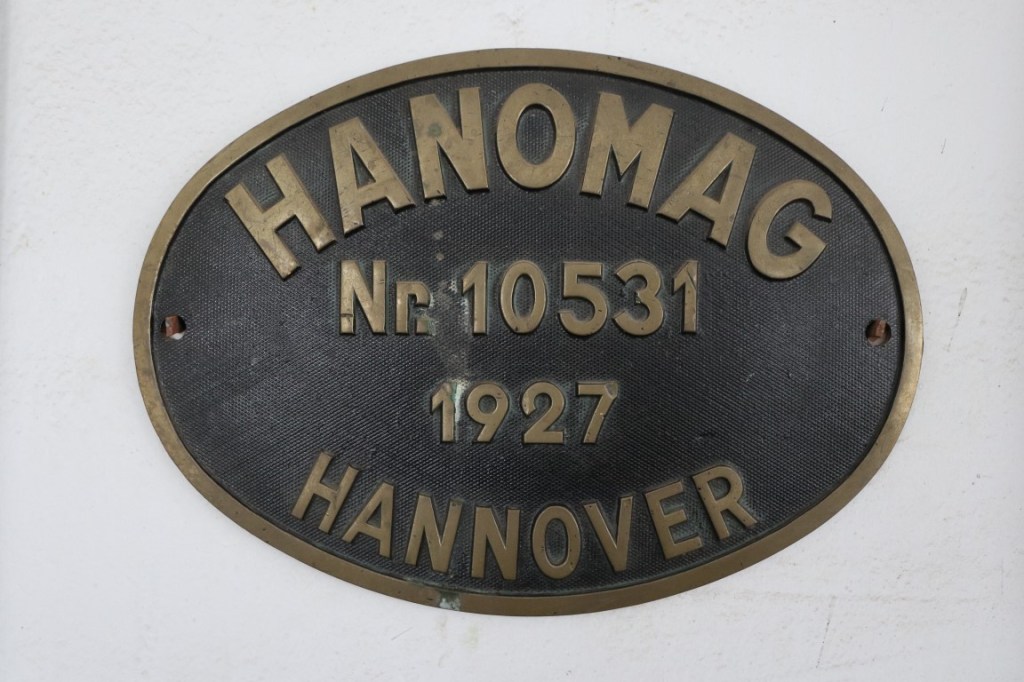
Old signage and clock
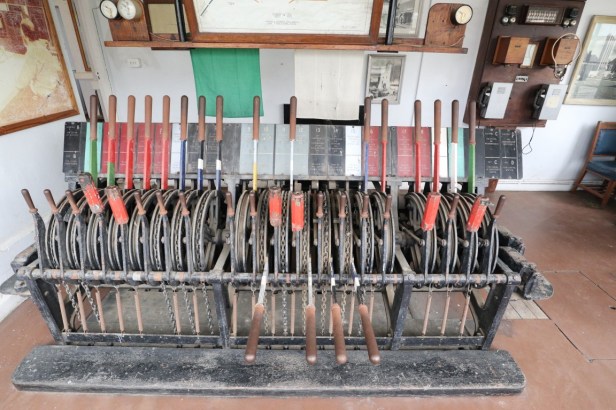
Inside the old signal room
From the railway station, we strolled further along Logan Street. The street is lined with ornate late-Victorian buildings, unified by cast-iron railings, frilled woodwork and corrugated-iron roofs.
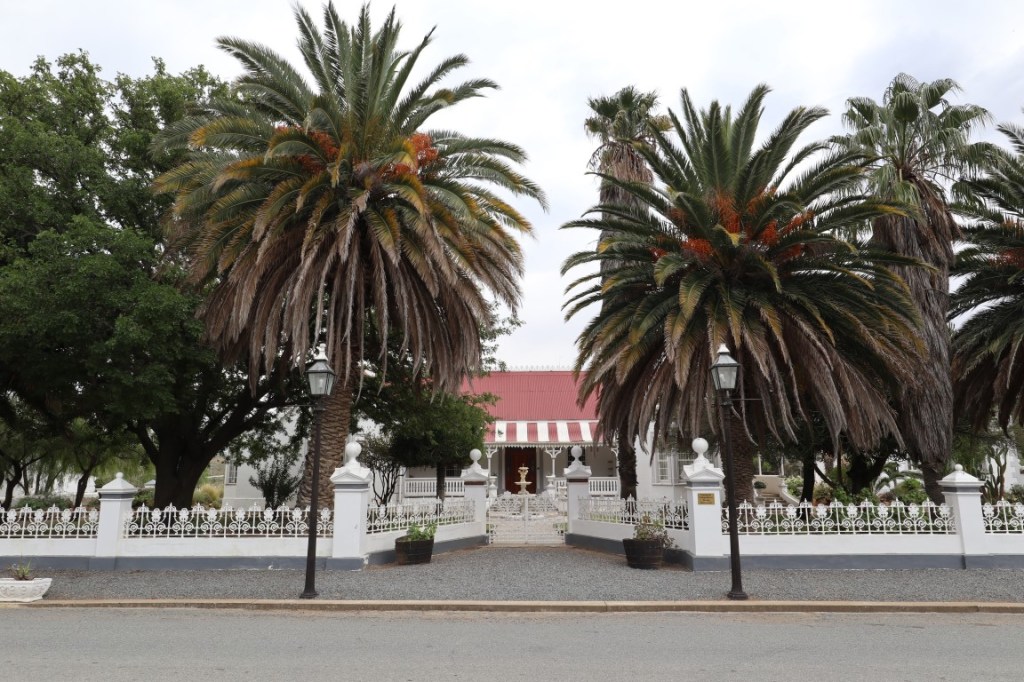
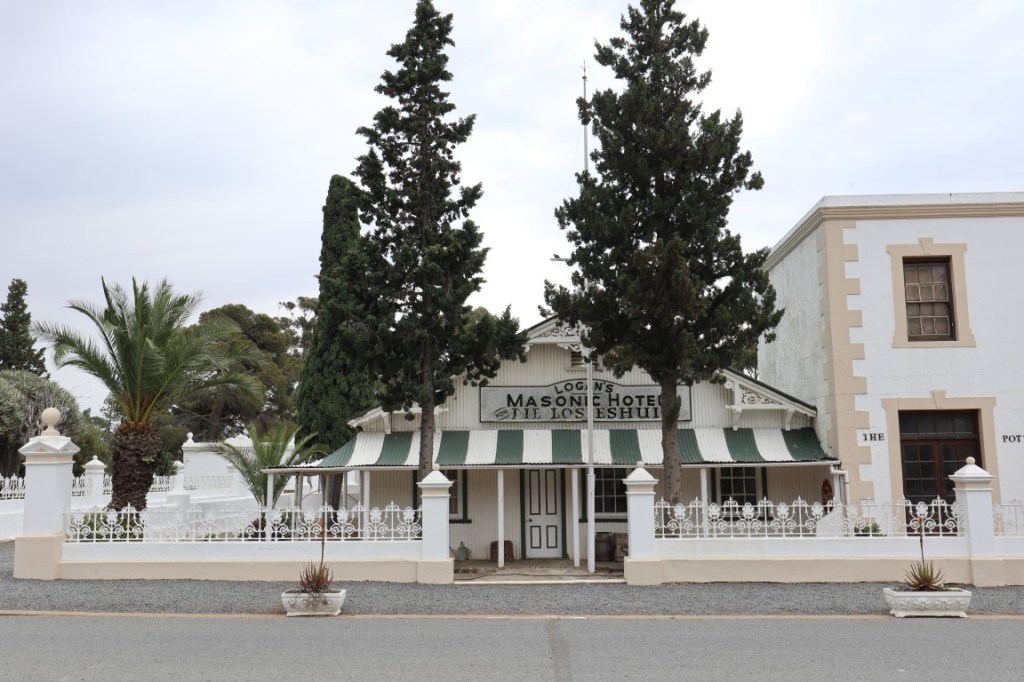
Victorian buildings
We stopped in front of a row of three semi-detached buildings with the Post Office in the middle. The Post Office first opened in 1897 and nowadays it serves as a gift shop.
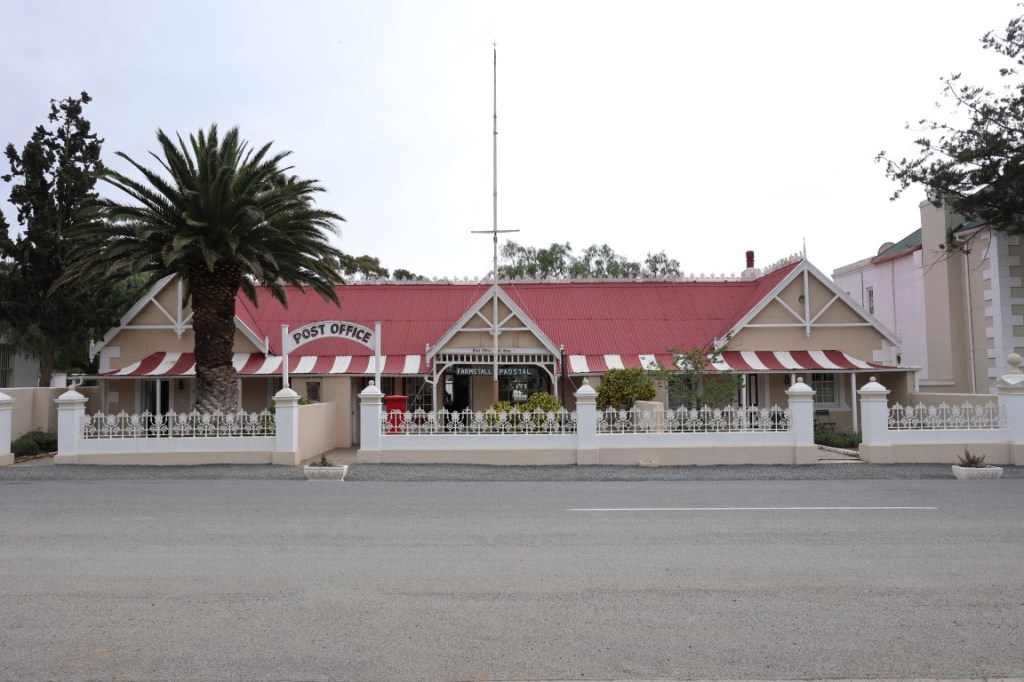
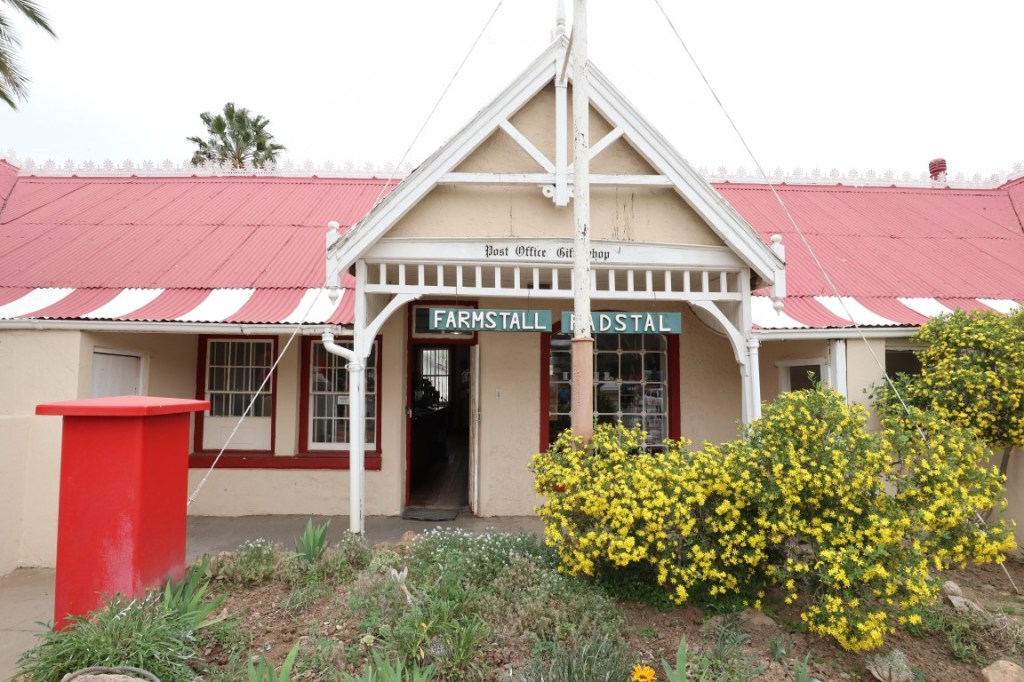
Old Post Office
Next to the Post Office is the Village Office and Bank. The old bank building, once known as The African Banking Corporation, opened chambers in Matjiesfontein in June 1897.
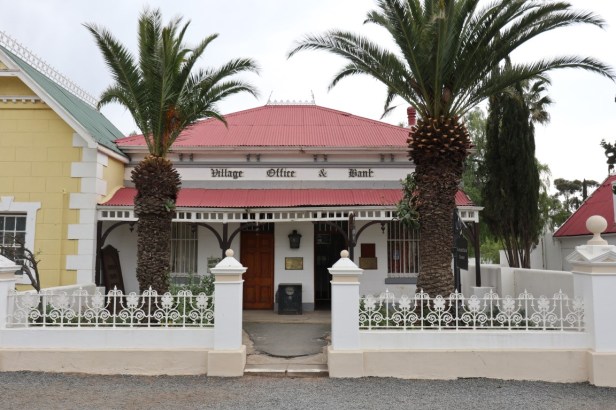
Village Office and Bank
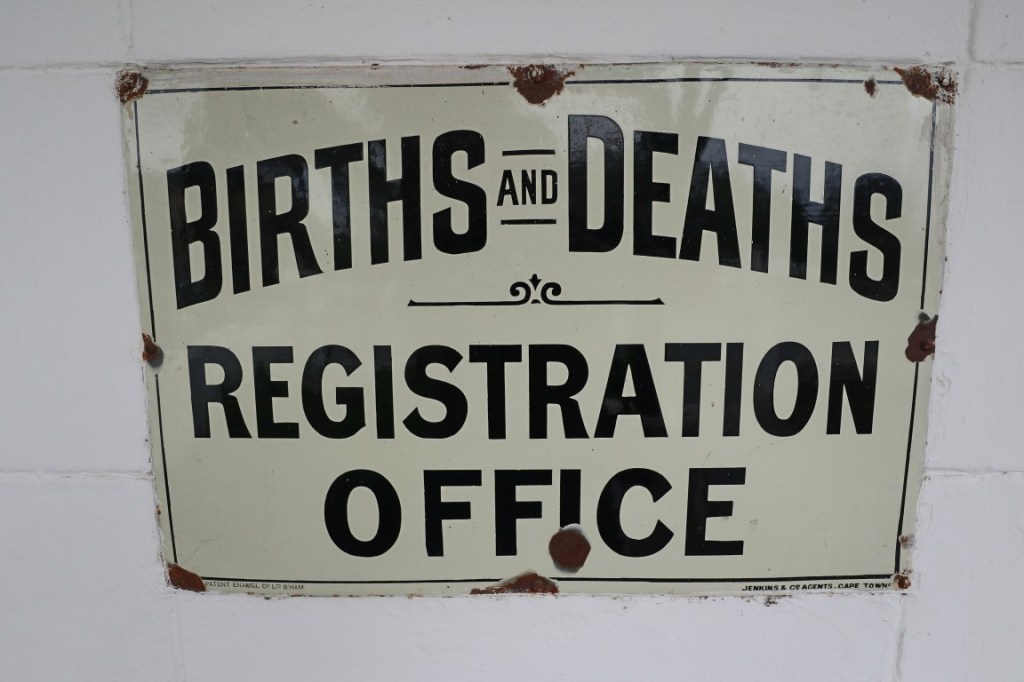
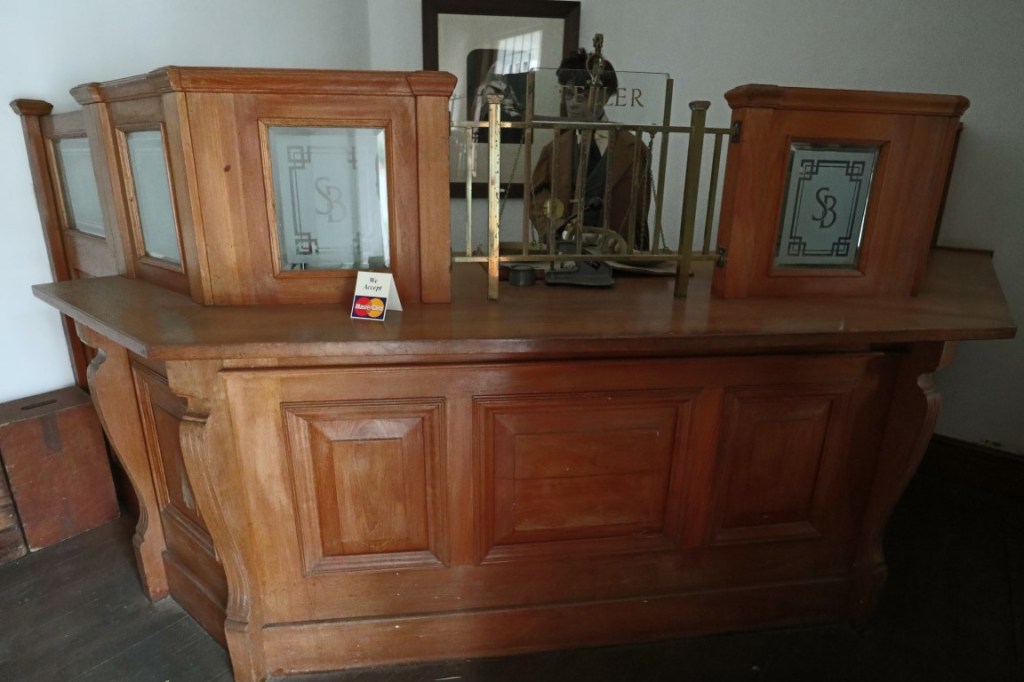
Signage at the Village Office and inside the Bank
With light rain softly beginning to fall, we decided it was a good time to seek out the warmth of the Coffee Shop. This building used to be James Logan’s general store, and signs of the old gas station are still in front of the building.
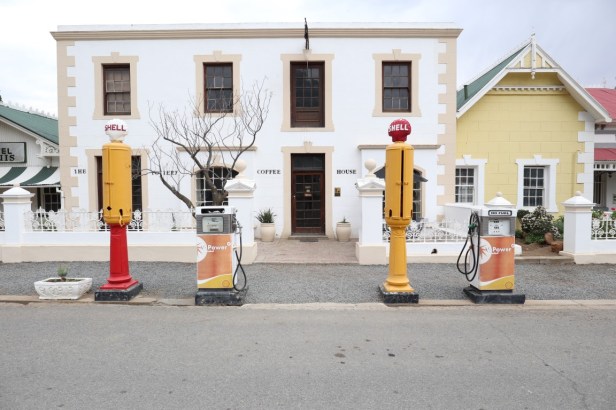
The Coffee House (and old gas station)
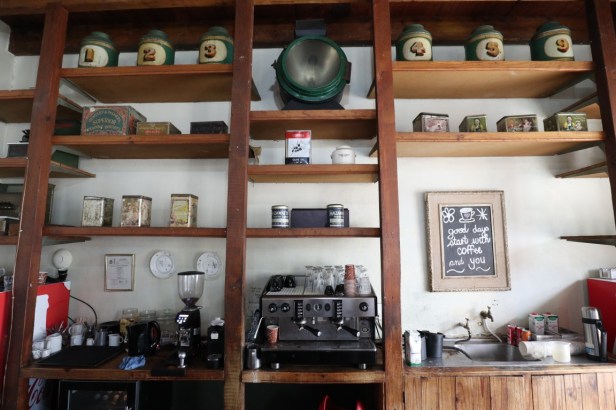
Shelves inside the Coffee House are reminiscent of those in a general store of years ago
The Coffee House serves delicious breakfast and is also very well known for their fresh coffee and homemade treats. We couldn’t resist the carrot and chocolate cake – it was absolutely worth the calories.
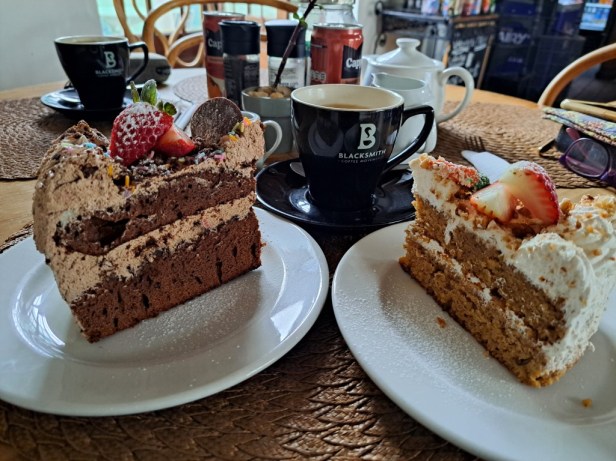
Yummy cake
With the sweet taste of the delicious cake still on our lips, we decided it was time to check in at the Lord Milner Hotel. With our luggage in our beautiful room with old-world charm, we headed straight to the Laird’s Arms. This pub, with all the features of an English country pub, was a great place to rest our tired feet.
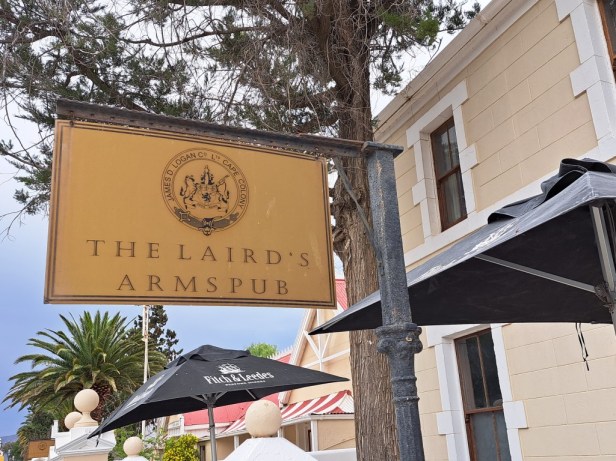
One of the best places in Matjiesfontein
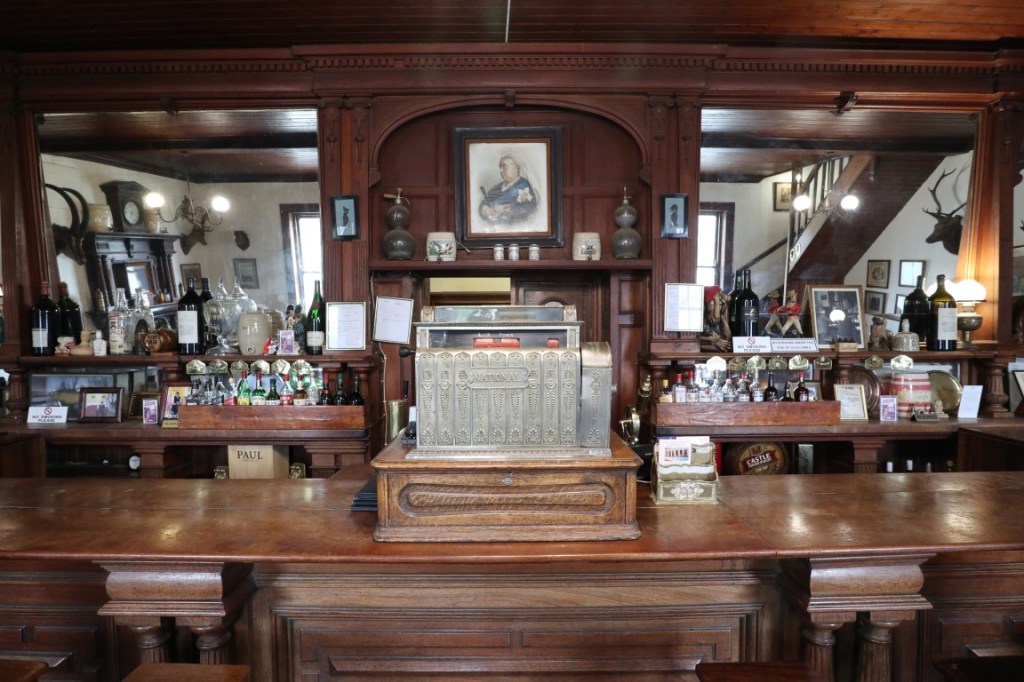
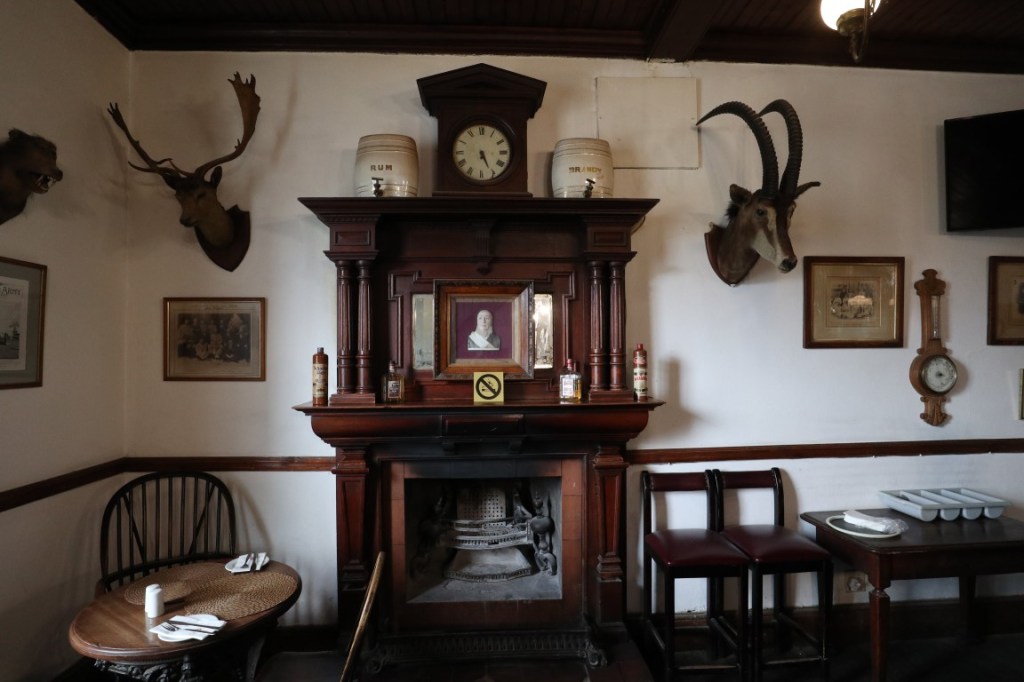
Inside the Laird’s Arms
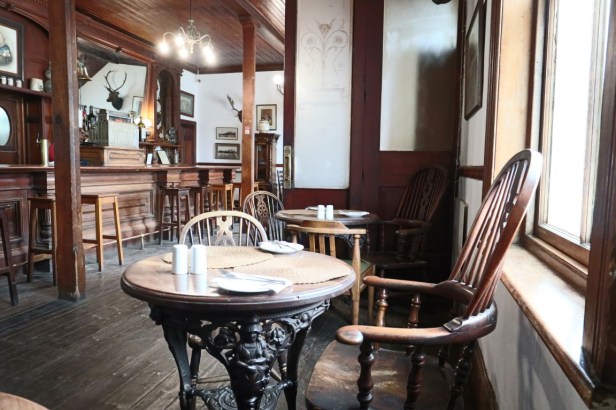
If these chairs and tables could talk
If you go upstairs, you get to a place that looks very much like a billiard room. Maybe that’s where James Logan and some of his British army friends used to relax during the early 1900s.
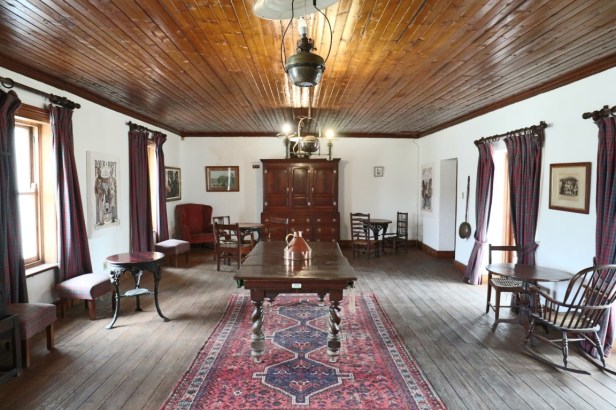
The room above the pub
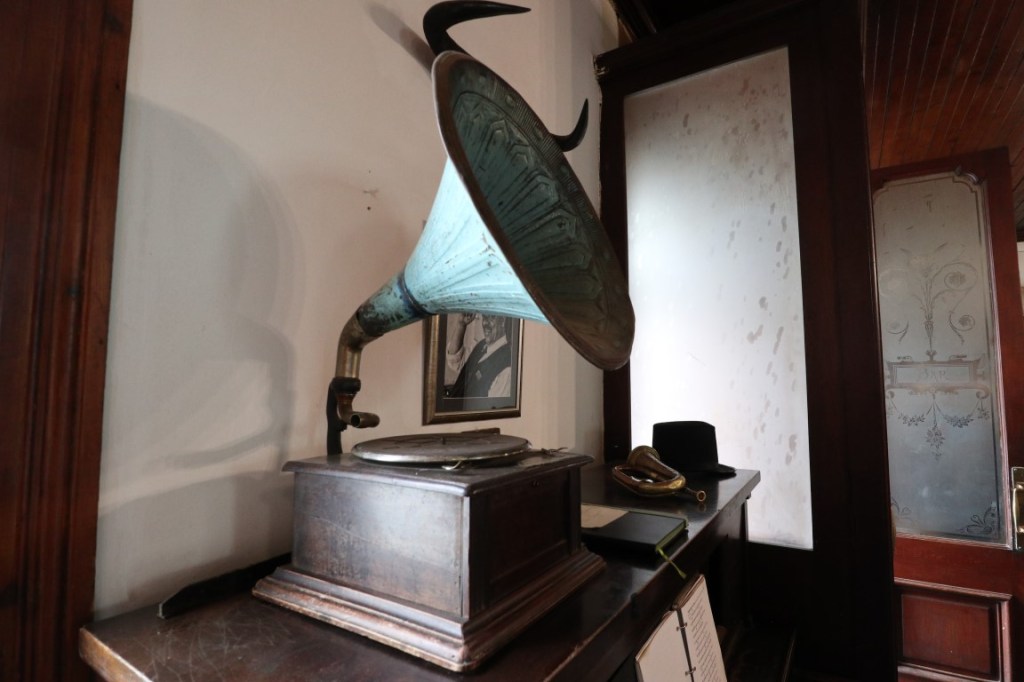
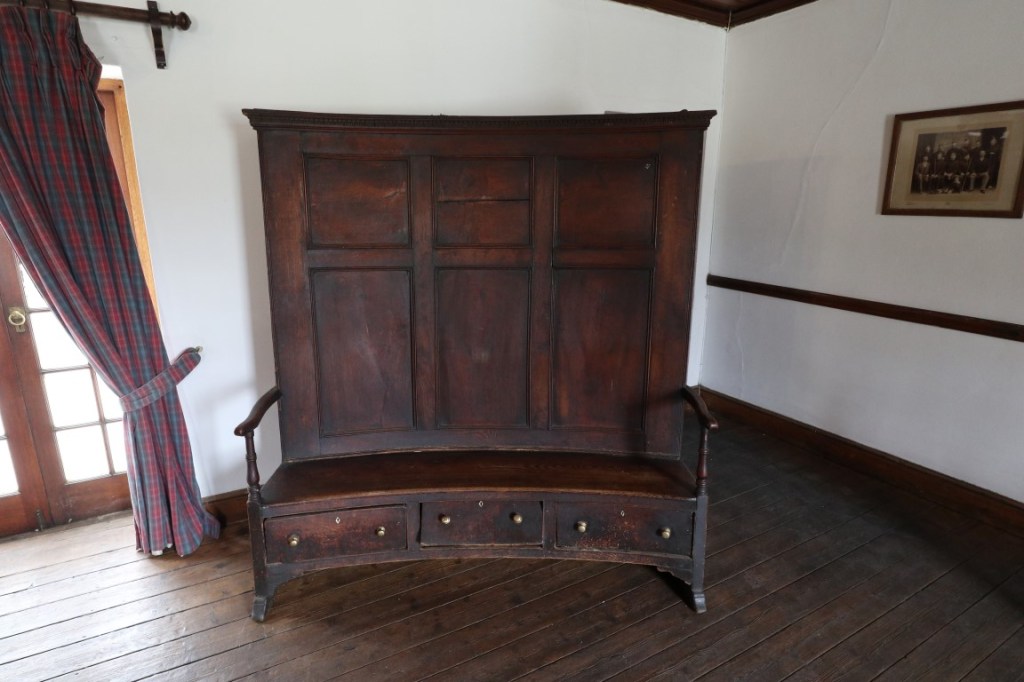
Antiques in the Laird’s Arms
Our typical British pub lunch might not have been entirely up to British standards, but we enjoyed our samosas, chicken nuggets and chips with a beer.
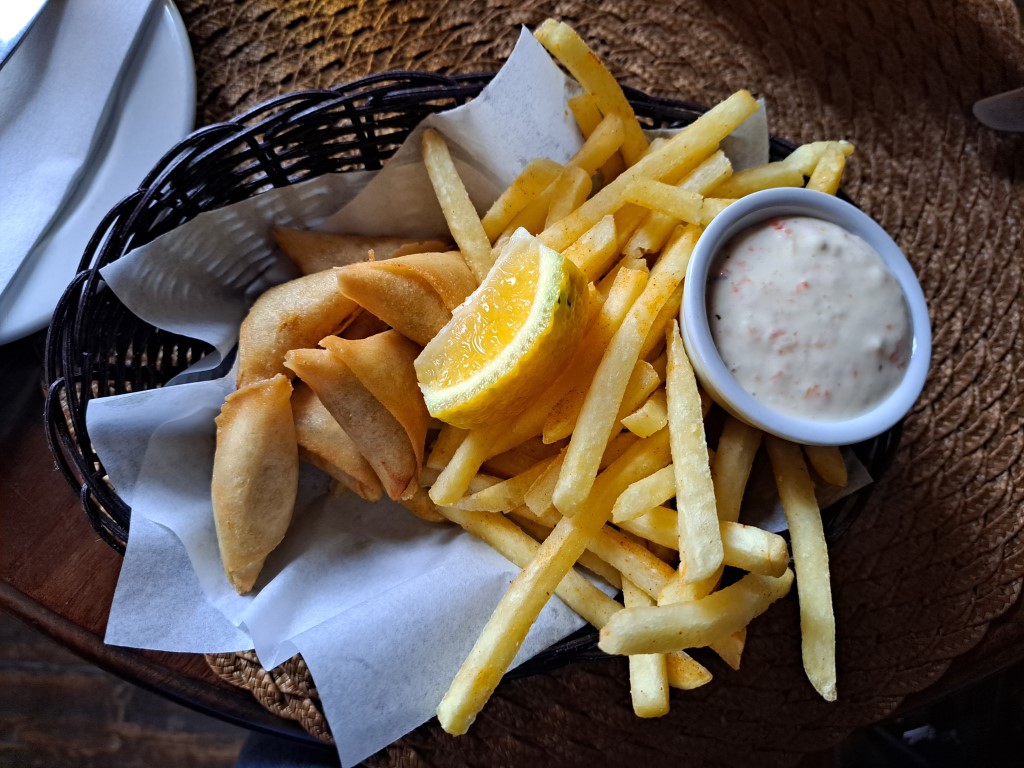
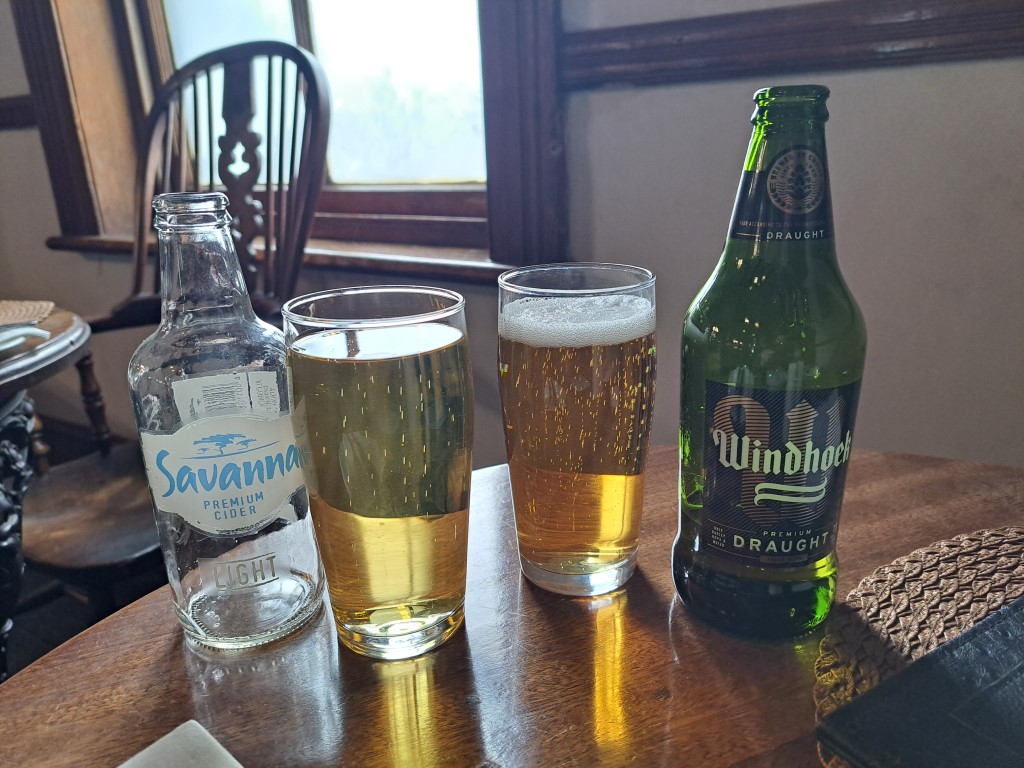
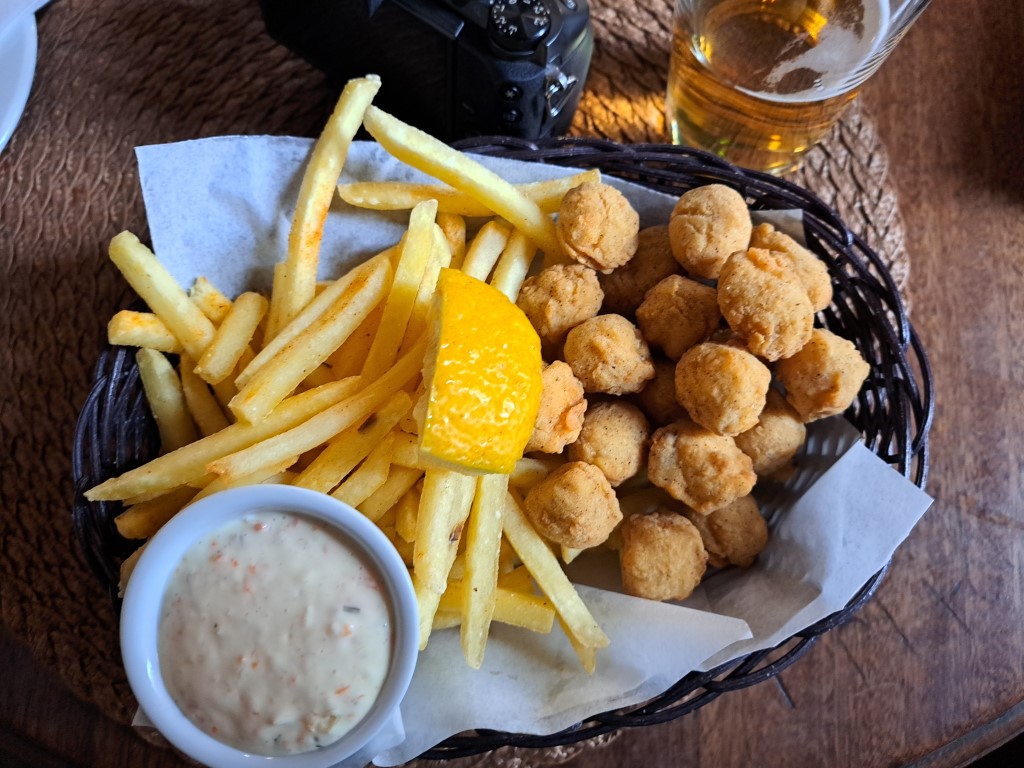
Our pub lunch at the Laird’s Arms
We were immensely impressed with our first visit to Matjiesfontein. It’s incredible how it almost feels like time has stood still here. It’s a clean village, everyone (and I mean everyone) is friendly and makes you feel welcome. We saw this one picture on the wall where Boer and Brit looked quite friendly towards each other – maybe it’s the magic of Matjiesfontein that could create such an attitude during a war.
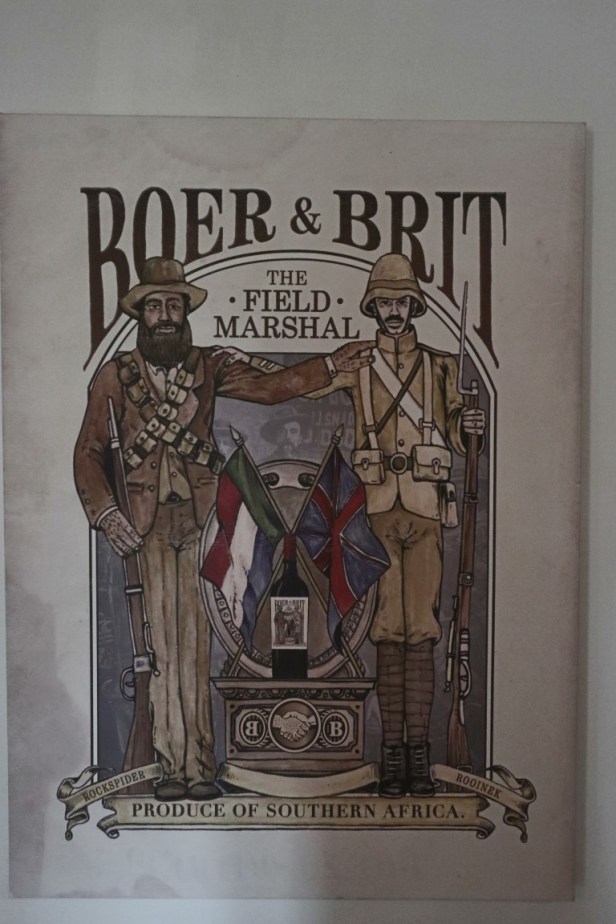
Boer and Brit
Next week we’ll take you to the beautiful Lord Milner Hotel. According to various sources, there are a few ghosts in the hotel that can make for an interesting night – if you want to read about our night (and the beautiful old hotel), click here.


What a fascinating place. History at every turn. I am not sure how you fitted it all into one day! Mel
LikeLiked by 1 person
I think because the village is quite small (and all the sights are within walking distance), it’s not too hard to fit everything into one day. Just get up early, make sure you wear good walking shoes, and don’t mind going to bed at midnight 😁. Fascinating indeed, thanks Mel!
LikeLiked by 1 person
How can someone afford to buy a whole town??? But he’s done a great job. Such a nice looking place xx
LikeLiked by 1 person
I wondered that very same thing, Jo 🫣. It’s a very small village and maybe it was so neglected when David Rawdon bought it that it was probably dirt cheap. Or it’s possible that he just had a lot of money. Well, I’m glad he decided to spent it on Matjiesfontein, because it’s really an exceptional place to visit!
LikeLiked by 1 person
It was interesting to hear about the history of Matjiesfontein. And you’re right, it does look very beautiful. Glad you finally were able to visit. The double-decker bus is cute. And those slices of cake look amazing!
LikeLiked by 1 person
That cake!! I wished I had ordered a takeaway because that was delicious! It’s weird to see the double-decker bus in the dry Karoo (when it actually belongs in the UK) 😉. Yes, I’m really glad we finally got the chance to visit Matjiesfontein – I have a feeling we might just go back there again!
LikeLiked by 1 person
What an interesting village Corna. I’d definitely enjoy a ride on the historic railway one day. Let’s hope it starts running on a regular basis once again.
LikeLiked by 1 person
I just think the train ride would be a good start to a visit to Matjiesfontein (like some kind of appetizer for what’s still to come 😉). Thanks Marion, it is a beautiful village and I’m so glad we could finally visit this historic little town.
LikeLiked by 1 person
It is so refreshing that some wealthy people use their money to do this kind of thing. The restoration looks wonderful. What an interesting and attractive place. I look forward to reading about the hotel. Those cakes look divine!
LikeLiked by 1 person
I agree with you Carolyn, if you have that much money and you spend it to restore a town that was developed with so much compassion by someone else (and in the process create work for many people in the area), it is definitely noteworthy. The cake was delicious – I was silly not to order an extra slice to take away 😉. I’m sure you’re going to enjoy the hotel post – it was an interesting night!
LikeLike
The village is lovely, but oh my goodness that cake is enough to make me drool!
LikeLiked by 1 person
Hannah, I will go back to Matjiesfontein just for that cake!
LikeLike
This looks such an interesting place to visit, with so much history! The pub looks very welcoming and not a bad copy of an English one 😀 I’m looking forward to hearing about your night at the hotel!
LikeLiked by 1 person
Because it has such a fascinating history, Matjiesfontein was definitely worth a visit. I’m glad to hear the pub isn’t too far off from what a typical English pub looks like. I’ll post our hotel stay this coming Friday on our blog – fact or fiction (or maybe just a touch of imagination), I think we can probably confirm there is a hint of spookiness in the hotel 😉.
LikeLiked by 1 person
It looks extremely interesting. Is it simply an outdoor museum? Or are there actual normal houses that people live in? I suppose there has to be some accommodation for staff at the hotel, pub and coffee house. I must have driven past many times, but don’t remember ever stopping.
LikeLiked by 1 person
It can definitely be described as an open-air museum – I actually hadn’t thought of it that way. There are normal houses where the people who work in the hotel, pub, coffee shop, etc., live (it’s called Matjiesfontein Village). I guess some of the community might also work on nearby farms or towns, like Laingsburg. Yes, Matjiesfontein is one of those small places you wouldn’t easily do a stop over – even though it’s literally located right next to the busy N1 highway.
LikeLike
It can definitely be described as an open-air museum – I actually hadn’t thought of it that way. There are normal houses where the people who work in the hotel, pub, coffee shop, etc., live (it’s called Matjiesfontein Village). I guess some of the community might also work on nearby farms or towns, like Laingsburg. Yes, Matjiesfontein is one of those small places you wouldn’t easily do a stop over – even though it’s literally located right next to the busy N1 highway.
LikeLike
It’s crazy to think he bought the entire town, but it certainly looks inviting and charming. I’m interested to read about your stay at the hotel. Hopefully, the resident ghosts didn’t bother you too much!
LikeLiked by 1 person
Yes, it’s almost unthinkable that one person can buy an entire village. Maybe it was so neglected that it wasn’t super expensive (or maybe this guy was just super wealthy 😉). Matjiesfontein is definitely charming – I love the beautiful buildings and how neat and clean the village is. Regarding our night in the hotel, I wouldn’t say I slept through the night undisturbed!
LikeLiked by 1 person
I’m looking forward to reading more about the hotel and its permanent resident!
LikeLiked by 1 person
😉 luckily, we’re told beforehand that they are friendly ‘residents’ …
LikeLiked by 1 person
Very different from your usual places, but really fun! I like the pink church, unusual though it is.
LikeLiked by 1 person
You’re right, Diana, this is definitely not our usual spot … yet we both like history, so I’m actually surprised it took us so long to get to Matjiesfontein. The pink church can probably hold a charm for newlyweds … if they like pink 😉.
LikeLiked by 1 person
Those cakes look scrumptious!
LikeLiked by 1 person
I don’t know why it’s so hard to walk past cake displays – they’re like magnets 😁.
LikeLike
It does feel like time has stood still in the small town. The double-decker bus tour is hilarious! Maggie
LikeLiked by 1 person
Yes, there is definitely an old-fashioned feel about the village. The red bus – we had such a good laughed … it almost takes longer to get in and out of the bus than the tour itself 😁.
LikeLiked by 1 person
😂
LikeLiked by 1 person
Such a charming little village! I love the old buildings and all the history. And that cake looks delicious!
LikeLiked by 1 person
You’re right Angela, it’s a town steeped in history. And when it comes to a delicious piece of cake, I’ve never declined 😁.
LikeLiked by 1 person
I agree! A good piece of cake is hard to say no to. 😁🍰
LikeLiked by 1 person
Lovely place. It looks like going back in time with these old building and furnitures.
LikeLiked by 1 person
That’s true, Mélodie. When you’re in Matjiesfontein, it’s like being back in the late 1800s! It’s wonderful that everything is still in such good condition, and we really enjoyed wandering around.
LikeLiked by 1 person