
May 2025
Colonial architecture on the edge of the Namib Desert
After we enjoyed our time among the Namibian Wild Horses (read here), we had to drive another 100km/62 miles to Lüderitz where we would spend the night.
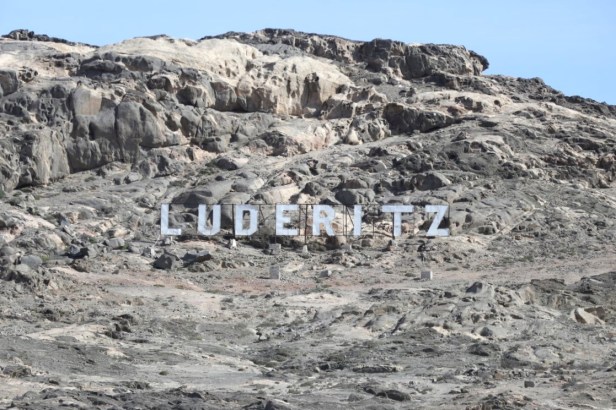
Welcome to Lüderitz
Diaz Point:
Before we drove into town, we saw a signpost on the left side of the road indicating Diaz Point. We followed the dirt road for about 19km/11 miles to visit this historic landmark.
As the name indicates, it refers to the Portuguese explorer Bartholomew Diaz who was the first European to land at the natural harbour of Lüderitz in 1488. We found the stone cross that commemorates Diaz’s landing site. The Diaz Point Lighthouse, which was opened in 1915, is also located here.
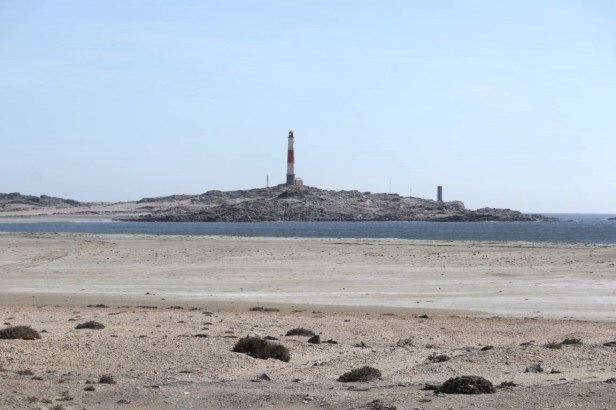
Diaz Point Lighthouse

Steps leading to the top of a rocky outcropping
There is a resemblance of a walkway leading to the viewpoint which was probably destroyed by rough weather. So, we had to carefully walk over the rocks to find our way to the cross.
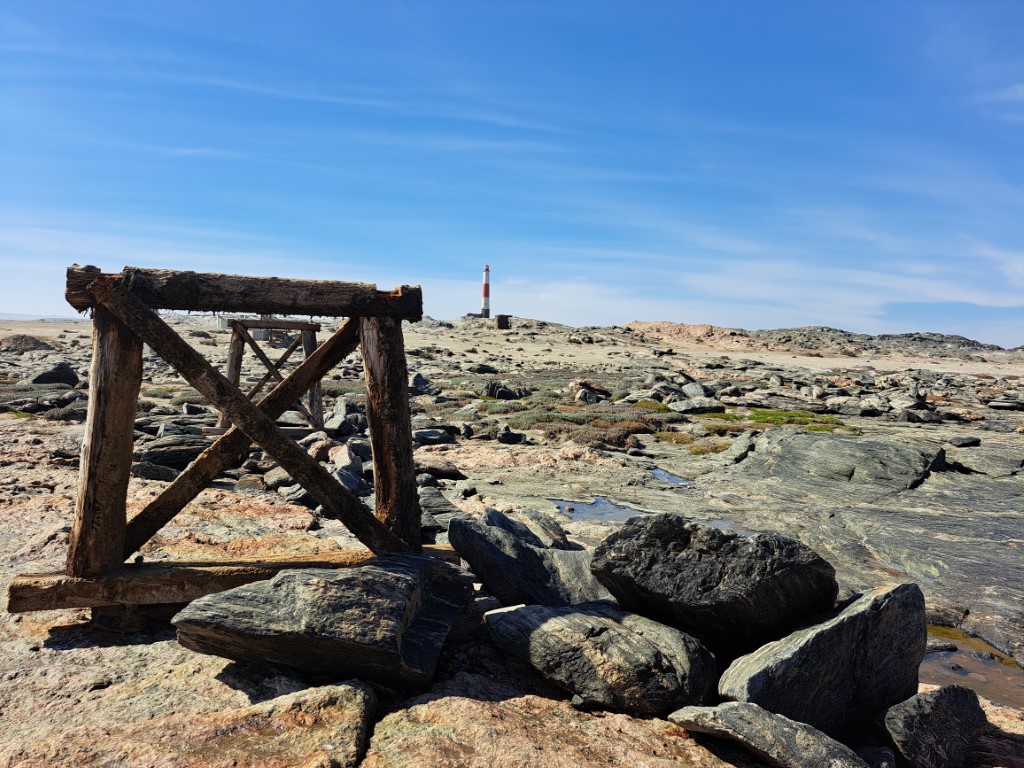
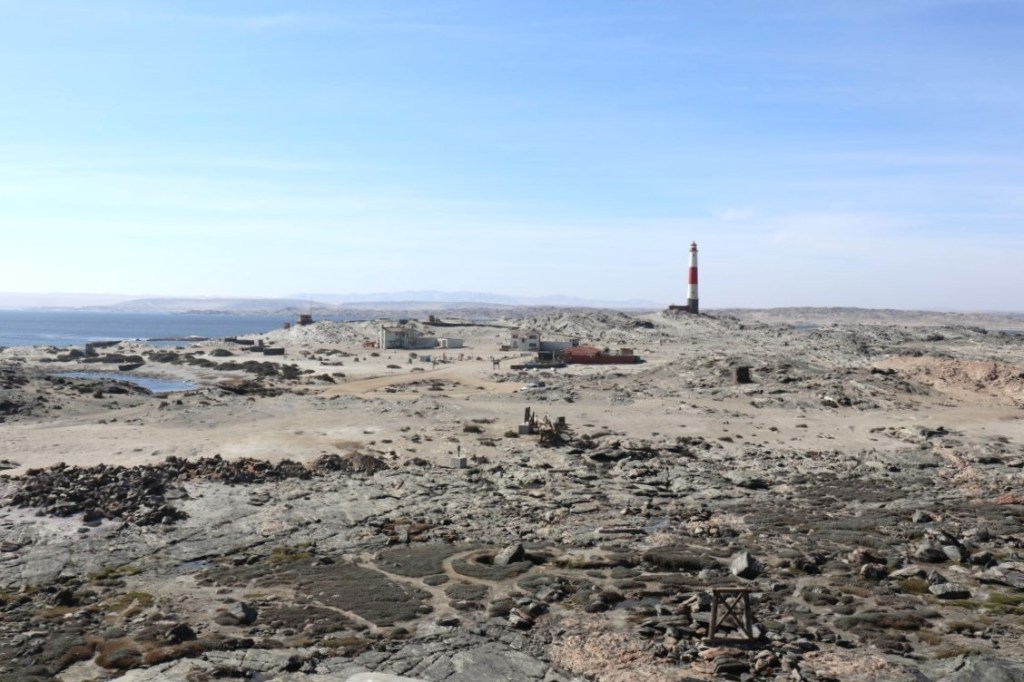
Resemblance of a walkway over the rocks
A replica of the cross sits high on the rocks and offers stunning views over the Atlantic Ocean and the surrounding coastline.

Berto next to the cross

The Diaz Cross and me (blown away by the wind)
While we looked over the ocean, I wondered what Dias thought of this place back in 1488 when strong headwinds forced him to anchor in this bay. One can only wonder …

Leaving the viewpoint (no, the lighthouse is not leaning over – weird camera angle)
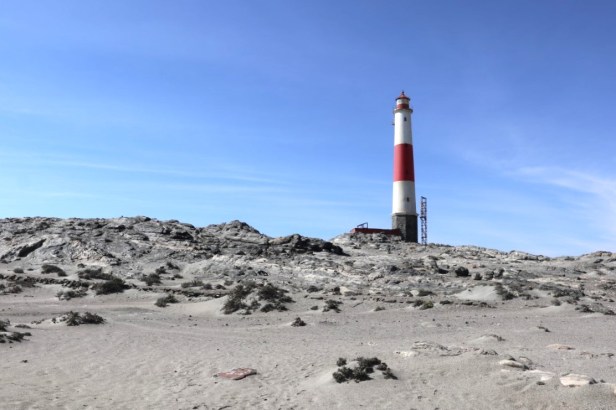
One of only three active lighthouses in Namibia
Colonial architecture:
Upon our arrival in Lüderitz, we decided to first drive to one of the oldest Evangelical Lutheran churches in Namibia. This church, also known as the “Felsenkirche” (literally meaning “church on the rocks”), is the highest placed of all the buildings in Lüderitz.
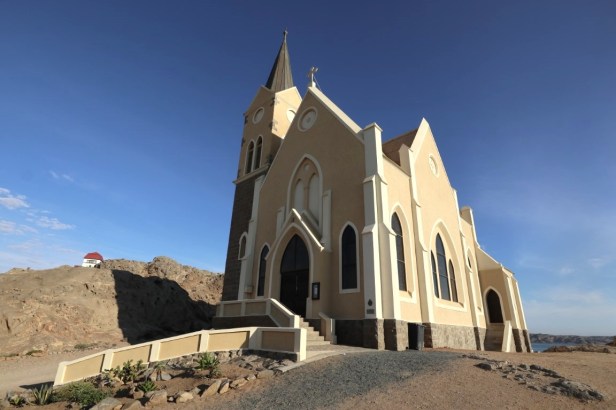
“Felsenkirche”
The church was consecrated on 4 August 1912 and was proclaimed a national monument in 1978.

The church is at the upper end of Kirch Weg
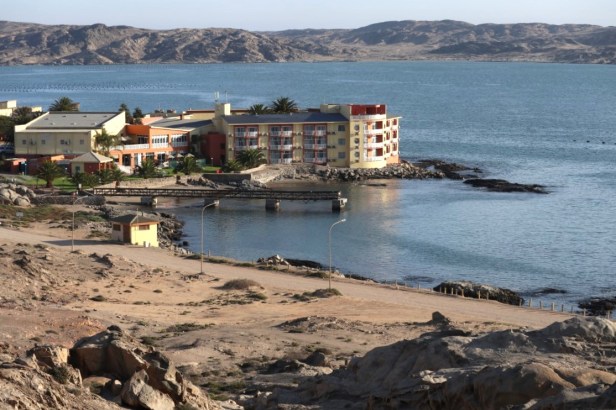
Looking down to the 4-star Lüderitz Nest Hotel from the church
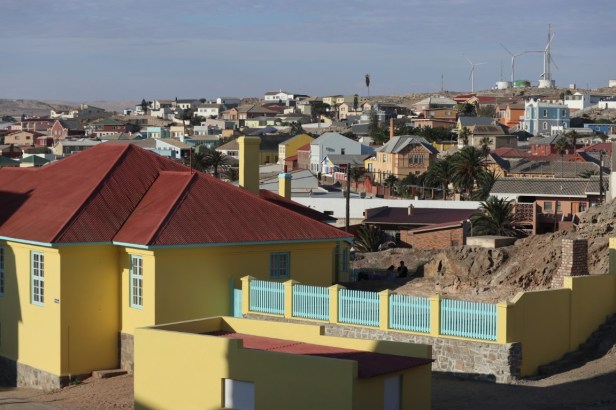
Part of Lüderitz as seen from the church
Don’t expect Lüderitz to be a lively beach resort (fortunately it’s not the case). It’s rather a town full of history, especially when looking back at the diamond rush around 1908 (more about this in our next post about the desert ghost town, Kolmanskop). If you’re looking to find bright-coloured art nouveau buildings, then Lüderitz will capture your heart. Here are just a few we saw on our stroll through town:
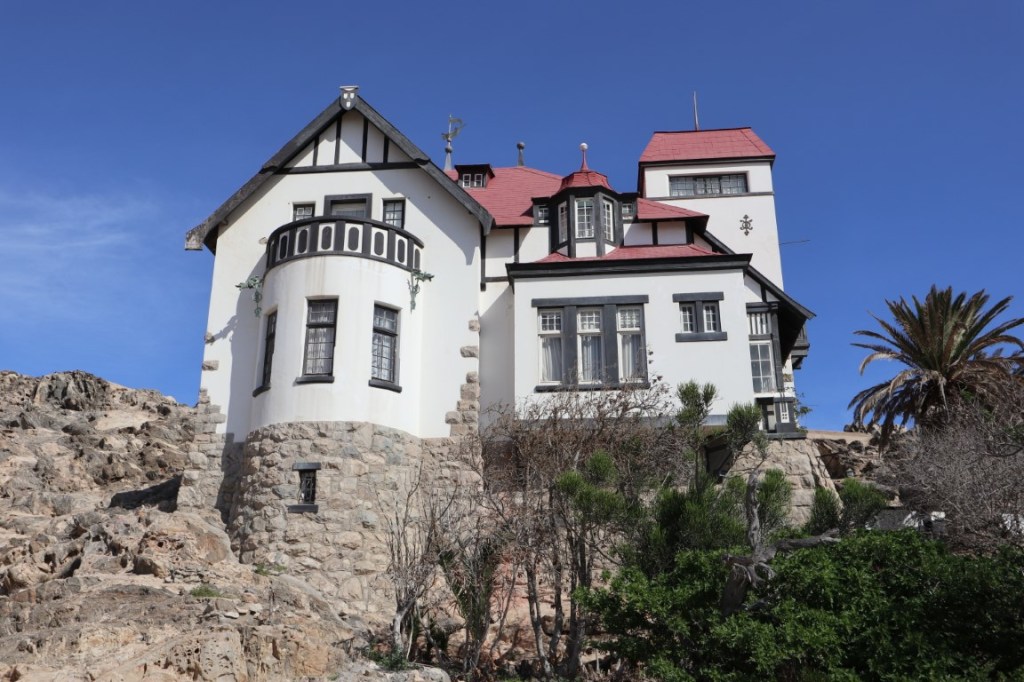

Colonial buildings in Lüderitz


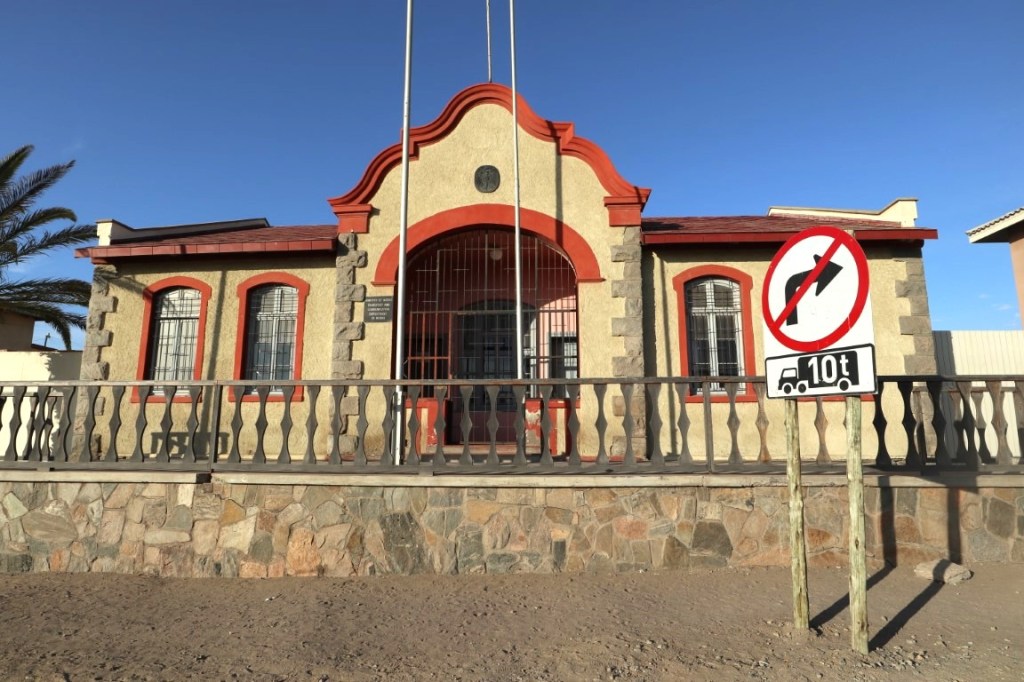
More beautiful buildings
The home of E. Kreplin, the first mayor of Lüderitz, was built in 1910. It’s one of the few buildings constructed with burnt-bricks from the Cape Province in South Africa. It’s a very interesting double-storey corner building.

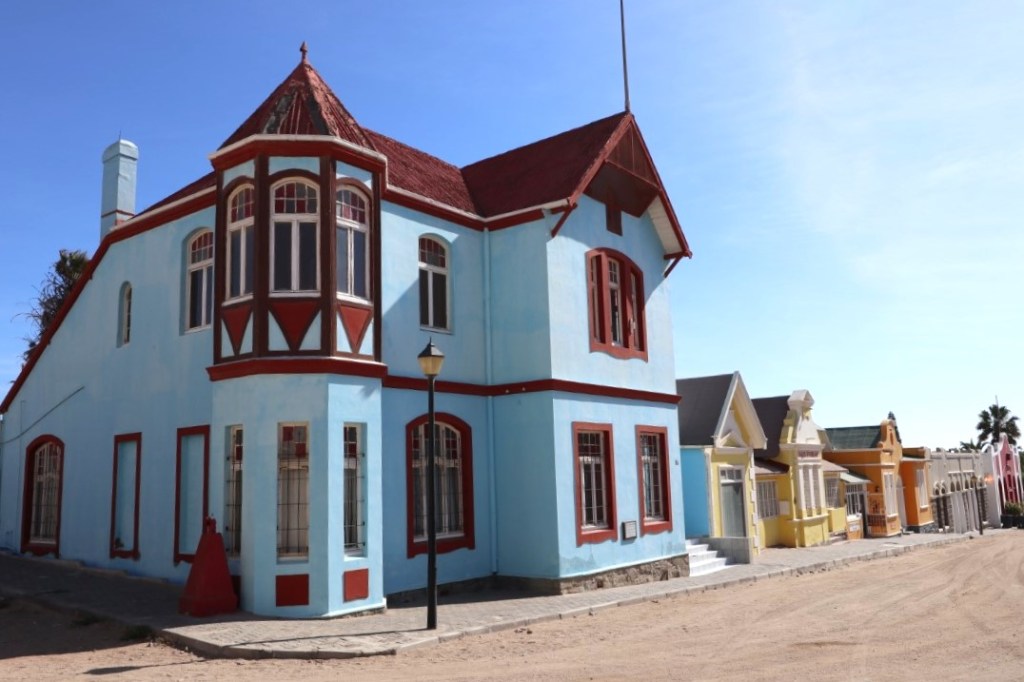
Kreplin haus


Buildings in the same street as Kreplin haus
Lüderitz Harbour Square:
The day was quickly coming to an end, and we wanted to see a few more places before sunset. Our next stop was at the Harbour Square of Lüderitz, but on the way there we saw the town’s name depicted in bright colours and we made our way to that spot first.
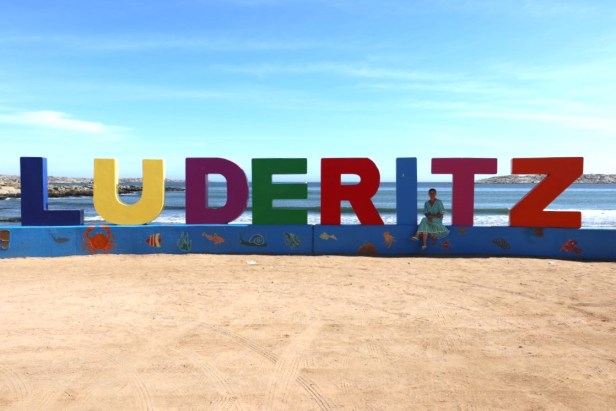
The colourful name of Lüderitz
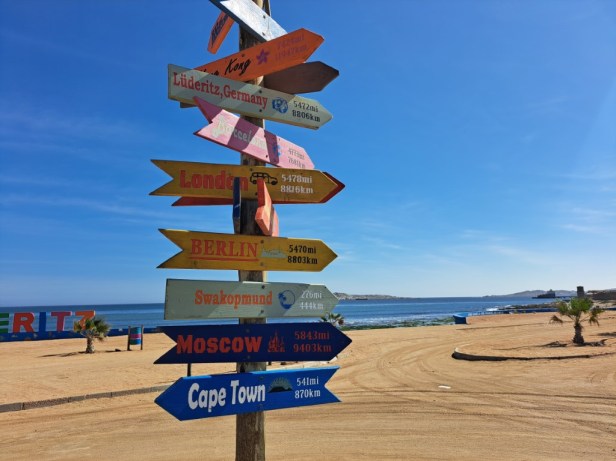
There’s also a place called Lüderitz in Germany (of course)
The Harbour Square is relatively small, but the ideal place if you want to see the boats up close. There are also a few restaurants and gift shops.
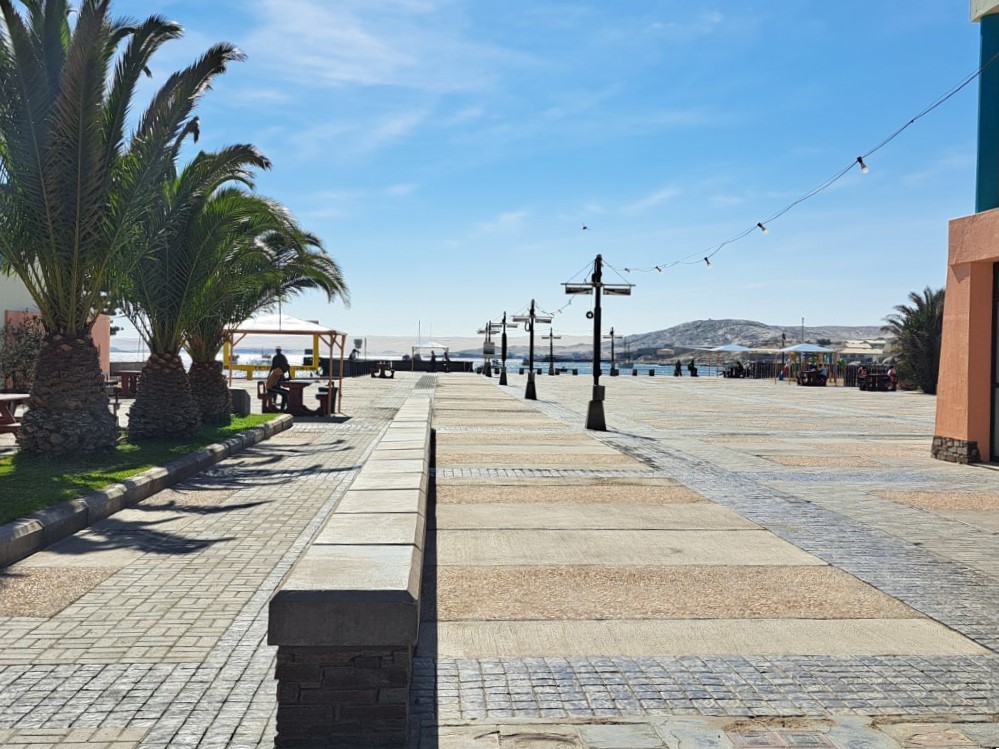
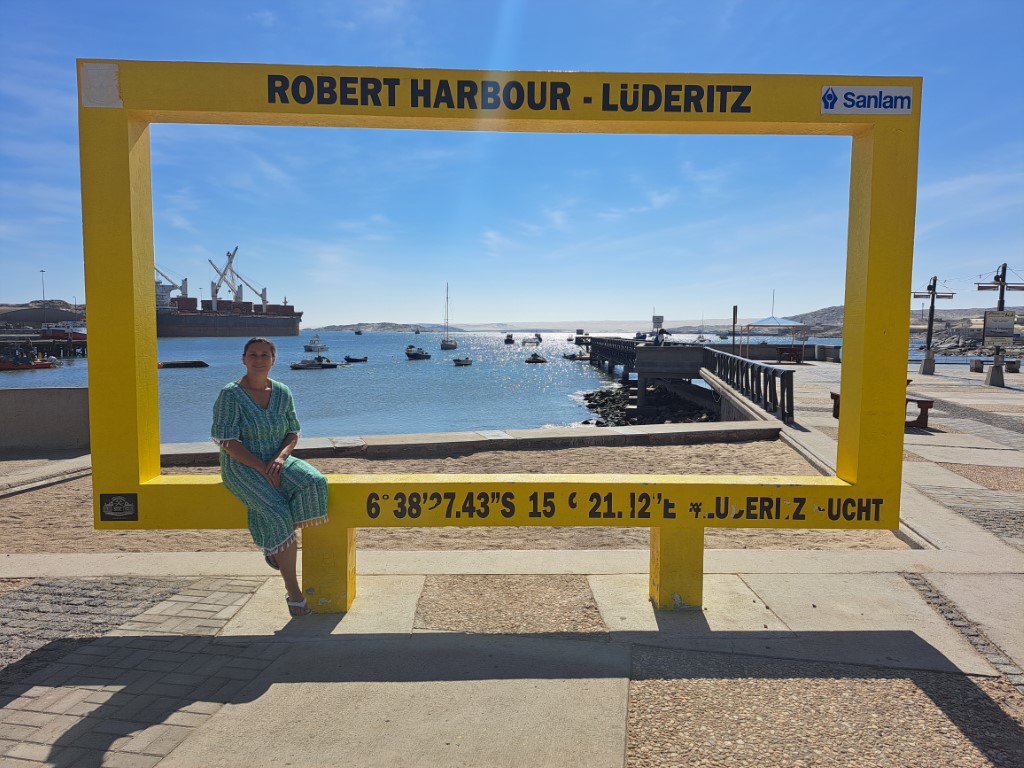
Harbour Square

The jetty towards the boats in the harbour
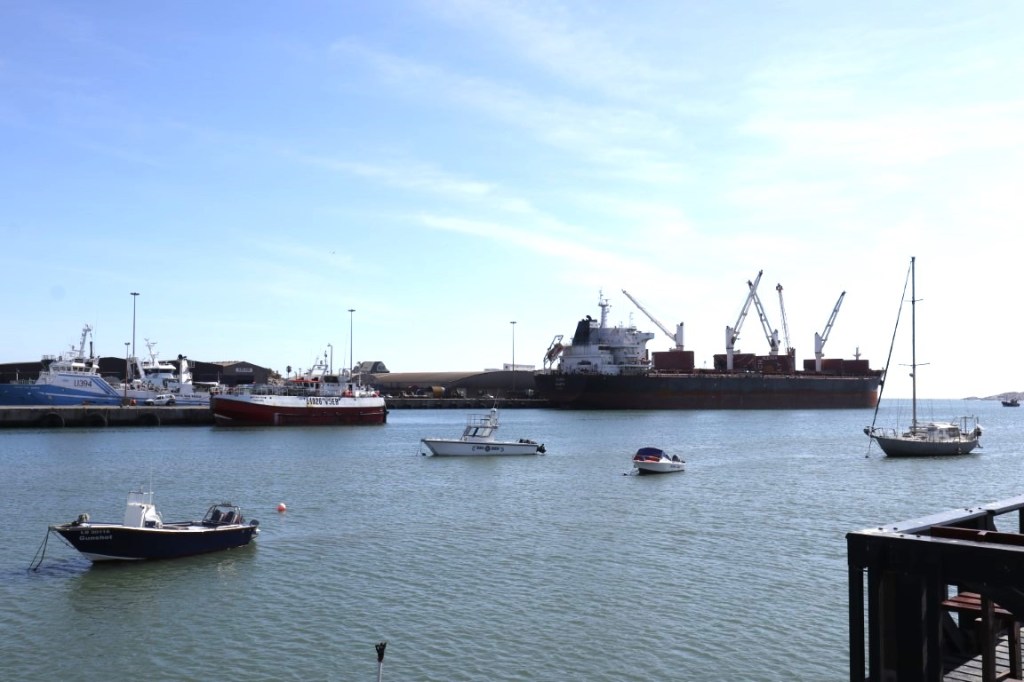
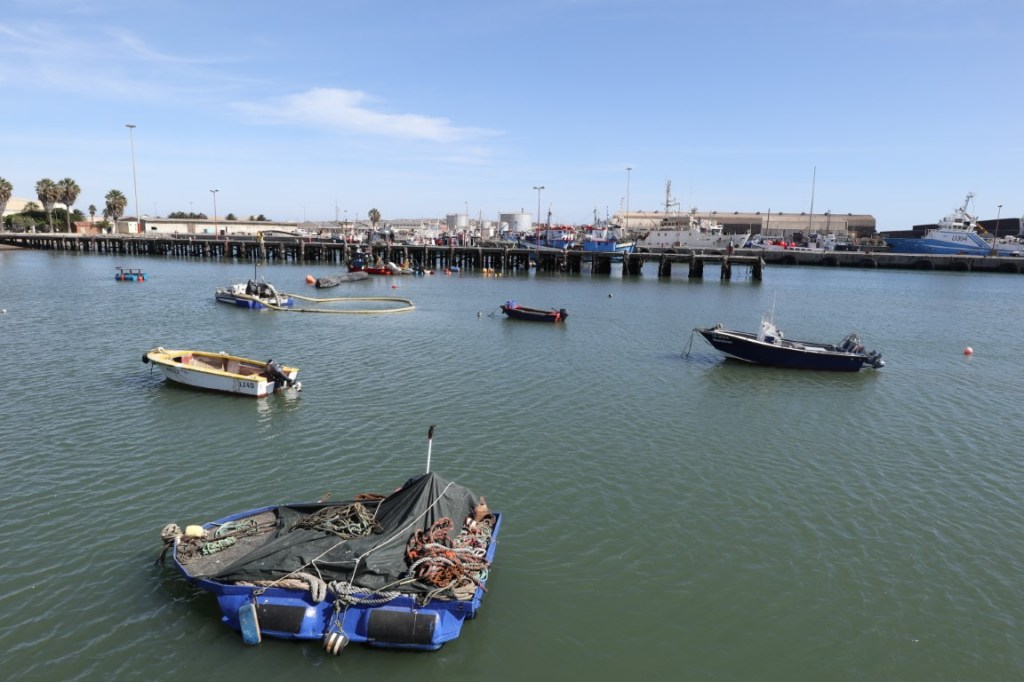
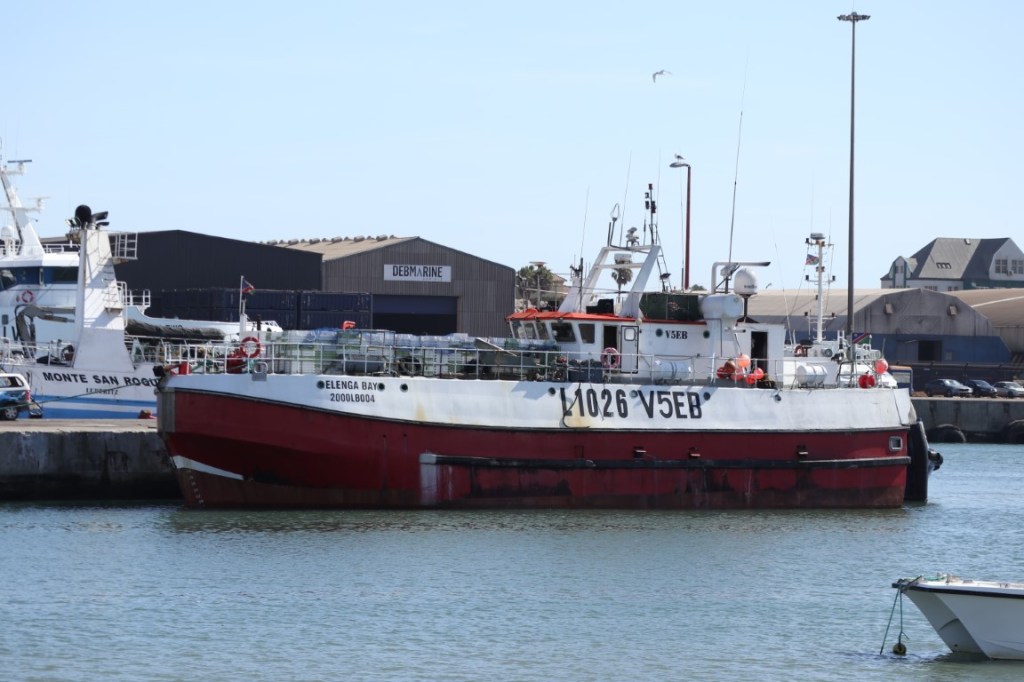
Boats in the harbour
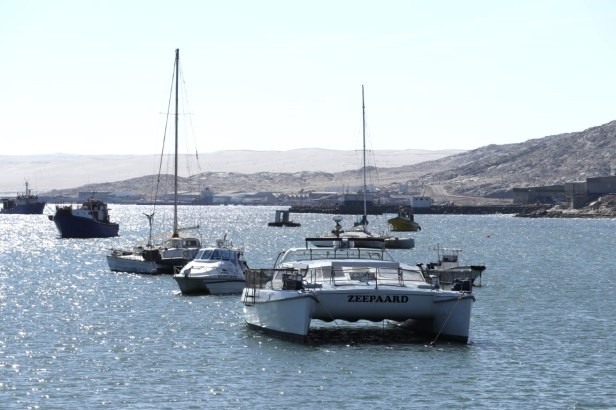
Boat tours are offered on the catamaran Zeepaard
Shark Island:
Our last stop, before checking in at our accommodation, was Shark Island. This island is situated on a peninsula and is the site of a concentration camp where Nama and Herero prisoners were kept during 1905 – 1907.
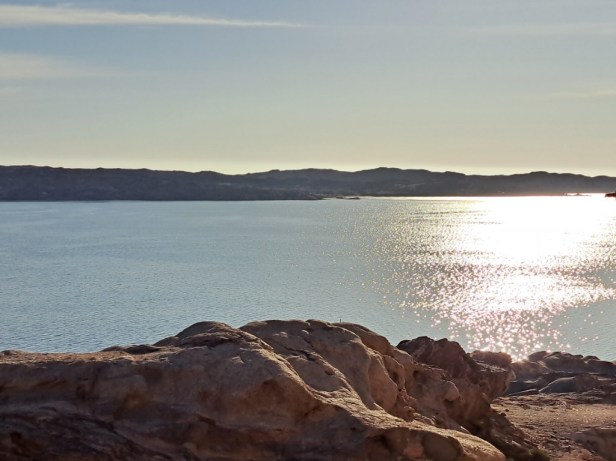
View of the bay from Shark Island
While we were looking out over the sea from the high rocks at the island, we saw tugboats assisting a big cargo vessel into the harbour. This seemed like quite a job, but it wasn’t long before the vessel made it safe into the harbour.
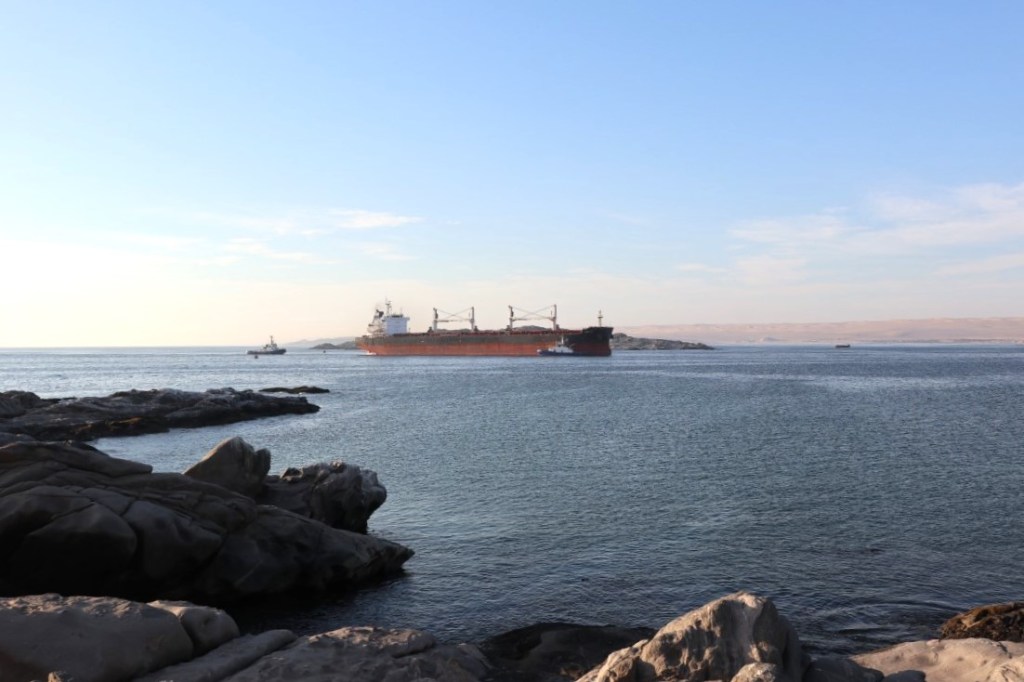
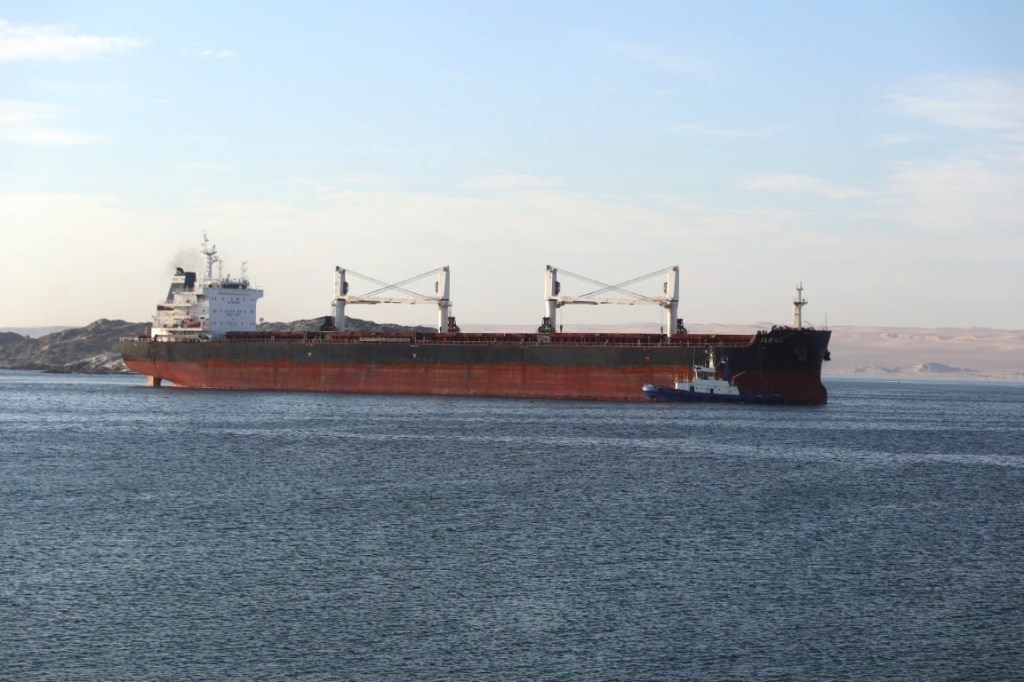
Big cargo vessel assisted by tugboats
We also saw other smaller boats anchored near the shore, probably for fishing.
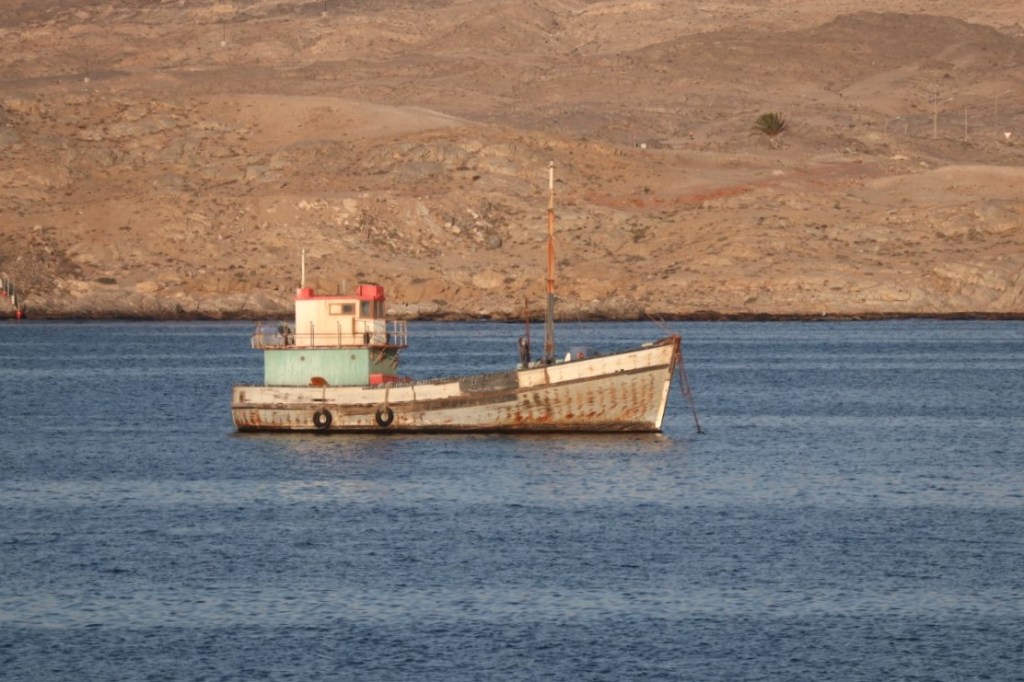
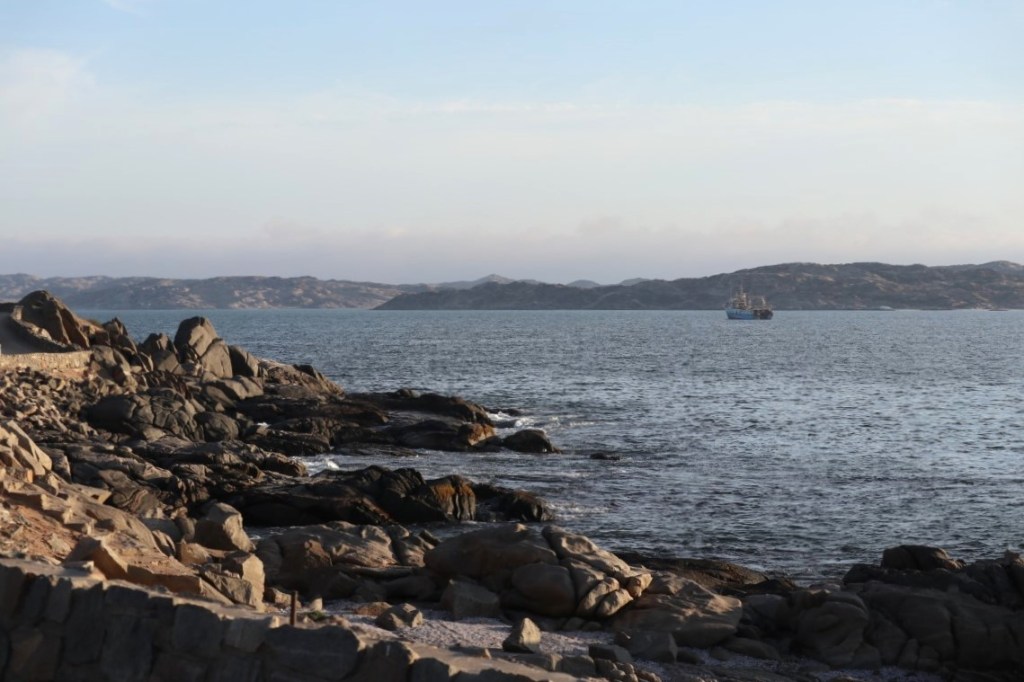
Smaller boats

Shark Island Lighthouse (Self-service accommodation)
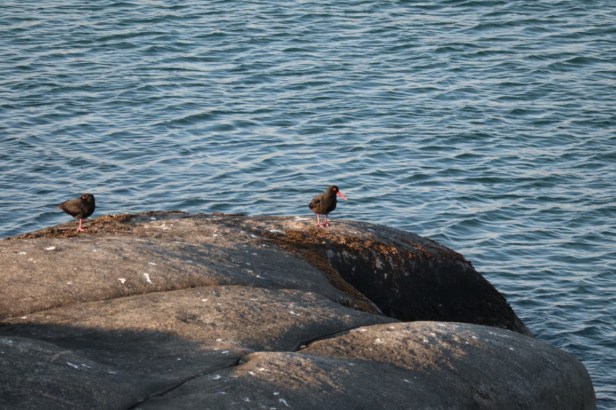
African oystercatchers (“Swarttobie” in Afrikaans)
The circular route at Shark Island offers stunning views over the bay, harbour, and town. We also saw campsites here and several monuments depicting the troubling time in the history of Namibia.

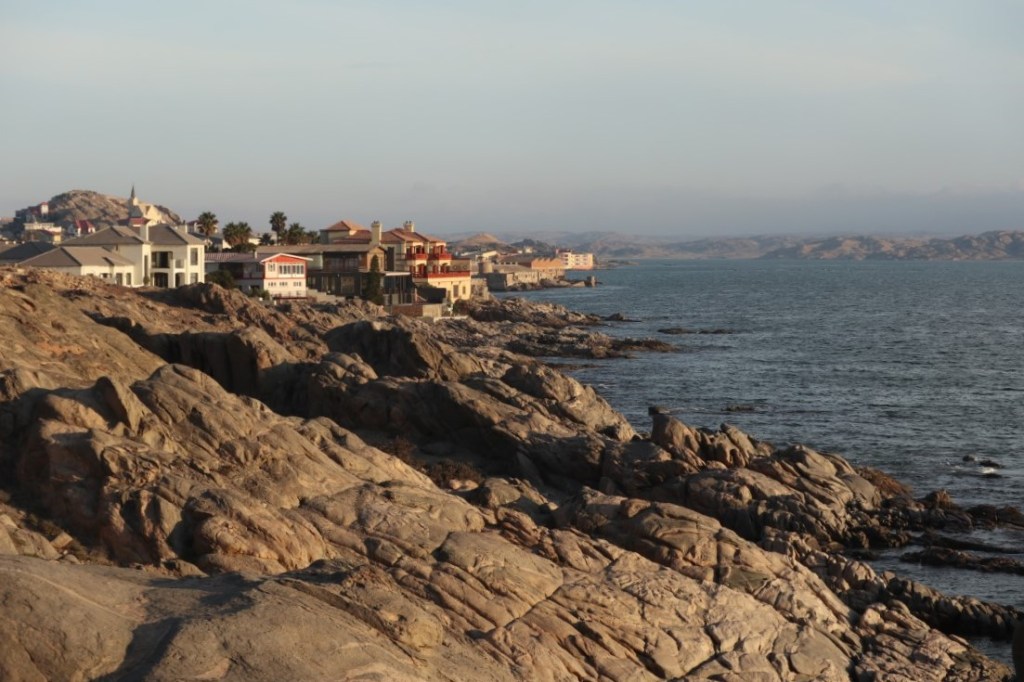
Circular route and views of the rocky coastline at Shark Island
Franz Adolf Eduard Lüderitz, a merchant from Bremen in Germany founded the town of Lüderitz in May 1883 and named it after himself. There is a small monument dedicated to him at Shark Island.

Franz Adolf Eduard Lüderitz
Before we left Shark Island, we had a final look at the big cargo vessel that had now almost found its place in the harbour. The sun was quickly setting, and we decided it was time to find our accommodation – it had been a long day!

Cargo vessel – now almost in the harbour

The sun is setting over the bay of Lüderitz
Cormorant House:
Our accommodation, Cormorant House, is situated on the edge of the Island and a self-catering guesthouse. Because we knew we were going to arrive late, we had booked a spot at a restaurant for dinner earlier while we were in town. However, I think it would be great to have a glass of wine and a few snacks on the balcony of Cormorant House while watching the sunset.
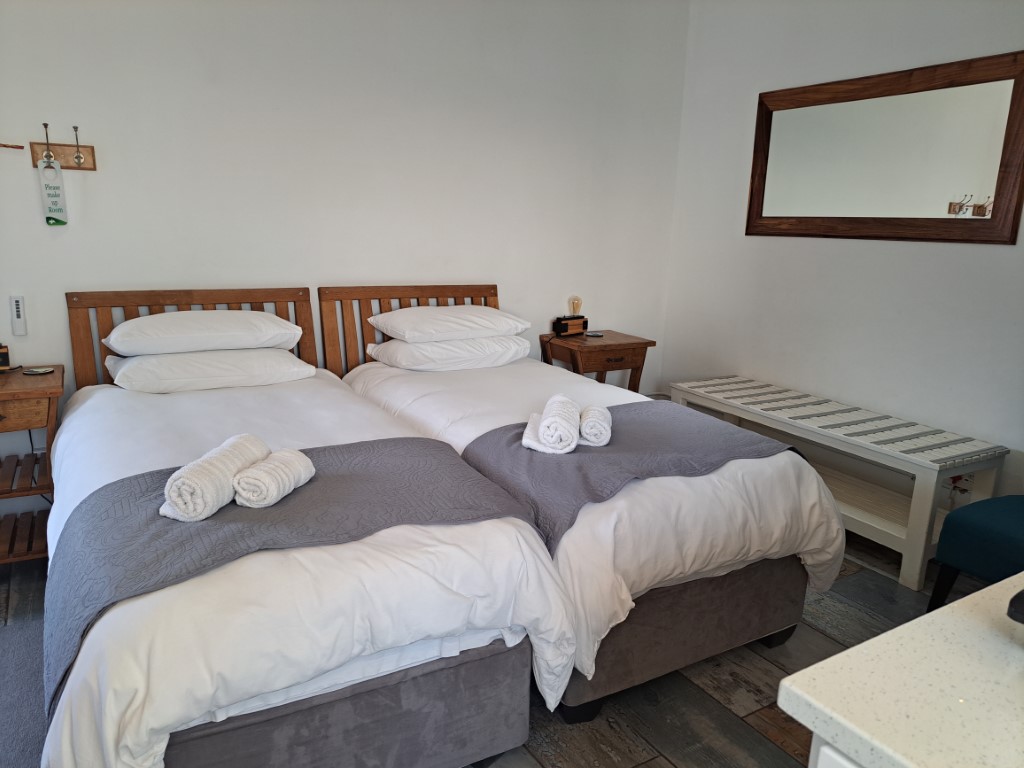

Our room at Cormorant House with a view over the bay
The Portuguese Fisherman Restaurant:
We decided to have dinner at a Portuguese restaurant – let’s just call it a tribute to Mr Dias himself. This would be our last night along the coastline of Namibia and seafood was the obvious choice.
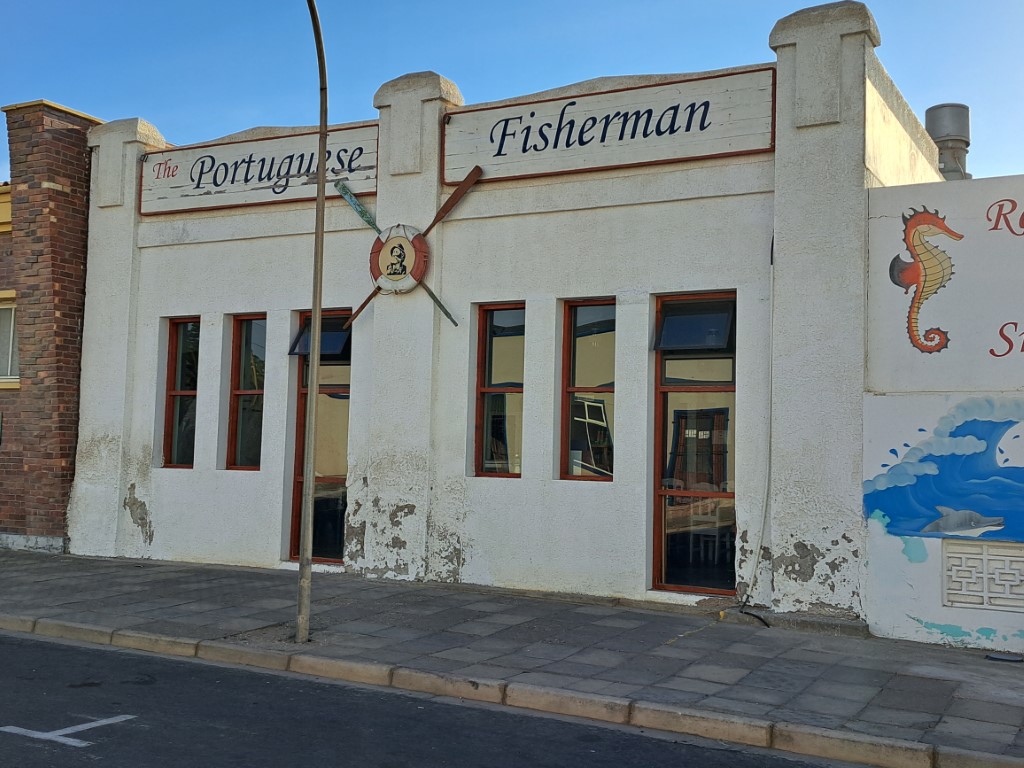
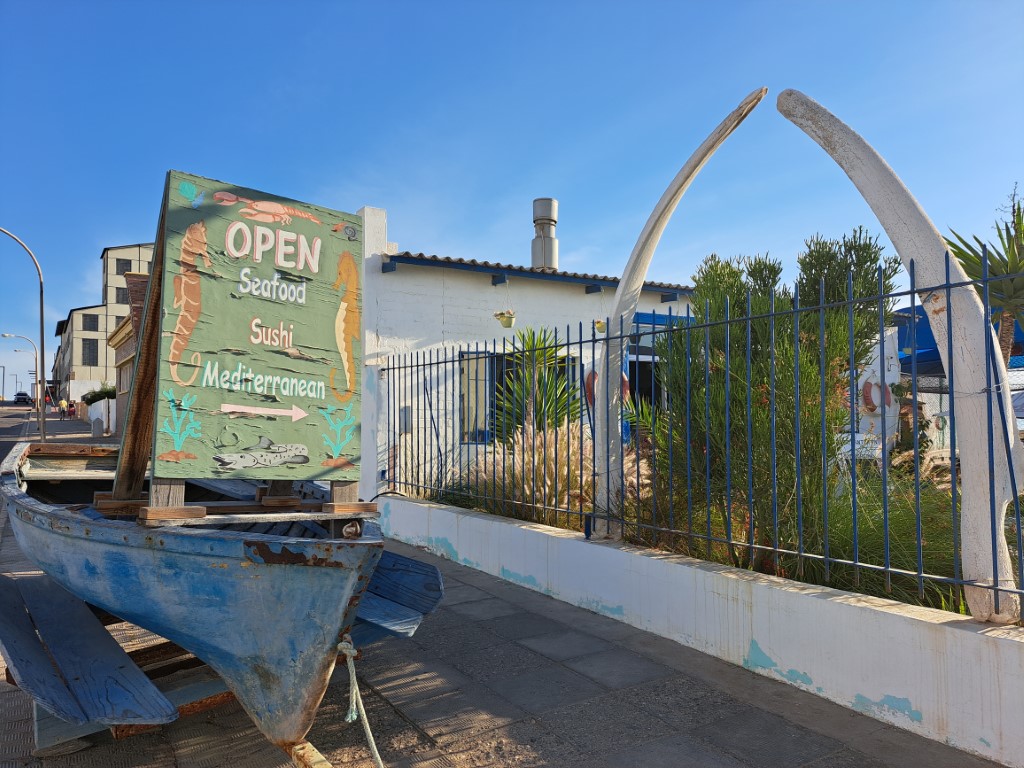
The Portuguese Fisherman Restaurant
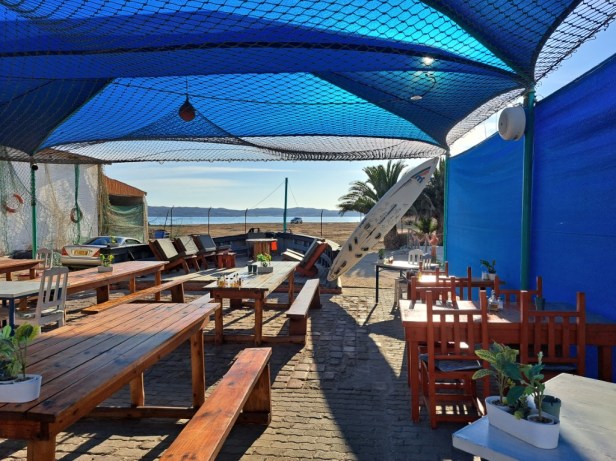
Outside seating area
Berto and I decided to share our meals. The starters were prawns in a garlic sauce and a Greek salad. Our main course was fried fish, calamari, and chips/fries. The portions were generous and really tasty. After we finished our dinner with a bottle of Portuguese white wine, it was time to call it a day.

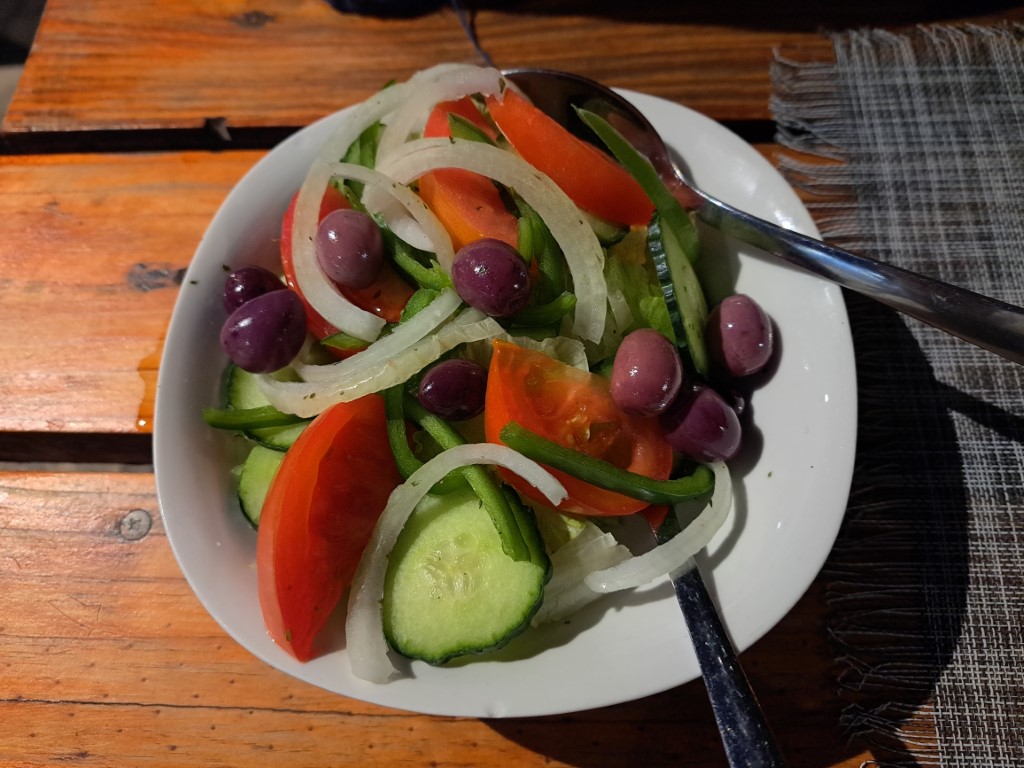
Starters
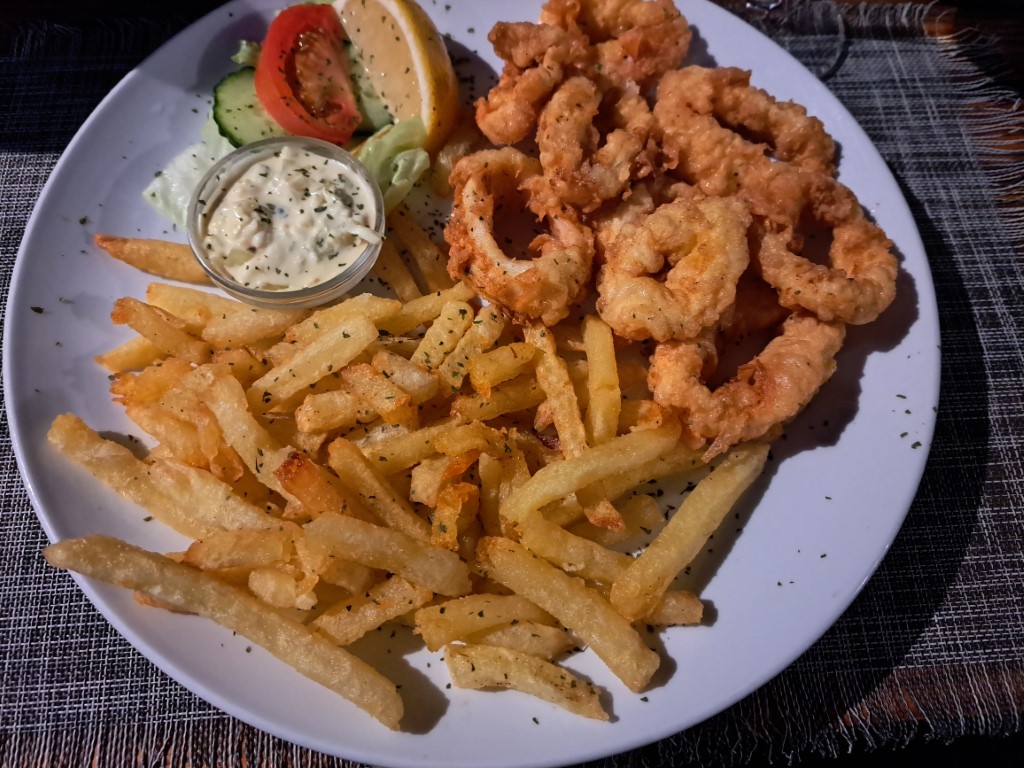
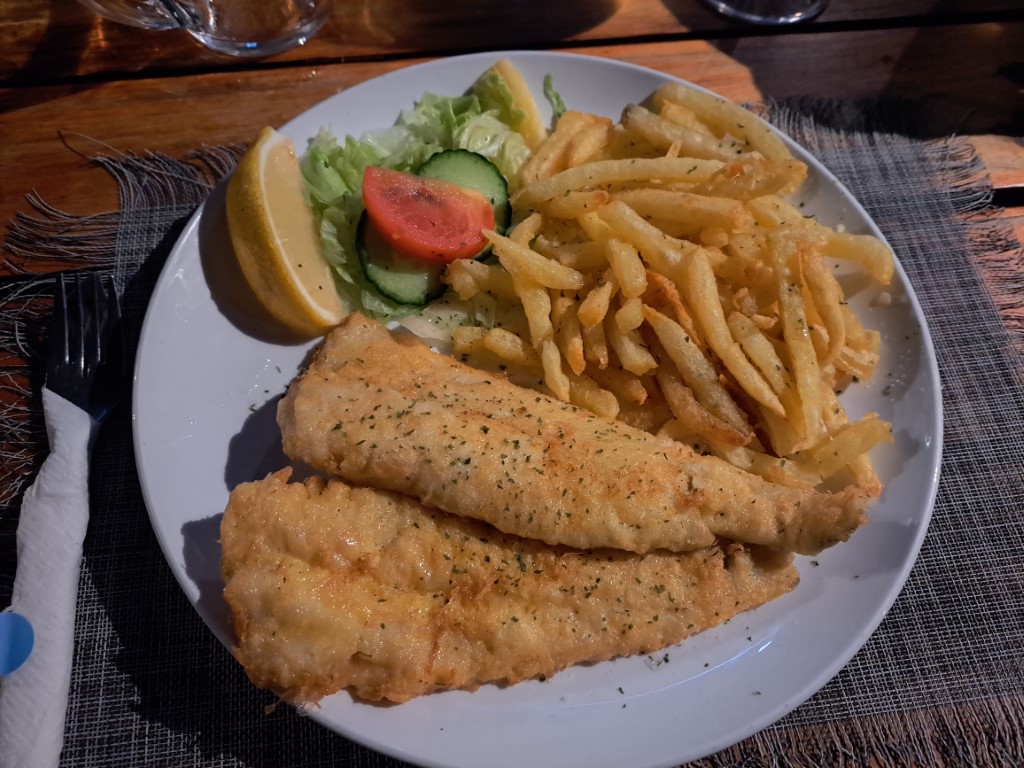
Main course
We were just in time back at our guesthouse to see the sun finally set. Lüderitz was the perfect place to end a wonderful day in Namibia.
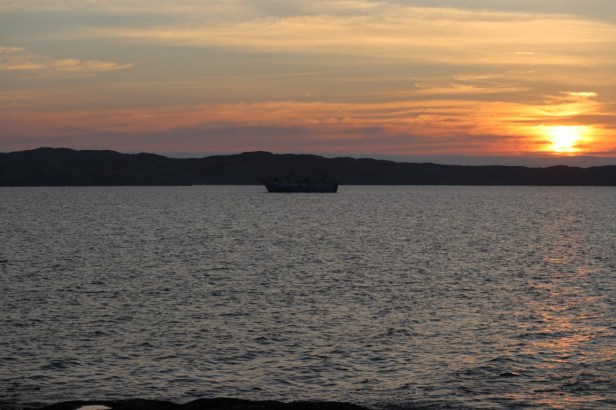
Sunset at Lüderitz
In our next post, we’ll take you to the ghost town, Kolmanskop in the desert – a journey back in time when almost everybody had diamond fever! To read this post, click here.


I wanted to visit Lüderitz but we just couldn’t manage to get this far south in the time we had available for our Namibia trip. So it’s great to see it through your eyes. The architecture looks colourful, the coastal views beautiful and the history is fascinating too 🙂
LikeLiked by 1 person
I’m glad we can show you what it looks like in Lüderitz, Sarah. The architecture is remarkable with a great German influence (especially when looking at the street names). There were quite a few German tourists in the restaurant where we had dinner that evening. Where there is an ocean, you are almost guaranteed to have beautiful views – it is no different in Lüderitz.
LikeLiked by 1 person
We saw a strong German influence in Swakopmund 🙂
LikeLiked by 1 person
Yes, we have heard from friends who visited Swakopmund that there are many traditional German-style buildings – next time we’ll go there!
LikeLiked by 1 person
Lovely Corna. I liked the appearance of the colonial buildings in Lüderitz and the photo of you by the Diaz cross is really nice too.
LikeLiked by 1 person
Thanks Marion. The colonial buildings in Lüderitz are really beautiful (and so colourful too). I’m glad you like the photo of me by the Diaz cross – the wind was blowing so strong that I had to hold onto the cross to avoid blowing away 😁.
LikeLiked by 1 person
What a beautiful end to are great day. All those buildings are so picturesque and that lighthouse on Shark Island is unique. I am enjoying your holiday very much!
LikeLiked by 1 person
We were very happy to end our first night in Namibia in the coastal town of Lüderitz – a beautiful sunset over the ocean brings a kind of tranquility that is hard to describe. We also thought the lighthouse on Shark Island is special – imagine you spend a night there (I wouldn’t mind). I’m glad you’re enjoying our holiday with us – there is still plenty of fun ahead!
LikeLike
Lüderitz looks like a lovely town to explore with its colorful buildings and nice views. Your meals look delicious too. I’m looking forward to reading more about your time in Namibia!
LikeLiked by 1 person
We really enjoyed Lüderitz. I think we should have actually spent another day there to see more places (maybe a boat cruise on the Zeepaard would have also been a good option). Hmm, the food – delicious seafood at a coastal town … you can’t beat that! I think you might enjoy the next post when we walk around the ghost town in the desert – another wonderful experience.
LikeLiked by 1 person
What a beautiful place. With Namibia being such a desolate place (at least it looks that way on Google Maps), it is nice to see these oasis of civilization. Dinner looked wonderful.
Dian and I look daily at a YouTube channel by the Ocean Conservation Namibia that rescues seals trapped by marine plastic (old fishing line, packing straps, and various other entanglements). They are more up around Walvis Bay.
LikeLiked by 1 person
You’re right Carl, Namibia is indeed desolate (you will see more of this in our next posts). Lüderitz – and literally every other small town on our route – felt like an oasis. Oh, you know us – when we enjoy dinner, it’s usually a feast! Yes, I’m aware of that organisation that rescues seals (wonderful work they do). It is possible to see the Cape Fur Seals near Lüderitz – however, we were not that lucky. Thanks for stopping by.
LikeLike
Diaz Point Lighthouse looks amazing, and so does Lüderitz with its many wonderful and colourful buildings. Spending a night at Sharks Islands lighthouse would be a very memorable experience, especially as it offers panoramic views that stretch over the horizon. Thanks for sharing, and have a good day 🙂 Aiva xx
LikeLiked by 1 person
It was interesting to visit two lighthouses in one day (while each serves a different purpose) 😉. Lüderitz was absolutely worth visiting and I’m not sorry we drove the extra 126km to sleep there for one night! Thanks for commenting, Aiva. Have a great day.
LikeLike
I never think of coast and a beach town when I think of Namibia. This whole area looks wonderfully inviting. I’ll keep it in mind. Maggie
LikeLiked by 1 person
Yes, it’s possible that one thinks of desert and perhaps a national park like Etosha when thinking of Namibia. Yet there are beautiful coastal towns like Lüderitz, Walvis Bay and Swakopmund – not necessarily beach resorts (as I mentioned), but definitely worth a visit.
LikeLiked by 2 people
As a windsurfer, Lüderitz means only one thing to me – the world windsurfing speed record! The world champion for many years was a British lady called Sara Davies, whom I have had the greatest pleasure to meet and interview!
So thank you for giving me another perspective on Lüderitz besides the speed-strip canal!
LikeLiked by 1 person
Now I have learned something new from you! I never knew that there was a world windsurfing speed record set in Lüderitz! But I can believe it, because the wind we experienced at Diaz Cross was wild 🫨. And how lucky were you to meet Sara – it must have been a highlight for you! Thanks for sharing this.
LikeLiked by 1 person
In windsurfing terms, it’s even called the Lüderitz speed challenge! It gets great wind, and they created a flat-water canal that reduces drag from waves and runs in the correct direction to benefit from the prevailing wind.
It was an immense privilege to meet Zara. I have windsurfed at only half her record-breaking speed, and it was terrifying! Windsurfing is a very small sport. I had the pleasure of interviewing 29-times world champion Karin Jaggi, who is an absolute legend, and had my photo taken with Team GB’s Olympic Silver Medallist Nick Dempsey – thankfully not at the same time as I almost clocked him around the head when he walked past a windsurfing simulator when I was having a lesson!
LikeLiked by 1 person
Yes, I read about the Lüderitz speed challenge – fascinating. Windsurfing is also big in our hometown, Langebaan on the West Coast. From October to March, the wind is perfect (and strong enough) for both wind and kite surfers – then you see colourful kites all over the Langebaan Lagoon. Oh my, a photo with an Olympic silver medal winner – that’s HUGE!
LikeLiked by 1 person
I was a little bit star struck, meeting an Olympian!
I have heard of Langebaan for sure. I think a lot of the pro windsurfers go there to train in the UK winter. 🙂
LikeLiked by 1 person
Yes, we always hear the UK accents on the beach during kite- and wind surfing season 😁.
LikeLiked by 1 person
Fabulous. I really enjoyed reading this post and seeing Luderitz. It looks very charming. Like Sarah I only visited Swakopmund on the coast and it too has a very German influence. Of course it was South West Africa under German rule before WWI
LikeLiked by 1 person
I think Swakopmund and Lüderitz likely have very similar character traits (meaning German influence). Although the name Namibia was already chosen by the UN in 1968, it only became known as Namibia after it gained independence from South Africa in 1990. On our trip, it was interesting to hear older people still refer to it as “Suidwes” (Afrikaans) or South West Africa.
LikeLiked by 1 person
Great write-up. Almost feel the pull to visit. Is there any nearby scuba diving to be enjoyed? Shark Island maybe? Keep travelling, and sharing your marvellous adventures with us xx
LikeLiked by 1 person
Ah, it is great to see you on our blog, Fiona – thank you for your comment! To be honest, I’m not so sure if Namibia can be classified as a top scuba diving destination. The Atlantic Ocean is very cold and rough, and I think visibility and swimming conditions can be challenging in these waters. I think there is one or two lakes (more inland) that might be more suitable for scuba diving. You will probably not visit Namibia for scuba diving, but rather to enjoy the vastness of the country!
LikeLiked by 1 person
Wow, this is such different terrain than your post about the horses. Lovely sunset!
LikeLiked by 1 person
Lüderitz may seem like a typical coastal town, but the presence of the desert is never very far away – it’s basically just the main street that is paved, the rest of the streets are dirt. But I guess the colourful buildings quickly make one forget that the vast Namib Desert is actually just walking distance away. Thank you, Diana, the sunset was beautiful – I love it when the sun sets over the ocean.
LikeLiked by 1 person
The colonial architecture is beautiful. I much prefer history over a beach resort! The Shark Island Lighthouse is cute.
LikeLiked by 1 person
The general feeling of Lüderitz is old-worldly with its colourful colonial buildings and dirt roads – definitely more to my taste than a party beach resort. Oh yes, Shark Island Lighthouse (which is not a lighthouse), is definitely the place if you’re looking for unique accommodation!
LikeLiked by 1 person
I don’t have any real expectations as to what Namibia looks like, Corna, but I gather there’s a lot of desert. And strong winds! I shall follow along with interest xx
LikeLiked by 1 person
Sometimes it’s good not to know what to expect from a new place – then every day is a surprise! But you couldn’t be further from the truth than the fact that there is a lot of desert and wind (we experienced a sandstorm like no other near Sossusvlei). I hope you enjoy the next few posts – Namibia is definitely a unique country (in terms of surroundings and their people).
LikeLiked by 1 person
What a beautiful area Corna! The architecture of those buildings is amazing. I am still surprised by all the dirt roads.
LikeLiked by 1 person
This stands in great contrast to the desert – even if there are dirt roads. It’s the architecture that makes Lüderitz such a special place (and their friendly people, of course). We really enjoyed this little town.
LikeLiked by 1 person
Hmm, ek dink Dias het gedink: “Og, wat ‘n verlatenheid!”
LikeLiked by 1 person
Ha, ja siestog! Dit moes seker ‘n redelike skok vir die stomme man gewees het. Maar as hy net lank genoeg gebly het, sou hy nooit weer wou weggaan nie (sy soeke om die seeroete om die punt van die Kaap van Goeie Hoop na Asia te vind, sou net hier by Lüderitz gestop het).
LikeLiked by 1 person
How lovely, I really liked all the colourful buildings. The colonial legacy really is everywhere in Africa (well, apart from Ethiopia of course). Your dress is also stunning 🙂
LikeLiked by 1 person
I think many tourists visit Lüderitz to look at the lovely buildings (and to eat seafood of course 😉). I threw the dress into my bag at the last minute and was very happy about that when we had a few (unexpected) warm days. Thank you, Hannah.
LikeLike
It is so interesting to see these old colonial buildings. And the scenery is also amazing.
LikeLiked by 1 person
There are so many of these old colonial buildings (we only took a few pictures) and they are so well preserved too. The views over the sea are beautiful – Lüderitz is such a quaint little seaside town.
LikeLiked by 1 person
The Harbour Square looks absolutely deserted, as does the rest of the town. Forgive me if you mentioned this already, how did you find Namibia in terms of tourist crowds? So far, these places seem a bit off the main tourist trail perhaps? Shark Island is a very sad place given the history of persecution and extermination the Numa and Herero people faced at the hands of the German colonisers.
LikeLiked by 1 person
Lüderitz is actually a place that is visited by quite a lot of tourists (especially because Kolmanskop, the abandoned diamond town in the desert) is nearby. I think our timing was just right and we were mostly a day or two behind the crowds. Although, I must say that there were a few places we visited using back roads that are not on the tourist route. Even though Namibia is a large and expansive country, there are a few places where you will always encounter tourists (and which you must visit or you will miss out), so you just have to grit your teeth and make the best of such a visit.
LikeLiked by 1 person