
VALLETTA (The Capital City of Malta)
Valletta – the capital of Malta and a place that is best explored on foot. A city that offers something for every taste, whether it’s baroque palaces, the many churches, intriguing streets, spectacular sea/harbour views or those lovely open-air cafés.
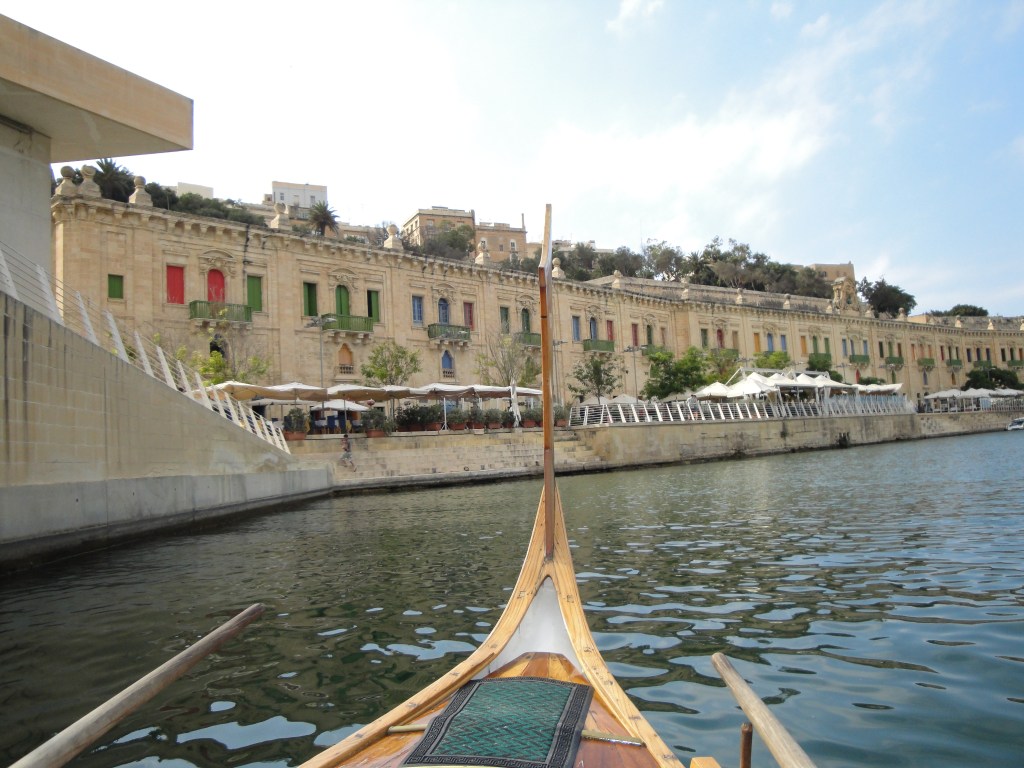
There are around 28 churches just in Valletta (a combination of churches, chapels, basilicas and the Co-Cathedral). You can be guaranteed of seeing a church when you’re walking somewhere in Valletta.
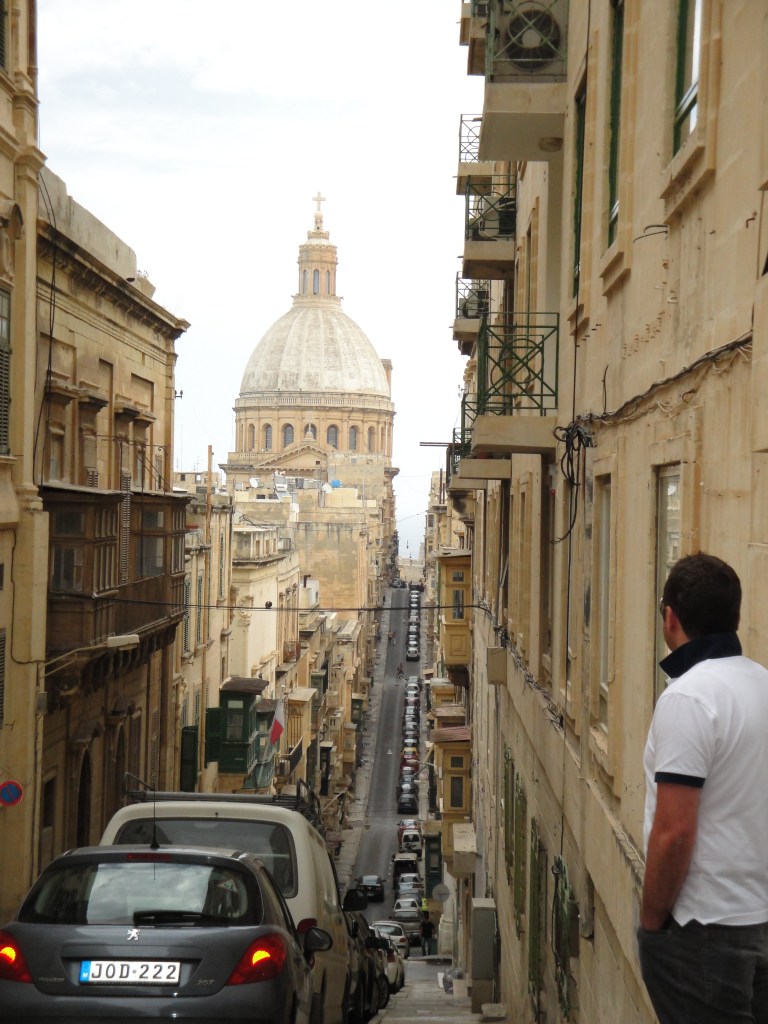
When entering Valletta from the Grand Harbour area, you will do so by going through the Victoria Gate – built by the British in 1885 and named after Queen Victoria.

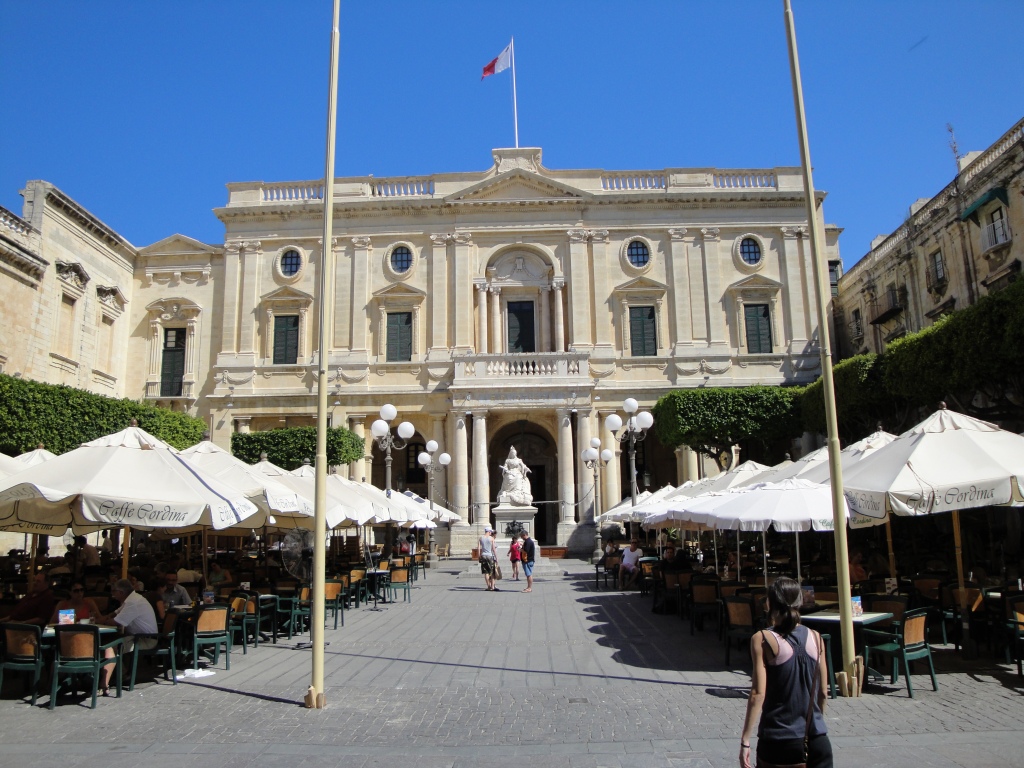
Eight streets run dead straight for most of the peninsula’s length, crossed by narrow, stepped streets. It is such a beautiful sight, you would want to take photos around every corner.


We’ve been to the Upper Barracca Gardens a couple of times from where you have spectacular views over the harbour. This is a 17th century parade ground of the Italian Knights which consists of a wide collection of monuments.

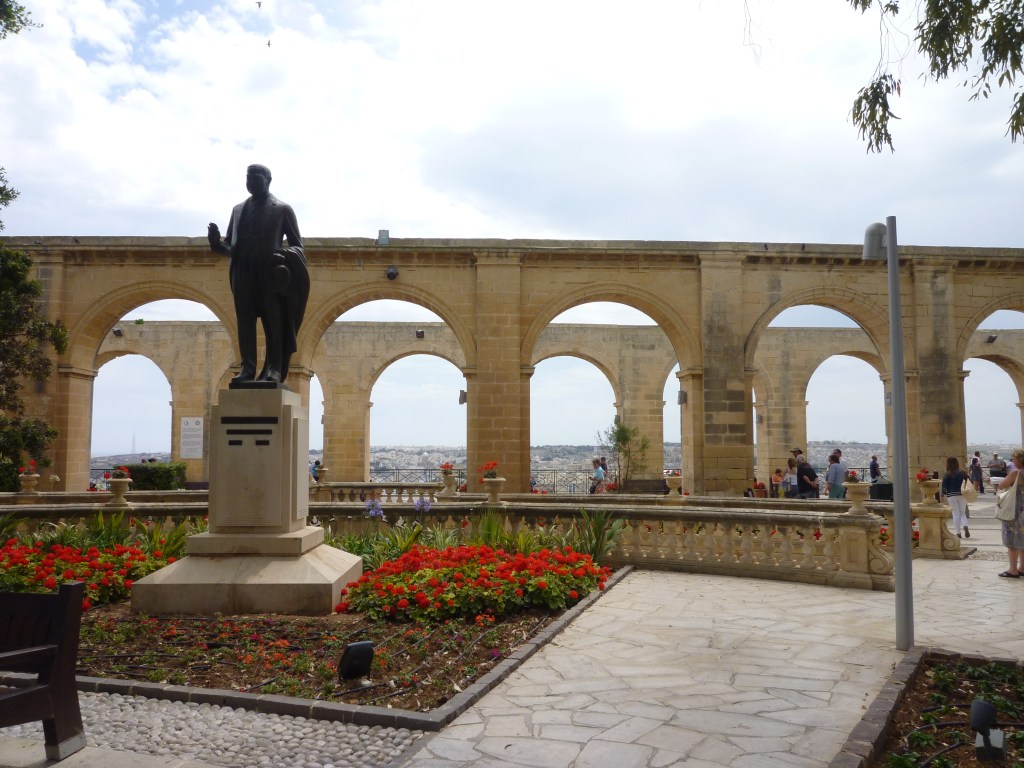

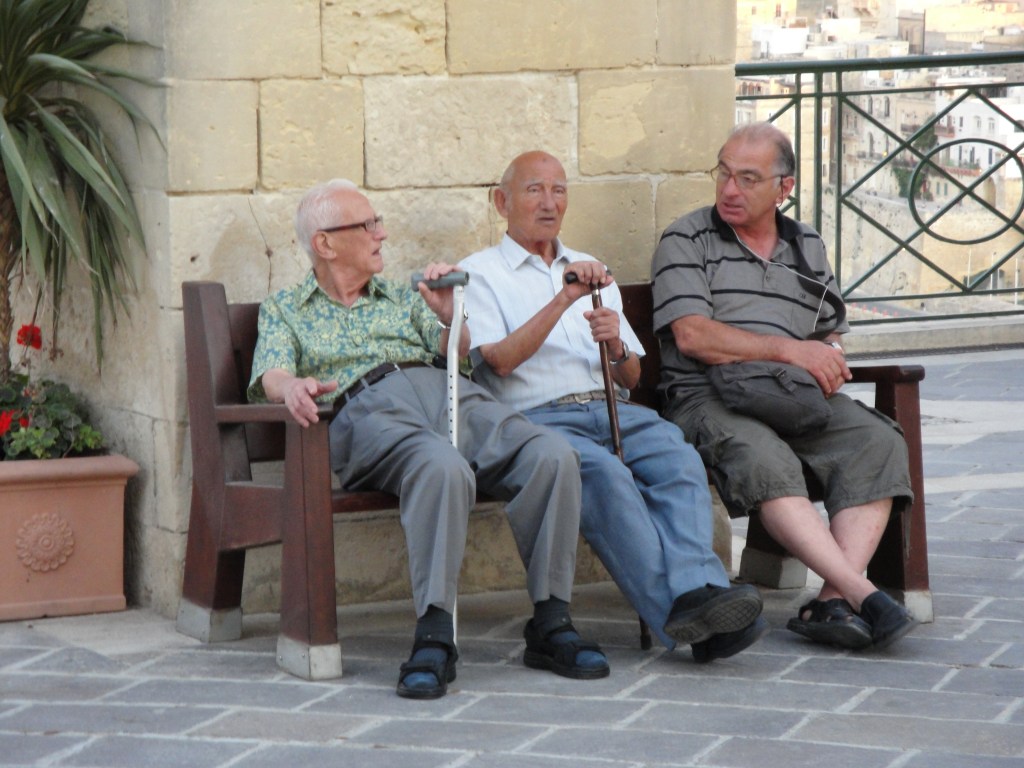

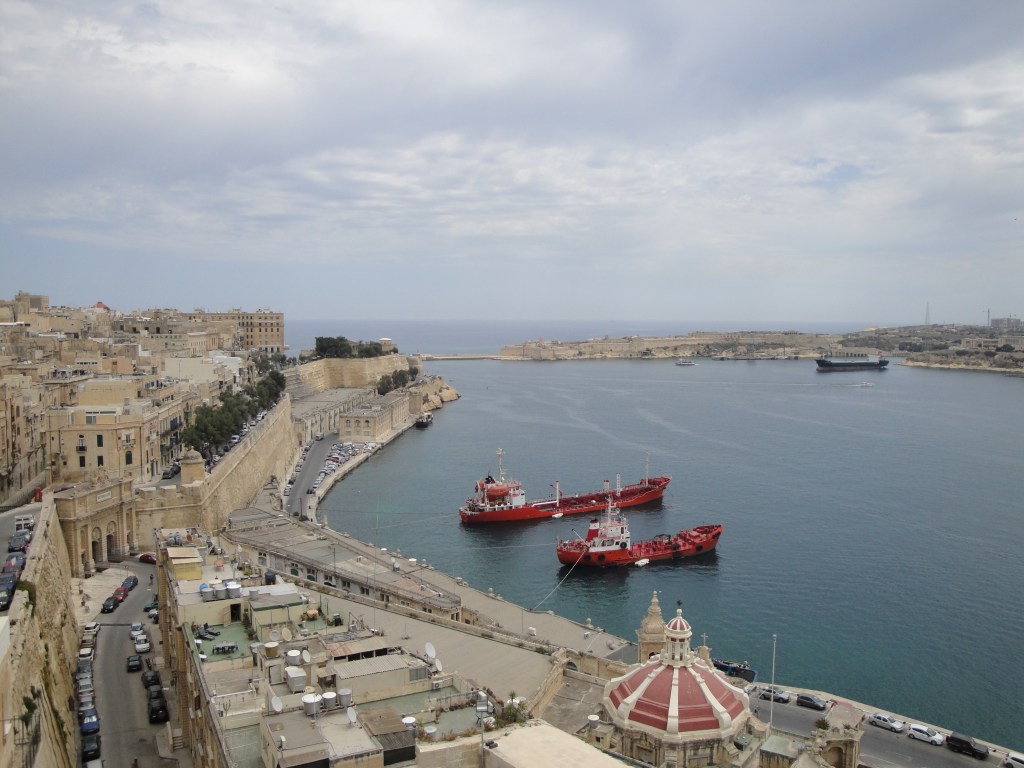
In Valletta, there is no shortage of tiny corner shops and boutiques shoulder to shoulder (of course, with the occasional church in between). You will be able to find many wall/street decorations and statues, that you would want to spend a couple of hours here or maybe come back on another day.
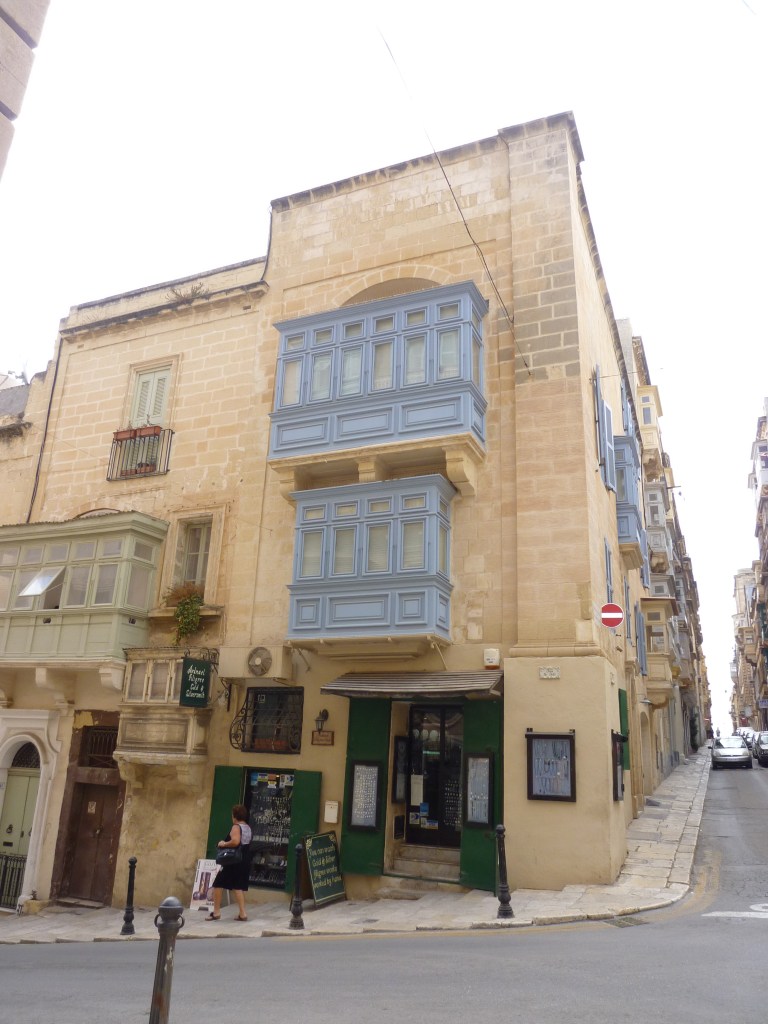
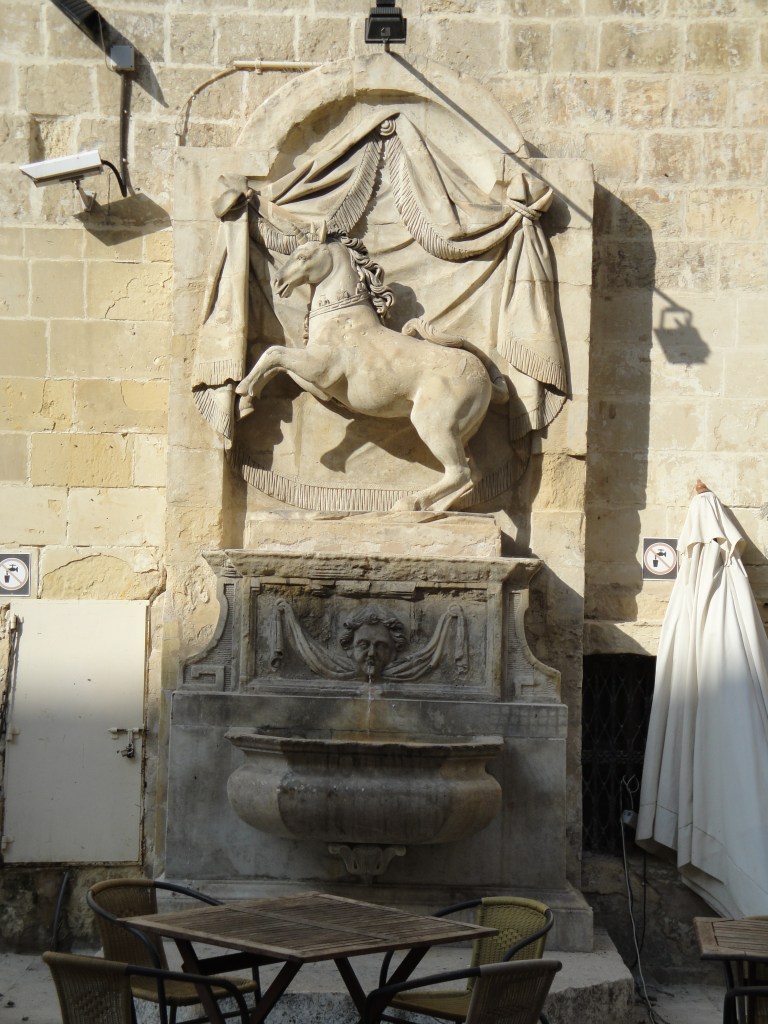
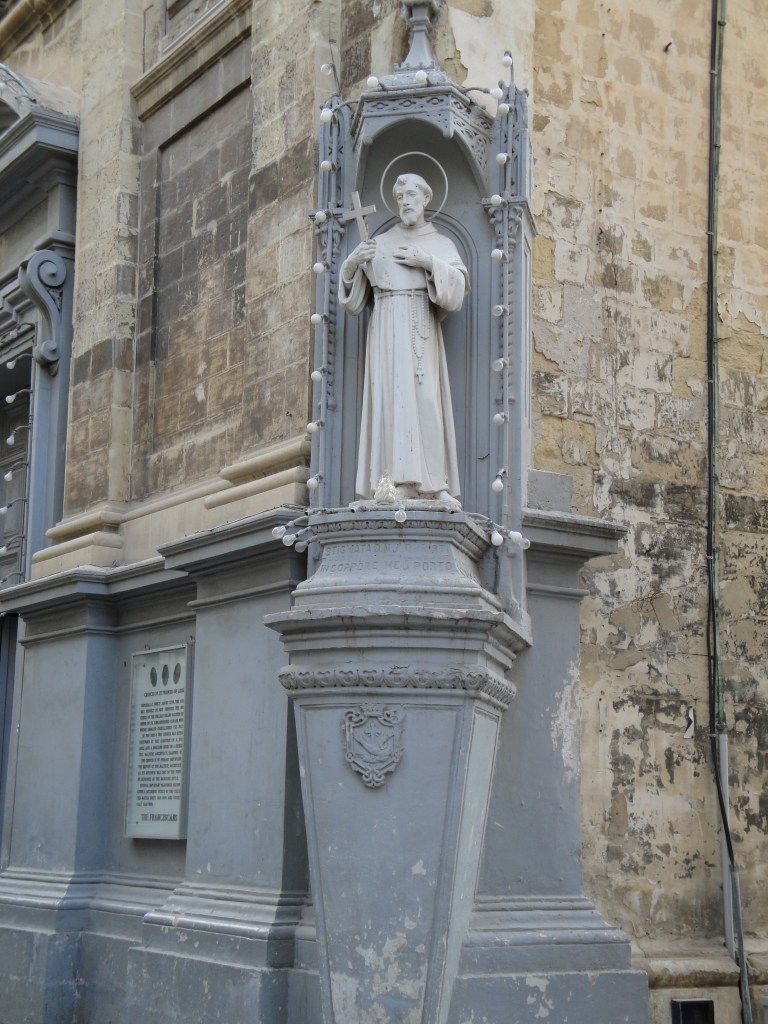
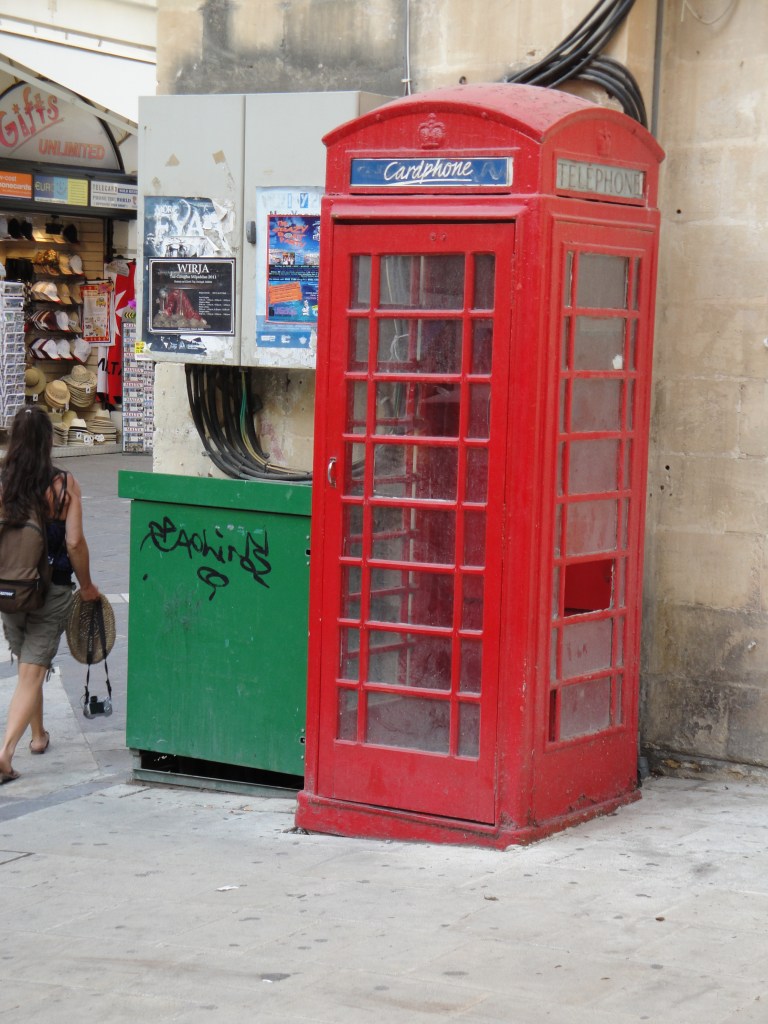
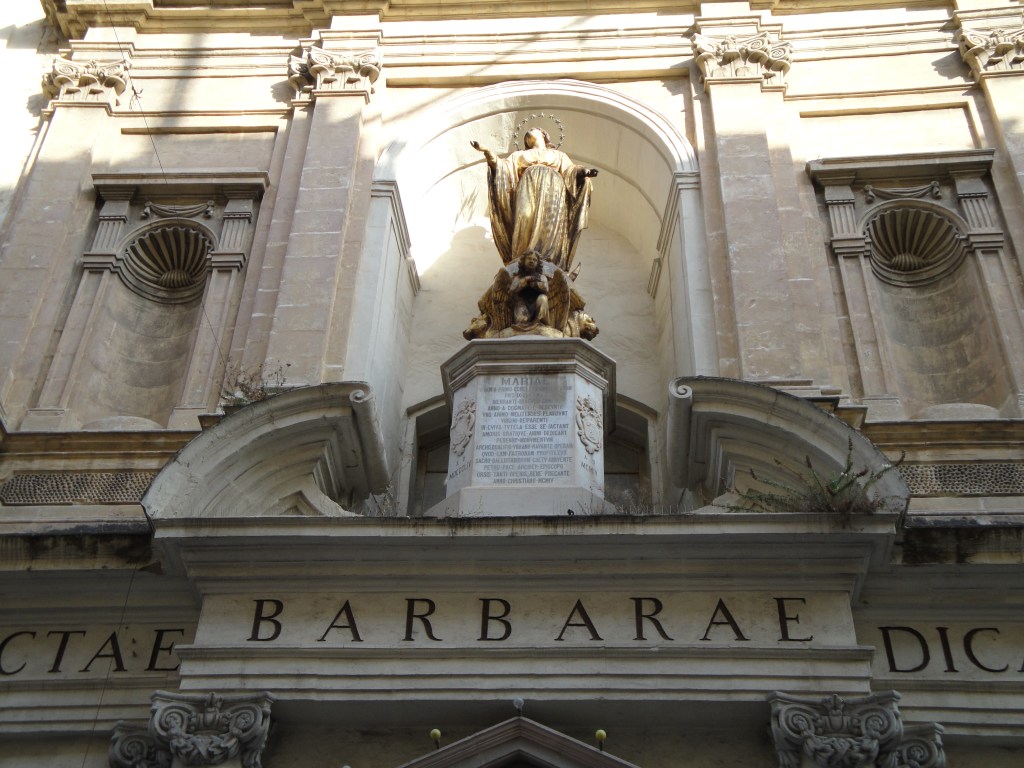
We’ve visited a couple of churches in Valletta (later in this post, we will show a few pictures of the inside of St John Co-Cathedral). It was however, the entrance to the Church of St Barbara that caught our eye.
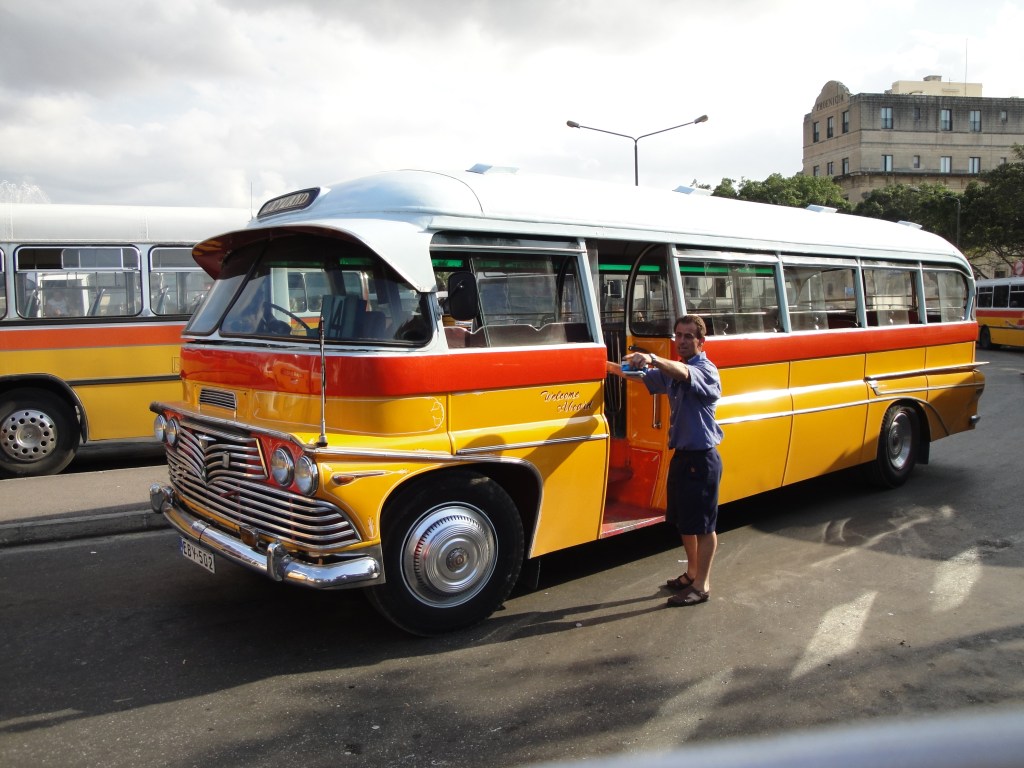
When we’ve visited Malta for the first time (2011), we were fortunate to still enjoy a ride in the old Maltese busses. It was very slow and noisy, but the Maltese bus drivers were colourful guys and always ready for a chat. This was quite an experience and something we’re happy we could experience.

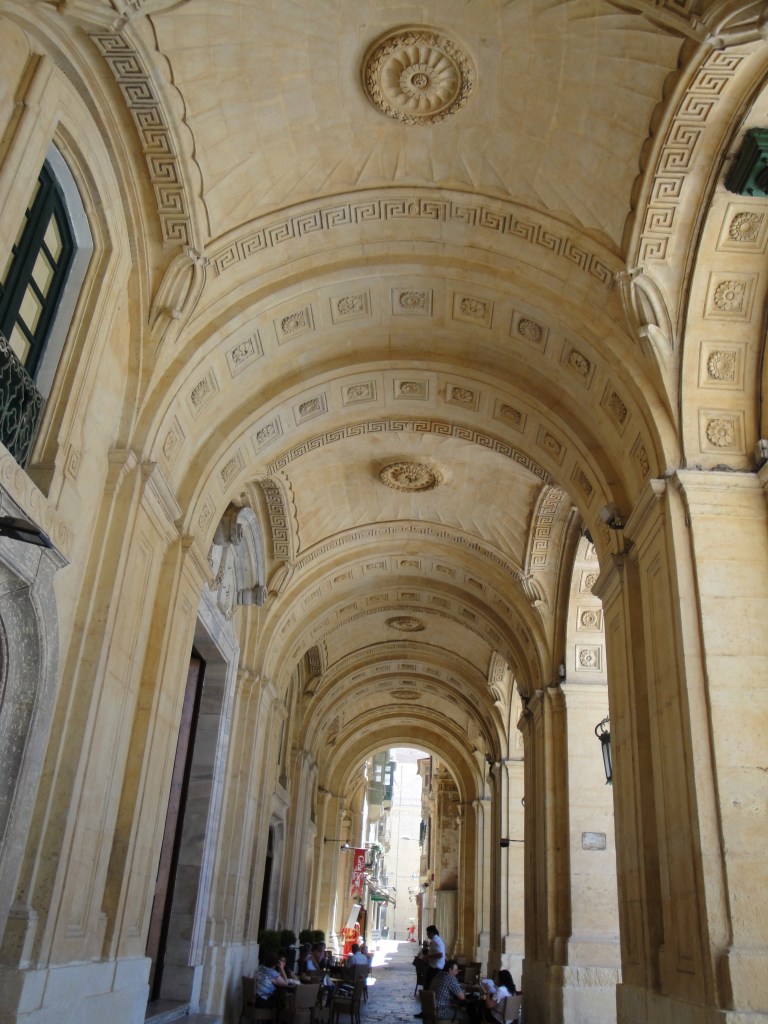
Some of the walkways in Valletta was, to say the least, just extraordinary! Sometimes we just had to stop, look up and be overwhelmed.
THE GREAT SIEGE OF MALTA
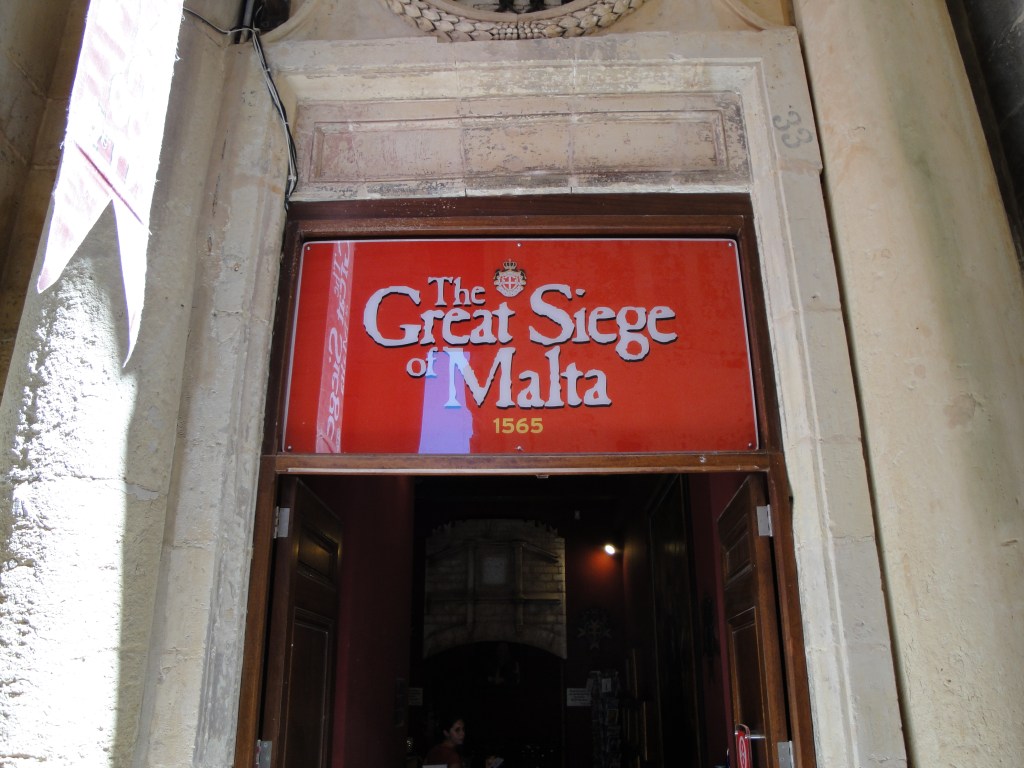
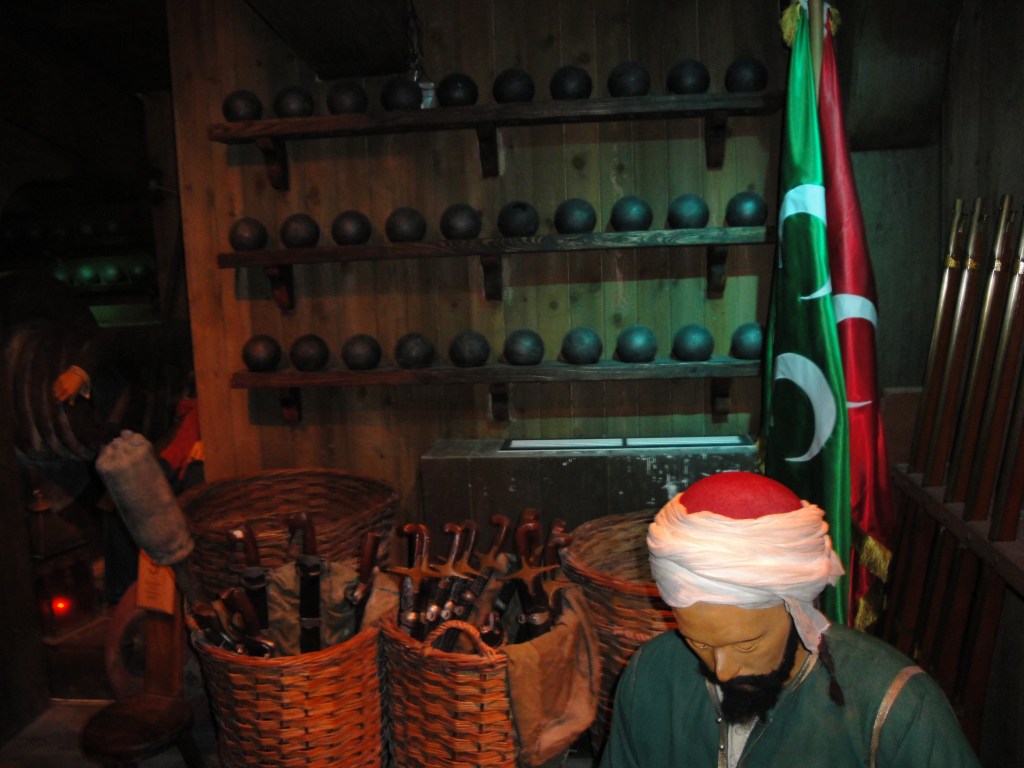
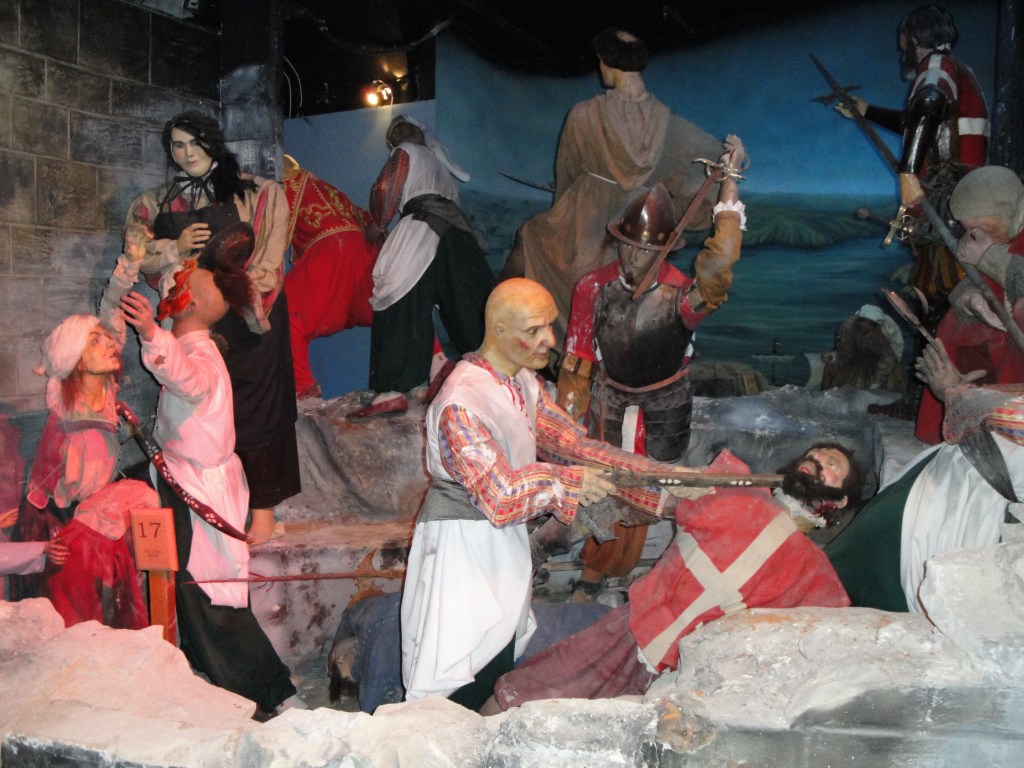
There are so many museums to visit while in Valletta. We’ve decided to visit the Great Siege of Malta. This was one of the most savagely contested encounters of the 16th century (1565) where a vast Ottoman fleet (about 40,000 men) attempted to invade Malta.
The Knights were heavily outnumbered with a mere 700 men and around 8,000 Maltese regular troops.
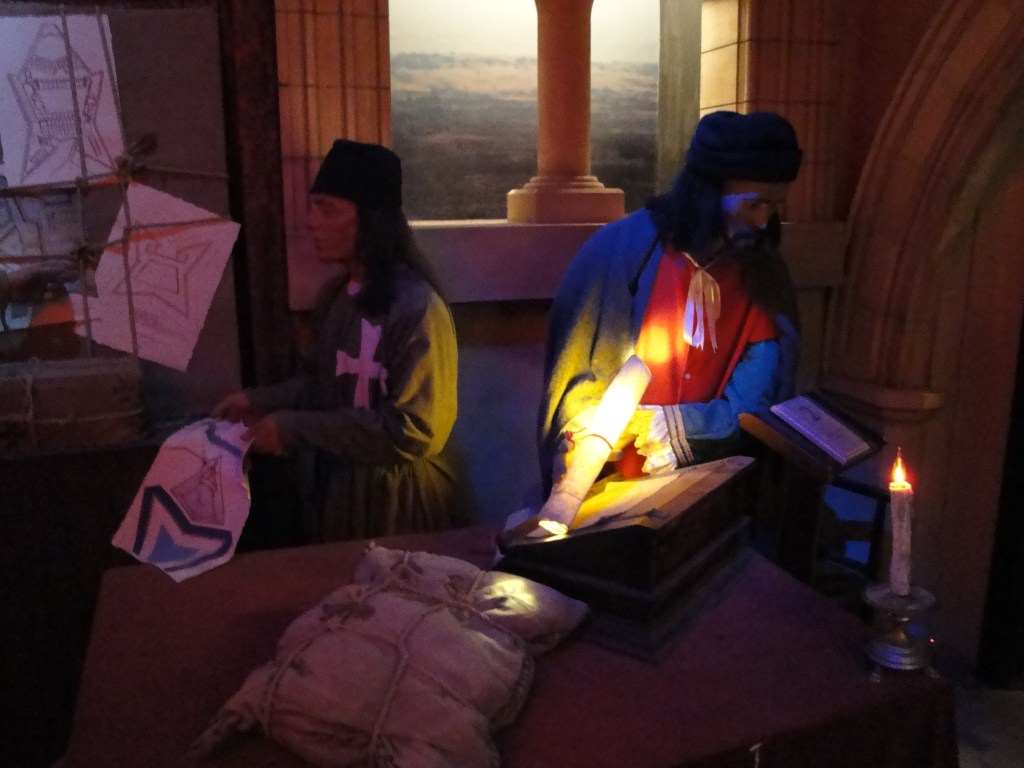
The Grand Master, Jean Parisot de la Valette, head of the Order of the Knights, decided not to deploy his men on the beaches to face the attack, but instead, he organised his defence from within the fortifications.
After almost 4 months, this blood-thirsty war ended after the Turks were finally forced to withdraw. It is documented that towards the end of this siege, Grand Master Valette ordered all Ottoman prisoners to be executed, and their heads used as ‘cannon balls’ to fire back towards their compatriots in St Elmo (the entrance of the Grand Harbour) – indeed a bloody story.
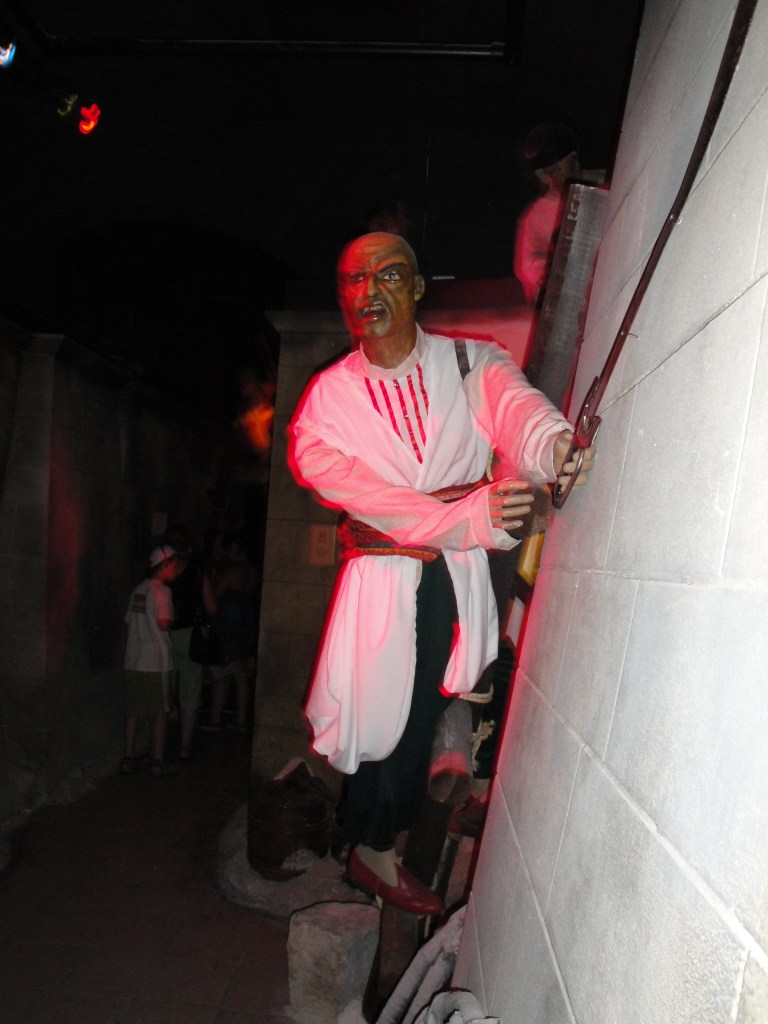
Here are a few photos, taken inside the museum:
ST JOHN’S CO-CATHEDRAL
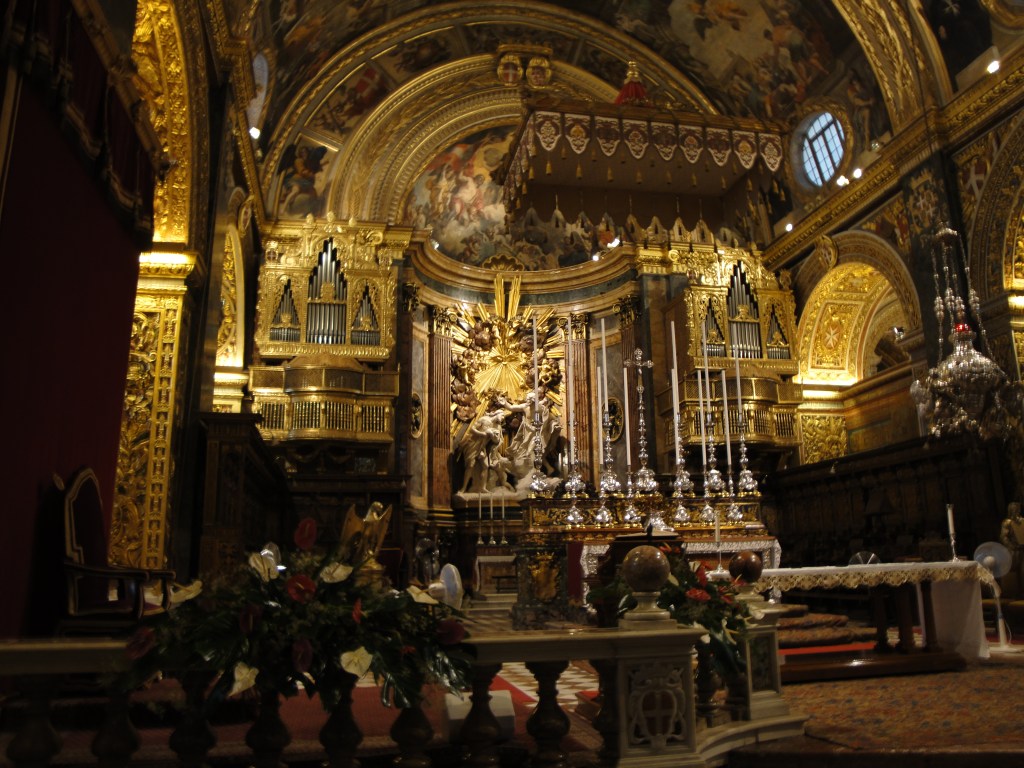
After witnessing this bloody war, we were looking for something a little more comforting. It was now time to take a walk towards the impressive St John’s Co-Cathedral.

This cathedral, completed in 1578, was granted status as the Co-Cathedral together with Mdina’s Cathedral by Pope Pius VII in 1816.

The cathedral is dedicated to John the Baptist, patron saint of the Order, and is regarded as the finest work of Maltese architect Gerolamo Cassar.
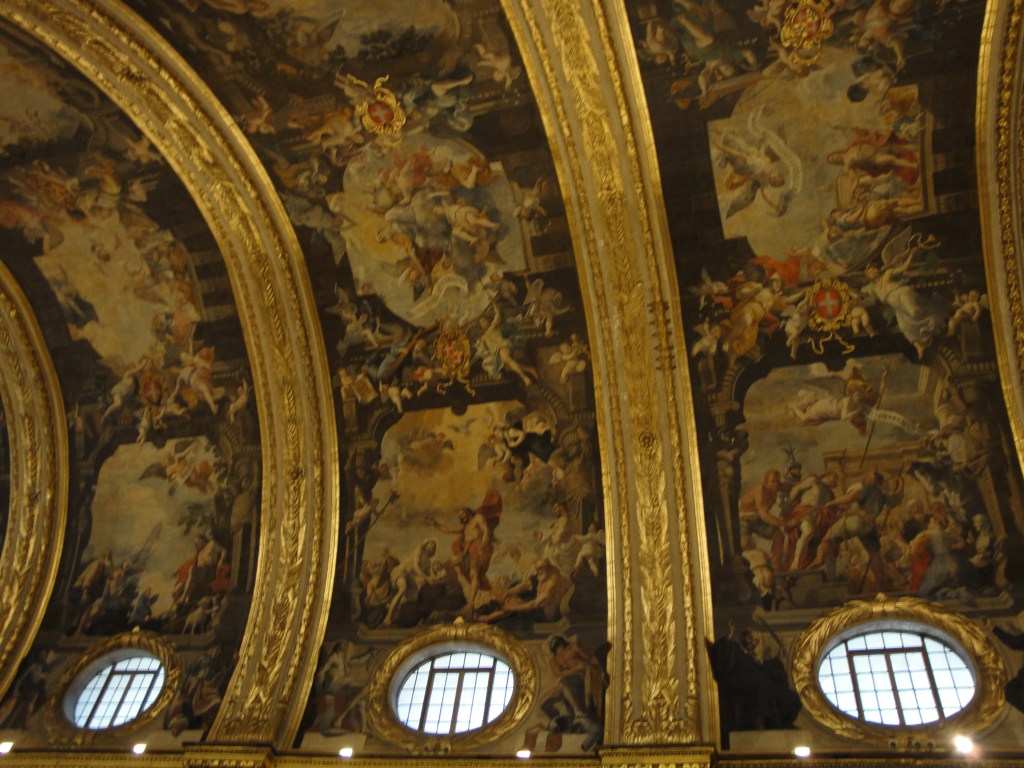
The oil-painted ceiling, the masterpiece of Mattia Preti, depicts 18 episodes in the life of John the Baptist.

After walking through this magnificent cathedral, we’ve needed a break – and I’m pretty sure you too.
In our next post, we will continue our tour of Valletta where you will see a palace and how we enjoyed a traditional Maltese evening. You can read about that here.
We have done these trips in 2011 & 2013


What splendid photos bringing back fond memories of our own visit to Valletta. We used the local buses each day to get around. They were indeed very slow because of the narrow roads but very cheap. I recall falling asleep on them with the stop start motion but fortunately our resort was at a terminus so we didn’t miss our stop!
LikeLiked by 2 people
Thank you Marion – isn’t it amazing how photo’s bring back great memories! Yes, those buses were indeed SLOW (the old ones even more so). We’ve also made use of them on our first visit (and I do remember them being very cheap), but the second time we got brave and rent a car 😉.
LikeLiked by 1 person
What a fascinating look of Malta! We have never been there! I loved the buses…….why did they get rid of them? Cady
LikeLiked by 2 people
Oh Cady, you will love this small island! I’m not quite sure about the buses, there were so many stories doing the rounds at that time … it might be that the buses were just really very old and difficult to manoeuvre in the narrow streets. During our first visit, we’ve moved to the new buses and they were indeed more comfortable, but we’ve missed the flair of the old ones ☺️.
LikeLike
You’re really ‘selling’ Valetta well in this post, it certainly makes me want to visit! I have very tentative plans for next May or the year after so maybe I will get there. The cathedral interior is stunning! It’s great that you’re allowed to take photos at all and I understand why they would say no flash, as it can feel intrusive if people are praying.
LikeLiked by 2 people
Ahh Sarah, we just fell in love with this beautiful island – I’m sure you will too! And yes, we were quite surprised that we were actually allowed to take photo’s inside the cathedral (so, no complains really about not being allowed to use a flash) … you must see this cathedral in person to appreciate the greatness of the work done here!
LikeLiked by 1 person
What an amazing place to see! All of it was so beautiful but that cathedral…..I’m speechless!
LikeLiked by 2 people
Yes Diane, we were in absolute awe when we first saw it!
LikeLiked by 1 person
Happy memories 🙂 We used the buses as well to get about the island (the old ones) and maaan did they take hours to get anywhere 🙂
LikeLiked by 2 people
I’m really glad you also had the opportunity to travel in the old buses – it was such a great experience! We had plenty of time to take photo’s while travelling in them 😁.
LikeLiked by 1 person
Hi, Corna, I’m salivating! The architecture, statues, cathedrals, narrow streets, & incredible history makes me want to get on a flight today! Thanks for sharing another wonderful description of Malta! 🌞
LikeLiked by 1 person
Ahh Lisa, I’m so glad you liked the post! I hope you will “survive” the rest of our Malta series 😉.
But you’re right, Malta has so many beautiful things to explore that the only way to experience this, is to get on a plane and go and see for yourself … hopefully soon!
LikeLiked by 1 person
Hello again Corna,
I wondered why you had appeared on my Malta pages and it all makes sense now! This is a great page and, as was mentioned above, it brought back some great memories for me as well. Sadly, by the time I got there, the old buses were no more. They still had a couple on the roads doing tourist excursions but that really isn’t my thing. I cannot wait to read more about your trip(s).
LikeLiked by 1 person
Hi Fergy. So good to hear from you again! I’ve posted comments on your Sri Lanka posts, but never heard from you … thought you disappeared, but here you are again 😊.
LikeLiked by 1 person
Not at all. My notices or comments or whatever you call them have been playing up. I have just sent my mate Malc a message as he wrote saying exactly the same thing, that he had commented on some of my posts but I never saw anything.
I know what the problem is, technology hates me which is fine as I hate it as well!
LikeLiked by 1 person
Sorry, I was actually still busy with that reply before hitting the send button accidentally 😊. Now I’ve seen I’m a whole series of Canada posts behind … that will take me some time!
Anyway, back to Malta – yes, that was two amazing trips. We still talk a lot about our time there and how much we’ve enjoyed the island. Loved the vibe the old buses brought with them – everything was so relaxed (well, very relaxed because it took ages to get to your destination!)
I certainly hope you will enjoy the next few posts about our Malta visits.
LikeLiked by 1 person
I shall look forward to the rest of your Malta expedition and I am sure I will like them as I enjoy all your posts.
LikeLiked by 1 person
Oh it looks amazing, thank you for your wonderful description and history 💖😘
LikeLiked by 1 person
Thanks Morag 💌 … we are really crazy about this lovely island!
LikeLiked by 1 person