December 2025 & January 2026
‘Rissibiekie Padstal’ in Kotzesrus & Camping food
After showing you in our previous post what our wild camping setup looked like (read here), today it’s time to show you what one can eat on a two-week-long wild camping adventure. And I promise, we didn’t skimp on our meals!
But before we get to the food, we’re first going to take you on a short road trip to a tranquil hamlet, Kotzesrus where we were amazed to find a shop (only cash) and a beautiful farm stall.
Road to Kotzesrus:
Kotzesrus is in the heart of Namaqualand and about 20km/12 miles from our campsite at Skulpbank. And although it sounds like a short distance to drive, it took us about 40 minutes to get there. The gravel road goes through the farm Waterval, and there are several gates that need to be opened and closed. The first part of the road is also very sandy and based on our previous experience with thick sand (read here), we made sure we had low tyre pressure so that we could drive comfortably through the thick sand.
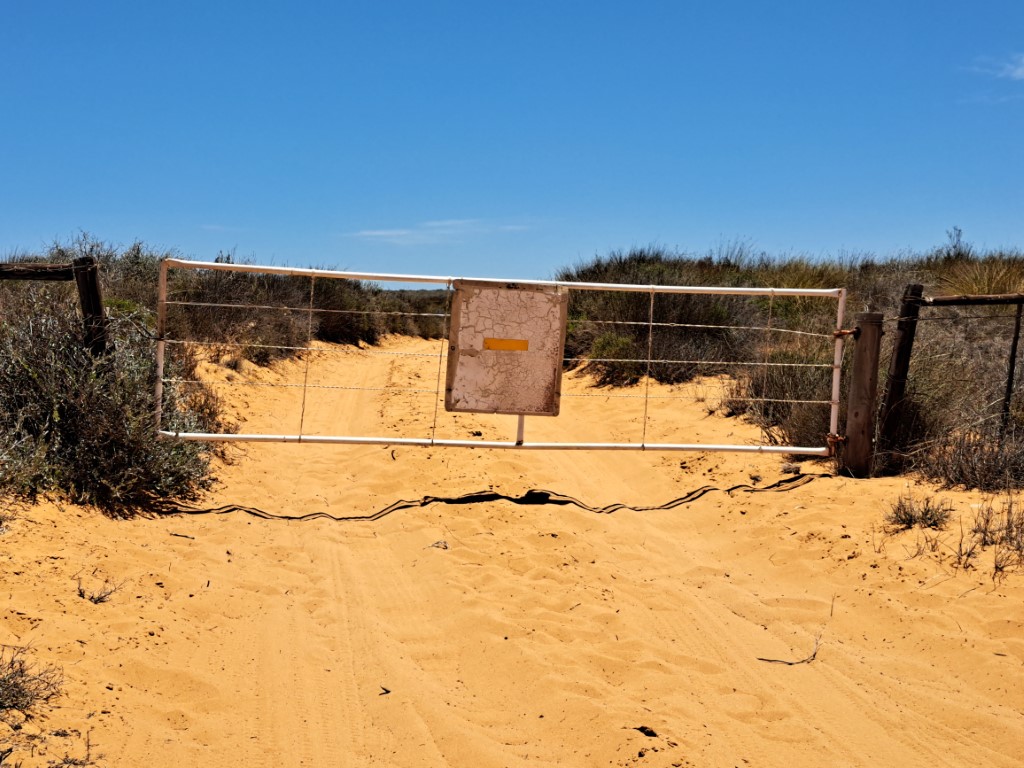
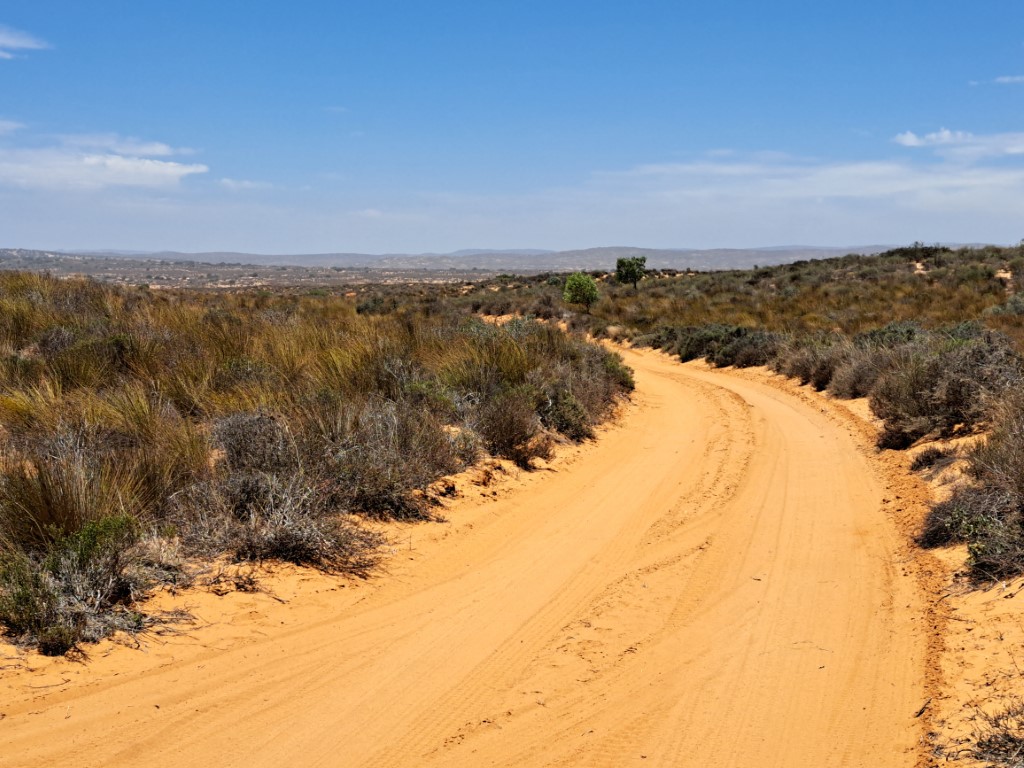
Thick sand and farm gates
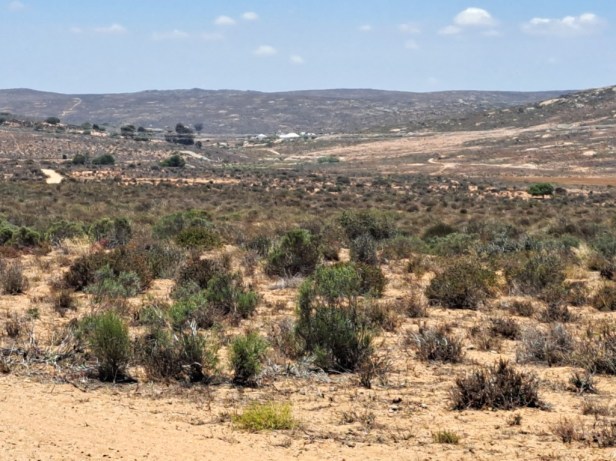
Kotzesrus in the distance
Free Water:
On the way to Kotzesrus, we drove past a gate of the farm Waterval with a sign indicating that campers could get free water. A few days before we packed up, we went there to fill up two empty water containers, which we used for shower and to do the dishes. The sign indicated that water is limited to 500 liters per family – I’m not sure how they control it, but I guess it’s based on an honesty system.
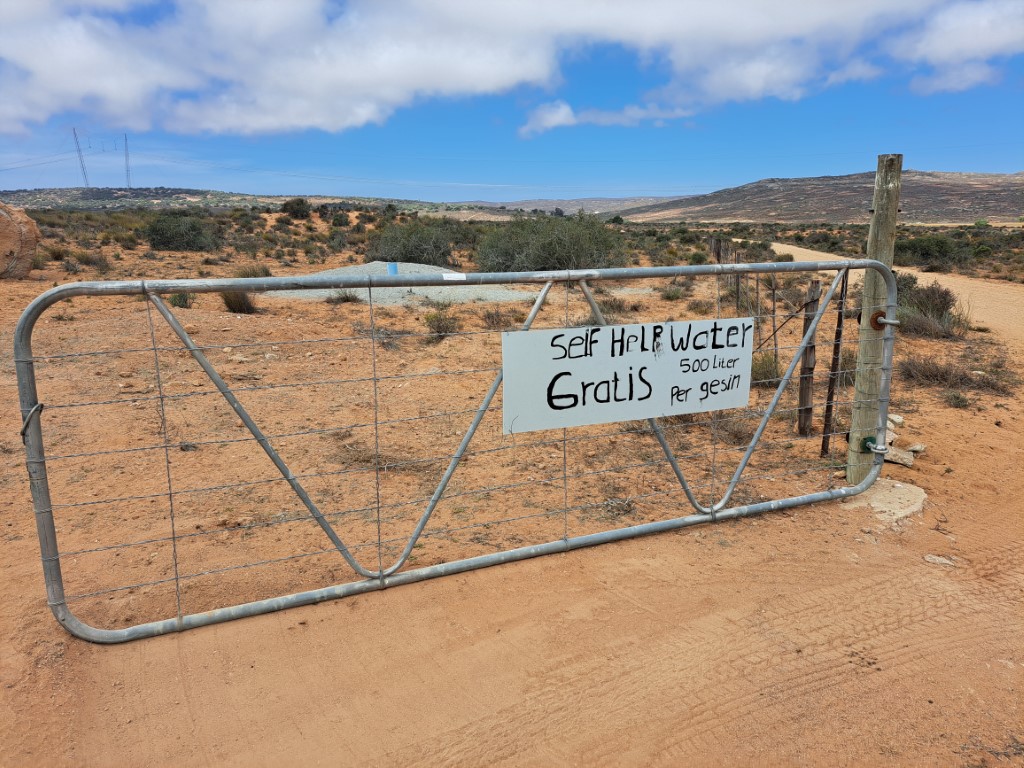
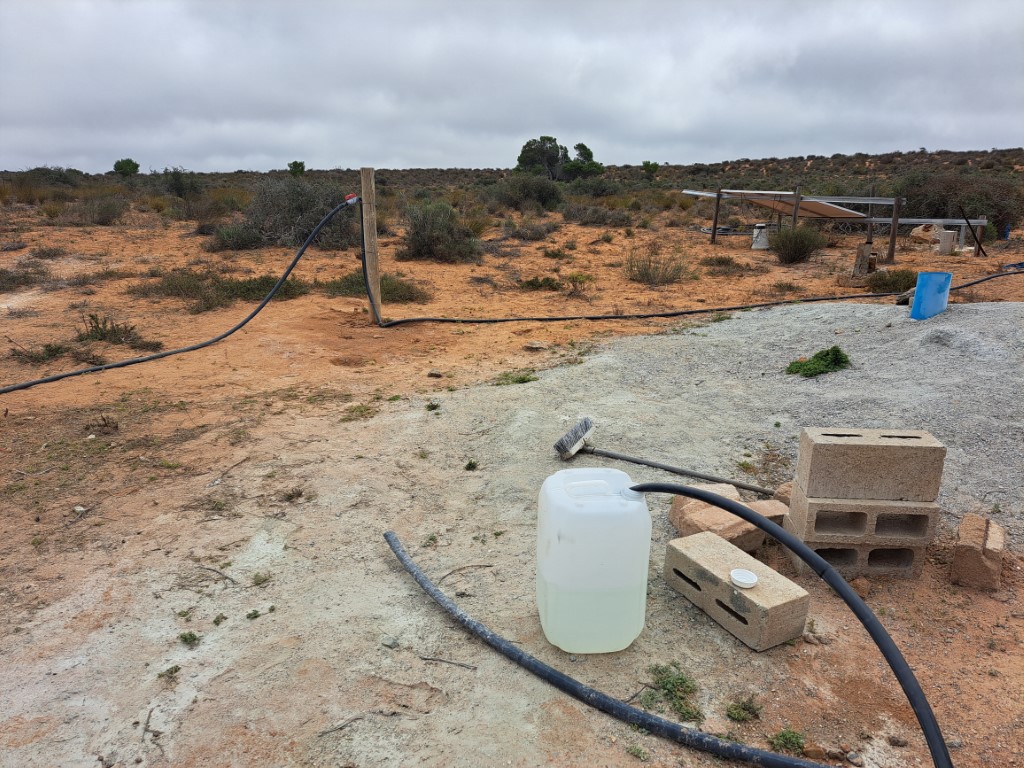
Free water for campers at the farm Waterval
Kotzesrus:
Kotzesrus is a very small place. There are only a few houses, a cash store, and the farm stall ‘Rissibiekie Padstal’. It is important for campers to know that no petrol/diesel is available here. I think this village is usually very quiet, but that it can get quite busy with visitors during Spring when the wildflowers of Namaqualand are in full bloom. As well as with visits from campers during December months (and probably also during Easter weekends).
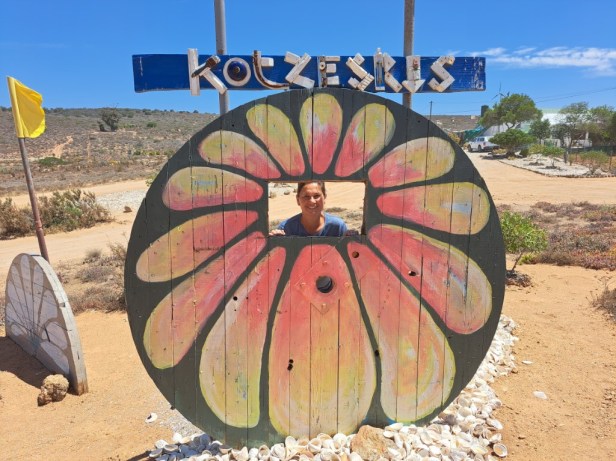
We are in Kotzesrus
Cash Store:
At the small cash store, there are a few necessities you can buy over the counter (such as canned food, cleaning products, soft drinks, snacks, etc.). It’s good to know that ice is also available here (that’s now in case you don’t have an ice machine at your campsite).
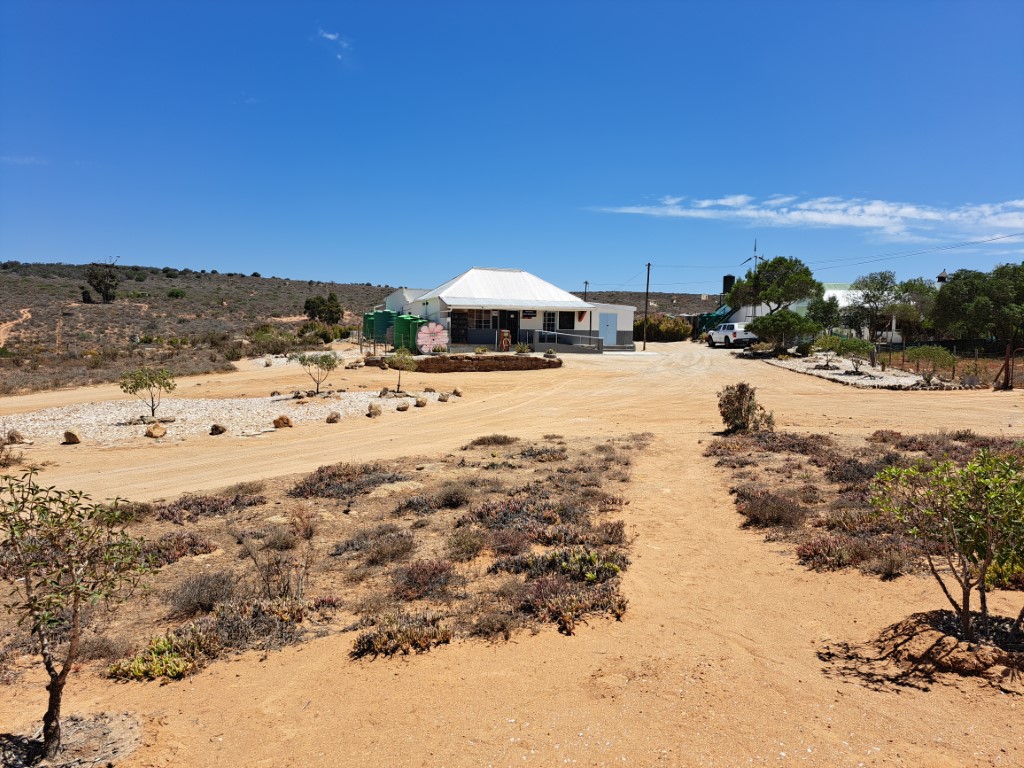
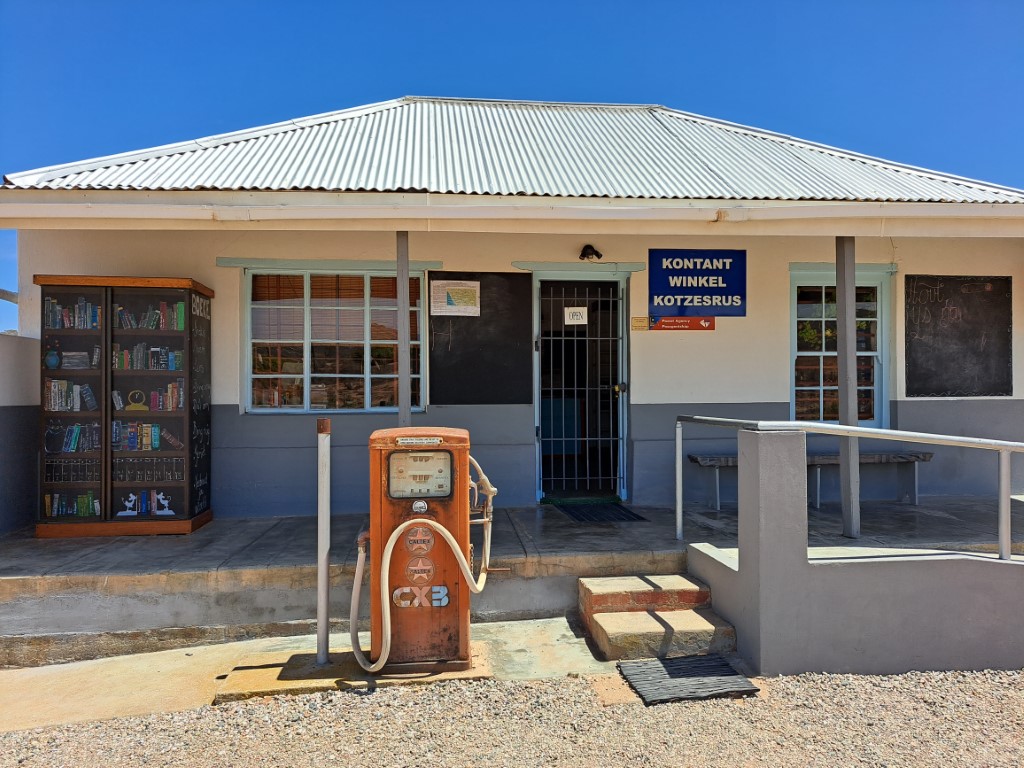
The cash store in Kotzesrus
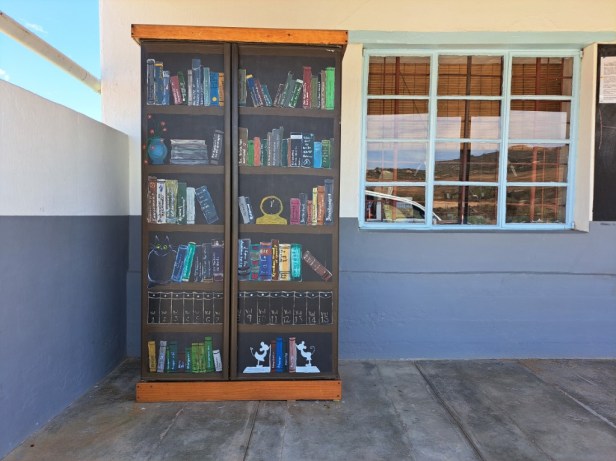
On the ‘stoep’ (veranda) of the shop is this cupboard – I’m not sure whether there are any books inside
‘Rissibiekie Padstal’:
We didn’t know about the existence of this farm stall until Therese from Waterval told us that we could buy wood from Patrick, the owner of ‘Rissibiekie Padstal’ – (the word ‘Rissibiekie’ translated to English would be ‘to rest a while’).
Rissibiekie Padstal is more than just a farm stall – it’s a restaurant with an art gallery and they also offer accommodation. There is even free Wi-Fi – can you believe it? But instead of jumping on the internet, it was much nicer to chat with Patrick and his wife Leana.
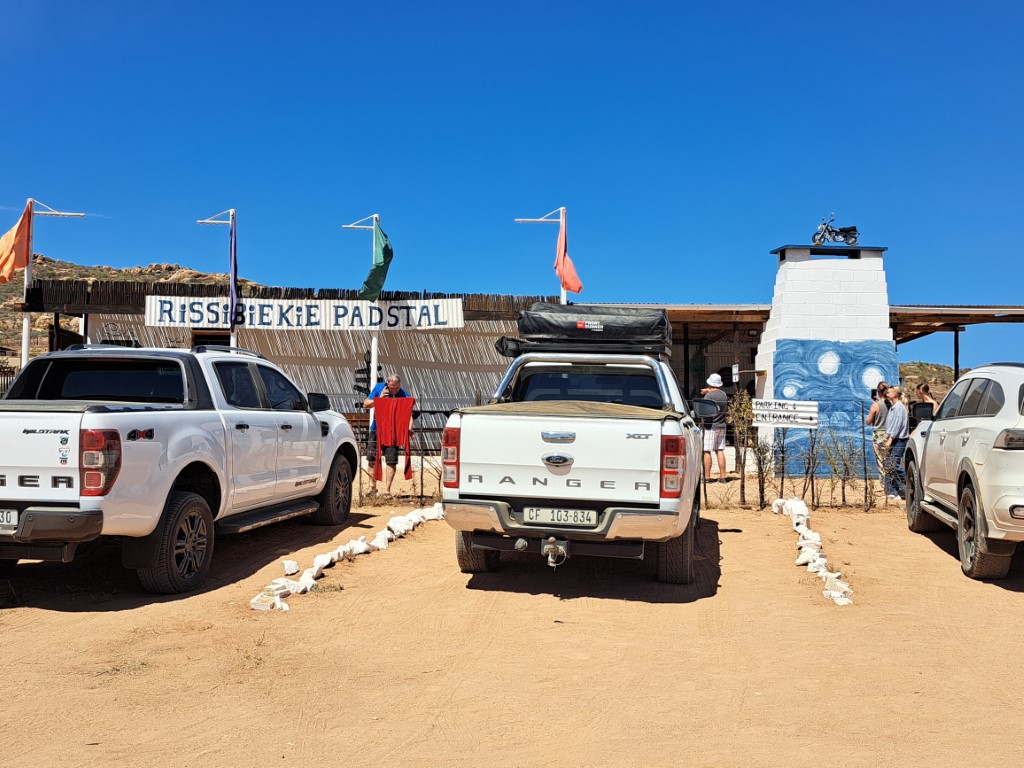
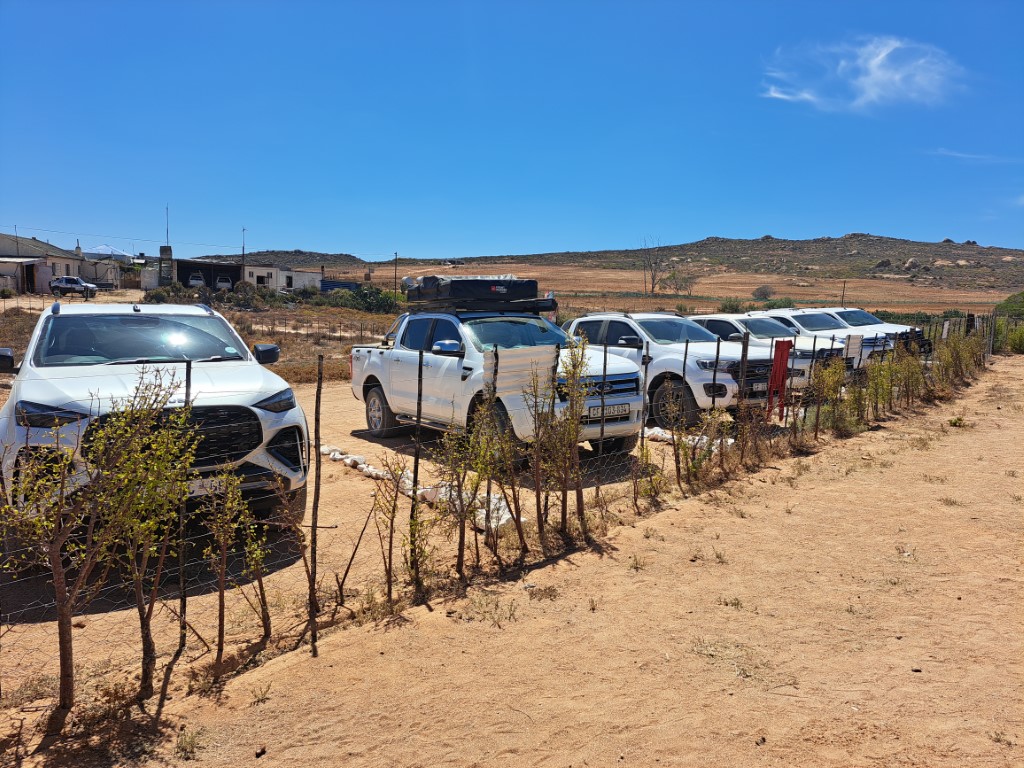
Looking at all the vehicles parked in front of the farm stall, ‘Rissibiekie Padstal’ is a very popular place
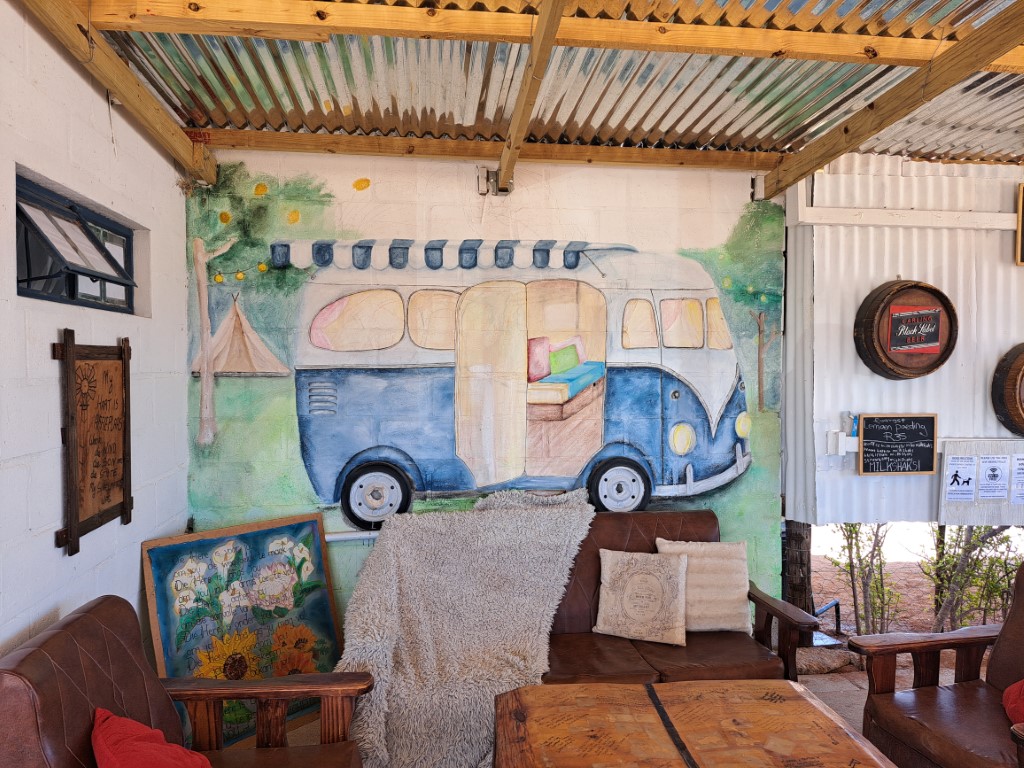
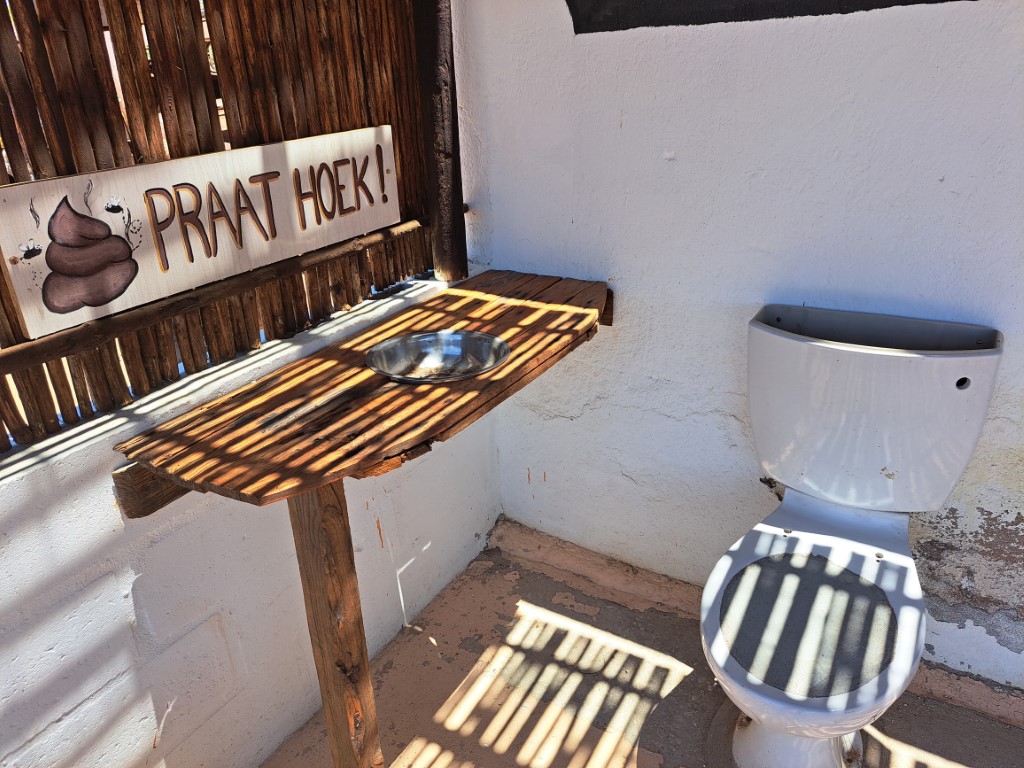
Interesting décor
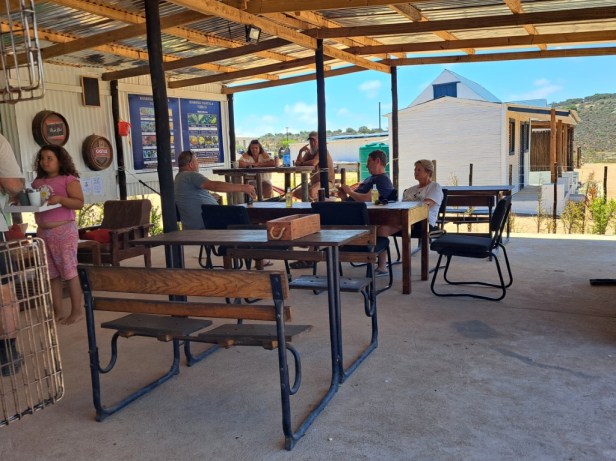
Outside seating area
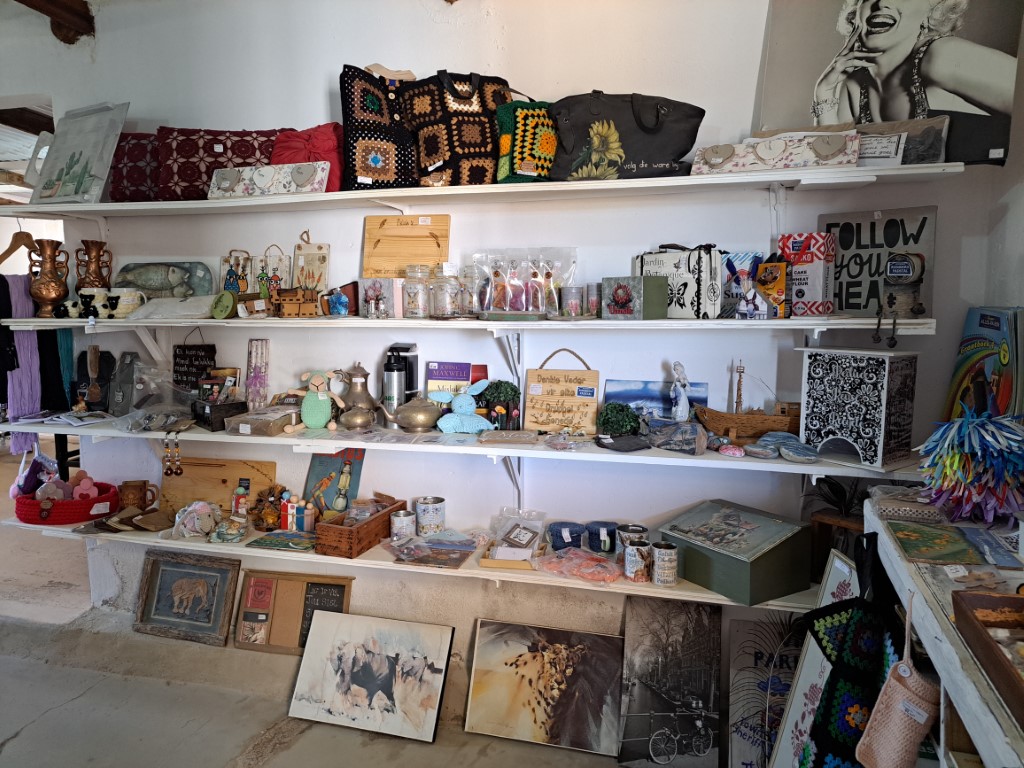
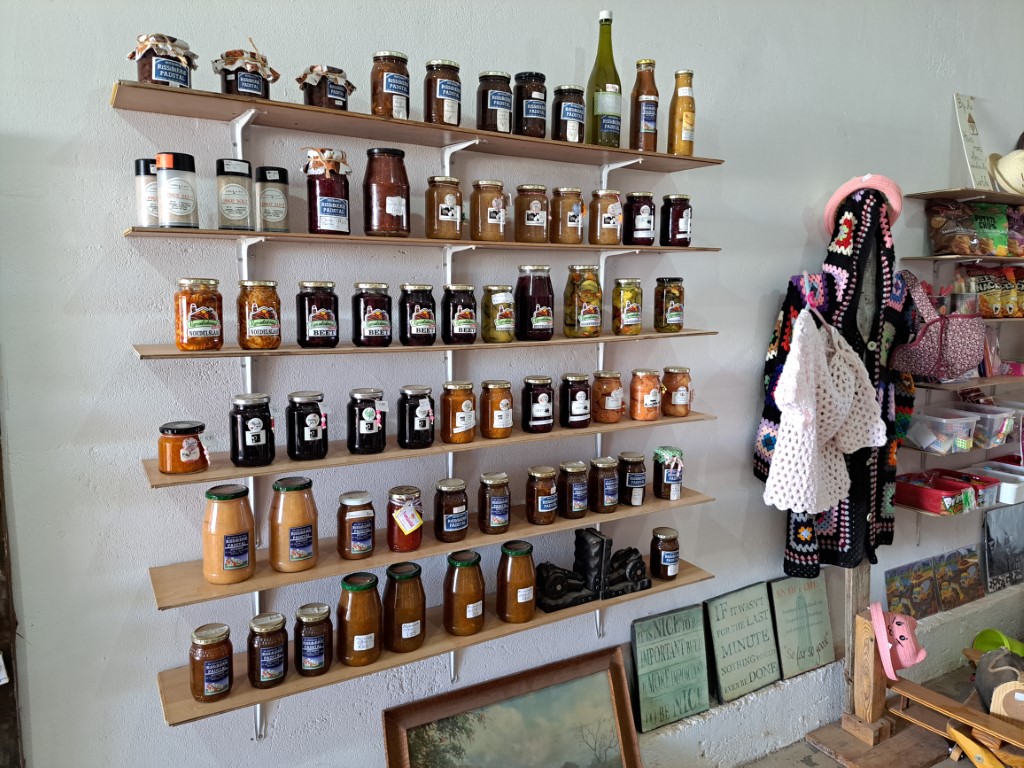
There are a variety of items on sale
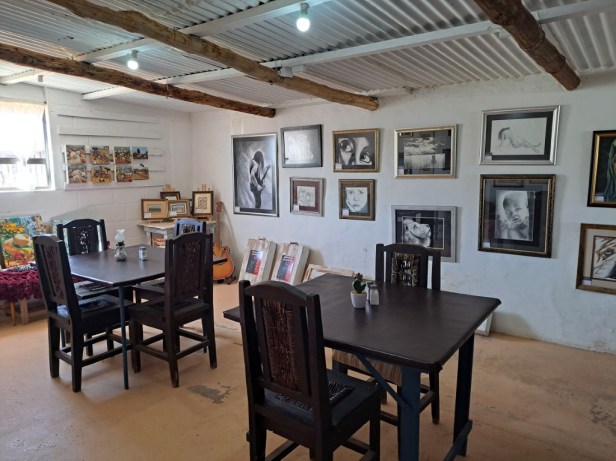
Artwork – mostly done by Leana and her mother
There is a big variety of food on the menu at Rissibiekie (pizzas, burgers, chips, toasties, as well as ‘meal of the day’ options). However, we had more than enough food at our campsite and only shared a few snacks between us and our friends at Rissibiekie. These were all really delicious.
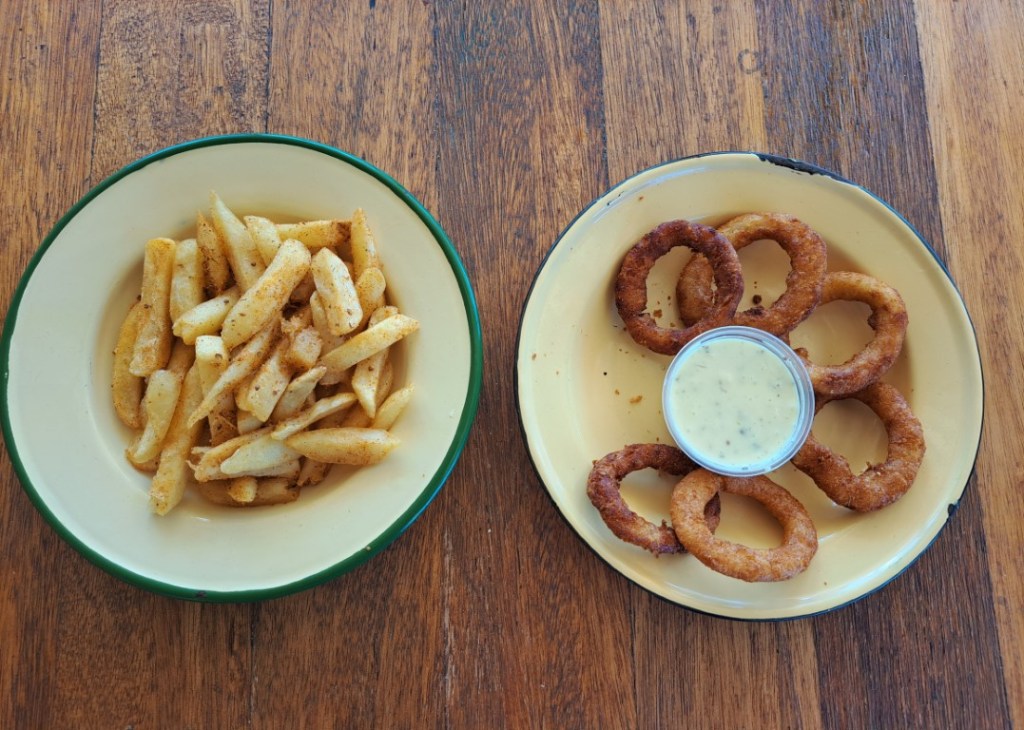
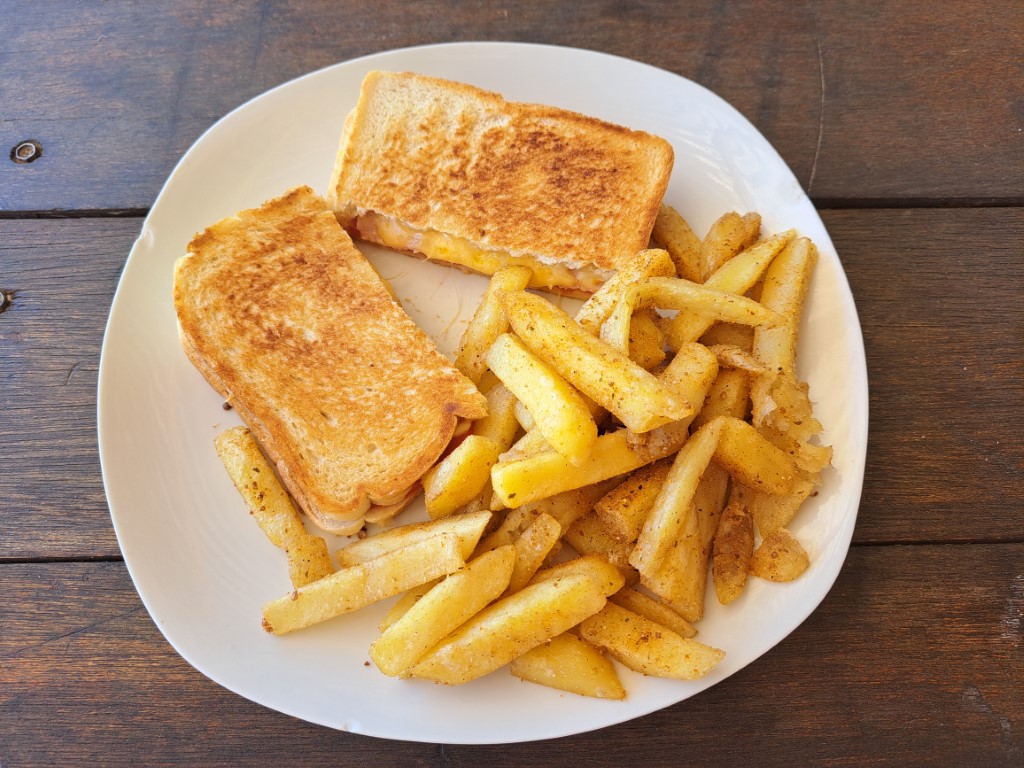
Chips, onion rings and toastie
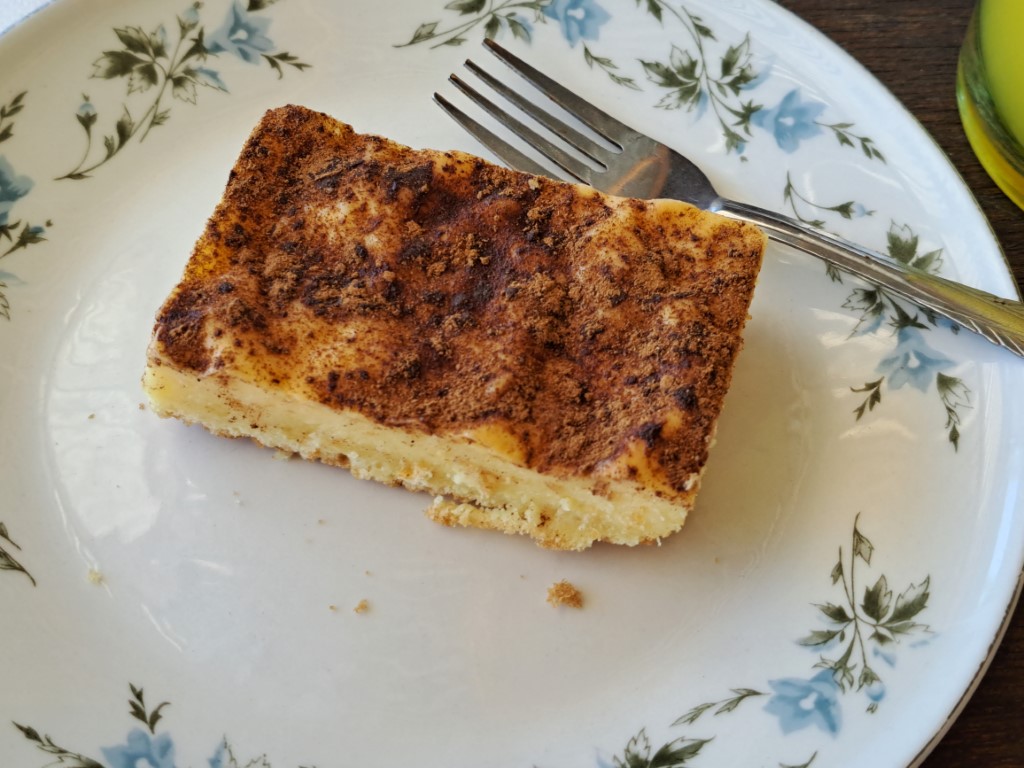
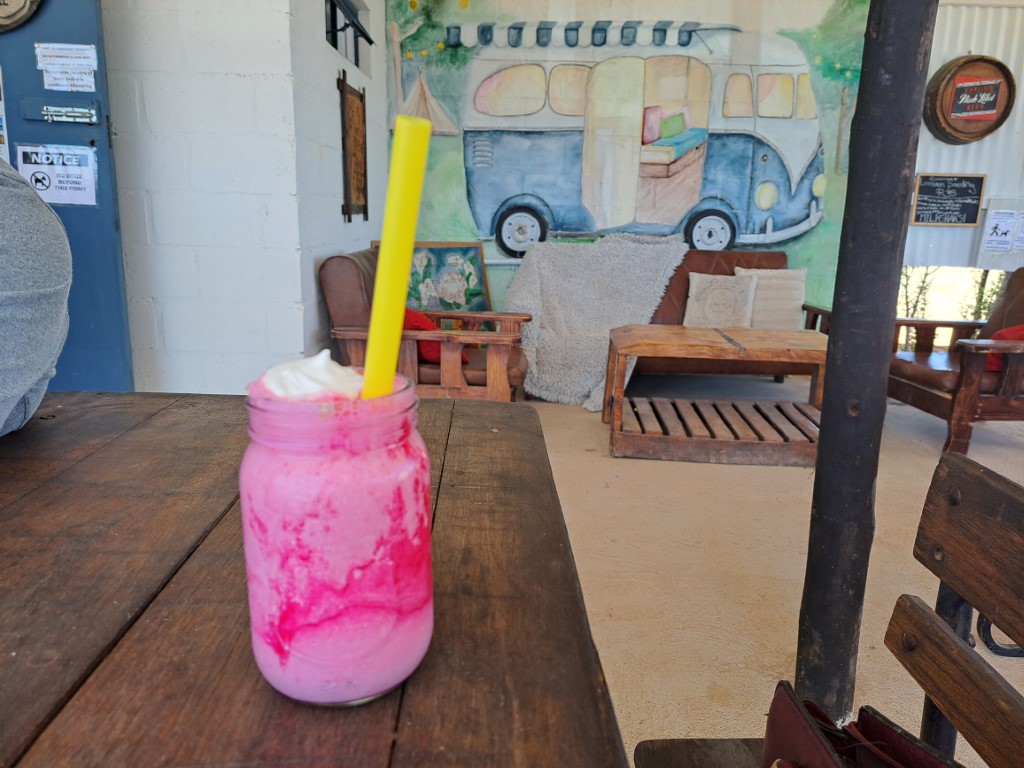
Milk tart and strawberry milkshake (childhood favourites)
The main attraction at Rissibiekie, however, was the 8-week-old meerkat named ‘Dingetjie’ (translated to English it would be ‘tiny thing’ – trust me, it sounds better in Afrikaans).
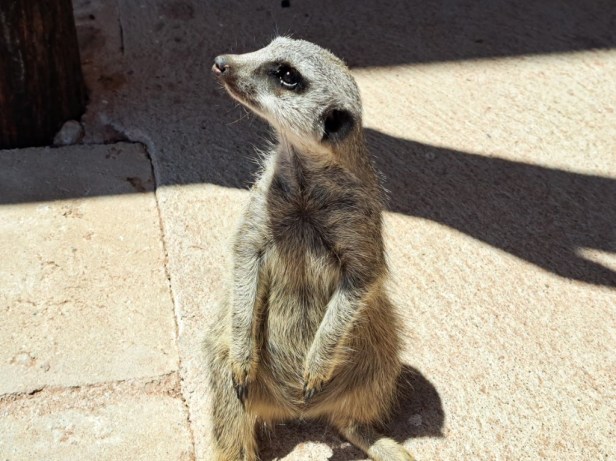
Dingetjie, the meerkat
Dingetjie had wandered away from his meerkat family in the field and would probably have died being on his own if it weren’t for Patrick coming to his rescue. When we were at Rissibiekie, one of the visitors flew a drone, and Dingetjie was very scared of this thing that made such a strange noise in the sky. He watched the drone with wide eyes until it landed on the ground. Once he realised that the ‘danger’ was over, Dingetjie tiredly just flopped down on the ‘stoep’ (veranda) and slept. He’s such an entertainer and is one of the cutest little animals I have ever seen.
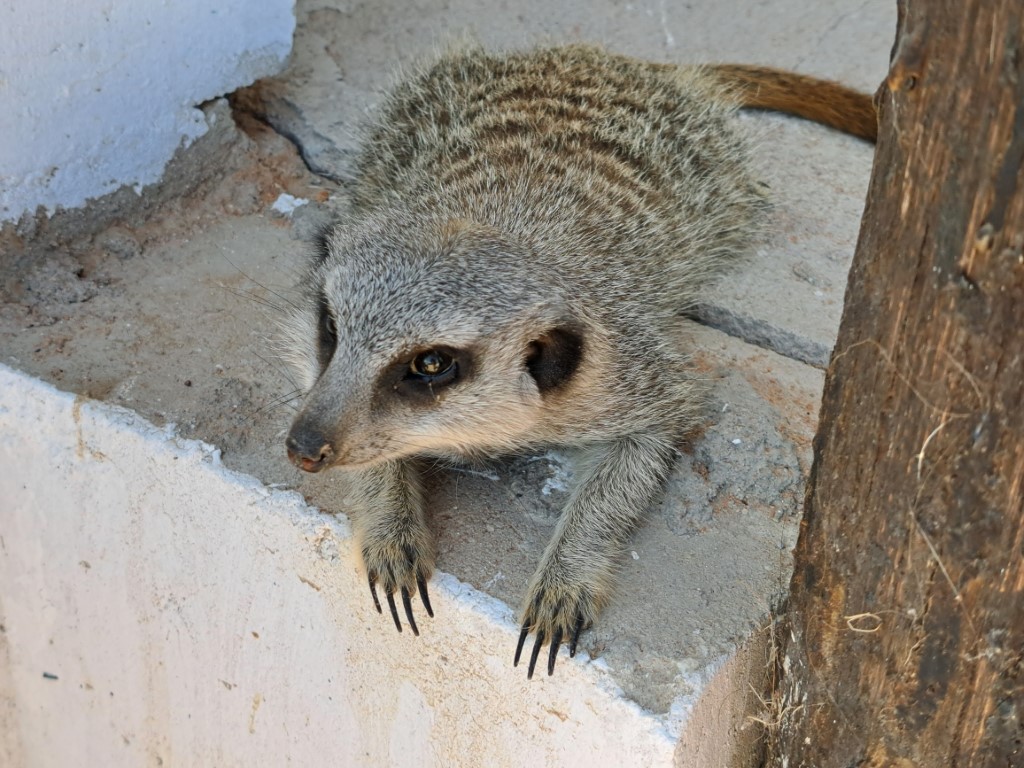
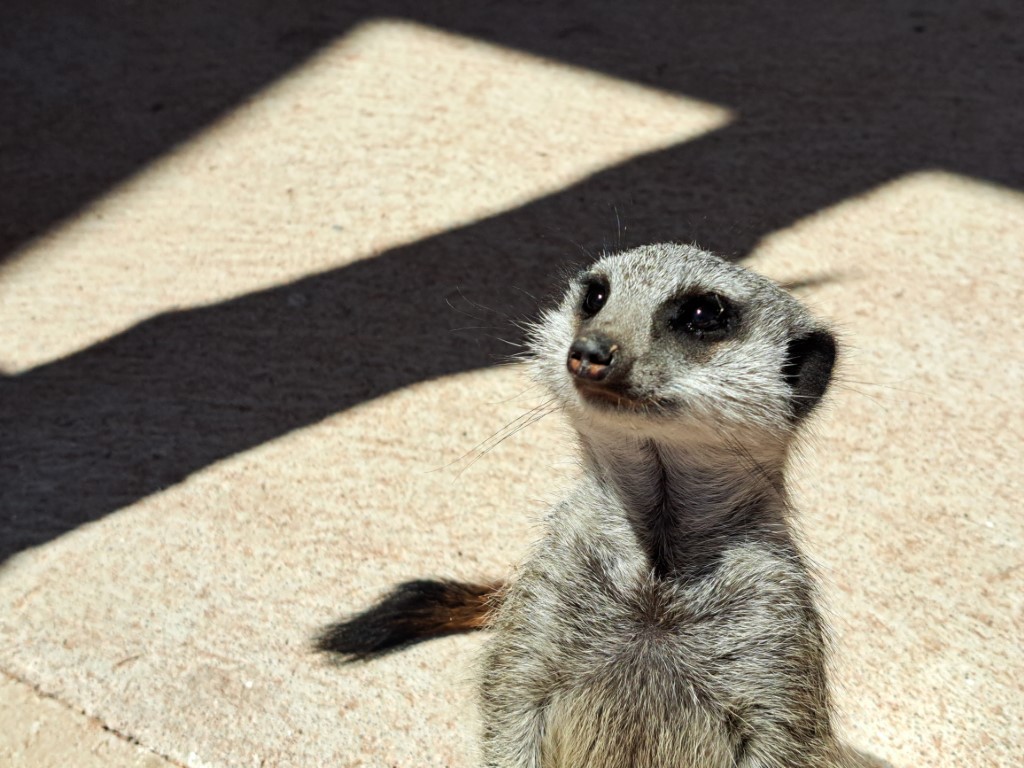
Dingetjie keeping an eye on a drone in the sky
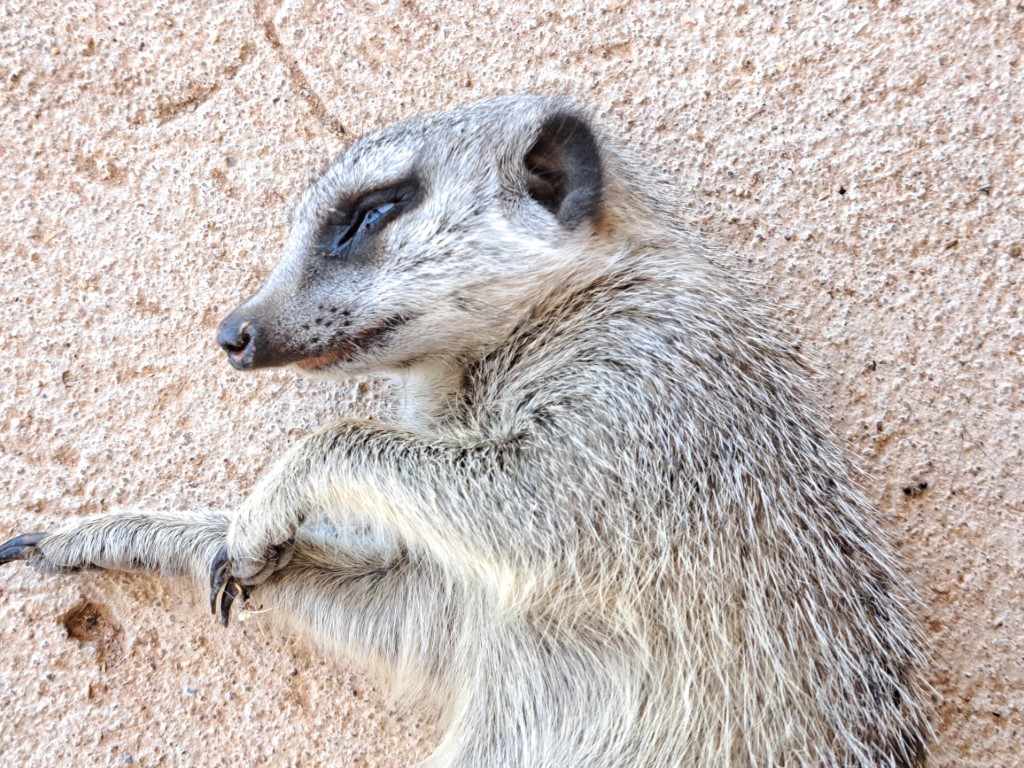
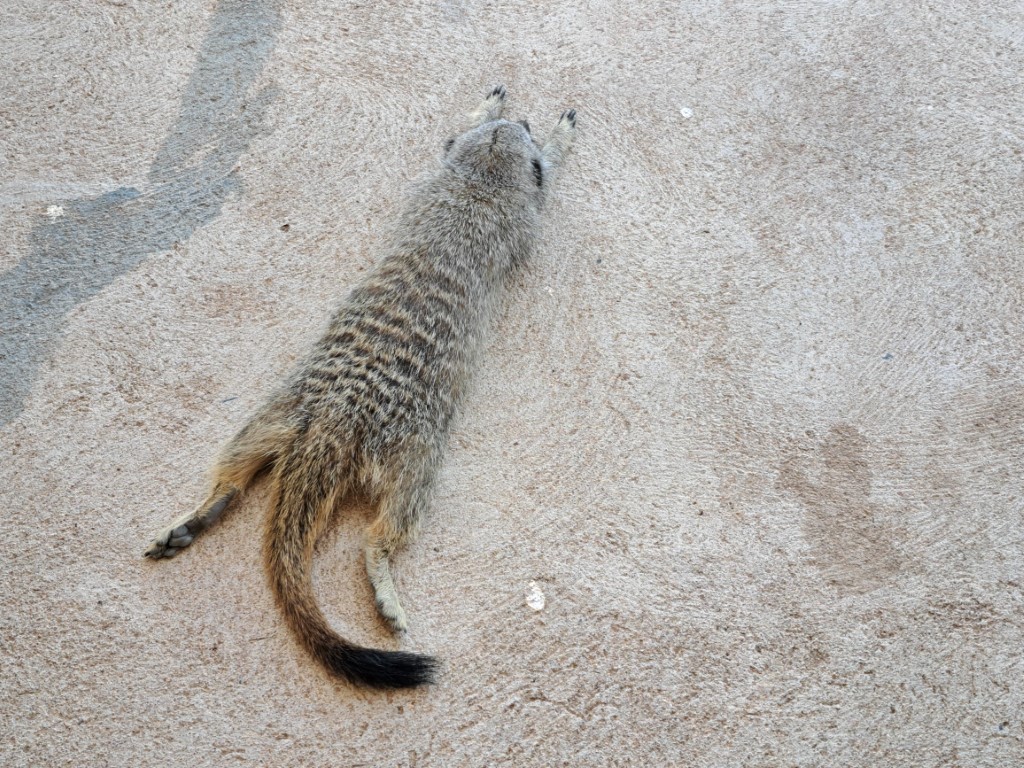
Time for a nap
If you ever go wild camping or want to see the floral splendour in Namaqualand during Spring, make a detour to Rissibiekie Padstal – you won’t regret it.
Old friend:
What made our visit to Kotzesrus even more special was that we ran into a fellow Alexander Bay resident. Casper Huysamen is a policeman in Garies and was out on patrol. He was driving past Rissibiekie Padstal at the same time we were leaving (what are the odds). We last saw him about 30 years ago in Alexander Bay, and it was nice to chat briefly and hear that he is doing well (it’s just a pity we forgot to take a photo).
Our moment to pass kindness forward:
Short story. When we drove to Kotzesrus for the first time, we saw a man standing at the first gate. A little further on, his vehicle was parked. He had a flat tire and couldn’t drive any further. He asked Berto if he had a compressor and was very happy when Berto said yes. We drove to his vehicle and inflated the tire in order for them to continue their ride. Pieter Kotze and his wife showed up at our campsite the next day and brought the delicacy ‘skuinskoek’ to thank us. (Pieter’s wife baked this at their campsite – it’s not an easy task and more reason for us to appreciate this).
(We haven’t seen them again, but if anyone reading here knows Pieter Kotze and his wife who live on a farm near Bitterfontein, please tell them it was yummy!)
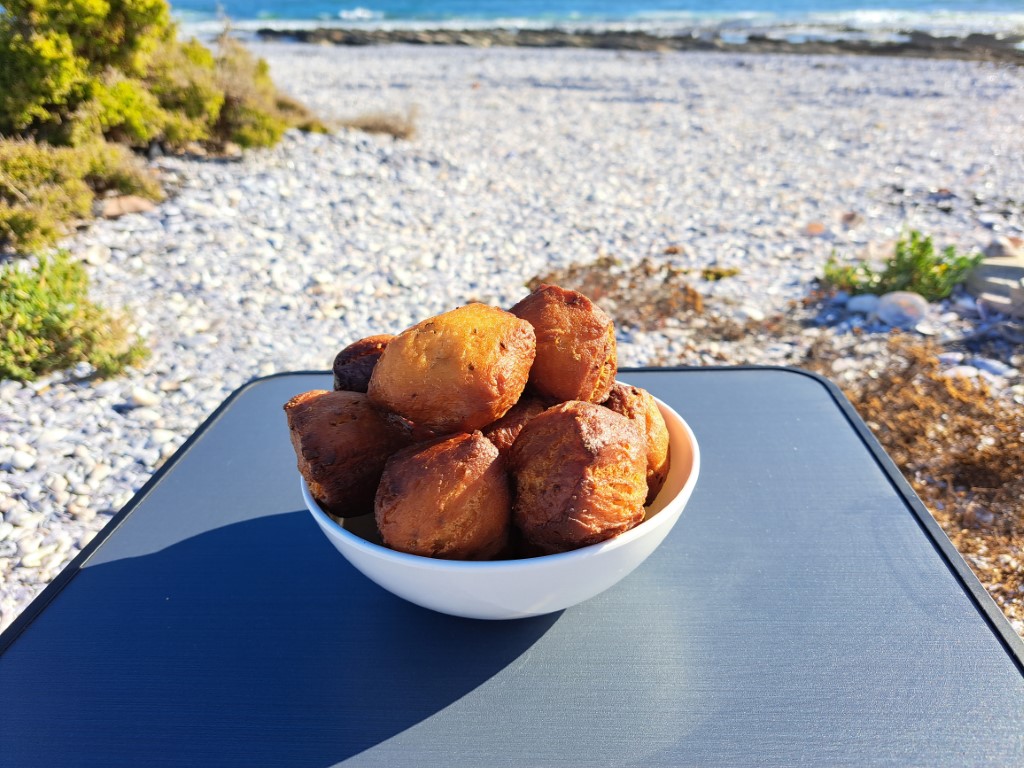
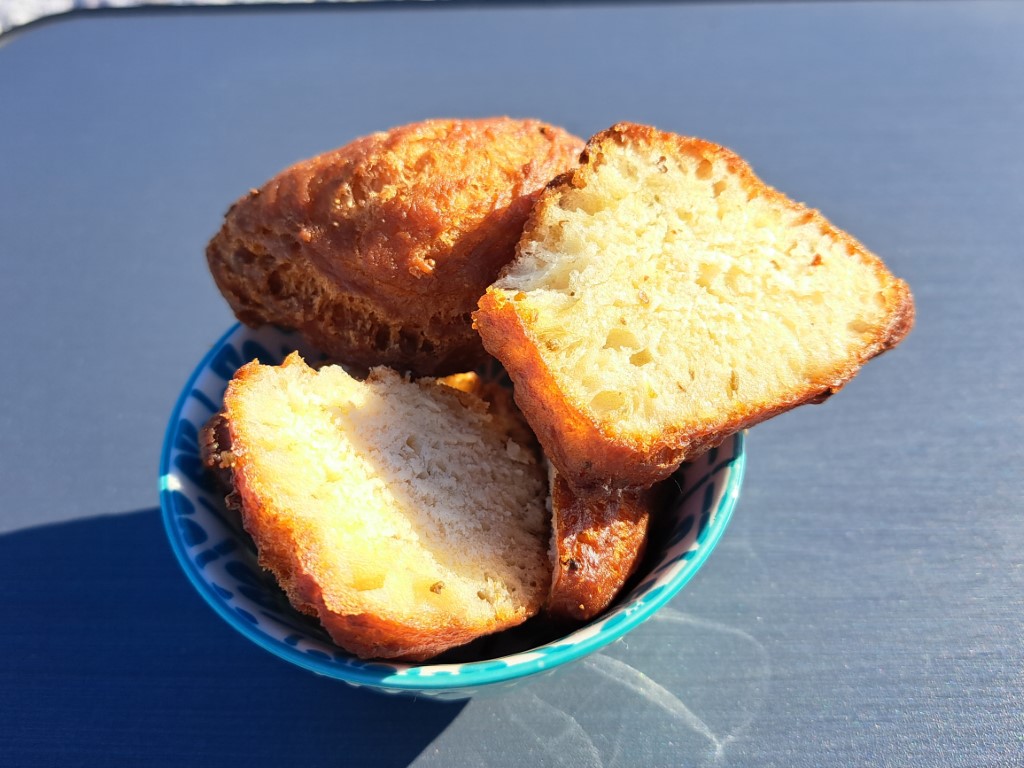
‘Skuinskoek’
Camping food:
While we are on the subject of food, let’s quickly show you a few of the meals we made while camping.
Breakfast:
Some mornings yoghurt and fruit were enough or rusks and coffee/tea, while other times we made a bit of an effort making porridge, omelette or something more filling. What is a camping holiday without our favourite ‘Yellow Sands River Brunch’?
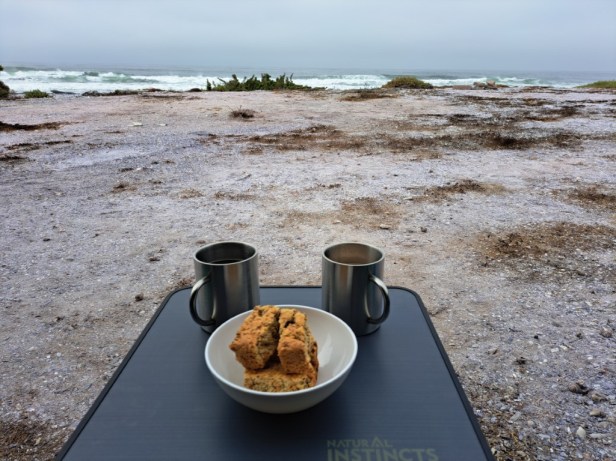
On those lazy mornings, rusks were the best breakfast
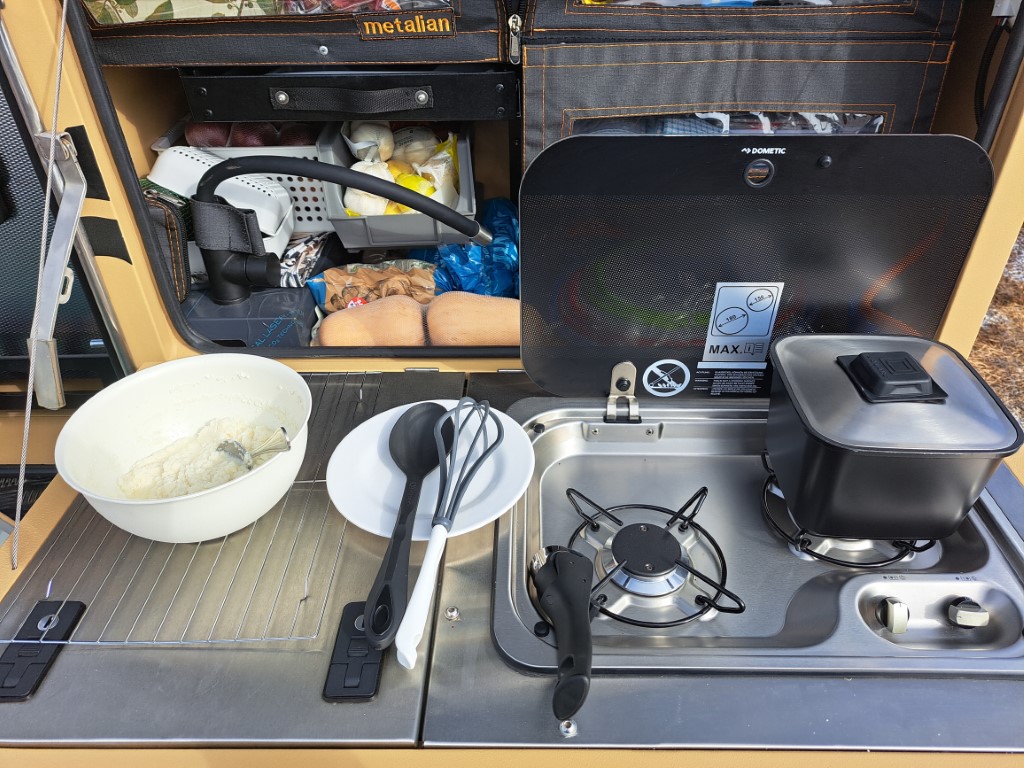
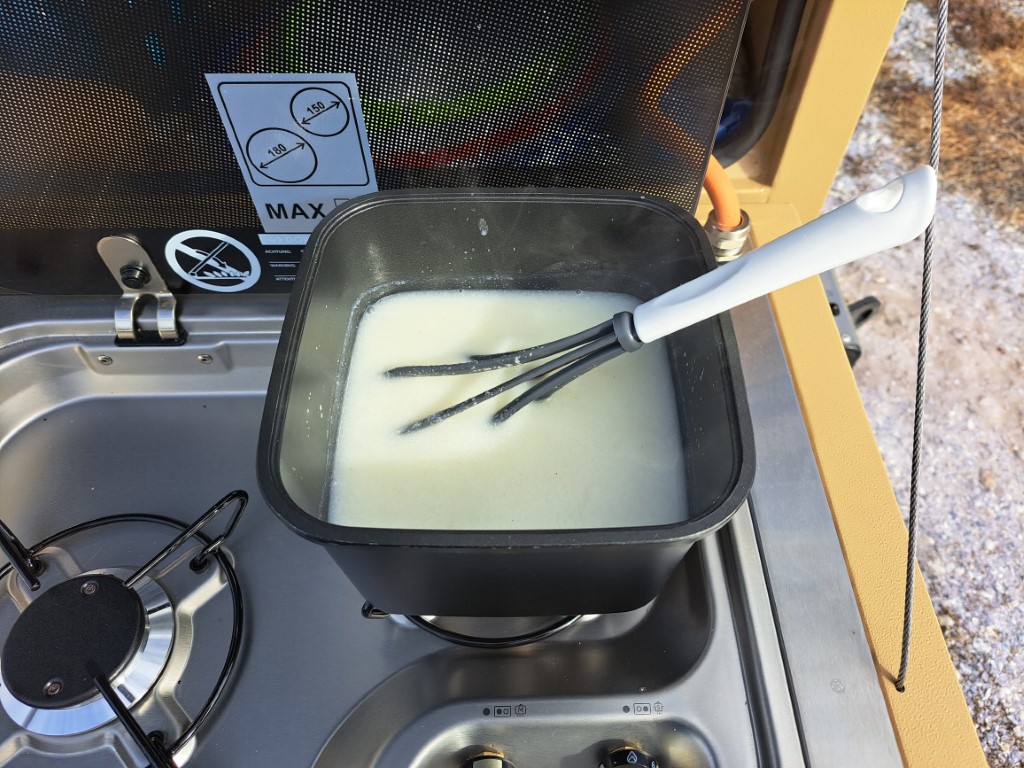
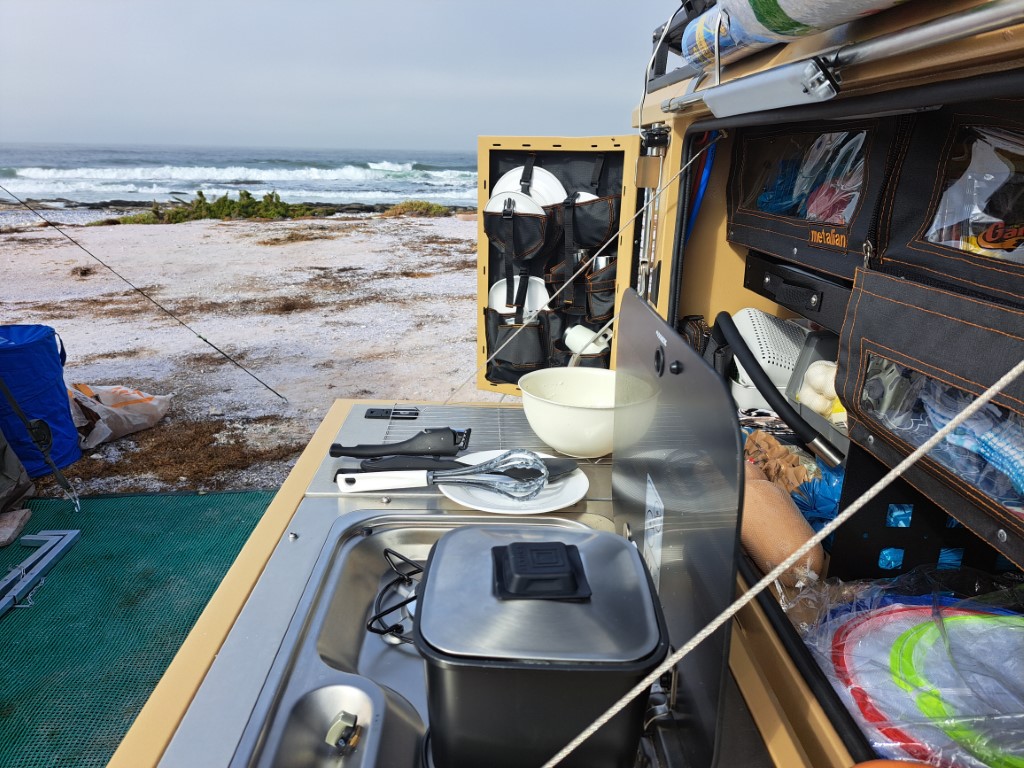
Making breakfast with an ocean view
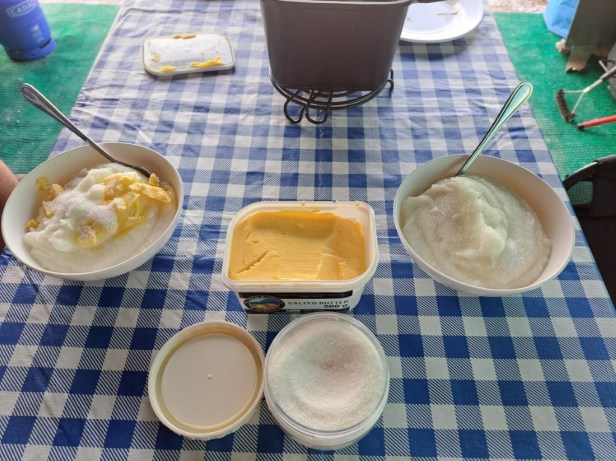
‘Mieliepap’ (porridge made from maize meal)
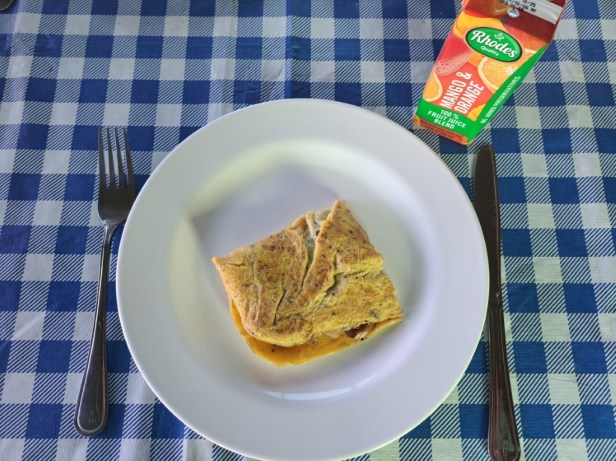
Mushroom and cheese omelette with juice
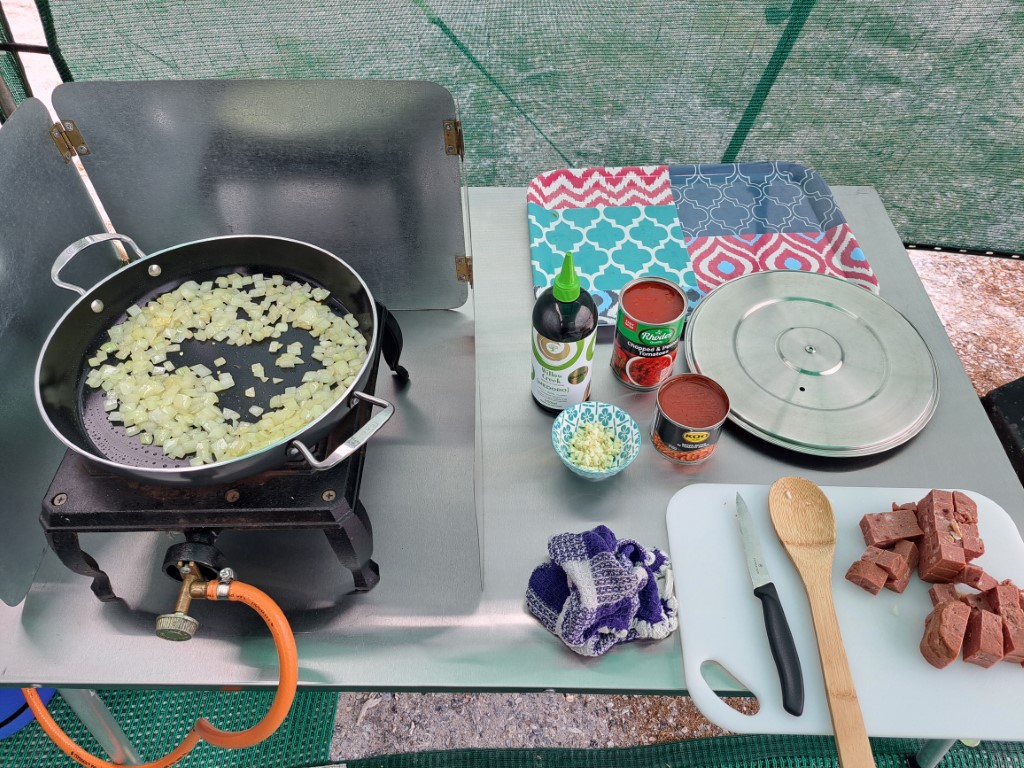
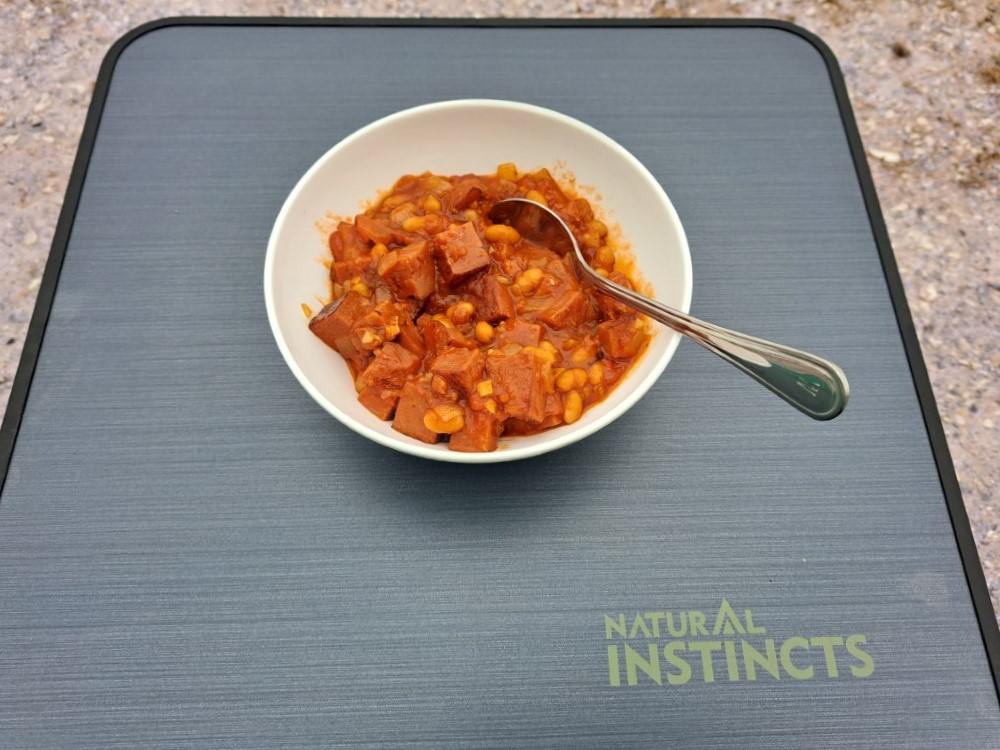
One of our favourite breakfasts – ‘Yellow Sands River Brunch’
Lunch and Dinner:
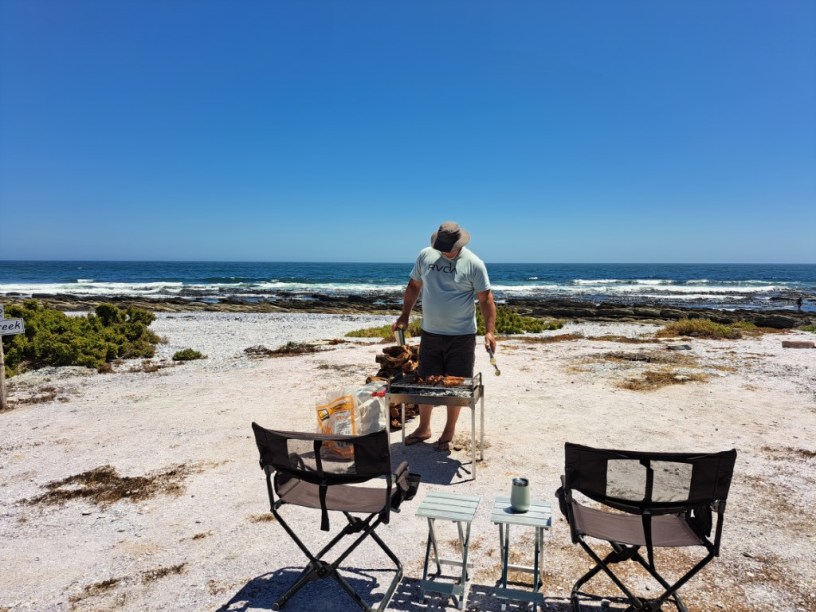
When we camp, it’s always great to prepare meals over the campfire – whether it’s with wood or charcoal. It wasn’t much different here at Skulpbank. But sometimes we took out our reliable camping stove to cook pasta or prepare a side dish. There are so many different camping meal options and you don’t always have to ‘braai’ (although it’s probably the most popular way of preparing food). Here are photos of just a few dishes we made.
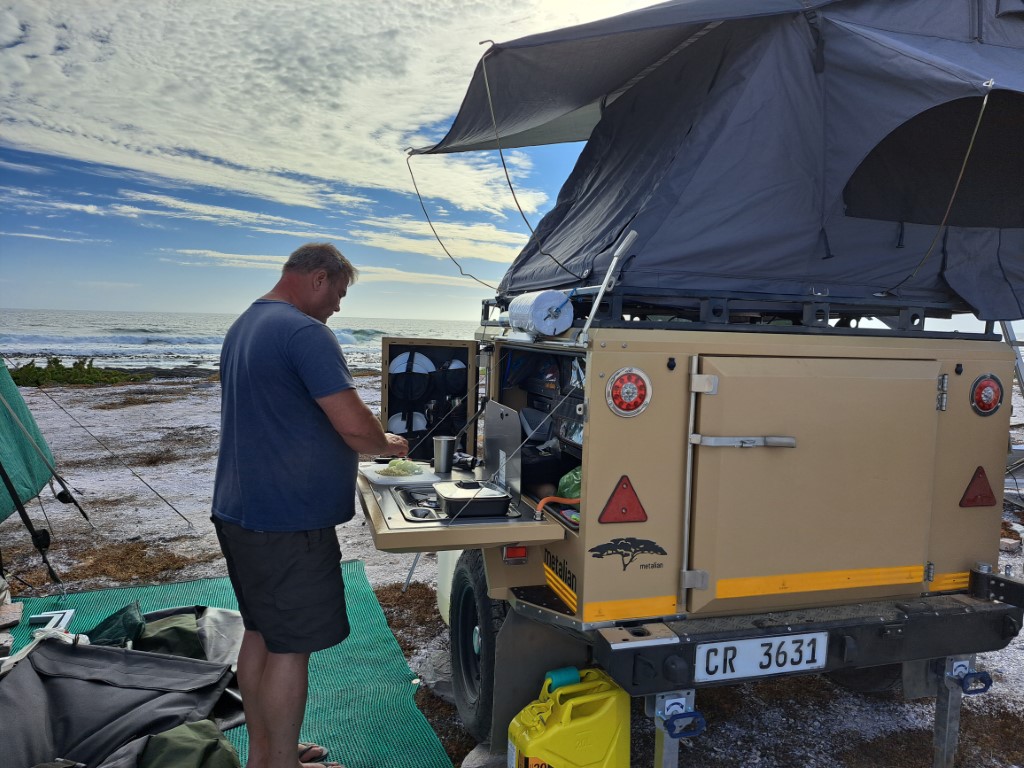
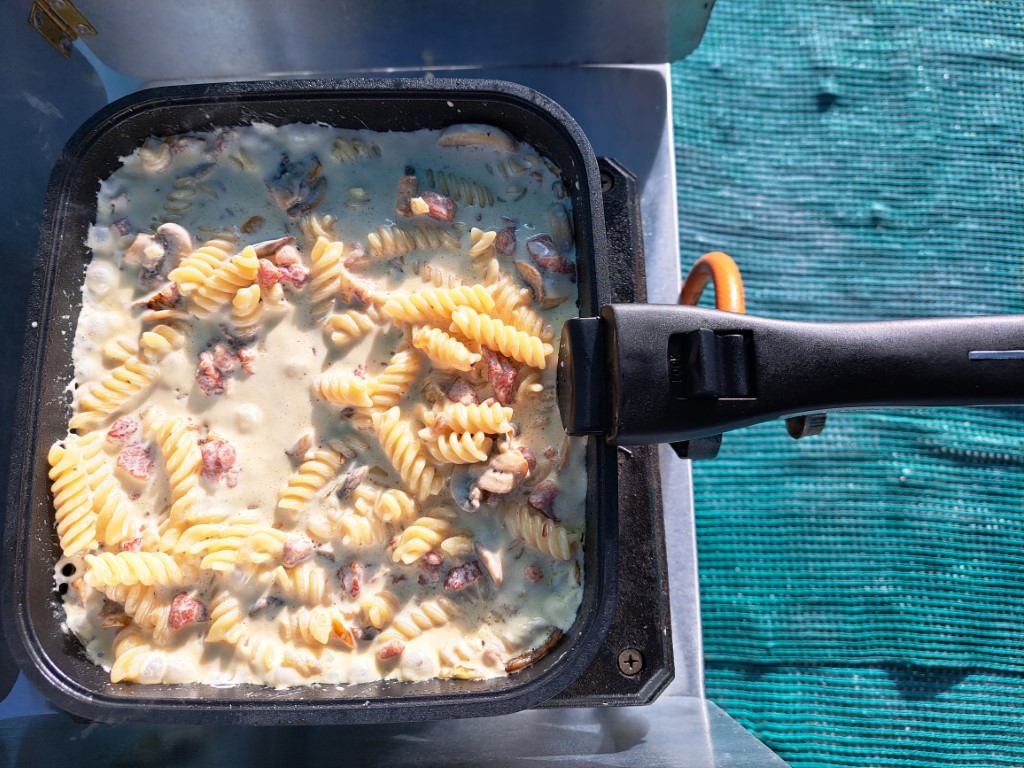
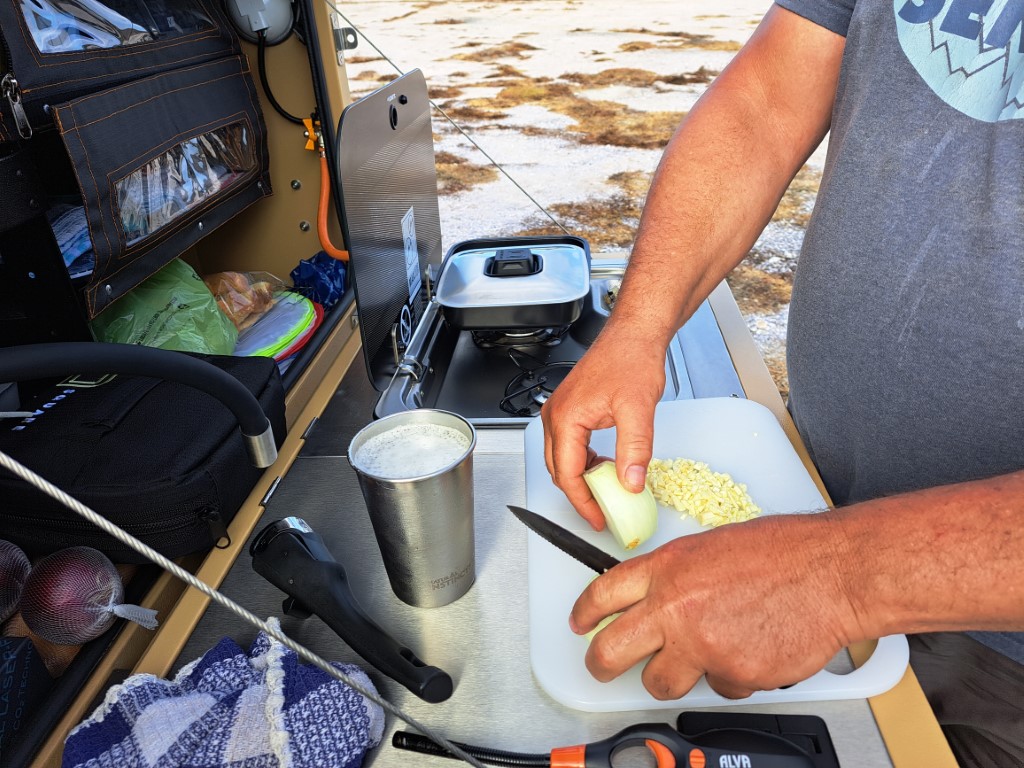
Berto making pasta on our camping stove
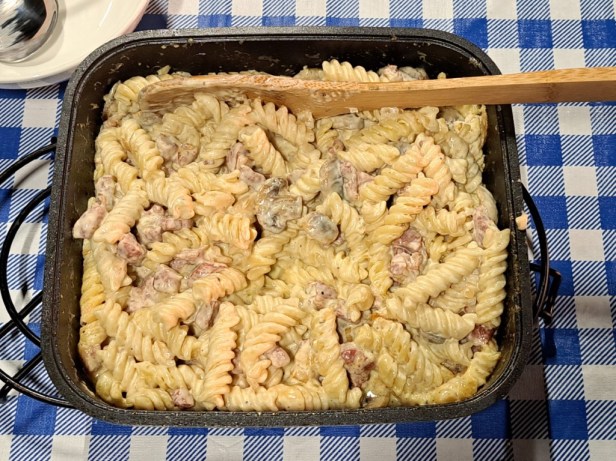
Yummy creamy pasta
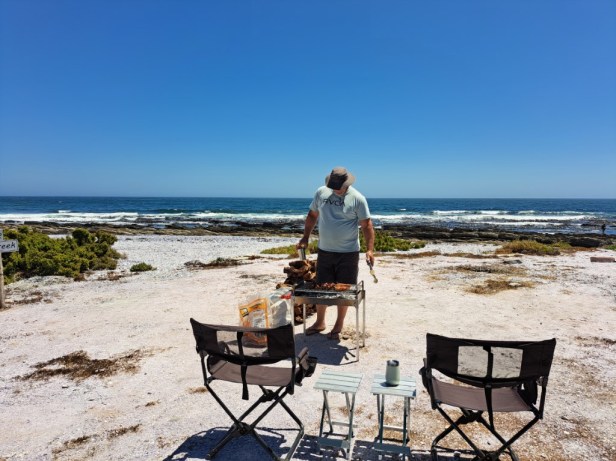
The ever popular ‘braai’
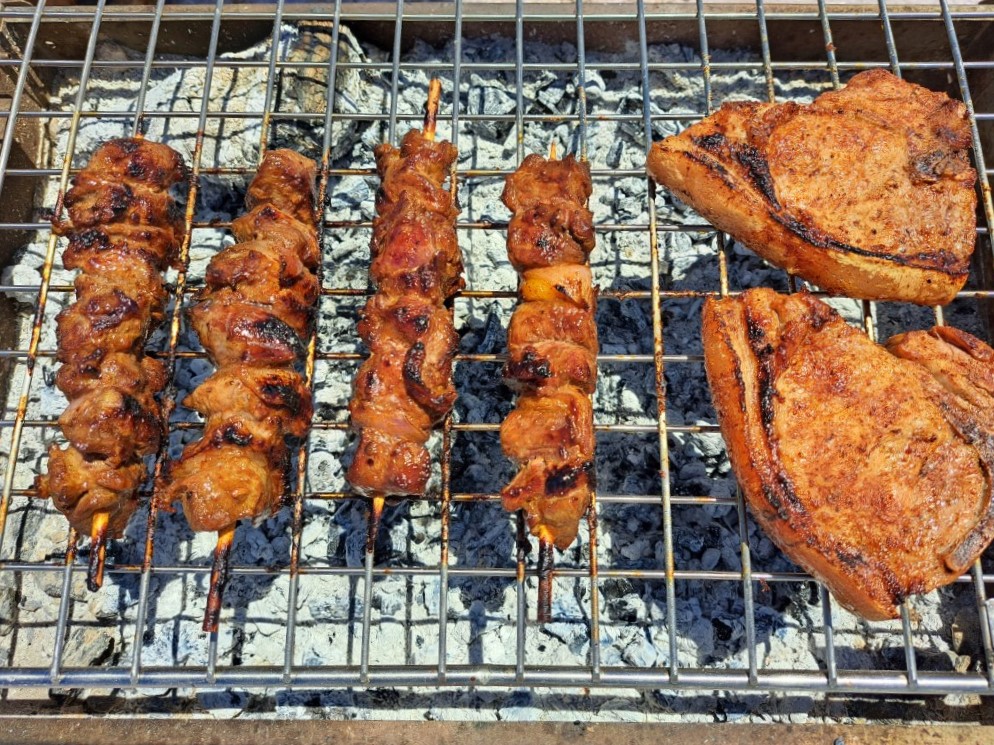
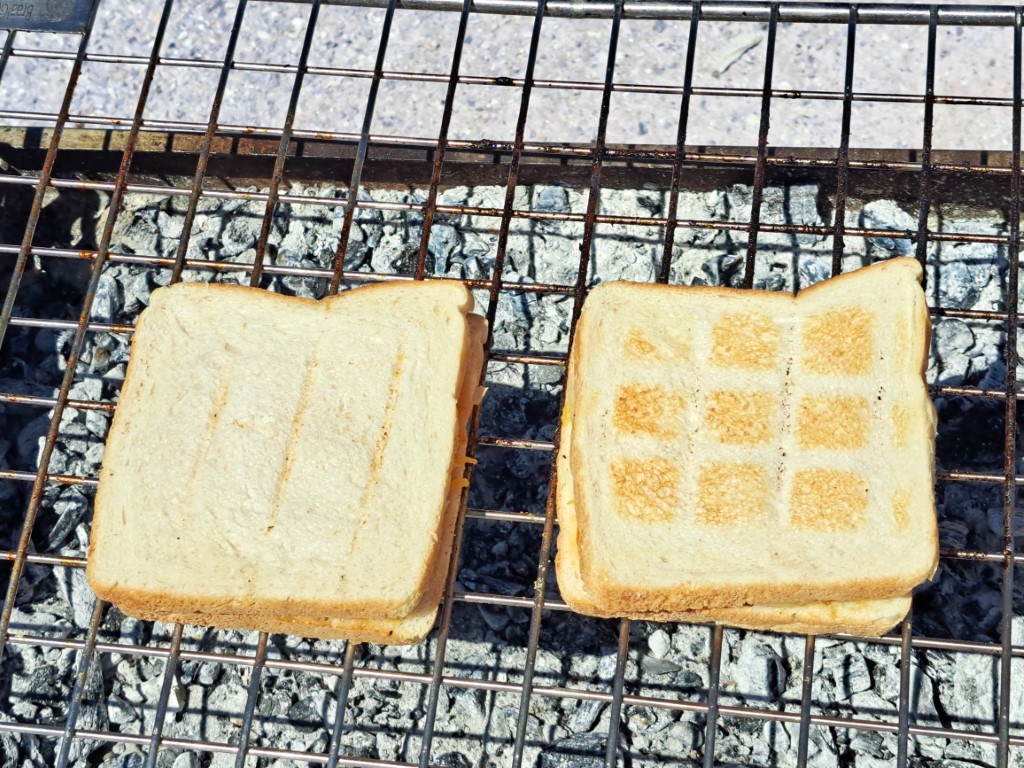
‘Sosaties’, pork chops and ‘braaibroodjies’ (grilled sandwiches)
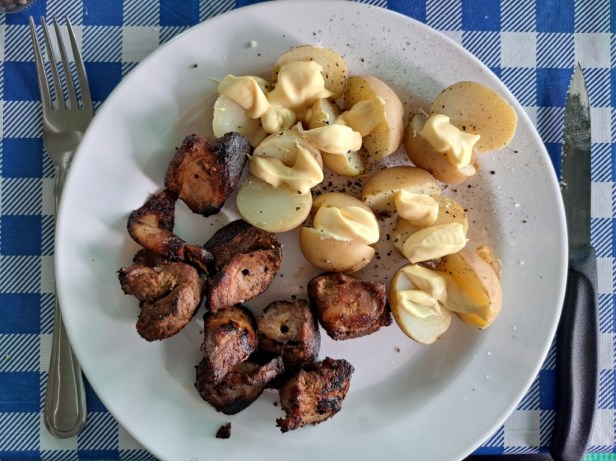
Left over ‘sosaties’ and boiled baby potatoes
There is a place in Cape Town called ‘Deeghuys’ (Dough House) where frozen bread is sold. We bought a few bags to bake in our ‘vuurvarkie’ (fire piggy). This way we made sure that we always had fresh bread while we were camping.
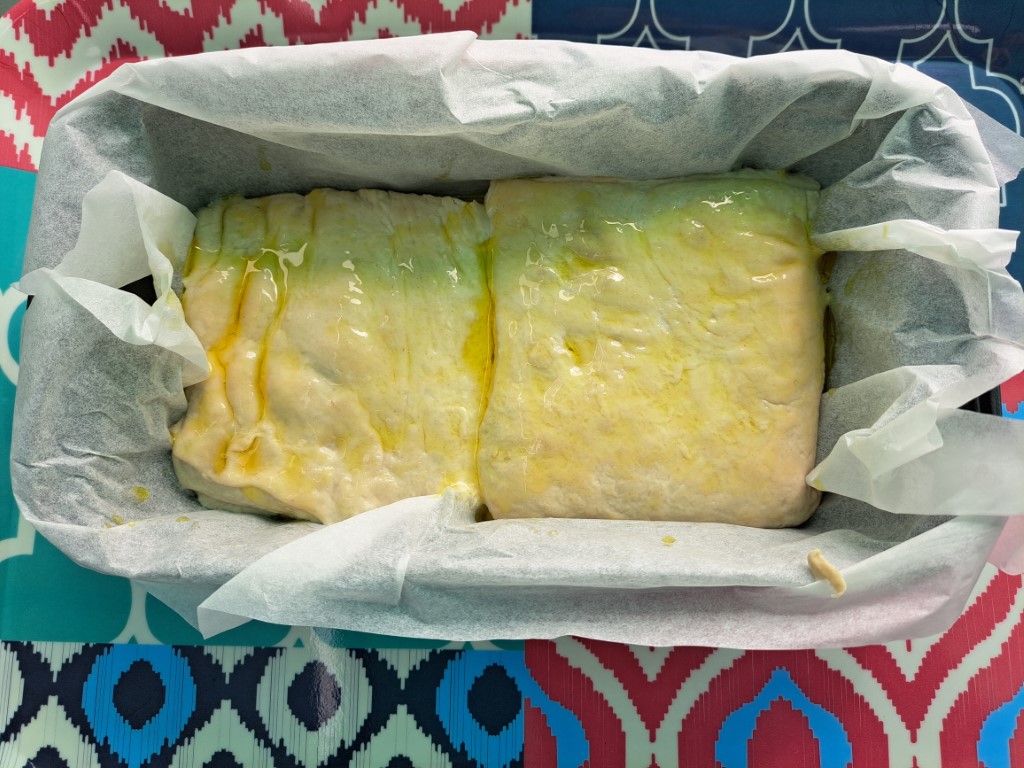
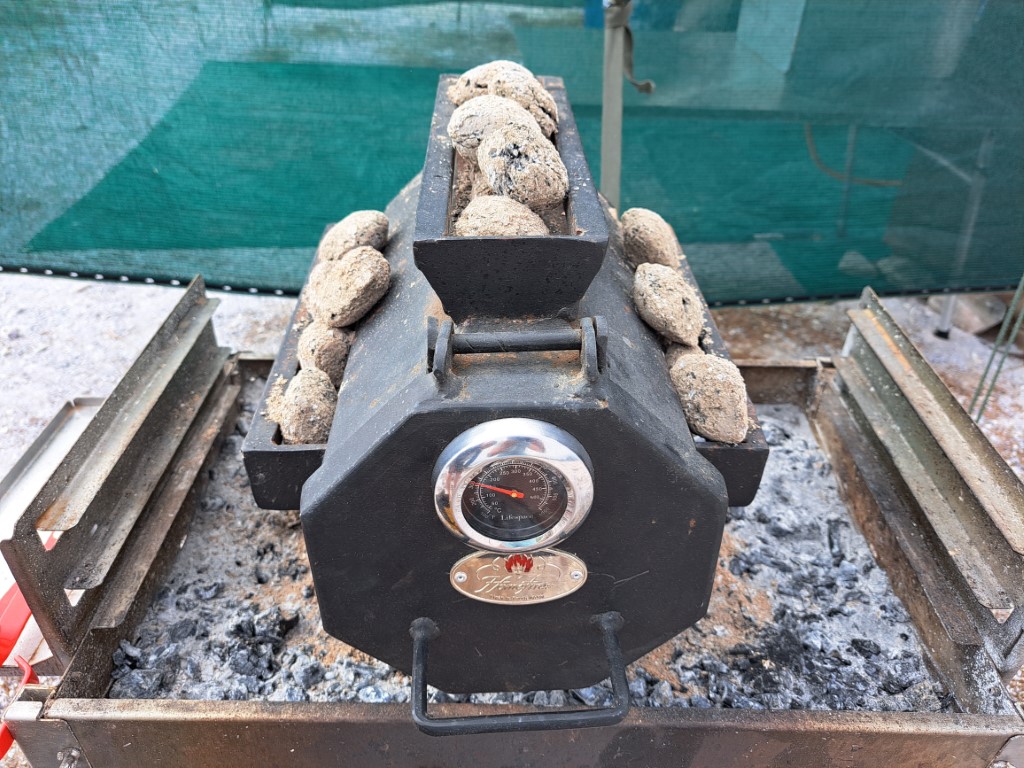
Frozen bread ready to become hamburger buns in our ‘vuurvarkie’
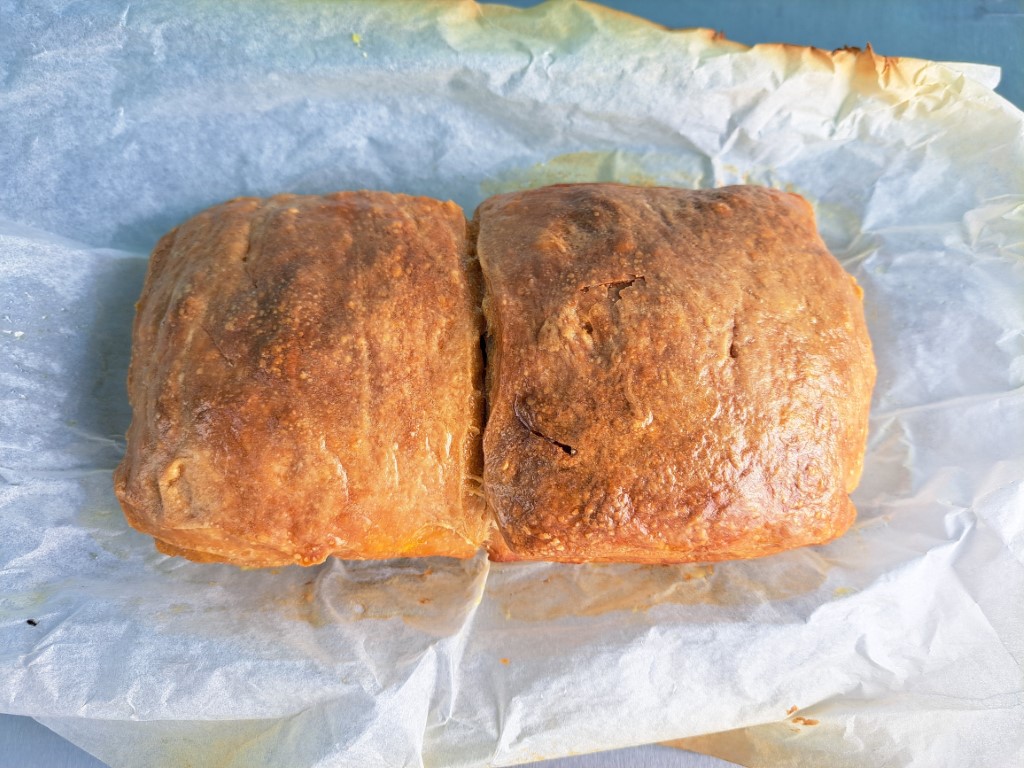
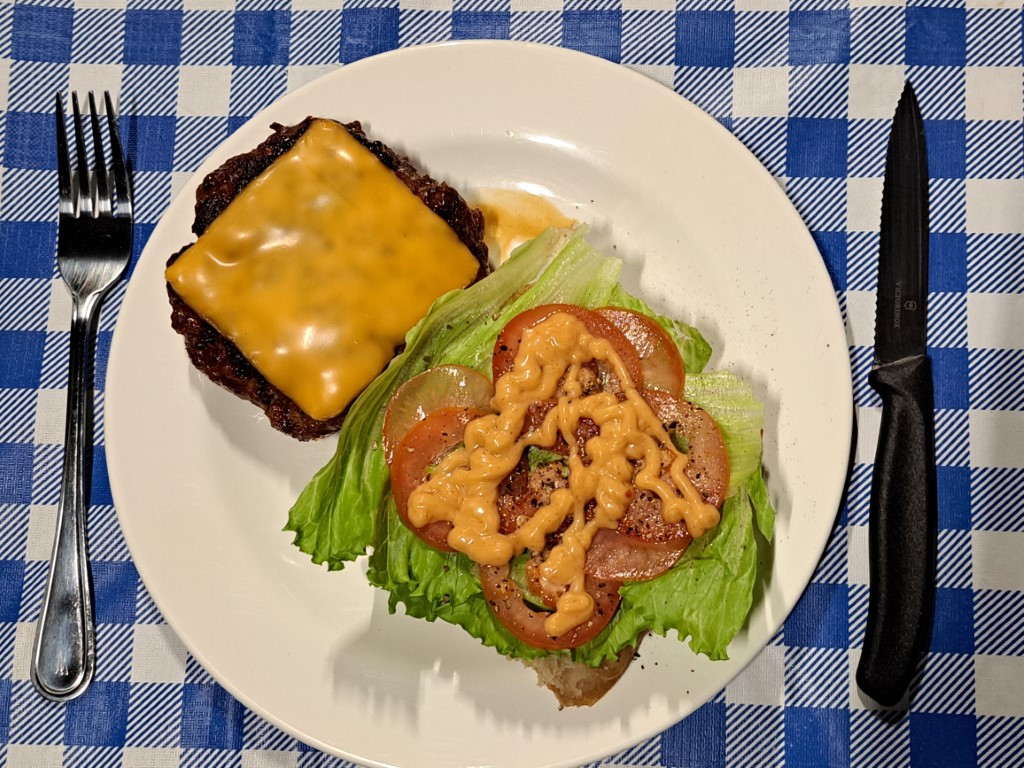
Freshly baked buns for our hamburgers
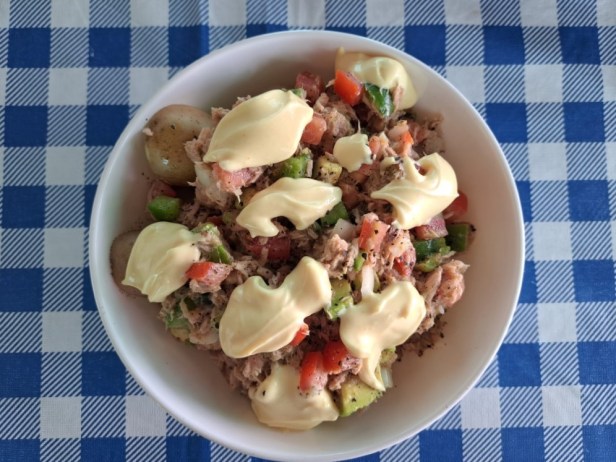
We also enjoyed salads on those hot days
When our friends came to visit us for a few days, we decided to put a little more effort into the food – after all, it was the start of a new year and that should be celebrated, right?
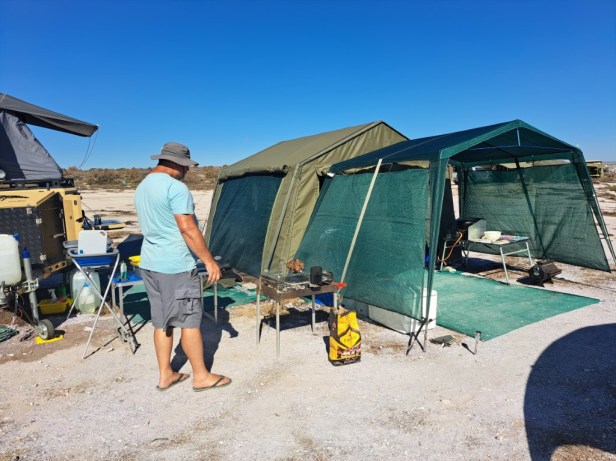
Berto preparing leg of lamb on the spit over a fire
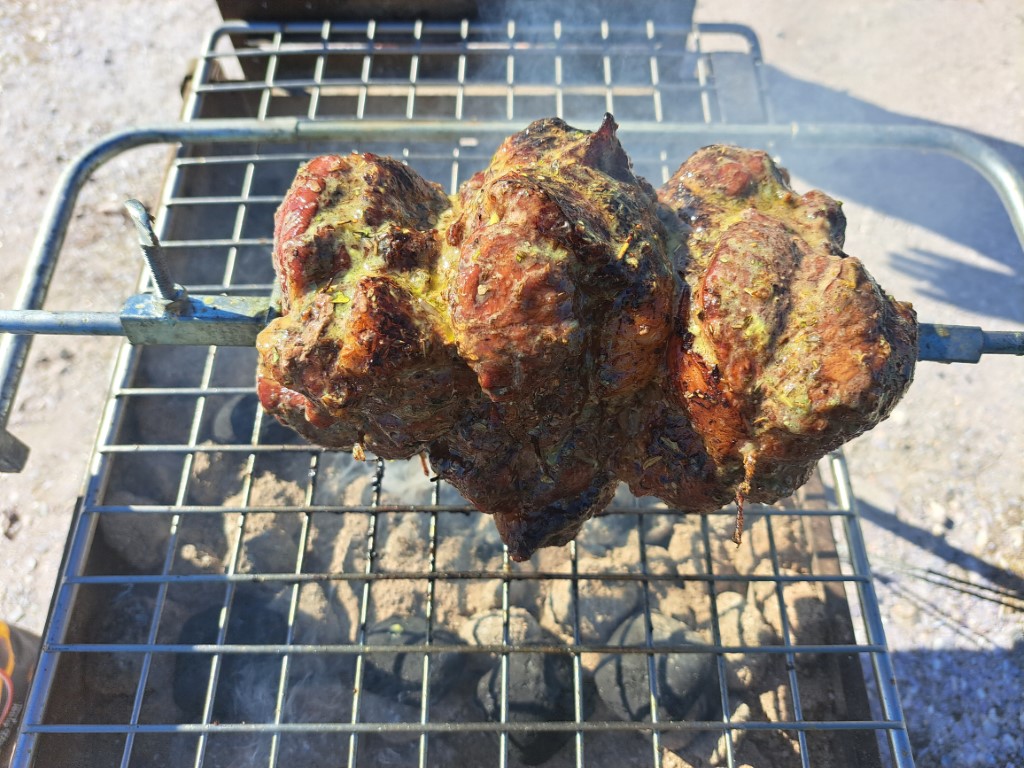
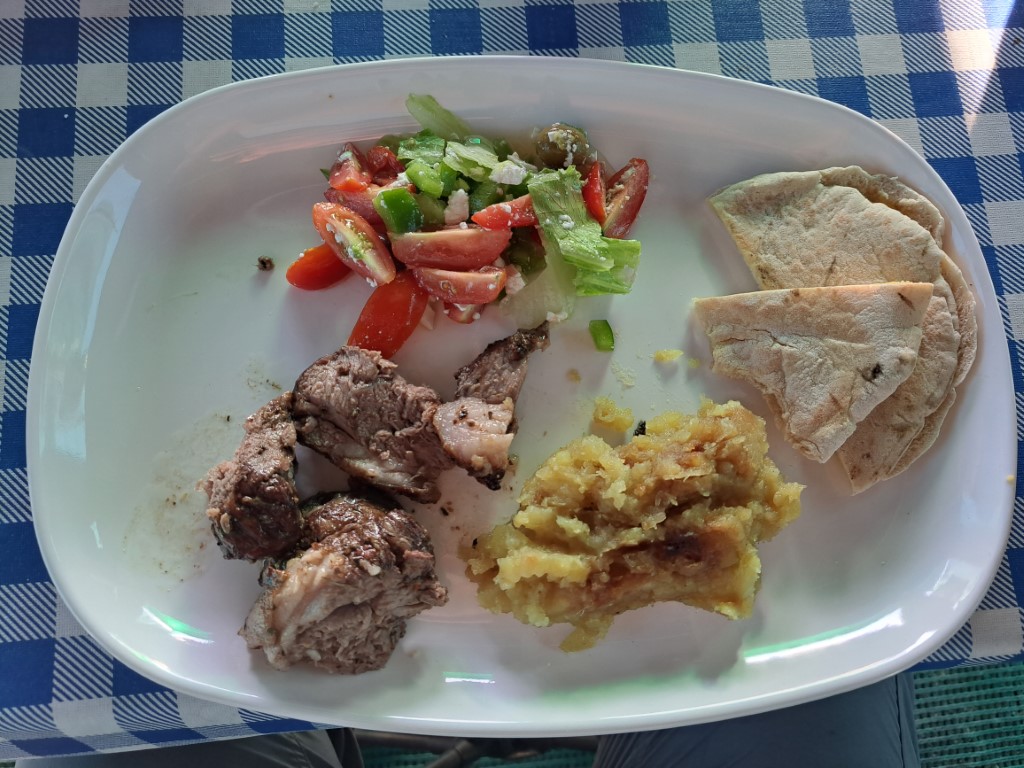
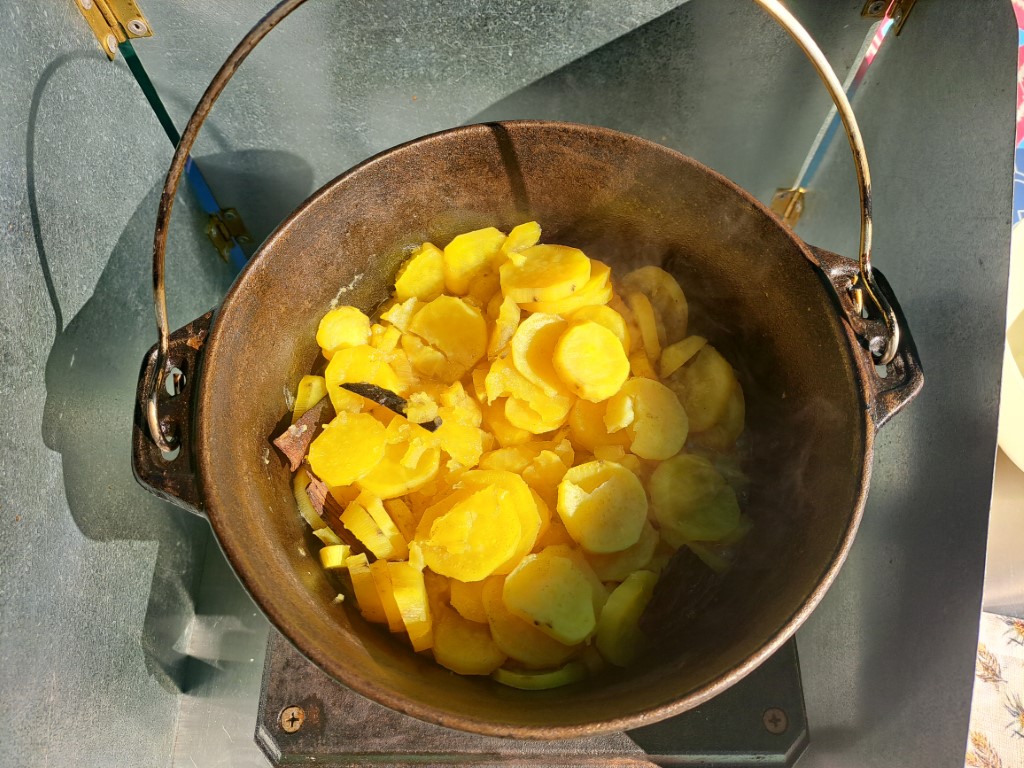
Leg of lamb, sweet potato, salad and cheesy-garlic bread
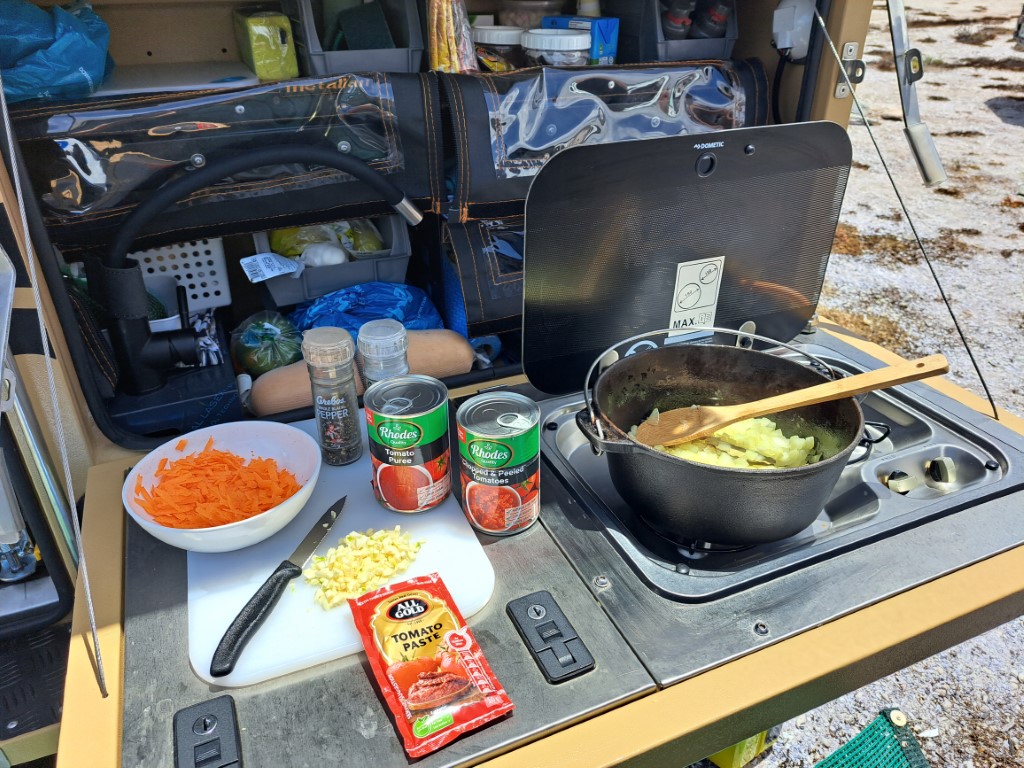
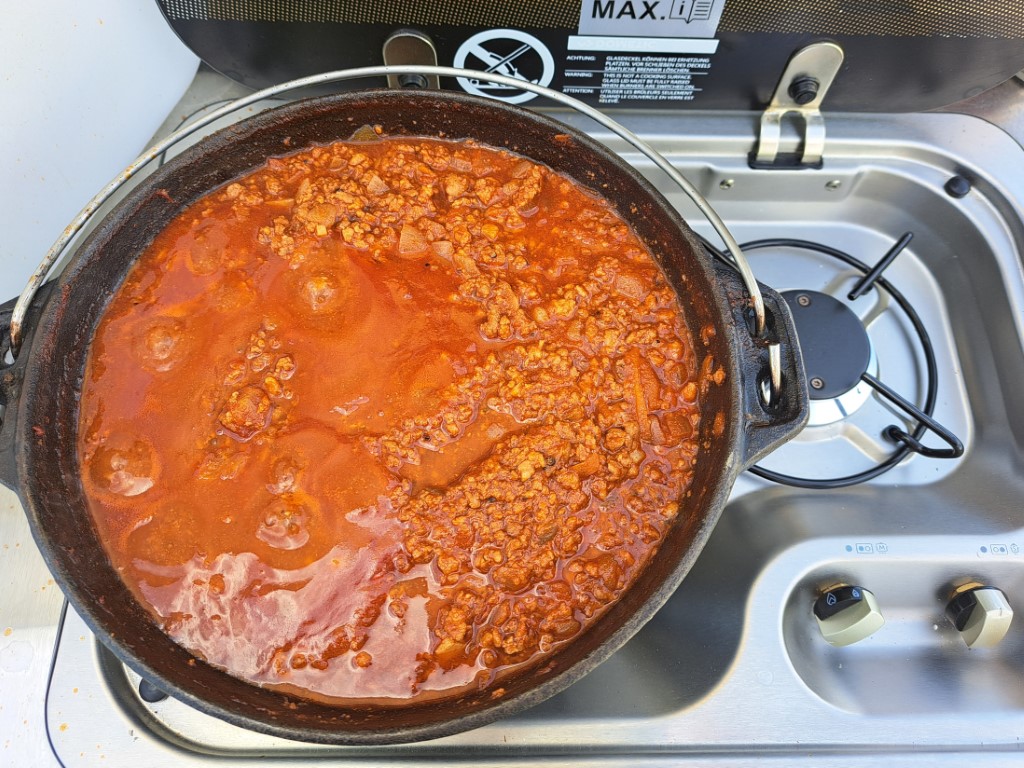
Time for Spaghetti Bolognese
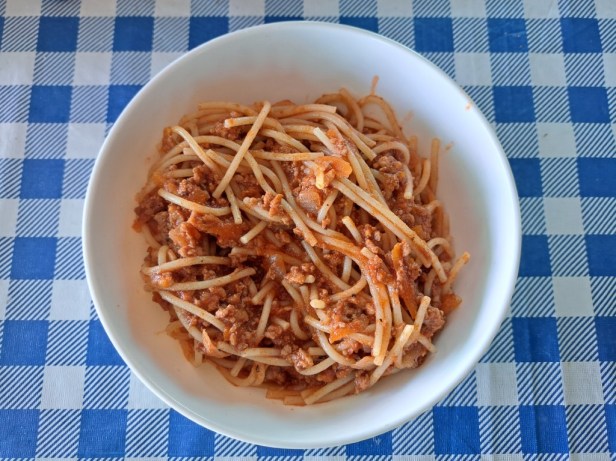
Who knew that Spaghetti Bolognese could be camping food?
After everyone had left and it was just me and Berto at our campsite, we had one last ‘braai’. We even had dessert – we might have cheated a little since dessert came from cans.
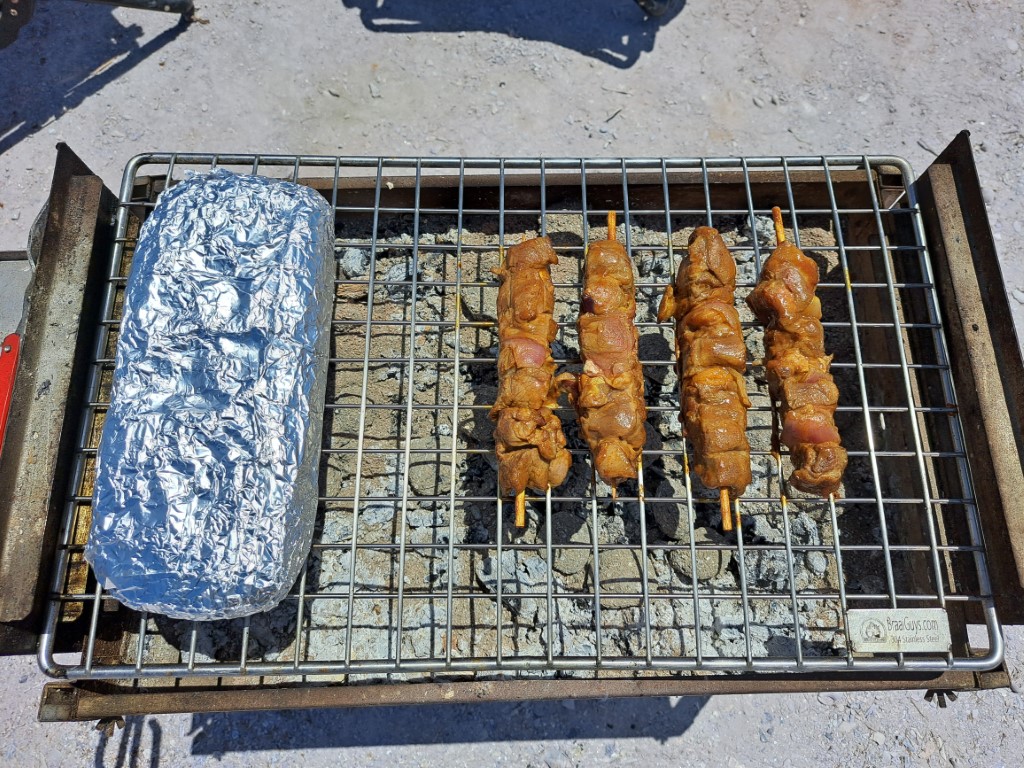
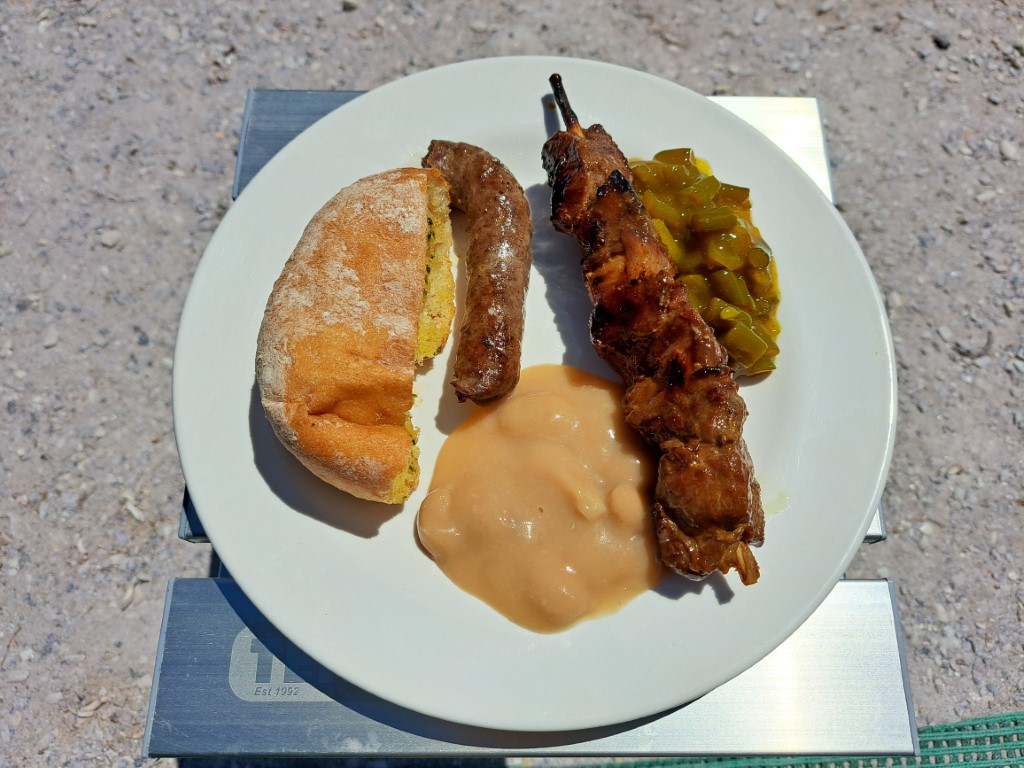
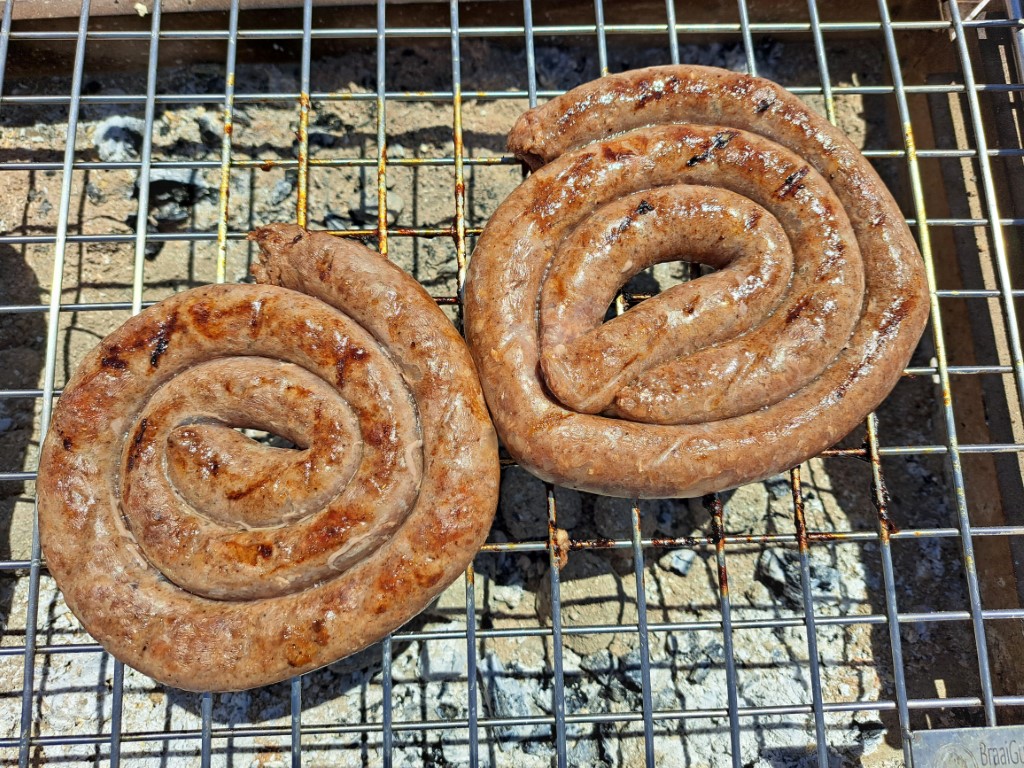
Last ‘braai’ of our wild camping adventure
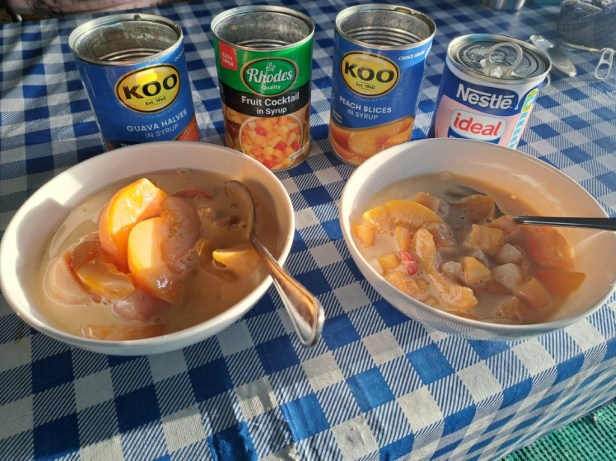
Dessert – Canned fruit and Ideal Milk
Our very last meal was my all-time favourite dish, Bobotie. I had already made the Bobotie at home a few weeks ago and then frozen it. We could now just warm it up in our ‘vuurvarkie’. The best side dish for Bobotie is Yellow Rice with raisins. And it was while I was preparing the rice that I realised I had forgotten one ingredient at home – raisins. So, I made the rice without the raisins – luckily the Bobotie had raisins in, and it still tasted really good.
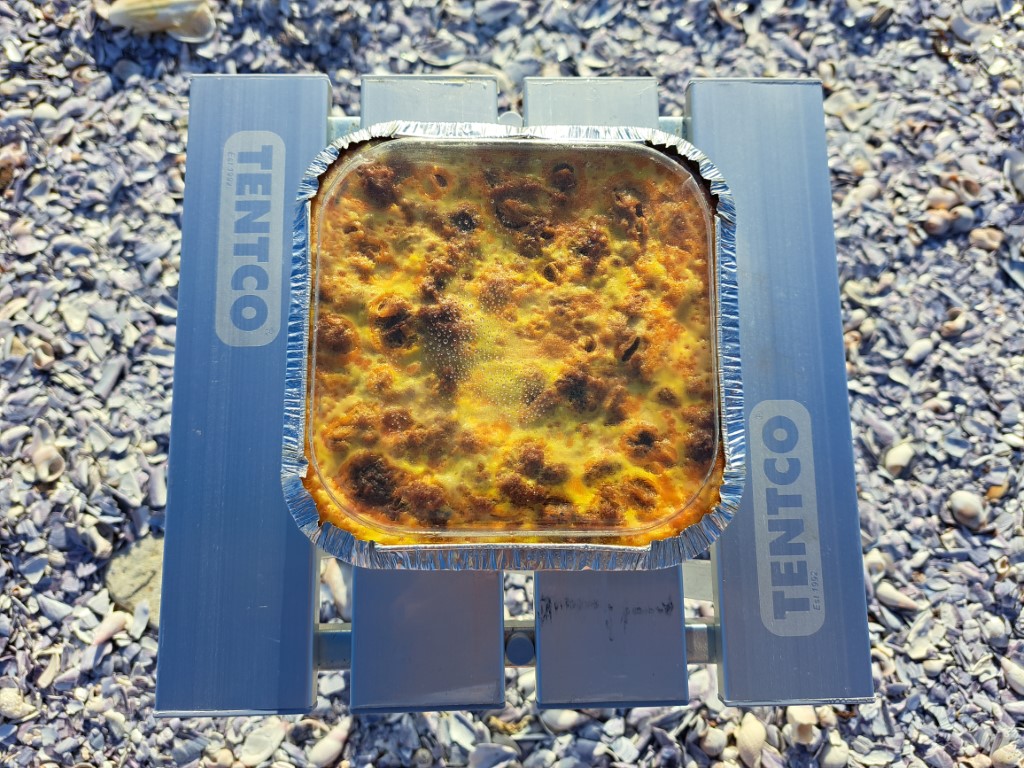
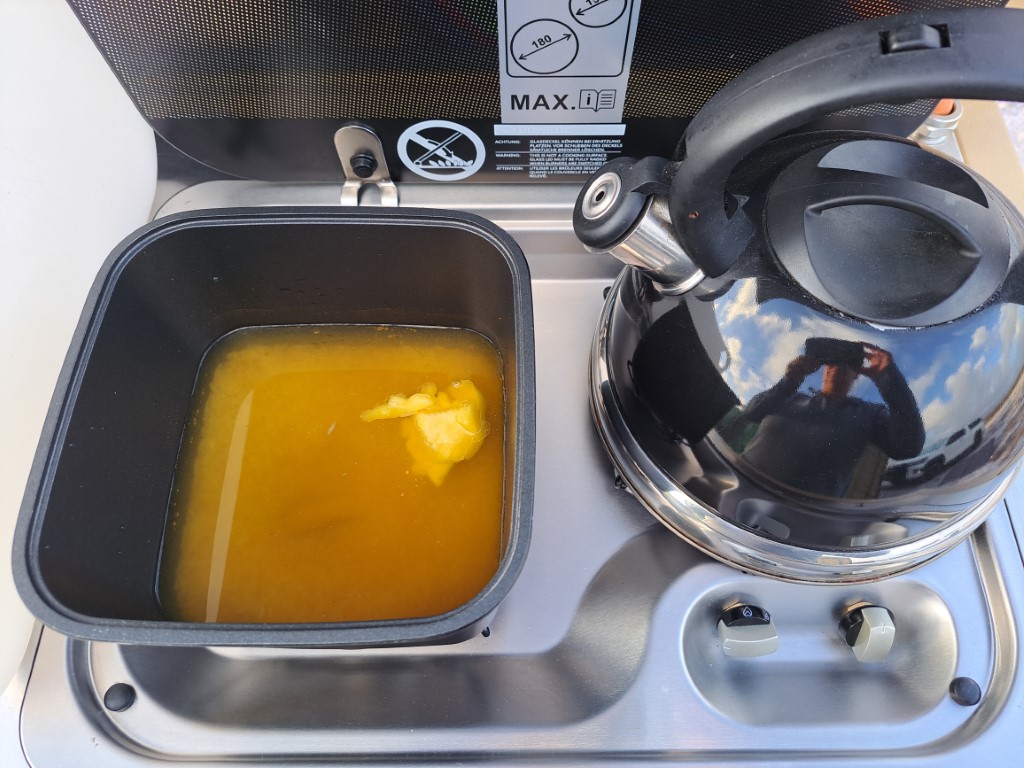
Frozen Bobotie and Yellow Rice in the making (without raisins)
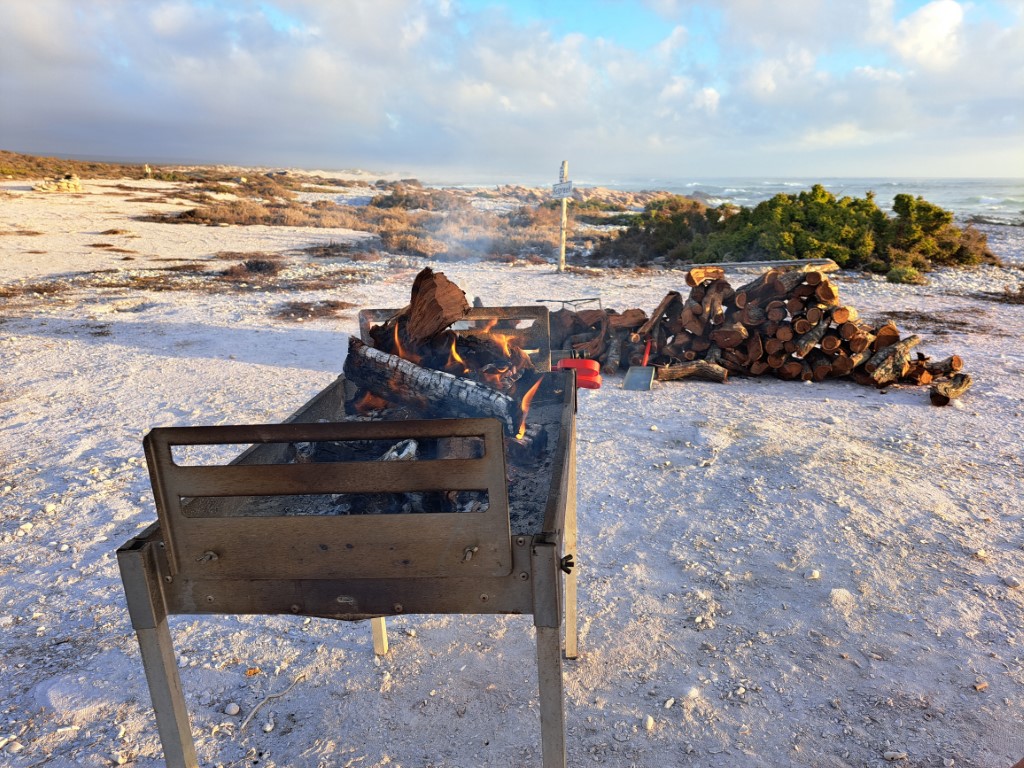
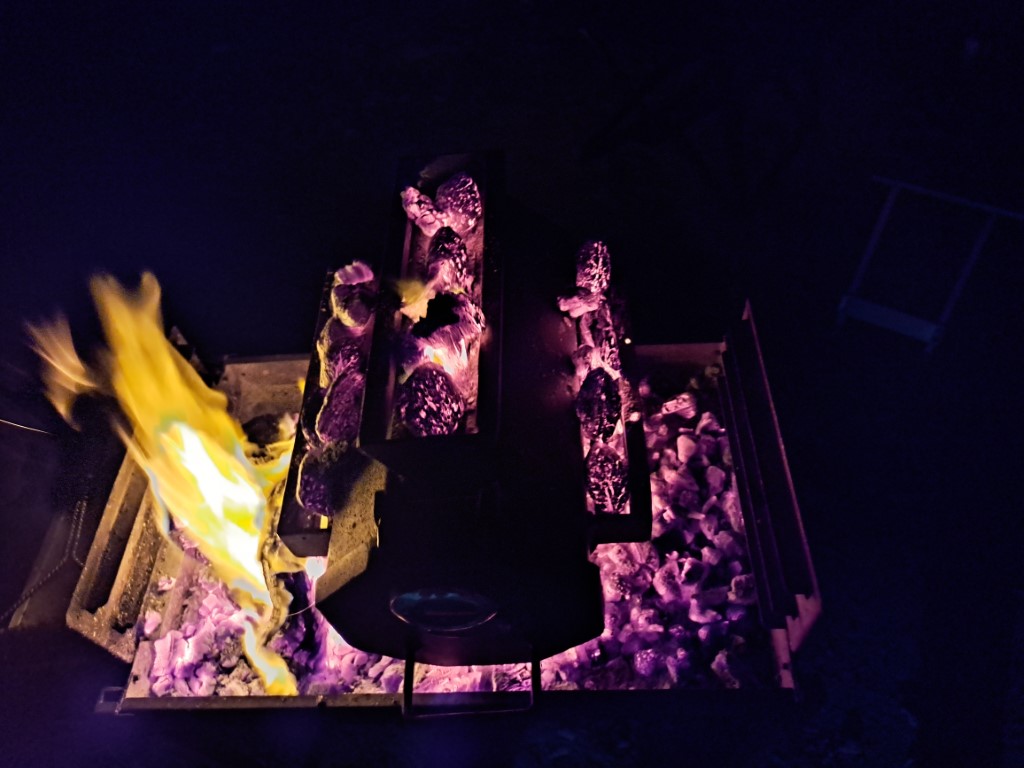
Fire to heat the Bobotie in the ‘vuurvarkie’
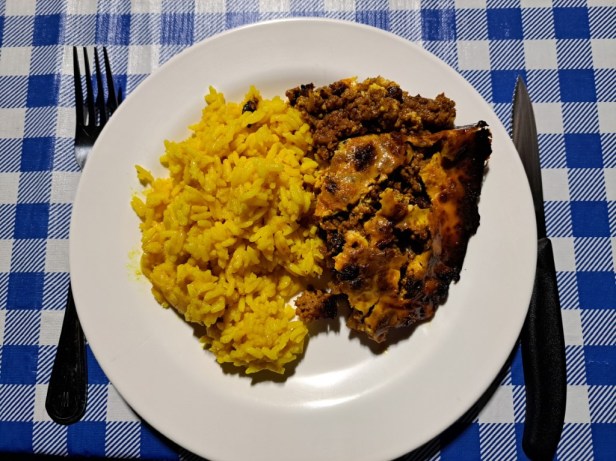
Last meal at Skulpbank – Bobotie and Yellow Rice
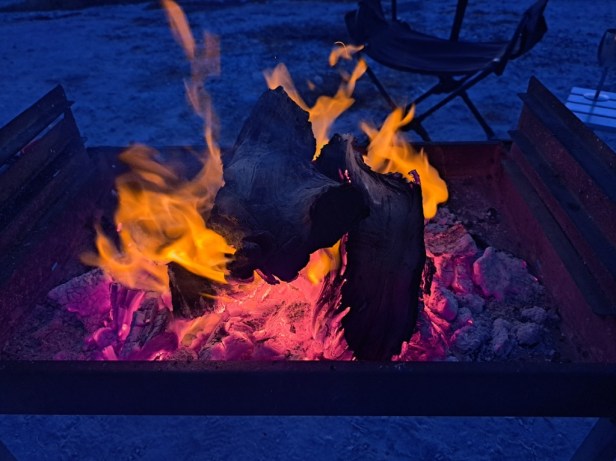
Our last campfire
What did we drink:
In the mornings, when the mist was still hanging low over our tent, there was nothing better than putting the kettle on the gas stove and listening to it whistle when the water boiled. Fiela and I also enjoyed hot chocolate with mini marshmallows (with a mini chocolate as a bonus). When the two of us watched the beautiful sunset, it was lovely to have a gin & tonic from our special ‘wild camping’ glasses.
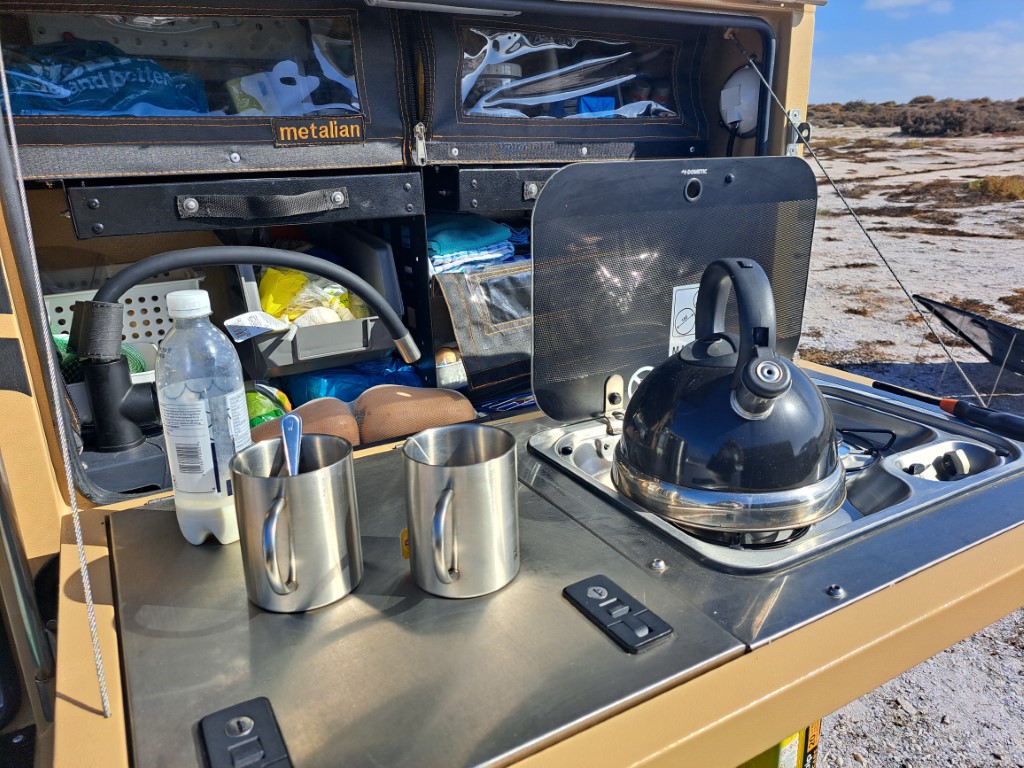
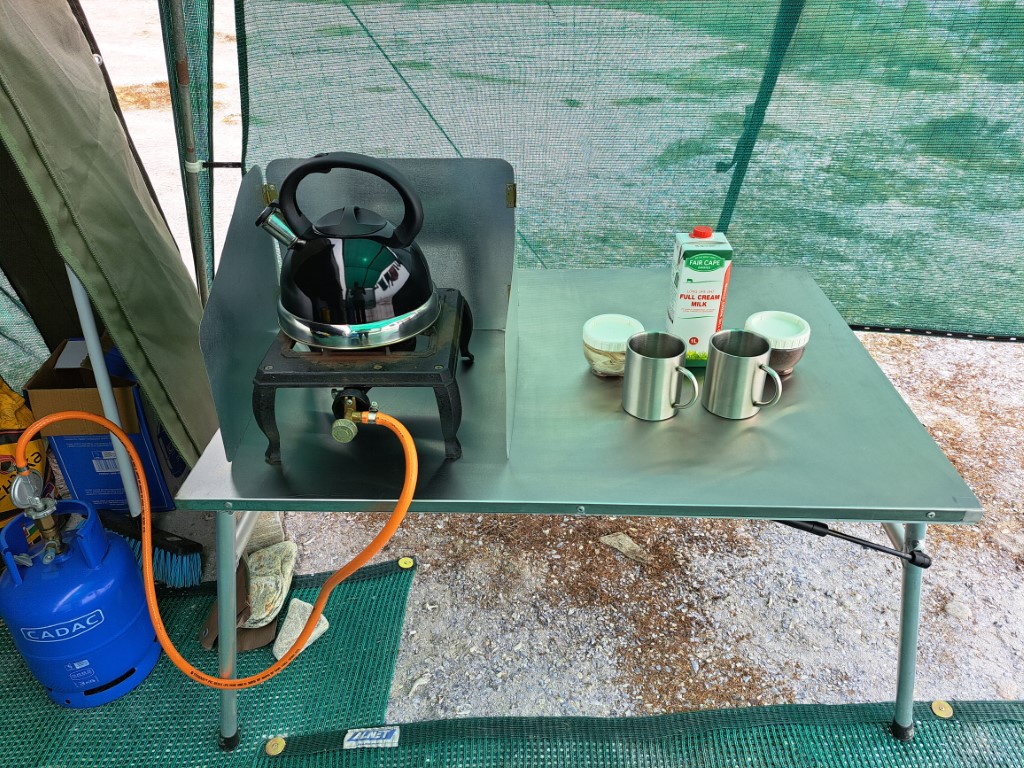
Early morning coffee
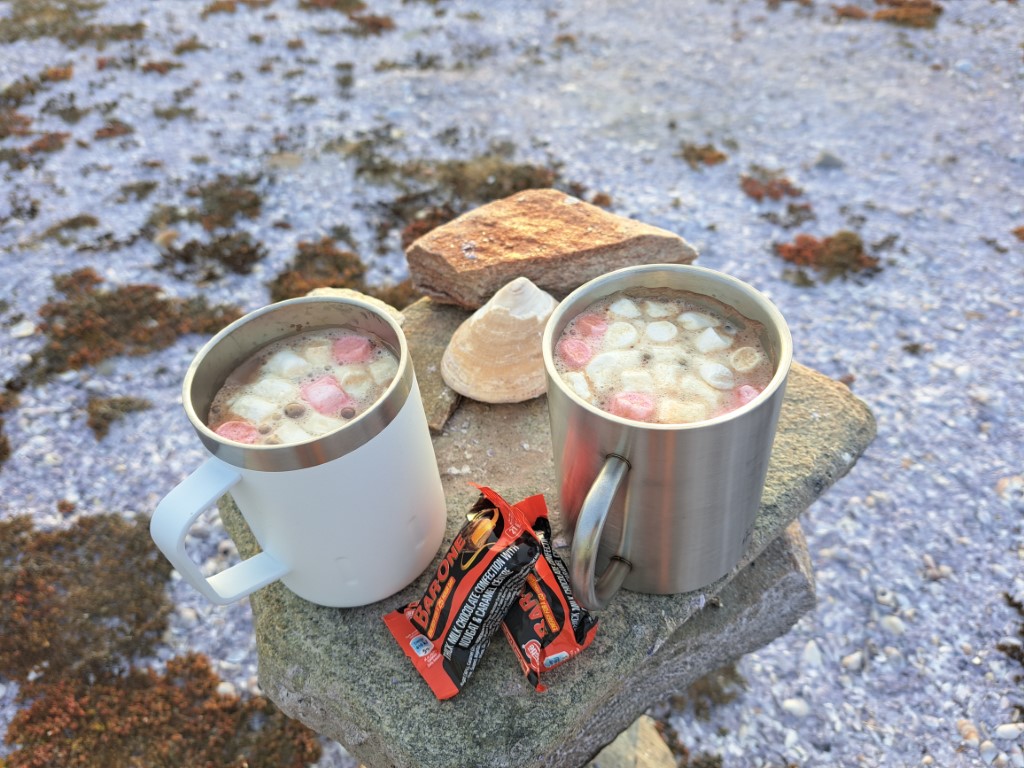
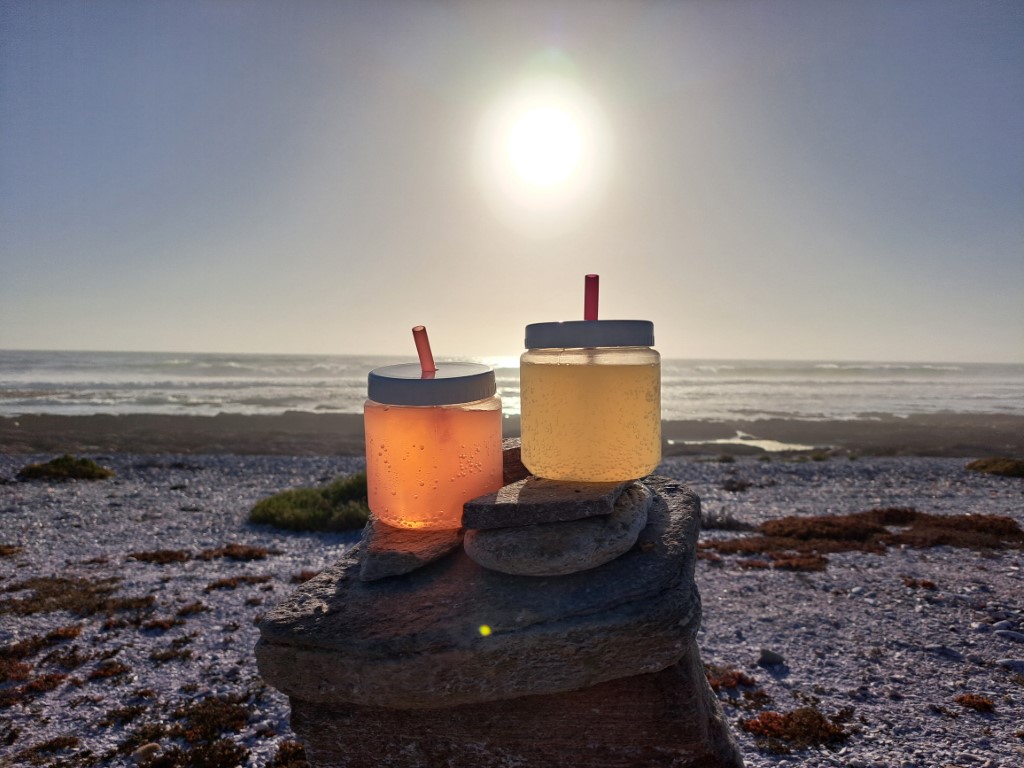
Hot Chocolate and G&T
On our last evening, Berto brought out a special bottle of red wine. Since we were camping in Namaqualand, it was only fitting to open a bottle of Namaqua Pinotage and watch the beautiful sunset one last time.
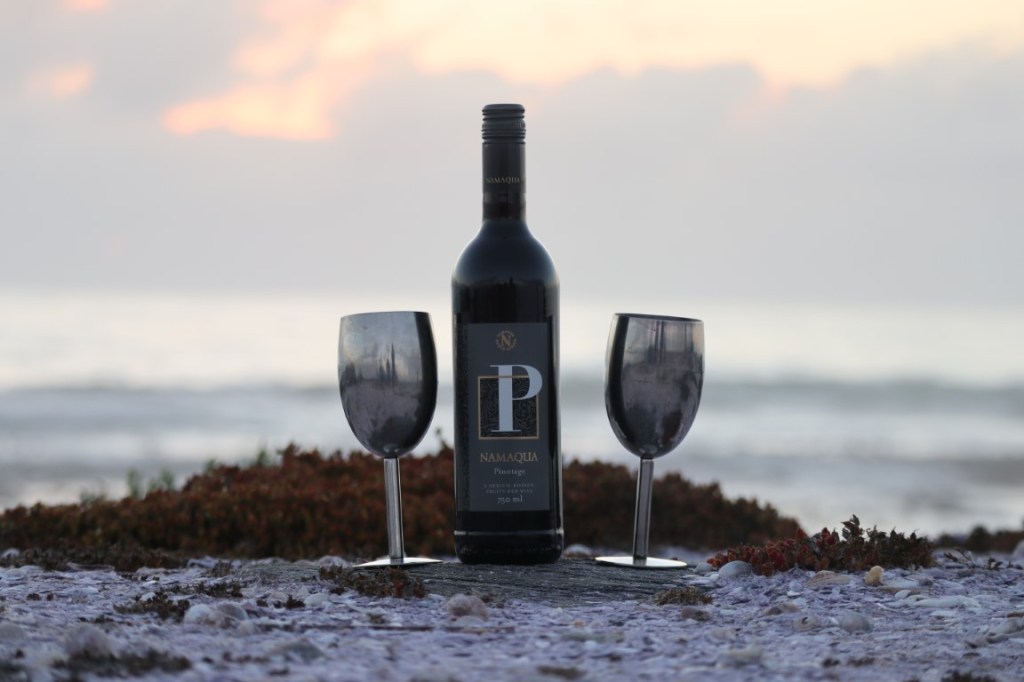
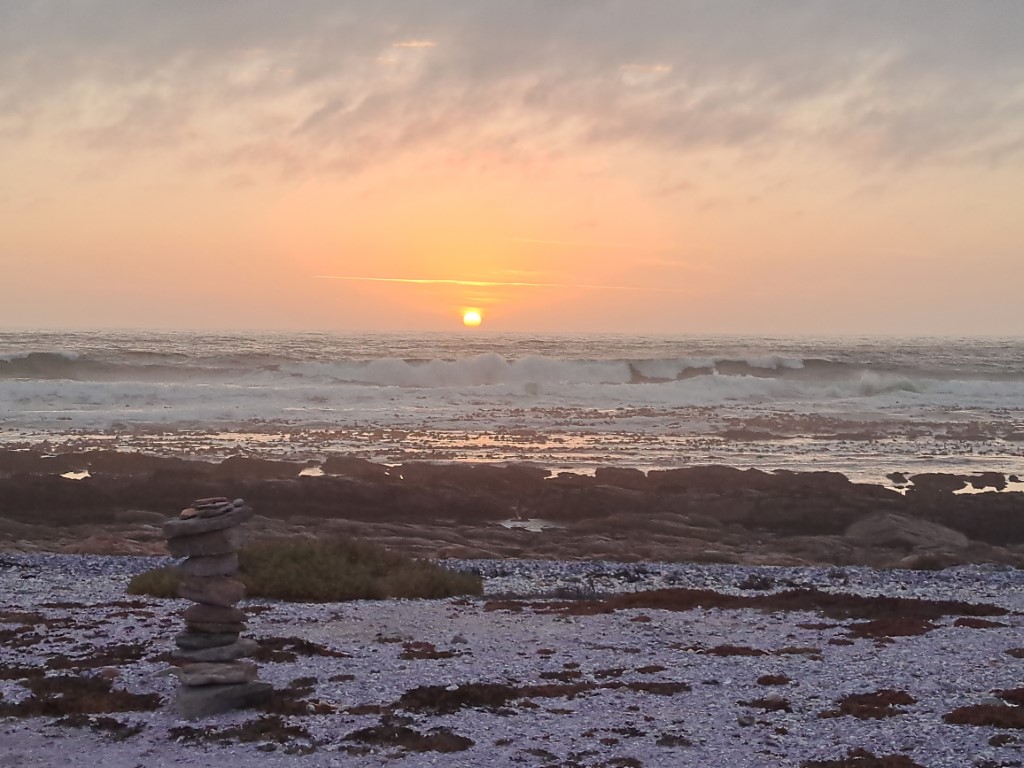
Red wine and a beautiful sunset
Although I’ve ended our previous two wild camping posts with sunset photos, I would like to do it this time with a photo of Berto next to the campfire. He made sure we always ate well, and I realise I’m a very lucky girl to have a husband who enjoy making such delicious food.
Oh, and I also didn’t complain once about washing all the dishes – just saying.
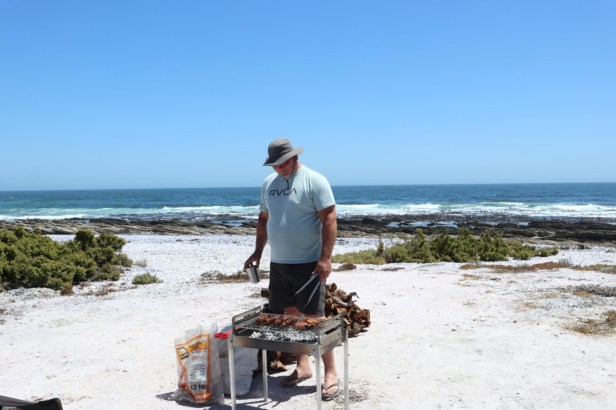
Berto’s happy place while wild camping
Next week we’ll show you how Berto and Frans caught crayfish and what Fiela and I discovered in the little rock pools (to read about that, click here).
 Wet and Dusty Roads
All of that food looked so wonderful. I’m looking forward to being released from the grip of winter so I can start cooking outside again. And Diane loved Dingetjie.
LikeLiked by 1 person
As you can see Carl, we definitely did not go hungry 😁. We are not looking forward to our winter at all (and it’s not even as long and cold as yours). Oh yes, Dingetjie was a real hit at the farm stall – I wish I could pack him in our camp trailer and brought him to the farm!
LikeLike
Wow, this looks like such an epic camping adventure! Loved seeing all the food setups and Dingetjie the meerkat and so cute! Makes me want to pack up and head to Namaqualand myself 😄.
LikeLiked by 1 person
Namaqualand is one of the most untouched parts of our country, but also one of the most beautiful (especially during spring when the wildflowers bloom). We love good food and that’s why we make an effort to cook delicious meals, even when we camp 😊. I think Dingetjie the meerkat has stolen everyone’s hearts – way too cute for words!
LikeLiked by 1 person
That sounds absolutely magical, untouched landscapes and wildflowers in spring must be unreal. And I love that you don’t compromise on good food, even while camping… that’s the way to do it! 😄 Dingetjie definitely sounds like the true star of the trip, though, and a total heart-stealer!
LikeLiked by 1 person
I am now completely worn out with eating, Corna, but the meerkat was very cute xx
LikeLiked by 1 person
Haha, and those were just a few of the dishes we enjoyed! We definitely need a few months now of only eating salads and vegetables 😁. That little meerkat was way too cute and charmed everyone who came to visit the farm stall!
LikeLiked by 1 person
What a grand adventure – and the FOOD!! Thanks for the read and your lovely photos 📸
LikeLiked by 1 person
If the food is good, we also enjoy camping more 😉! Thank you for stopping by.
LikeLike
That is a lot of nice meals for wild camping. Looks like you enjoyed your time.
LikeLiked by 1 person
We had a wonderful time by the sea – two weeks that felt like two days 😁. And enjoying good food is part of a great camping experience (for us anyway)!
LikeLiked by 1 person
I can never accuse you of skimping on your camping meals! I’m impressed at the variety of food that you ate and that you didn’t just eat the same thing for breakfast or dinner everyday. That meerkat is so precious!
LikeLiked by 1 person
Great camping and good food are almost synonymous for us 😁. I think a big part of camping (for us anyway) is making delicious food – it’s almost like some kind of challenge! Oh yes, the little meerkat was too cute (and a big attraction for all the visitors) … they can count themselves lucky that I didn’t take Dingetjie along!
LikeLike
Everything looks absolutely delicious, dear Corna, and it goes to show you that camp food doesn’t have to be boring; you can create delicious, gourmet, or simple meals with proper planning, pre-chopping, and using versatile, flavorful ingredients. I find that food isn’t just fuel when you’re camping — it’s a ritual, a moment to slow down, and a chance to connect with the places you visit. Thanks for sharing, and have a good day 🙂 Aiva xx
LikeLiked by 1 person
Although we always try to make different dishes when we camp, I think everything just tastes better when you enjoy food in nature (whether it’s a gourmet meal or just a simple sandwich). Thank you, Aiva, I appreciate your comment as always. Enjoy the rest of your weekend.
LikeLike
A camping trip with you two would be such fun. I think I would never want to go home (except for the cats!) As well as your expert organisation and delicious food, you always find such interesting places to visit and sweet animals to talk to. That little meerkat is adorable. I so enjoy your trips!
LikeLiked by 1 person
I think you would have enjoyed camping with us – we would probably have had to rethink our menu a bit to suit you – but I know even that wouldn’t have dampen your enthusiasm 😉. Without really planning it, there is always an animal to be found on our travels – and Dingetjie the meerkat was definitely one of the most unusual (but also cutest) little animals we’ve ever met.
LikeLike
That meerkat is adorable! Now I want one 😊 Maggie
LikeLiked by 1 person
Meerkats are quite busy little animals – this one teased the dog constantly while he was trying to sleep – it was actually quite hilarious to watch. Like you said, adorable!
LikeLiked by 1 person
You do live in style on your wild camping trips Corna, very organised!
LikeLiked by 1 person
Thank you, Marion. I think because we have been camping for so many years, it’s easier to make sure we camp ‘in style.’ By now, we know what works and what doesn’t … and eating well is definitely one of our top priorities 😁.
LikeLiked by 1 person
You certainly do eat well while camping! And Dingetjie looks very cute 😀
LikeLiked by 1 person
Because we enjoy cooking, we also try to do it when we camp – which of course can sometimes be quite a challenge. Ahh, Dingetjie was one of the cutest little animals I’ve come across on our travels!
LikeLike
A baby meerkat! Oh my goodness, how adorable! I would’ve just sat there watching him all day. He’s so cute!
LikeLiked by 1 person
It’s the cutest little animal, right? If I could, I would definitely just want to play with him all day. But I did manage to persuade Berto to drive to the farm stall twice again during our wild camping so that I could play with Dingetjie 😉.
LikeLiked by 1 person
What a wonderful camping trip, Corna, with so many lovely stories from the sweet little meerkat, to meeting friends, to helping another with a flat tire, it all sounds like a little slice of heaven. All of your meals look amazing! You feast like royalty while camping. I had to chuckle when you mentioned that friends arrived and you decided to put more effort into your meals. Wonderful post and photos!
LikeLiked by 1 person
Yes, a lot actually happened on our wild camping holiday – while at the same time it was so peaceful. Our friends know that when they go camping with us, they’re going to eat well … and we always try to surprise them with a new camping dish (I think it’s almost become a challenge to make something special when our friends join us 😉). Thank you for your comment Tricia, as always, I really appreciate it.
LikeLiked by 1 person
Ooooo the Brai is out again!! Yum. And what a great continuation of your West Coast wild camping adventure! And the Dingetjie meerkat is just too cute 🙂
LikeLiked by 1 person
When we go camping, there’s at least one braai a day … so you can just imagine how many times we made a campfire in the two weeks we were there! Dingetjie was so cute – I almost brought him home (I mean, we do live on a farm 😁).
LikeLiked by 1 person
Jou vertellings is so genotvol – ai, en die foto’s! “Dingetjie” is die perfekte naam vir daardie ou wesentjie.
LikeLiked by 1 person
Baie dankie Tannie Frannie. Ek’s bly Tannie geniet ons Weskus kamp stories – dis ‘n spesiale plek vir ons. Dingetjie is opvreetbaar oulik … ek het egter so half in my mou gelag toe ek dink hoe die Engels sprekendes op ons blog die naam sou probeer uitspreek 😉 (daar is sekere dinge/dingetjies wat mens net eenvoudig nie in Engels kan vertaal nie)!
LikeLiked by 1 person
Julle twee weet presies wat werk en wat is nodig om in styl te kamp, Corna!
LikeLiked by 1 person
Dankie Una 😊. Om te kampeer, moenie ‘n missie wees nie (anders doen ‘n mens dit te min/nooit) en ek dink na al die jare, weet ons darem nou al so soortvan wat vir ons werk.
LikeLiked by 1 person
What you guys do, eat and stay on your camping trips just boggles me every single time!! You are World Leaders in Camping! 🙂 Mel
LikeLiked by 1 person
Haha, I would love to be a world leader in camping … while you are the world leader in hiking 😁. We would make a great team!
LikeLiked by 1 person
The A-Team!! 🙂
LikeLiked by 1 person